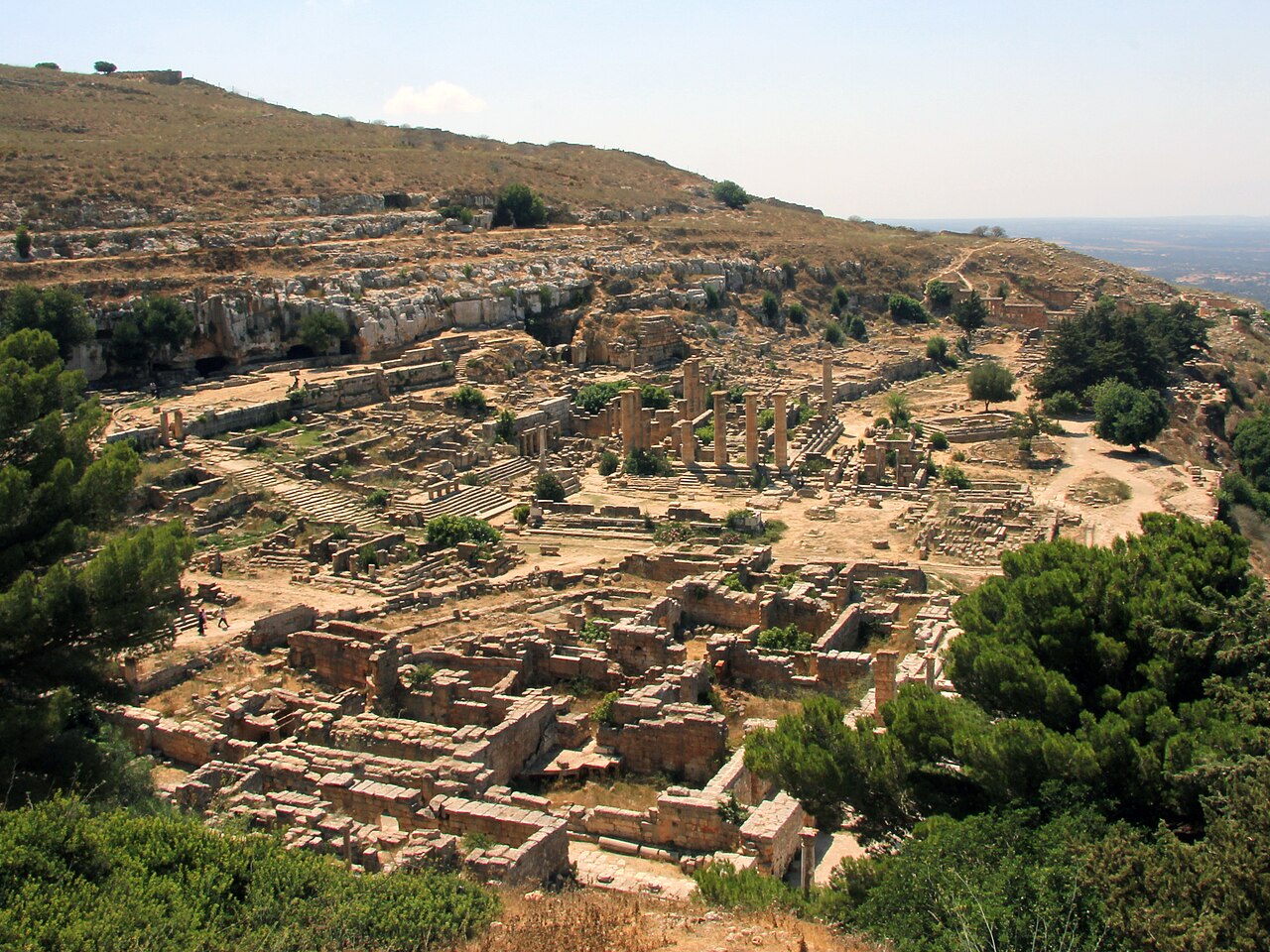
Cyrene
Cyrene was a city named in the New Testament as the place of origin of Simon and Lucius. The list of those who heard the apostles at Pentecost mentions the parts of Libya about Cyrene, placing the city within the geographical range represented at Jerusalem. The classical dictionaries describe it as a prominent city of that region. Acts 2:5–11; Acts 13:1.
The Gospel connection is the bearing of the cross. Simon, identified as a Cyrenian, was compelled to carry it behind Jesus toward Golgotha. Mark names his sons, Alexander and Rufus. The Desire of Ages, chapter 78 develops the significance of Simon's imposed service, while the biblical notices establish his association with the city and his action on that journey. Matthew 27:32–33; Mark 15:21–22; Luke 23:26.
Acts records different responses among people associated with Cyrene. Some people from Cyrene took part in the dispute with Stephen; others, together with people from Cyprus, preached the Lord Jesus at Antioch. The Sabbath School lesson for July 23, 2018 examines the opposition to Stephen, whereas the lesson for August 8, 2018 stresses the contribution of the displaced believers to the spread of the gospel. The city is thus associated with both opposition and missionary initiative. Acts 6:8–15; Acts 11:19–21.
Lucius, explicitly called a Cyrenian, appears among the prophets and teachers at Antioch, alongside Barnabas, Simeon called Niger, Manaen and Saul. During the congregation's worship and fasting, the Holy Ghost called for Barnabas and Saul to be set apart for His work. After fasting and prayer they were sent out. Acts 13:1–3.