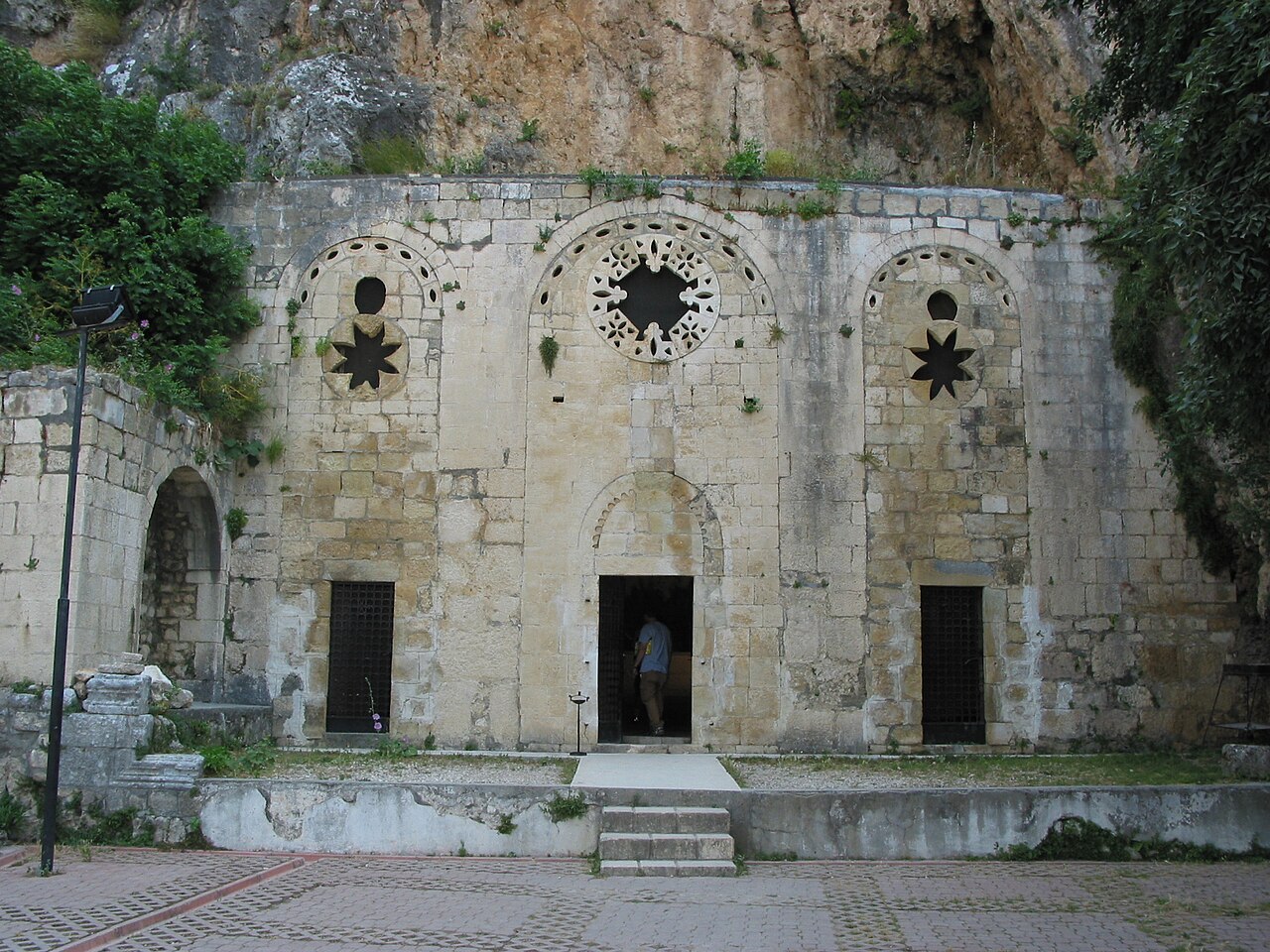
Antioch
Antioch was a city in Syria that became an important center of the early Christian mission. Easton and Smith identify it as the Syrian Antioch in their classical dictionaries. Nicolas, one of the seven chosen to serve in Jerusalem, is described as a proselyte from this city. Acts 6:1–7.
After the persecution associated with Stephen, some believers from Cyprus and Cyrene proclaimed Jesus in Antioch, and many believed. The church in Jerusalem sent Barnabas, who then sought Saul in Tarsus. The two taught there for a year, and the disciples were first called Christians in Antioch. In The Acts of the Apostles, chapter 16, Ellen White connects that name with the central place of Christ in their preaching and conversation. Acts 11:19–26.
Agabus also came with prophets from Jerusalem. Through the Spirit, he announced a famine that the account says occurred in the days of Claudius. The disciples decided to send help to believers in Judea, each according to ability, and entrusted the relief mission to Barnabas and Saul. Acts 11:27–30.
The local prophets and teachers included Barnabas, Simeon called Niger, Lucius of Cyrene, Manaen, and Saul. Manaen is described as having been brought up with Herod the tetrarch. During worship and fasting, the Holy Spirit called for Barnabas and Saul to be set apart; after fasting, prayer, and the laying on of hands, they were sent out. Acts 13:1–3.
After their journey, Paul and Barnabas returned to Antioch and reported to the gathered church. The city also received the letter sent after the council in Jerusalem, carried by Judas Barsabas and Silas with Paul and Barnabas. Acts 14:26–28; Acts 15:22–35.
Paul later returned through Cæsarea and spent time in Antioch before setting out again. Galatians 2 separately recalls his public confrontation with Peter in the city over withdrawal from shared meals. Acts 18:22–23; Galatians 2:11–14.