Simon Peter
Simon Peter is a fisherman from Bethsaida, the brother of Andrew and the son of Jona. Andrew introduces him to Jesus, while the later fishermen’s call associates the brothers with James and John, sons of Zebedee. A household at Capernaum is named for Simon and Andrew, and the healing of his mother-in-law establishes that he was married. These notices give the social setting of his discipleship: family, fishing and a shared home within Galilee. John 1:40-44 Mark 1:16-31
His confession of Jesus as the Christ is followed by resistance to the announced suffering. Jesus attributes the confession to the heavenly Father, but rebukes Peter when he rejects the prospect of death and resurrection. Recognition of the Messiah and understanding his mission are therefore distinct within the same encounter. The narrative preserves Peter’s acknowledged faith together with the correction of his expectations. Matt 16:16-23 Confession and correction
Other Galilee episodes give Peter a prominent place among the witnesses. His boat is used for teaching before the large catch of fish, and he responds by acknowledging his sinfulness. During the walking-on-water episode, he asks to come to Jesus, begins to sink and is caught by him. With James and John, he also sees Jesus’ transfiguration, when Moses and Elijah appear. Peter’s proposal for three shelters is followed by the voice directing attention to the beloved Son. These accounts concern different gatherings and responses within the ministry. Luke 5:1-11 Matt 14:22-33 Matt 17:1-9
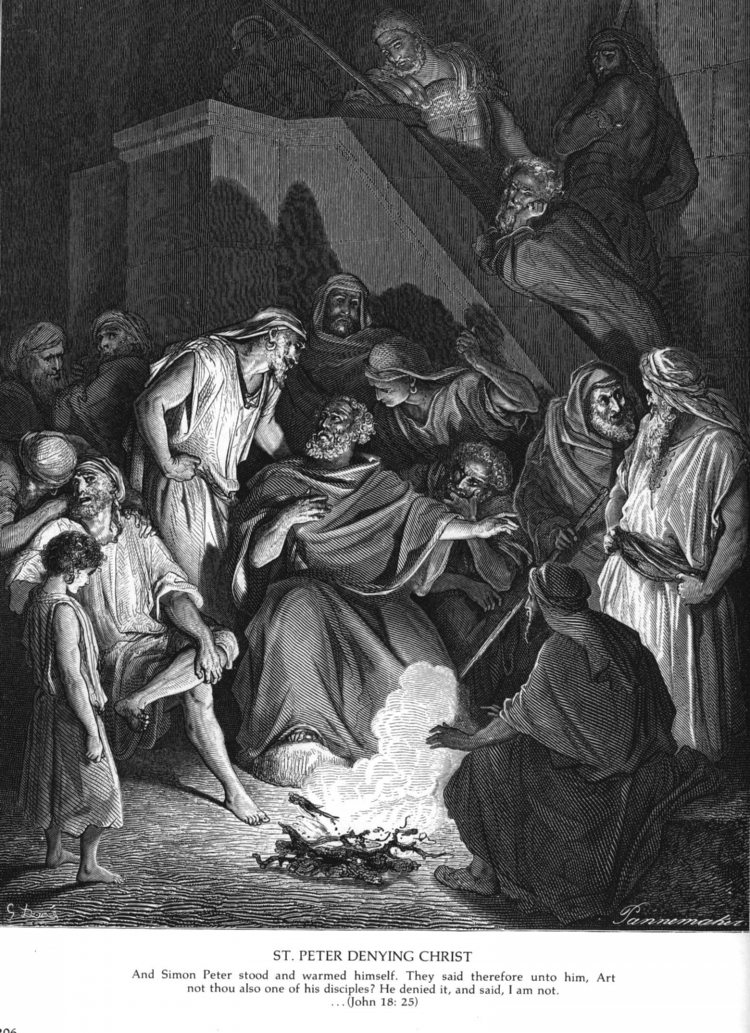
In Jerusalem, Peter and John are sent to prepare the Passover meal. Jesus warns Peter of his coming denial and prays that his faith will not fail. At the arrest Peter cuts off Malchus’ ear and is told to put away his sword. The courtyard denial then records three refusals to acknowledge Jesus, followed by Peter’s bitter weeping. Afterward, Mary Magdalene brings news of the opened tomb, and Peter enters it first; the other disciple, whose personal name is not supplied in that passage, follows him inside. Luke 22:7-13 Luke 22:31-34 John 18:10-11 Luke 22:54-62 John 20:1-10
The postresurrection fishing encounter brings together Peter, Thomas, Nathanael, the sons of Zebedee and two other disciples. After the meal, Jesus repeatedly asks Peter about his love and entrusts him with care of the flock. The passage also explains the saying about Peter being led where he does not wish to go as a reference to his future death. The commission to tend others gives the restored relationship a practical responsibility within the disciple community. John 21:1-23
Peter’s public leadership in Jerusalem includes the proposed replacement of Judas Iscariot, with Joseph Barsabbas, called Justus and Matthias presented as candidates and Matthias selected. His Pentecost address interprets the event through Joel and David and calls for repentance and baptism in Jesus’ name. With John, he then heals a man at the temple gate and faces a council hearing, where Annas, Caiaphas, John and Alexander are named. The apostles insist on speaking about what they have seen and heard. Acts 1:15-26 Acts 2:14-41 Acts 3:1-10 Acts 4:1-22
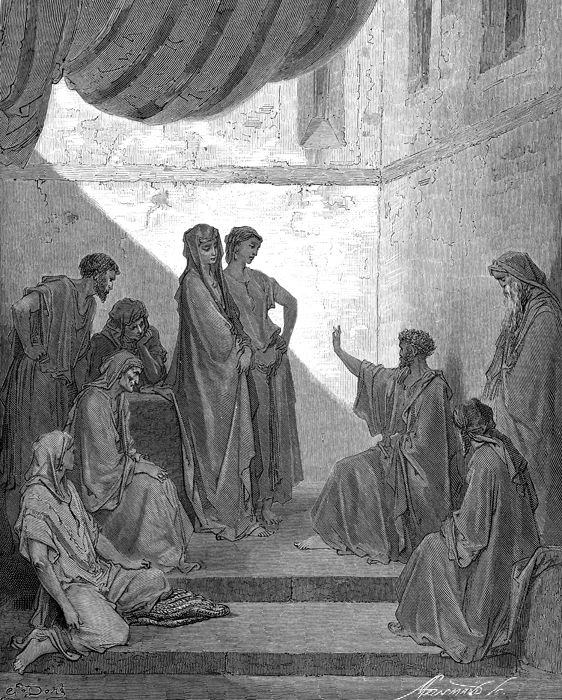
The work expands beyond the capital. In Samaria, Peter and John pray for the believers and reject Simon the sorcerer’ offer to buy the authority associated with the gift of the Holy Spirit. In Lydda, Peter heals Aeneas; in Joppa, he presents Tabitha, or Dorcas alive to the widows and believers and stays with Simon the tanner. His subsequent visit to Cornelius at Caesarea brings the question of Gentile inclusion into direct focus. Peter explains the vision in terms of not calling any person common or unclean, and the reception of the Holy Spirit precedes the household’s baptism. Acts 8:14-25 Acts 9:32-43 Acts 10:1-48
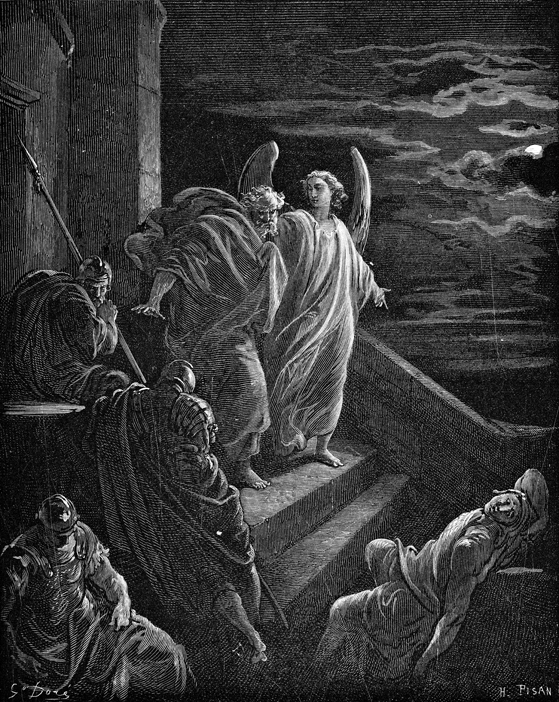
Peter defends that admission before believers in Jerusalem, and at the Jerusalem Council appeals to the same gift and salvation through grace. Before that council, royal persecution had also reached him: after King Herod kills James, John’s brother, Peter is imprisoned and delivered by an angel. He goes to the house of Mary, mother of John Mark, where Rhoda recognizes his voice. These episodes connect institutional debate and royal persecution with identifiable households and participants. Acts 11:1-18 Acts 15:6-11 Acts 12:1-16
The later testimony of Paul preserves a tension within this leadership. James the Lord’s brother, Cephas and John extend fellowship to Paul and Barnabas, yet at Antioch in Syria Peter withdraws from meals with Gentiles and Barnabas follows the same behavior. Paul confronts the inconsistency. The letters introduced in Peter’s name provide another kind of witness: an apostolic address, a recollection of Jesus’ suffering and teaching that elders should guide by example. Their greetings name Silvanus and John Mark and refer to Babylon. These textual notices extend the record of his responsibility and relationships beyond the continuous episodes in Acts. Gal 1:18-19 Gal 2:9-14 1 Pet 1:1-2 1 Pet 5:1-4 1 Pet 5:12-14 2 Pet 1:1-2 Acts 15:6-11