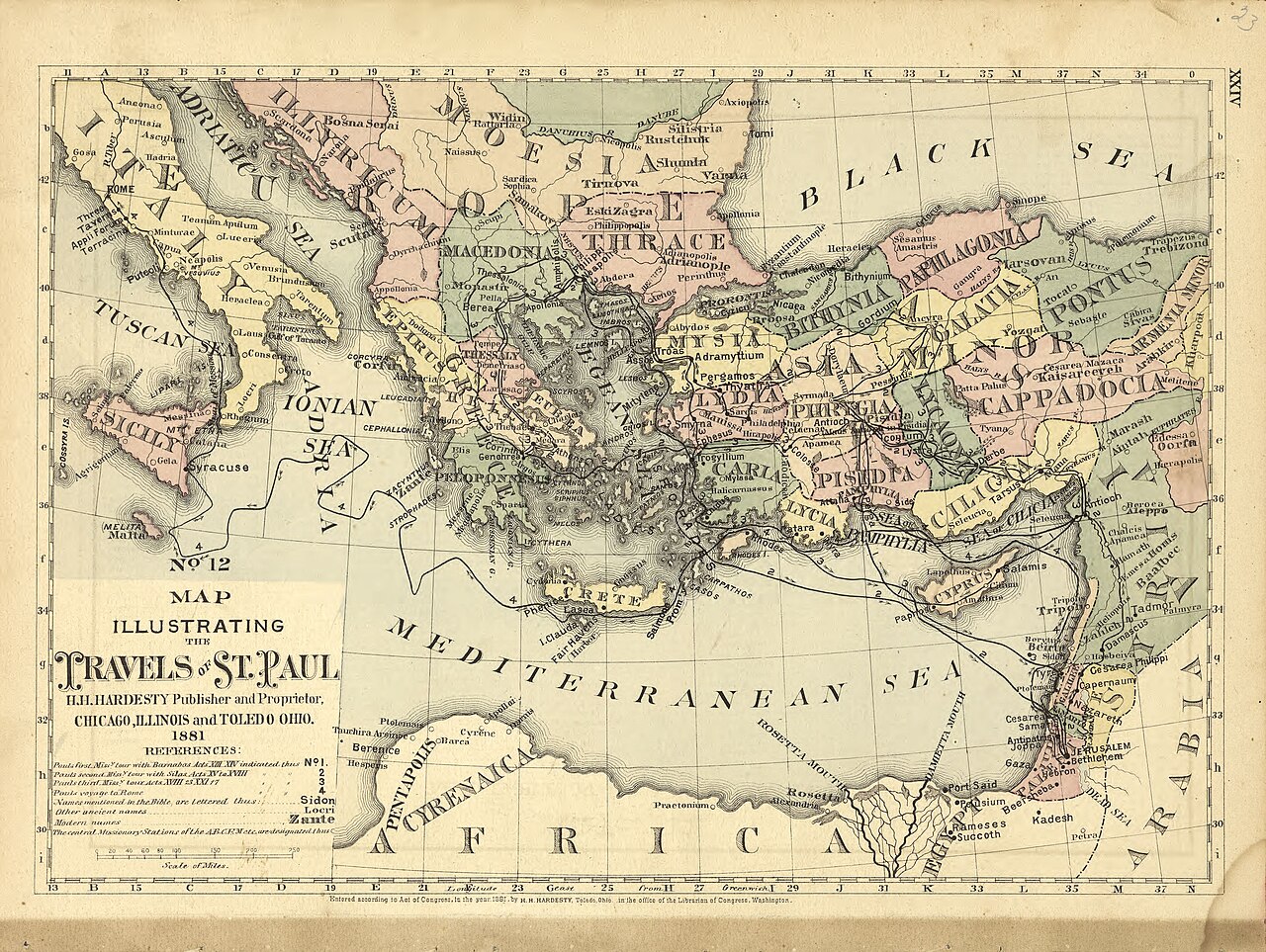
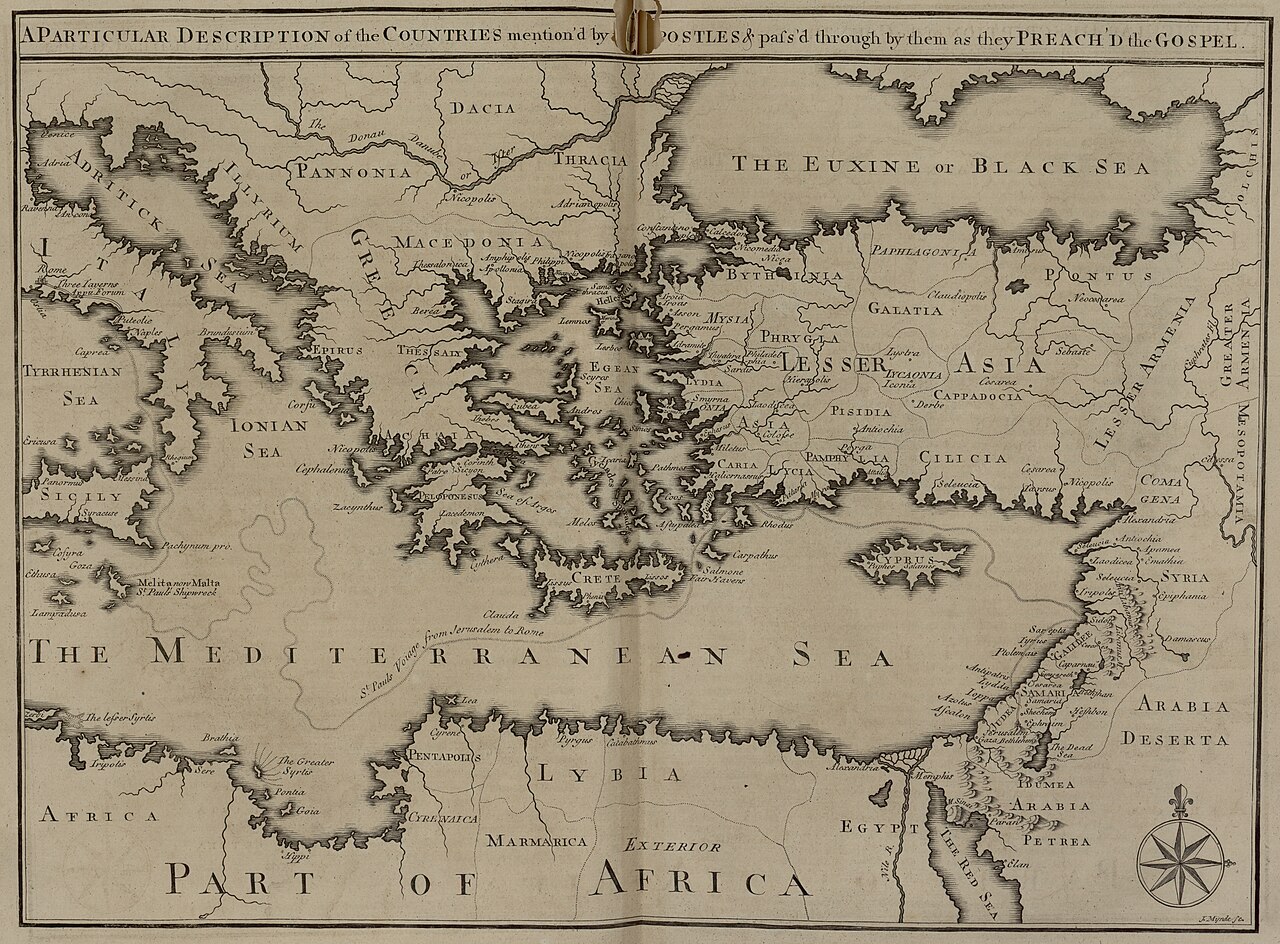
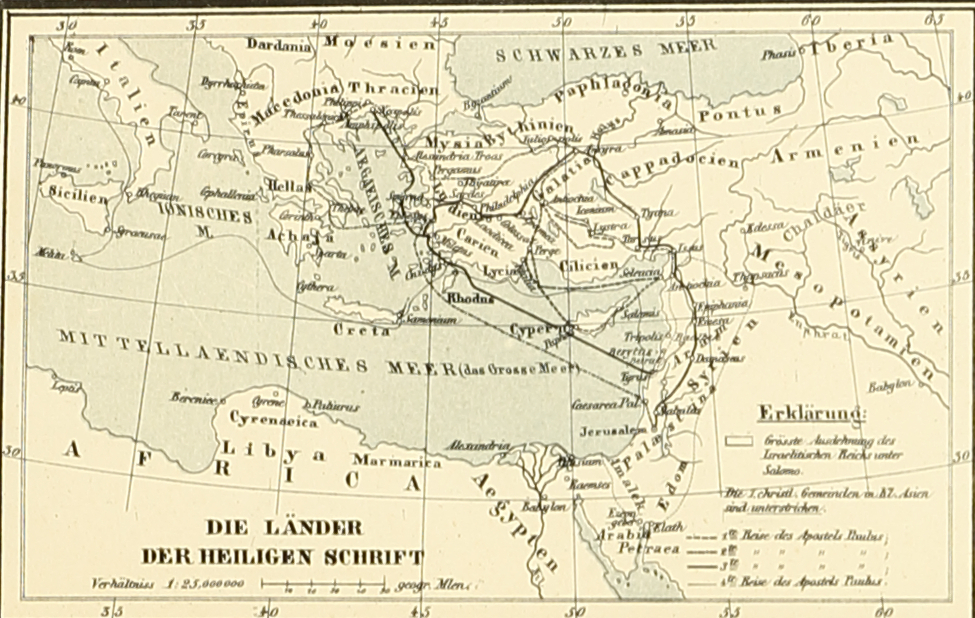
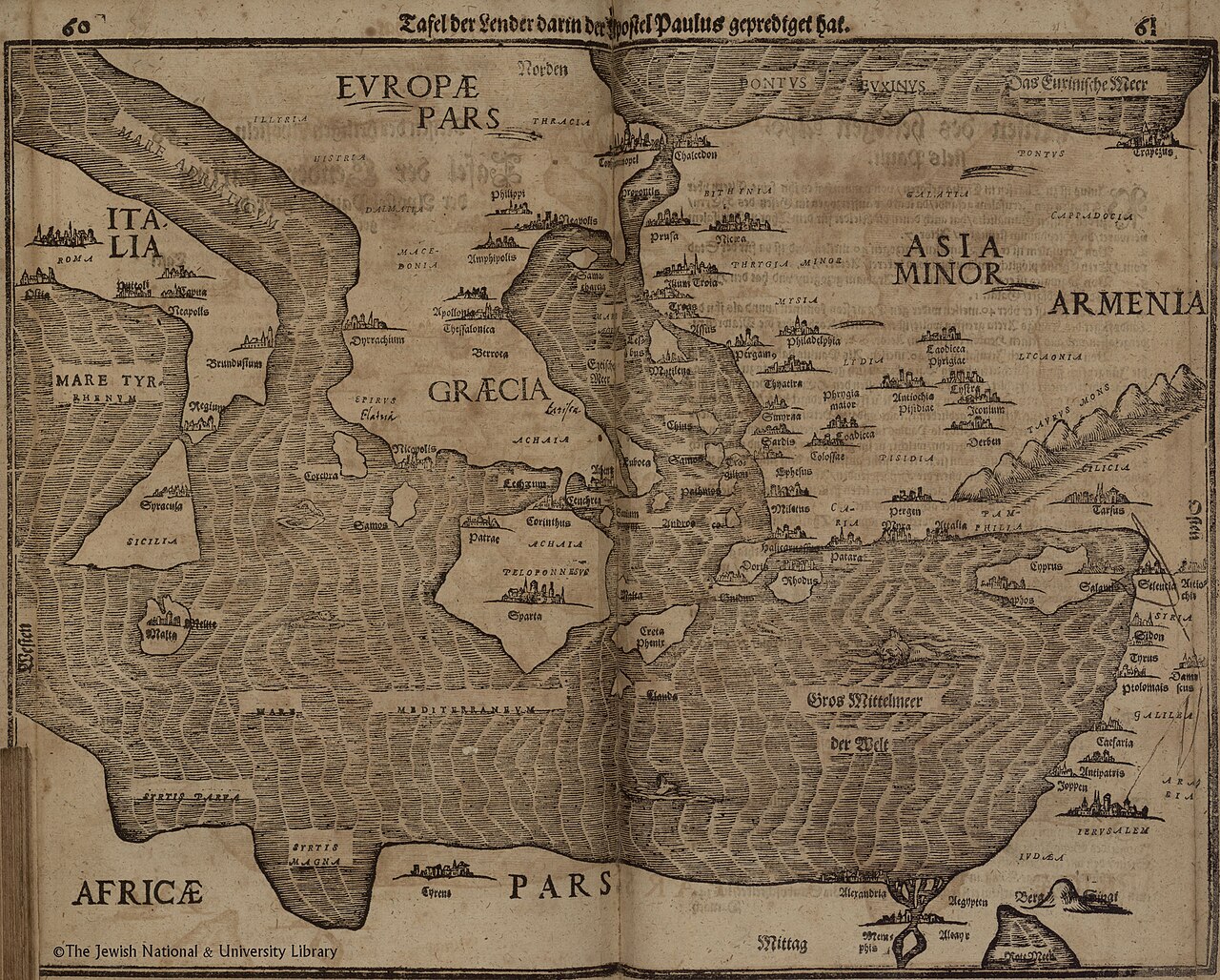
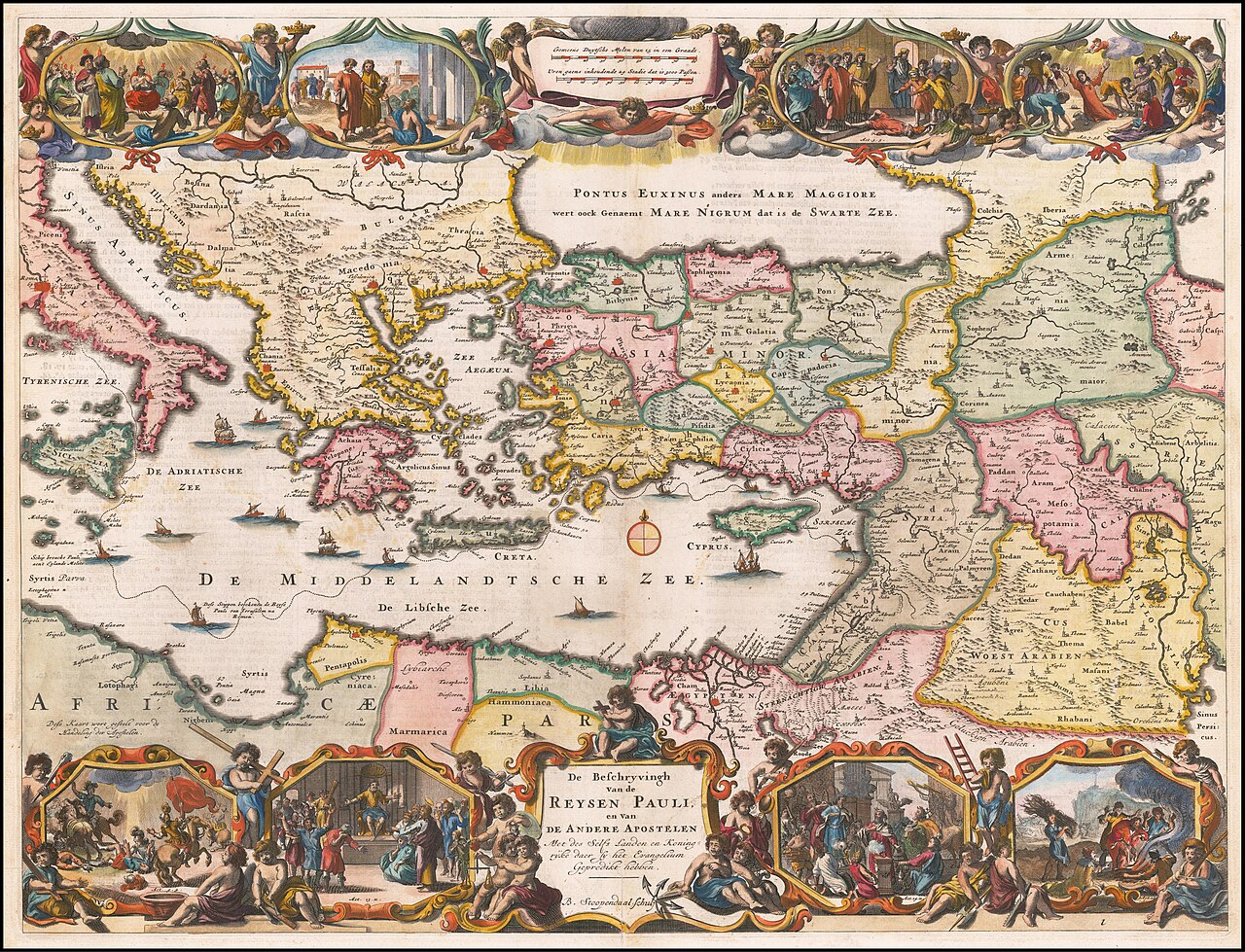
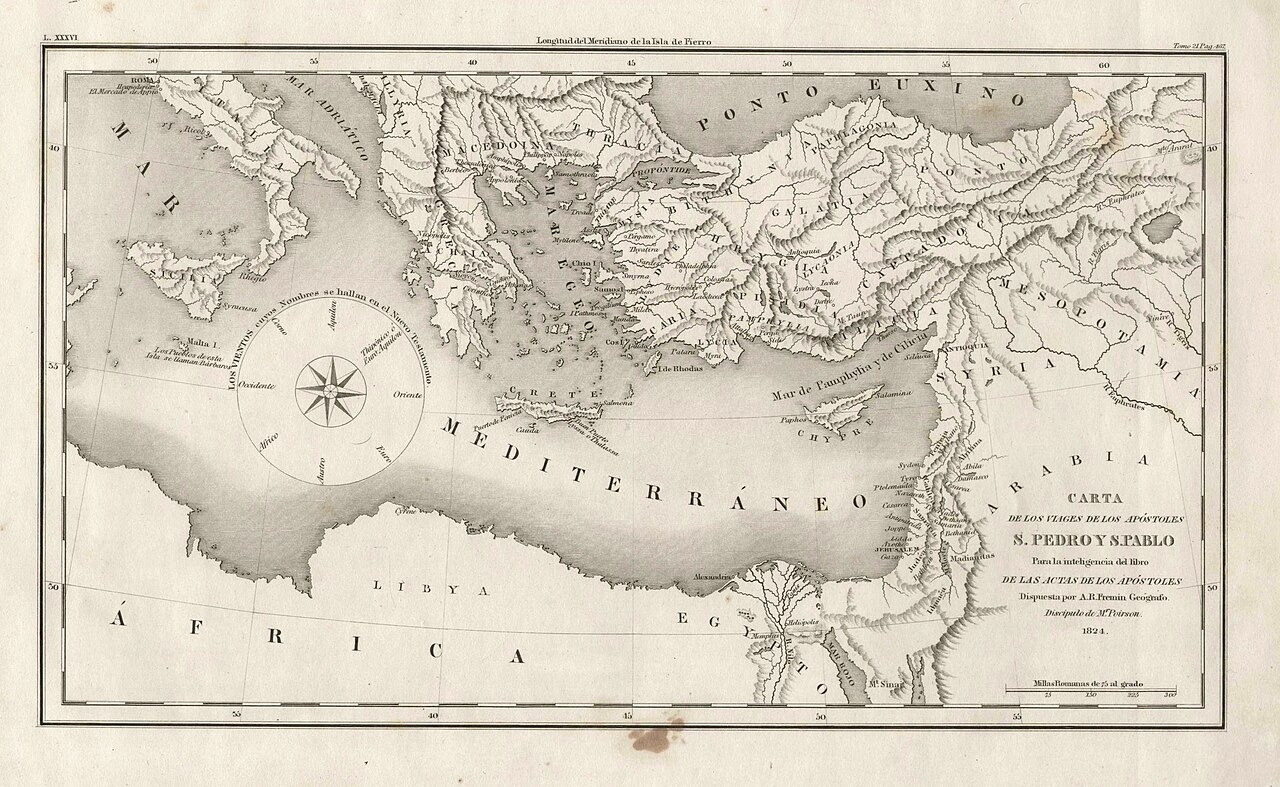
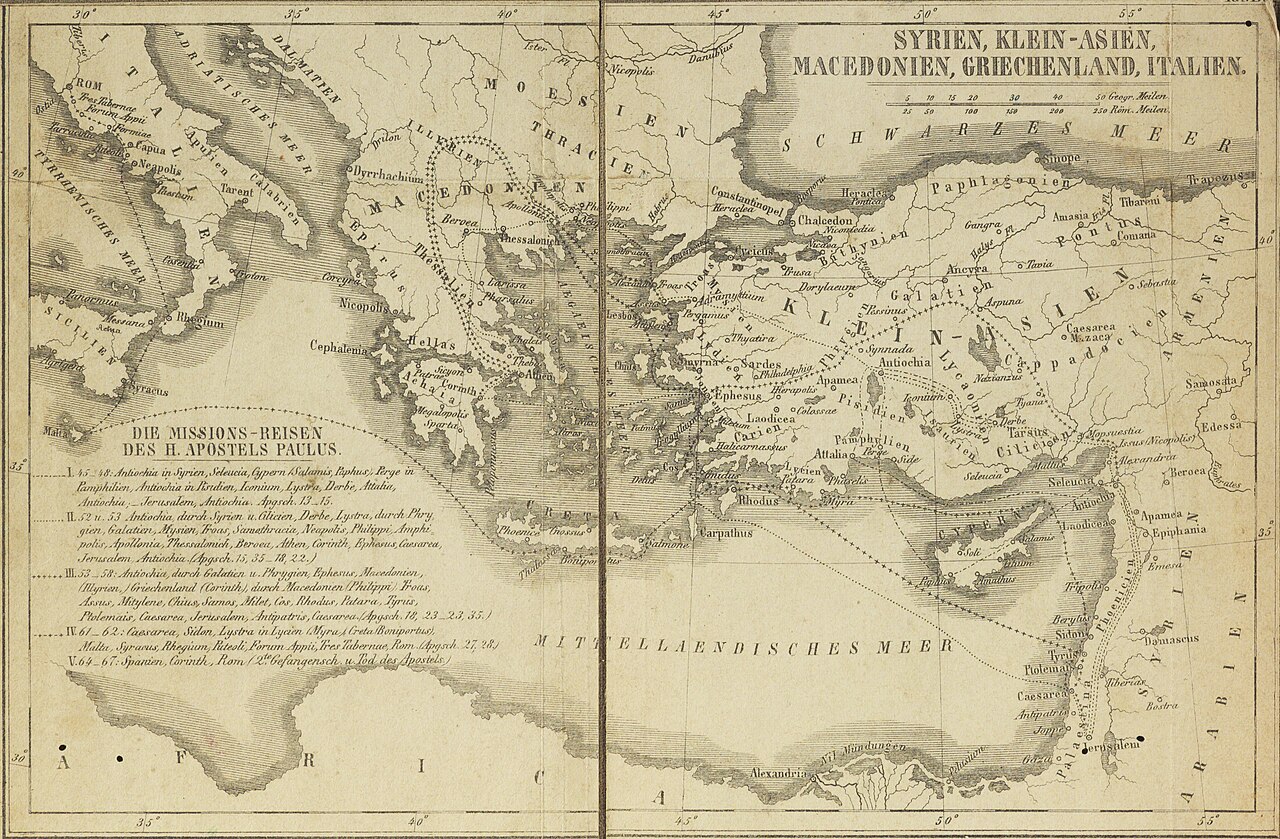
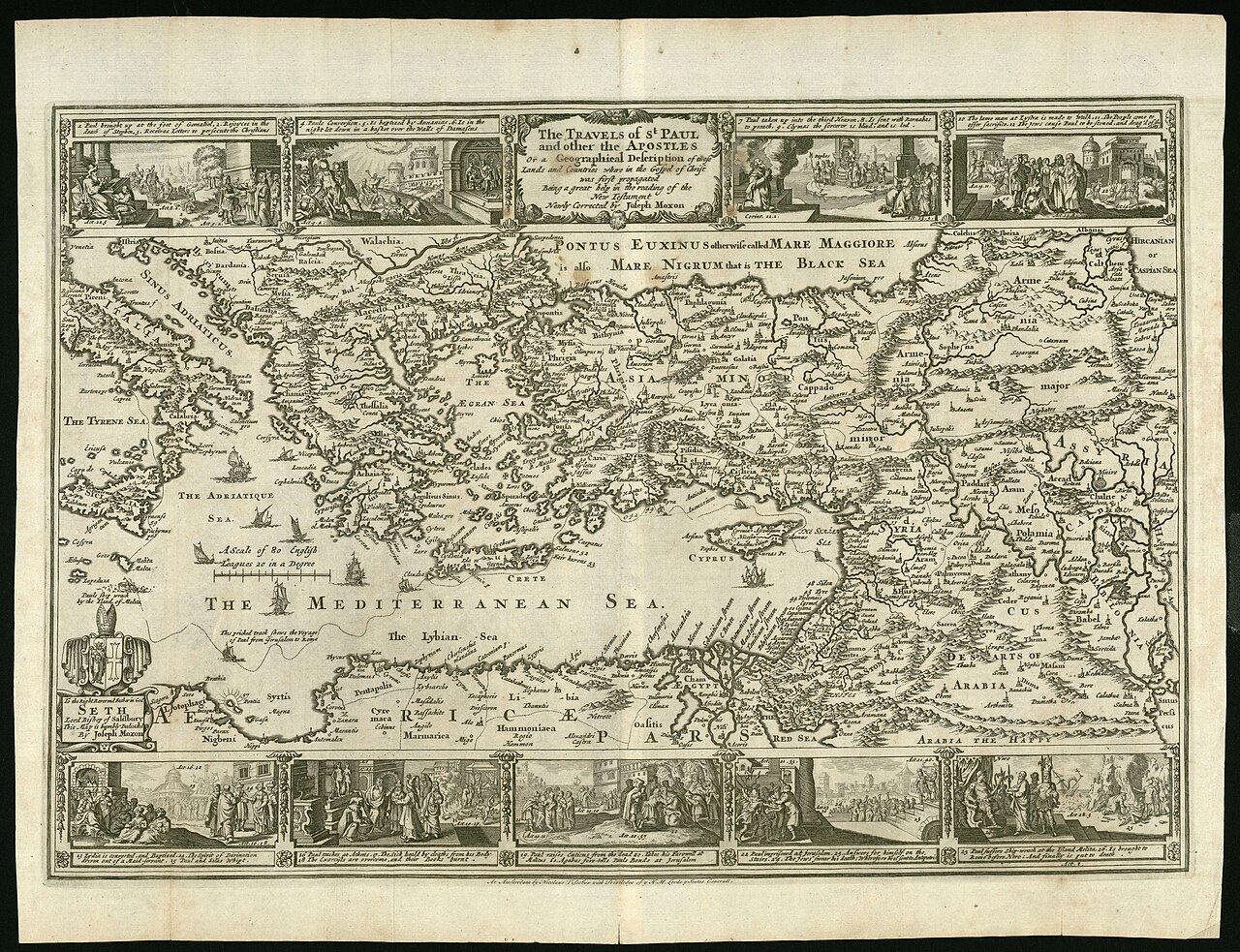
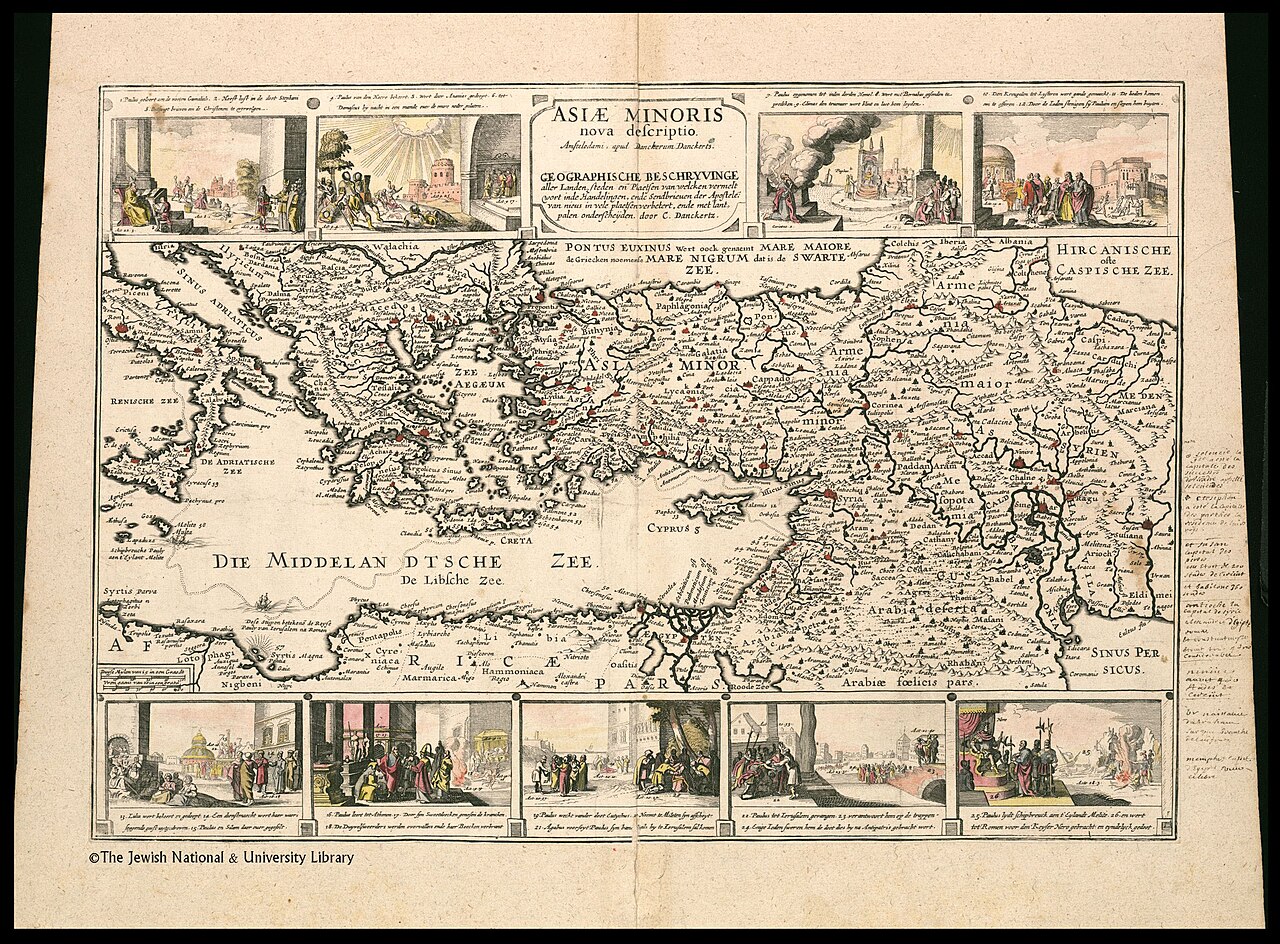
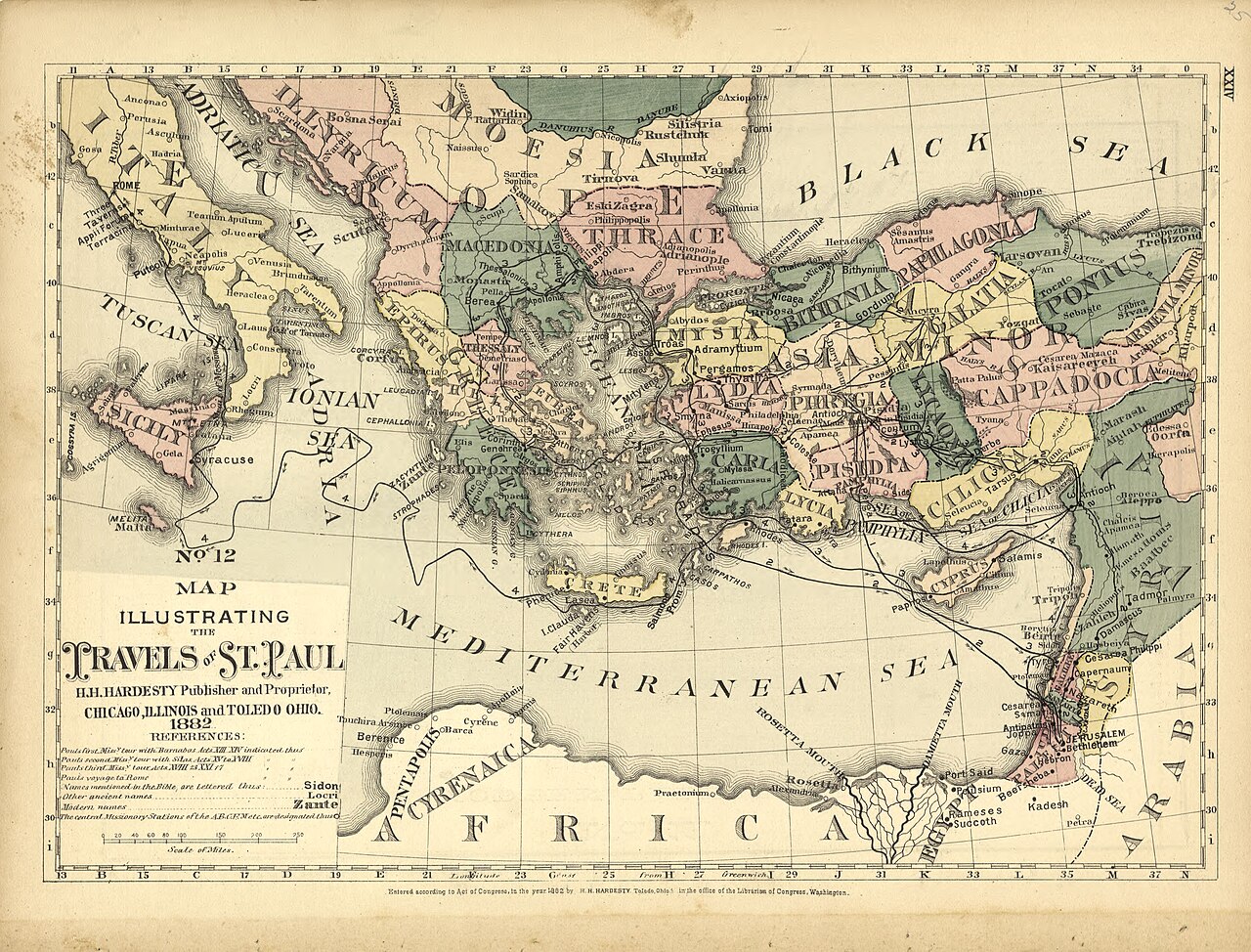
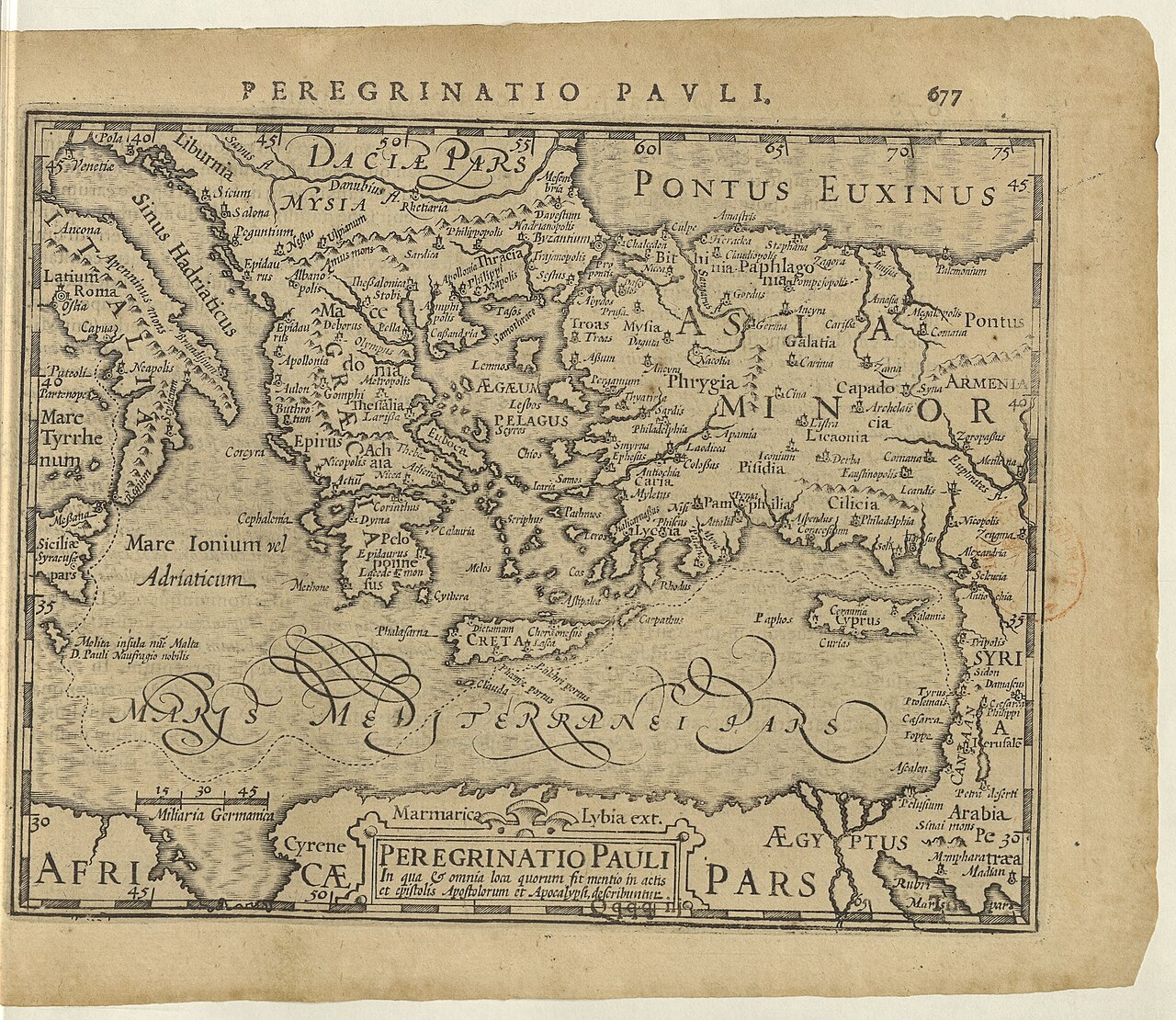
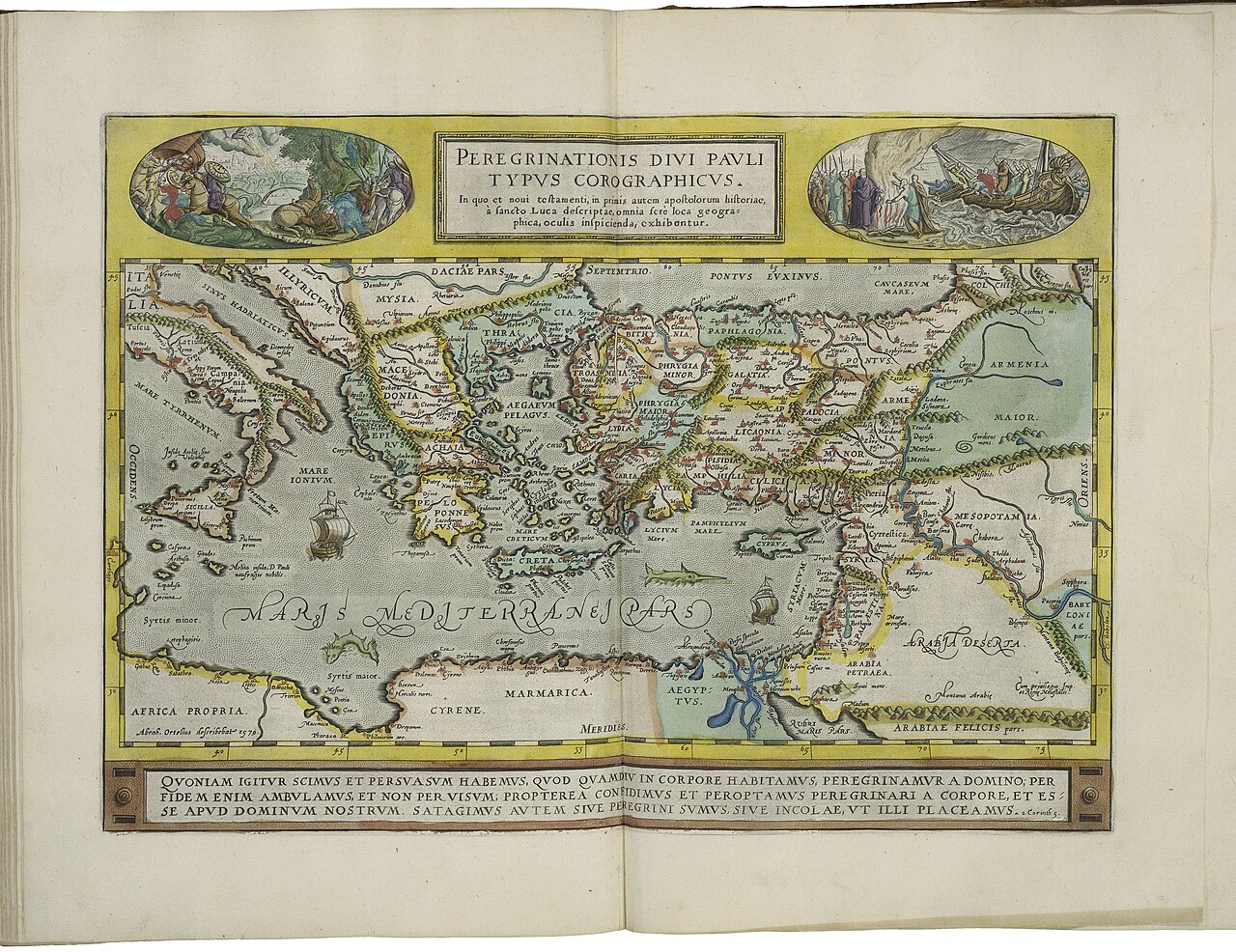
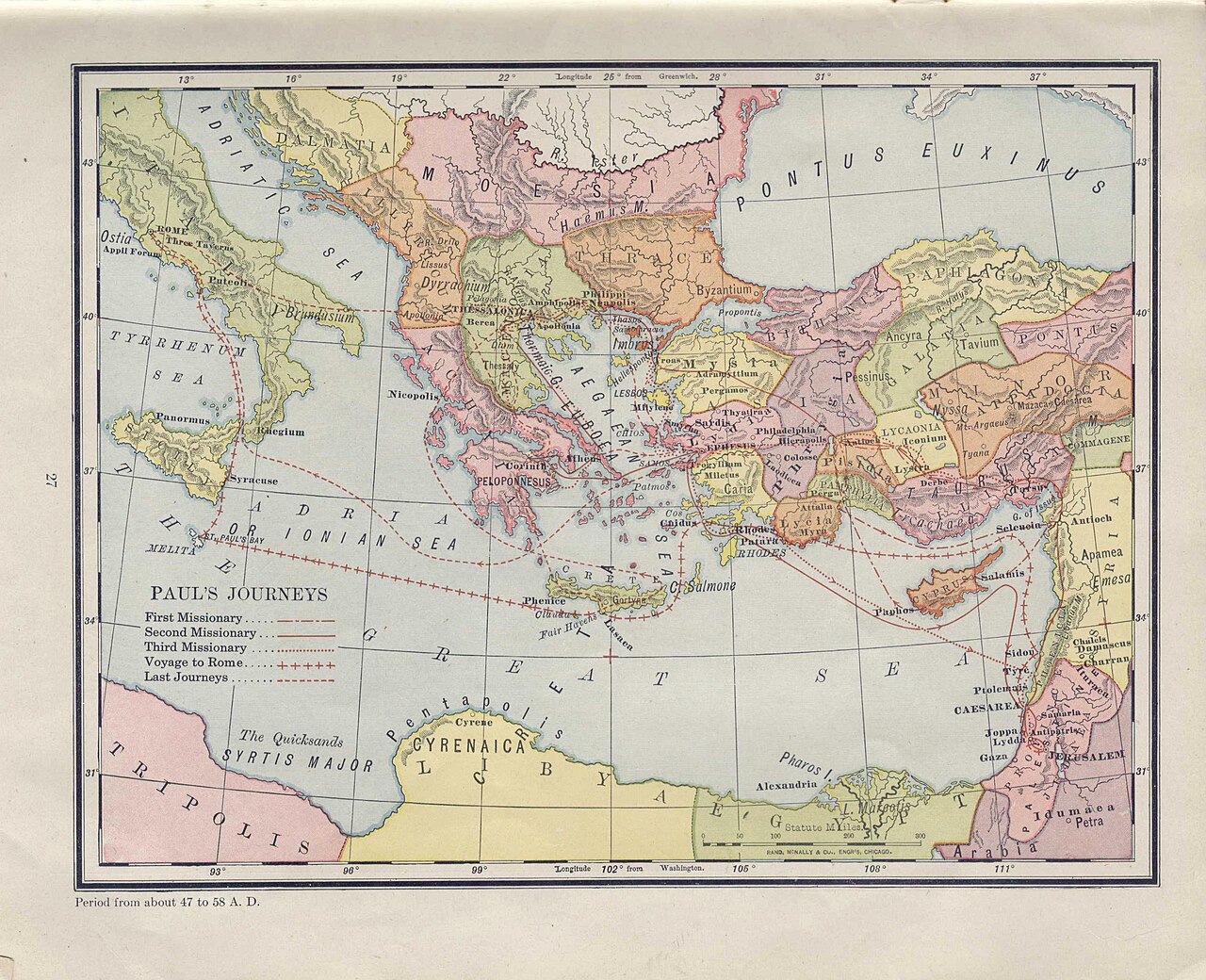
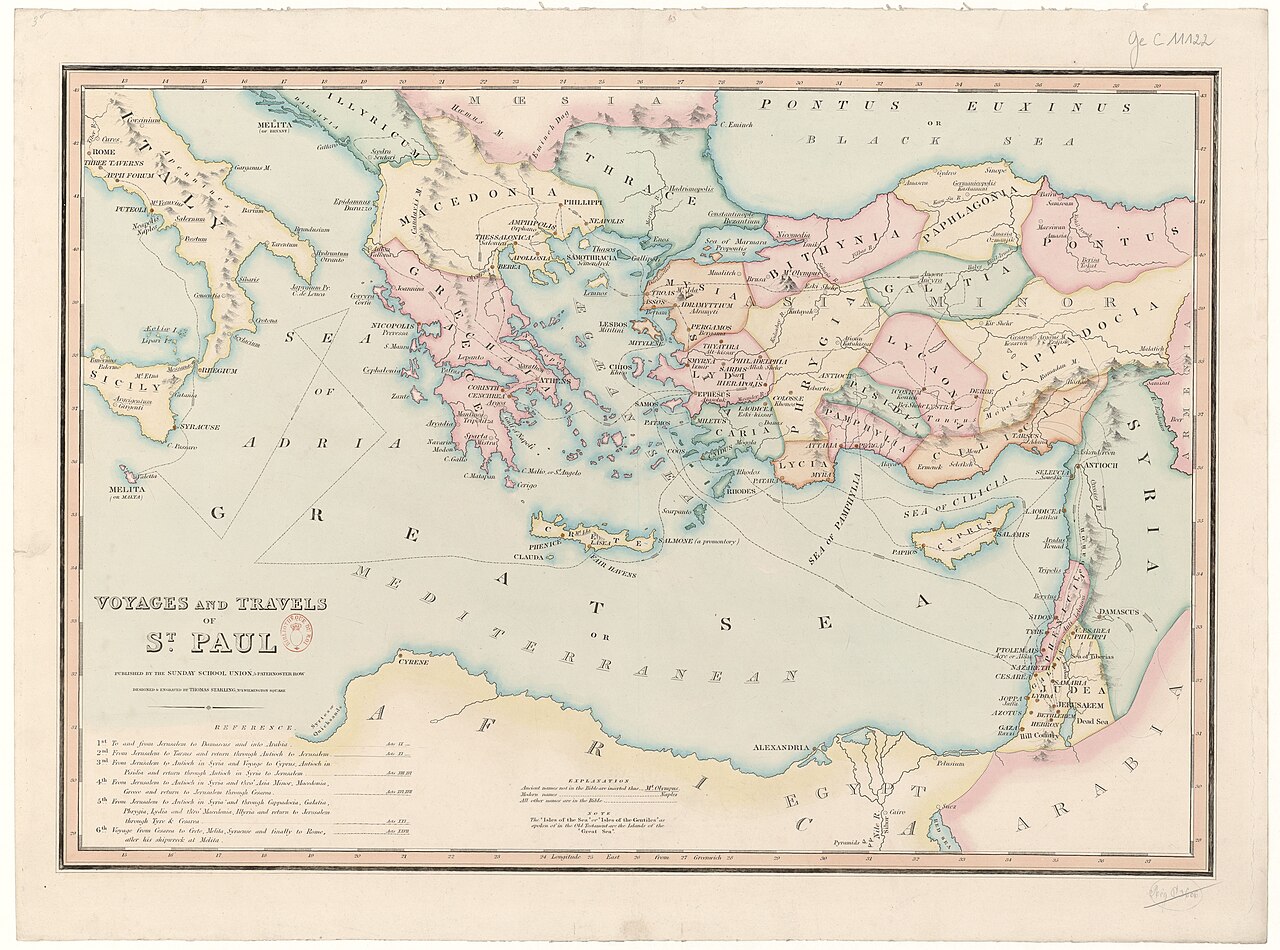
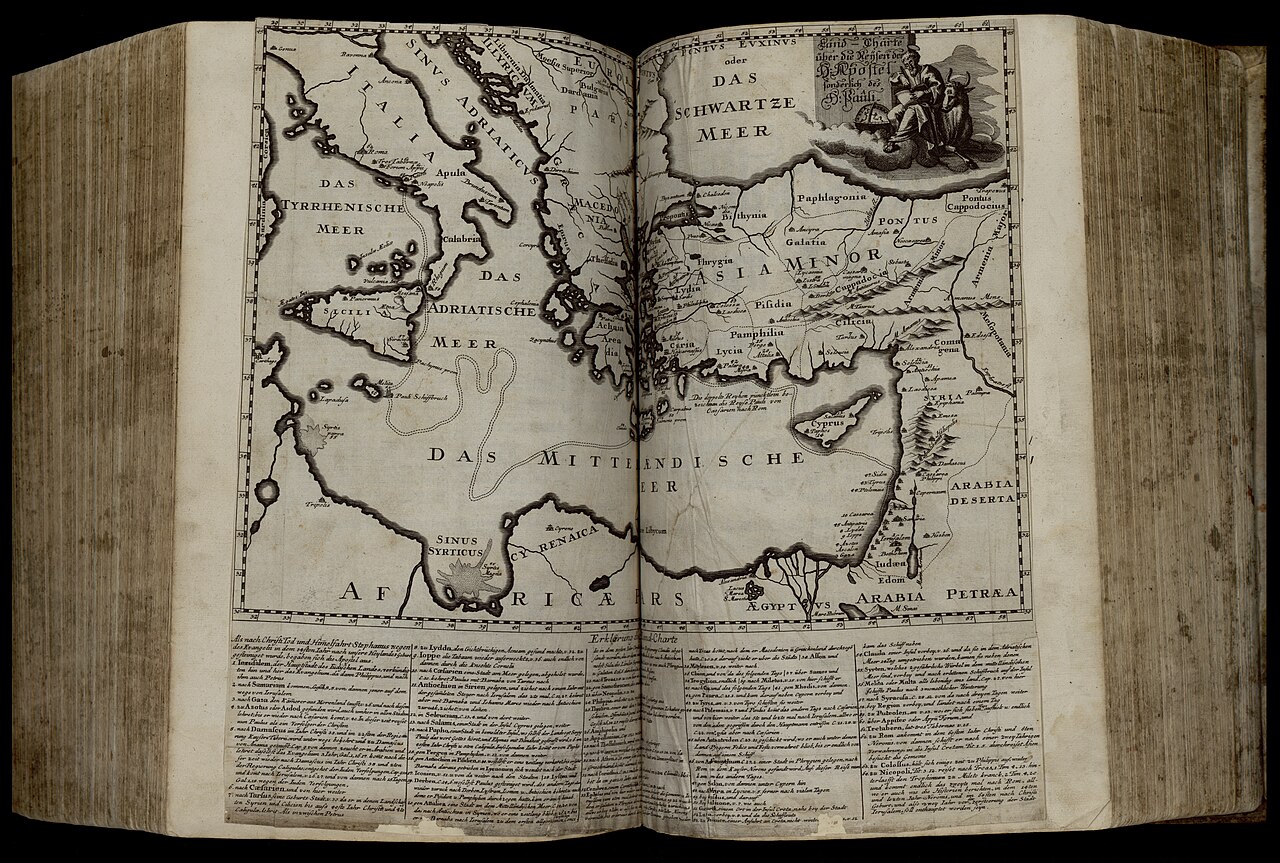
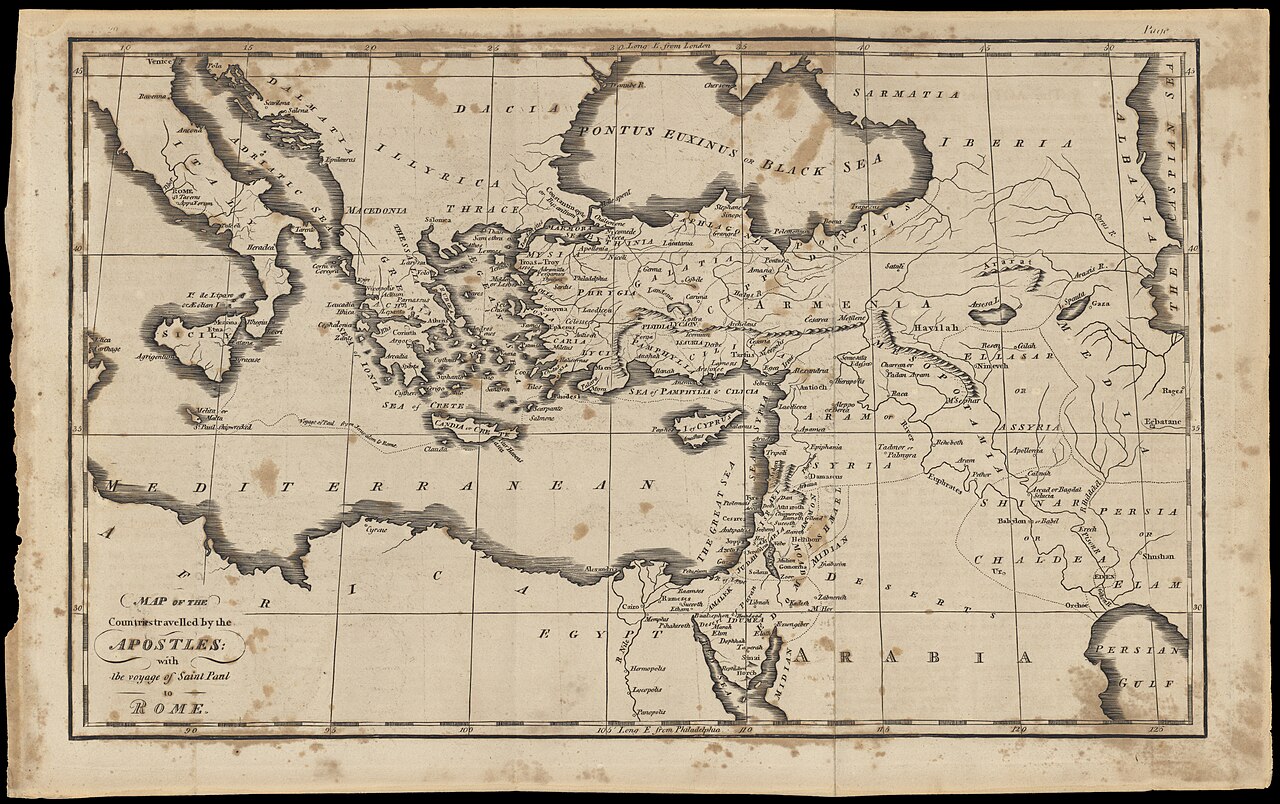
Paul
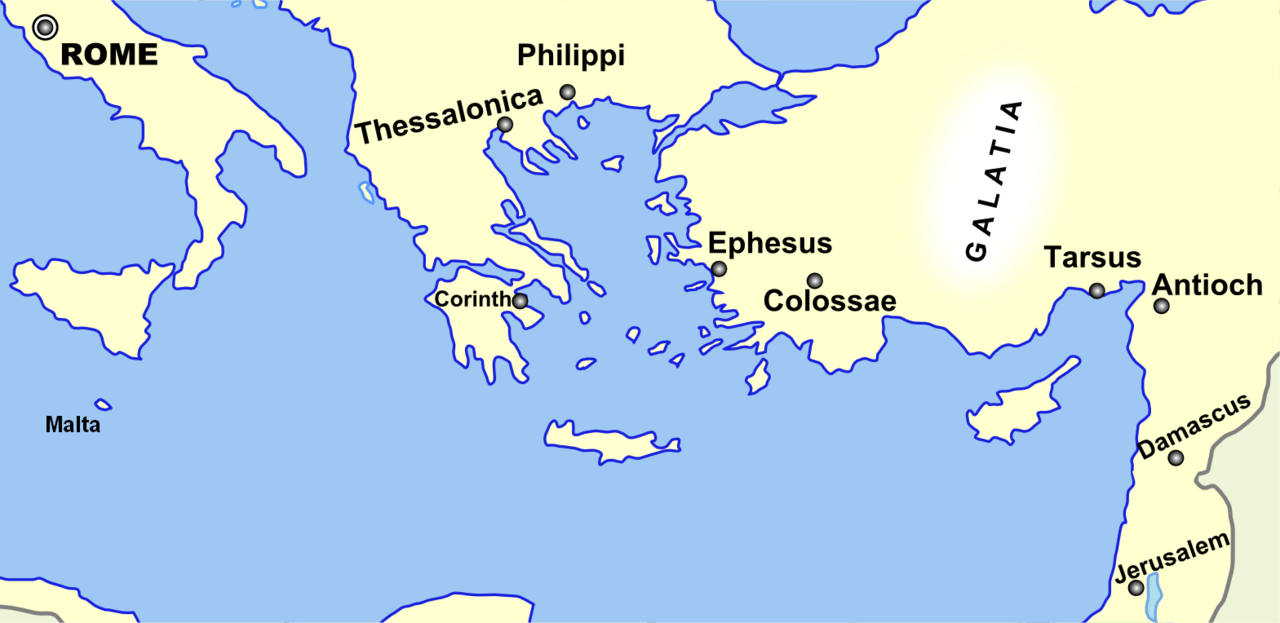
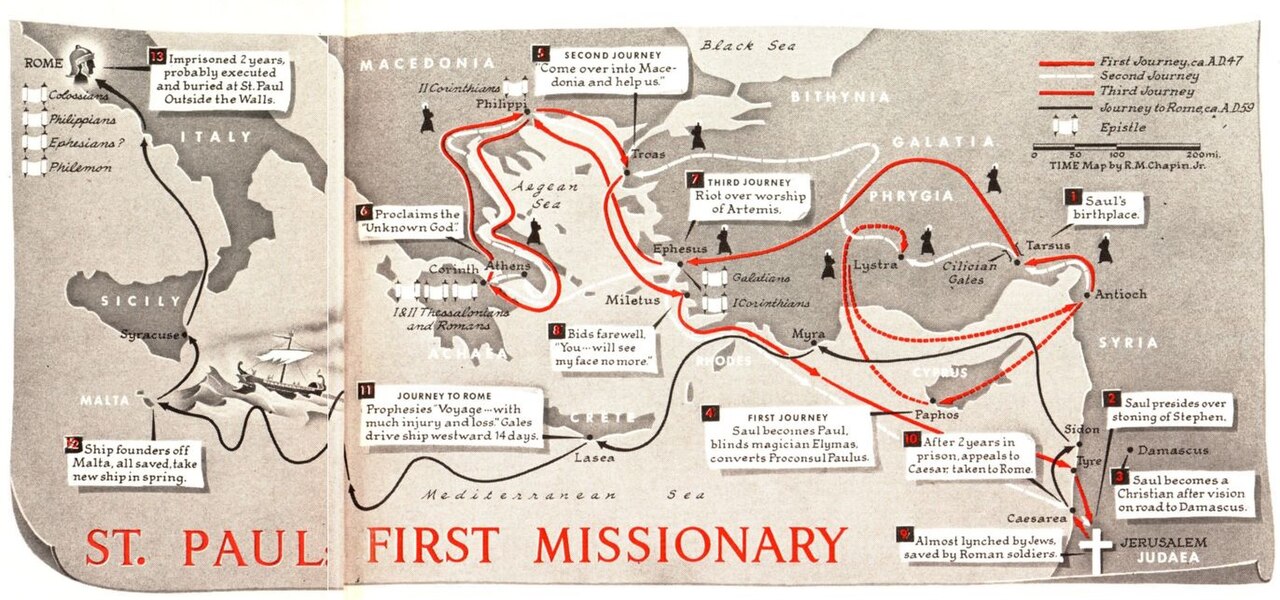
Paul, also called Saul, is the Jewish apostle whose activities connect communities across the eastern Roman world with Rome. He identifies himself as born in Tarsus in Cilicia, educated in Jerusalem under Gamaliel, and belonging to the tribe of Benjamin. His Roman citizenship is stated as acquired by birth. The sources include mission narratives, reported legal hearings and letters in which he explains his commission and relationships. Acts 22:3-16 Acts 22:25-29 Phil 3:4-11 Acts 13:5-12 (Paul confronts Elymas before Sergius Paulus)
Paul’s commission is described alongside his reception into the believing community. Ananias approaches the former persecutor as a brother and takes part in restoring his sight and baptism. Paul’s own account attributes his gospel and apostleship to revelation from Jesus Christ. The two passages thus distinguish Ananias’s role in receiving Paul from the origin Paul claims for his message. Study of 31 July 2018 Acts 9:1-22 Gal 1:1-24
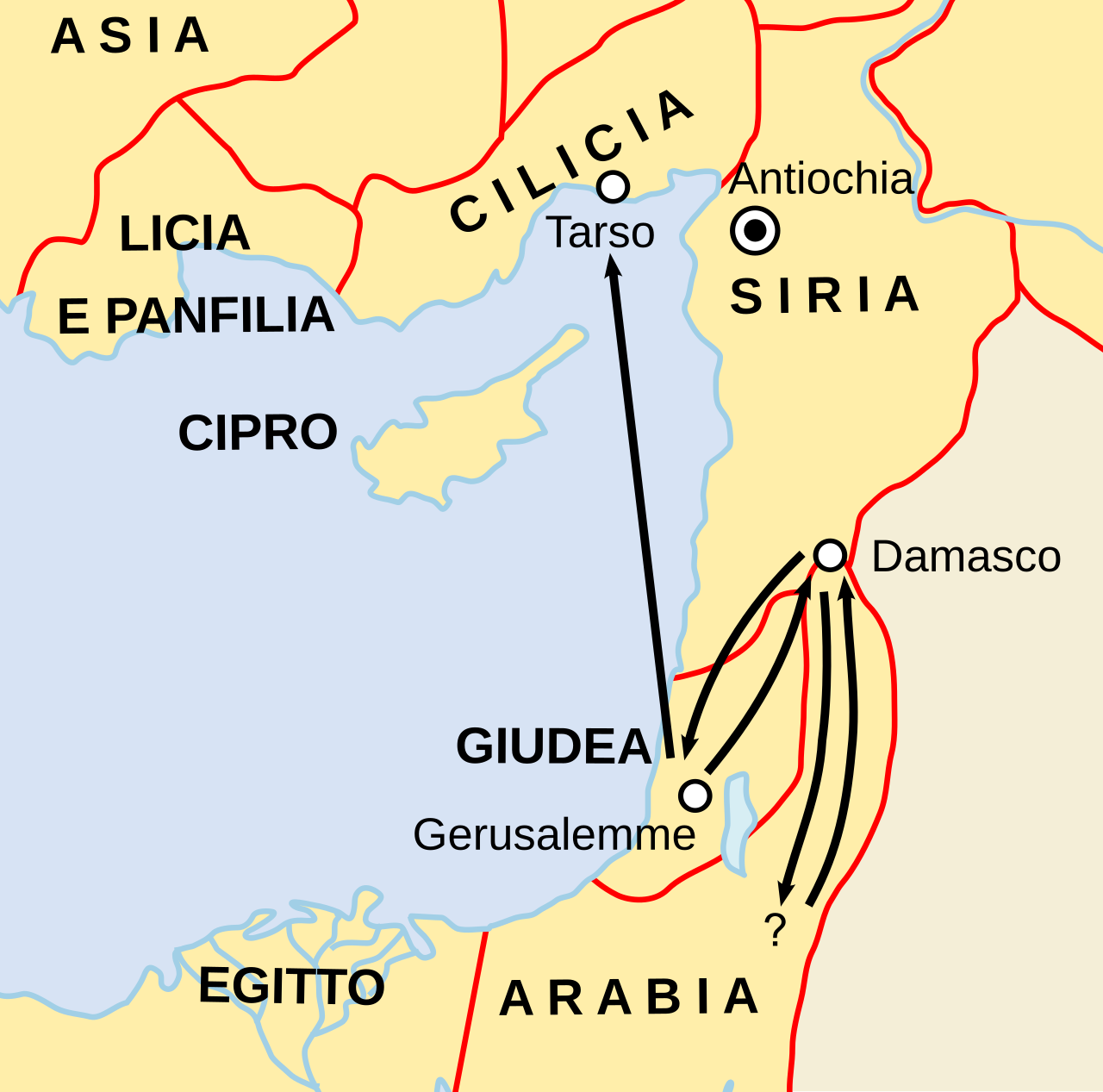
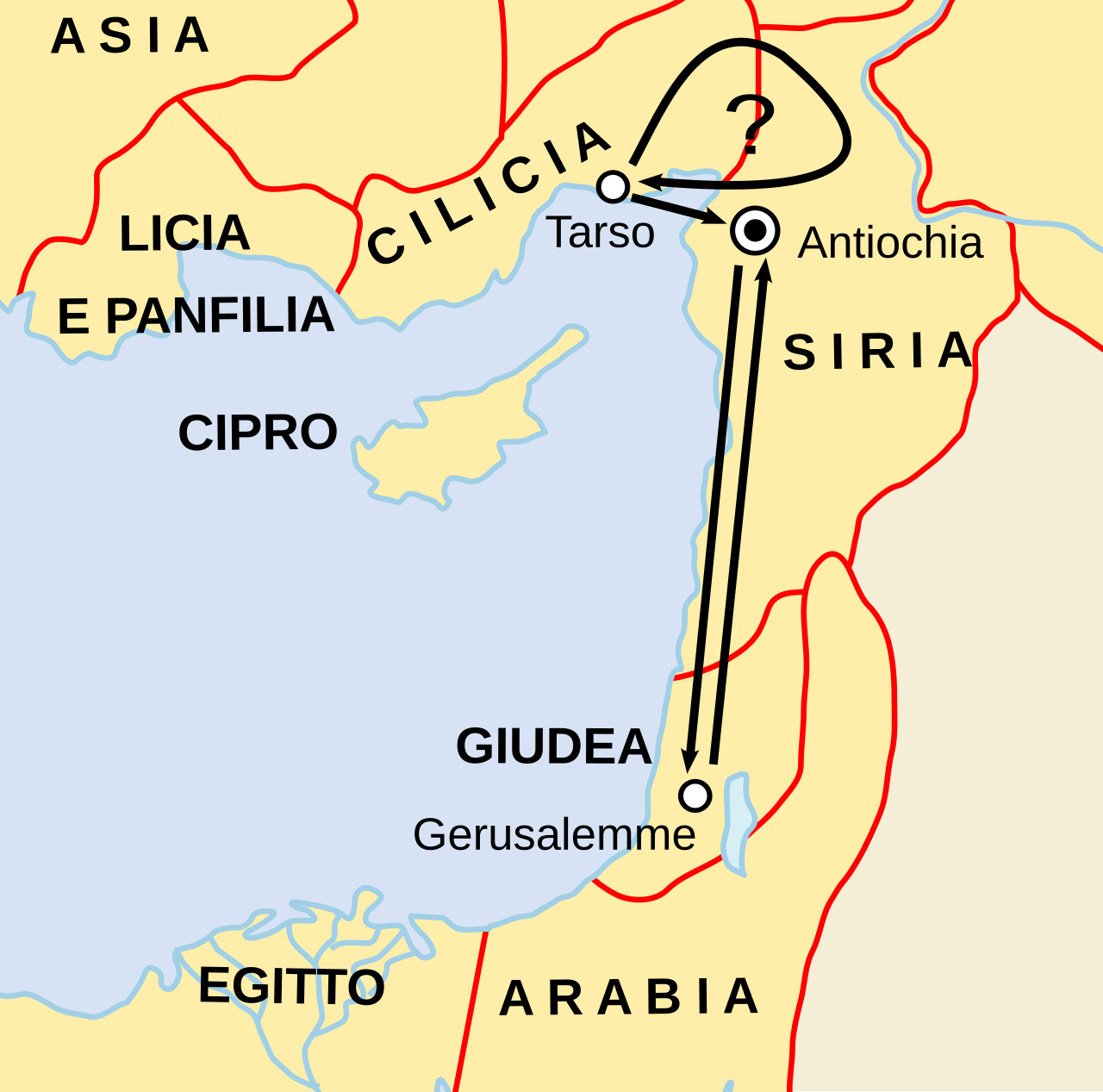
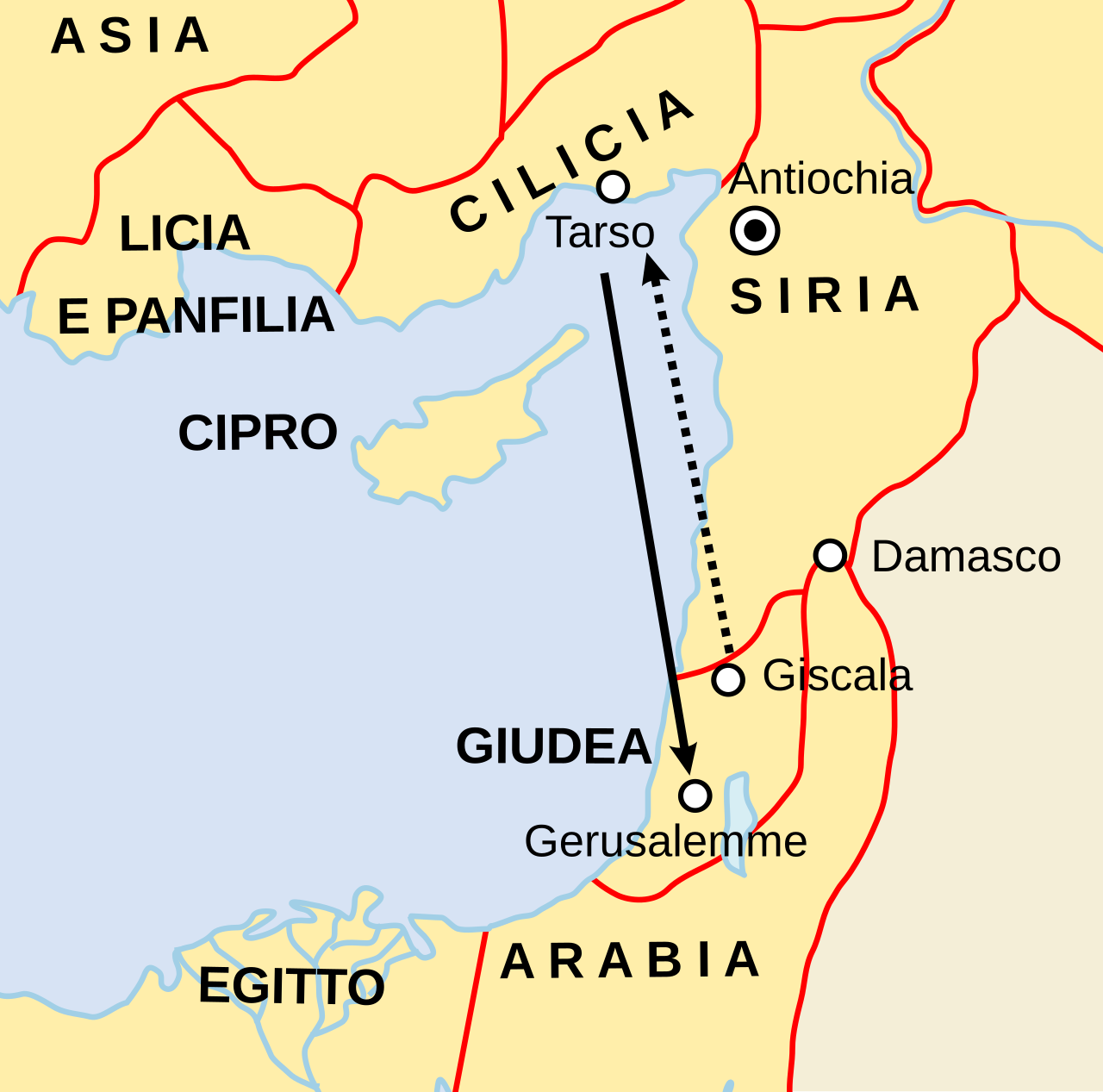
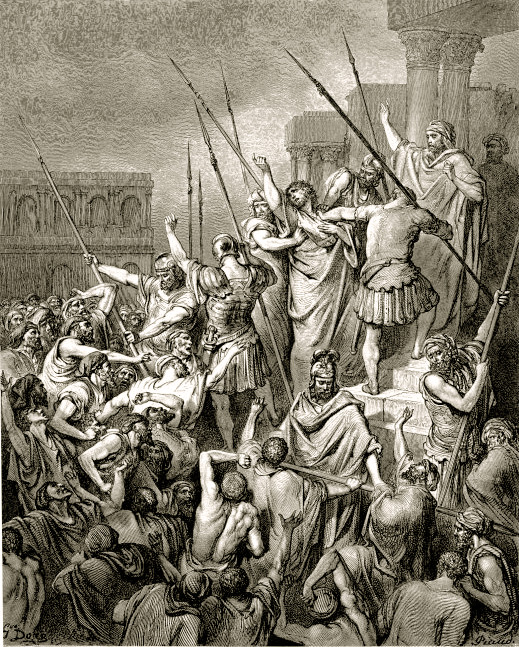
His earlier conduct is explicitly recorded. At Stephen’s killing, witnesses leave their garments at Saul’s feet, and he approves the death. The subsequent persecution includes imprisonment of men and women. The encounter with Jesus on the way to Damascus redirects that activity; Ananias visits him at Judas’s house on Straight Street. Barnabas later introduces him to the apostles in Jerusalem. Paul’s first-person account adds Arabia, a return to Damascus, and a three-year marker before meeting Peter and James, identified as Jesus’ brother. Its later fourteen-year marker concerns a visit with Barnabas and Titus. These are source-specific intervals, not a complete absolute calendar. Acts 7:54-60 Acts 8:1-3 Acts 9:1-31 Gal 1:1-24 Gal 2:1-14 (Stephen is stoned) (Saul persecutes the church) (Saul is converted) (Paul escapes Damascus in a basket) (Barnabas introduces Paul to the apostles) (Paul confronts Peter at Antioch)
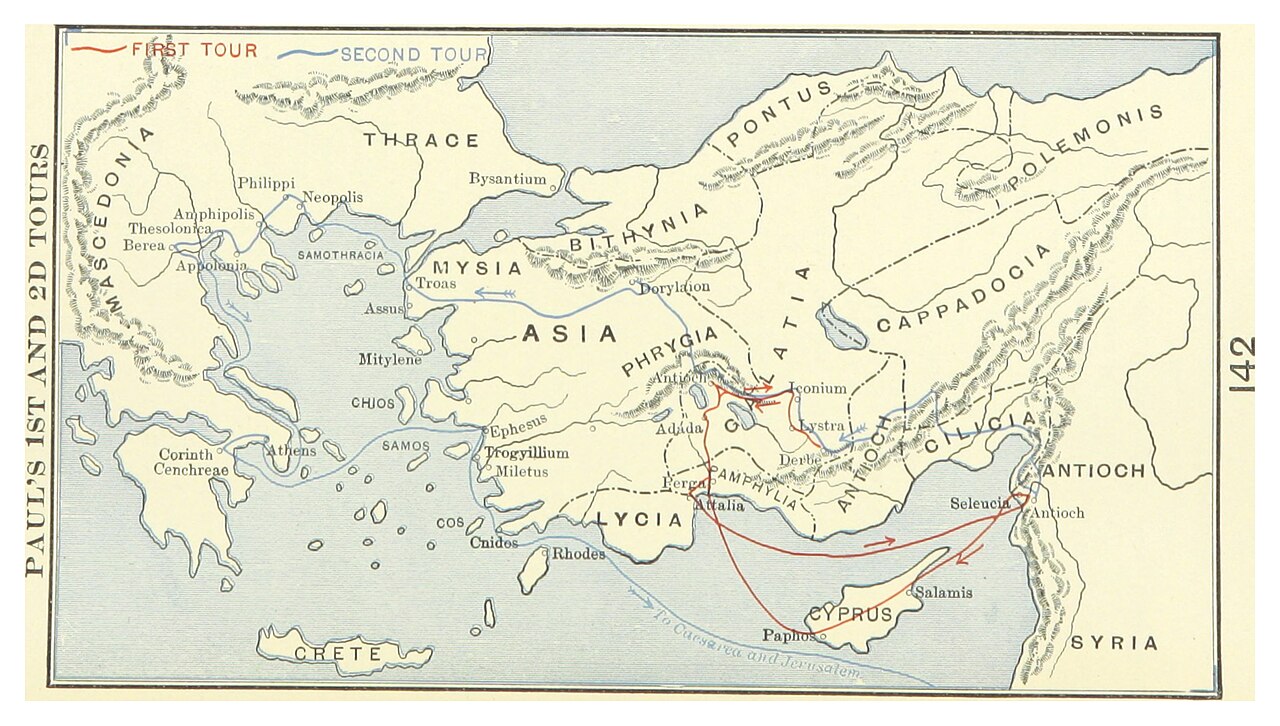
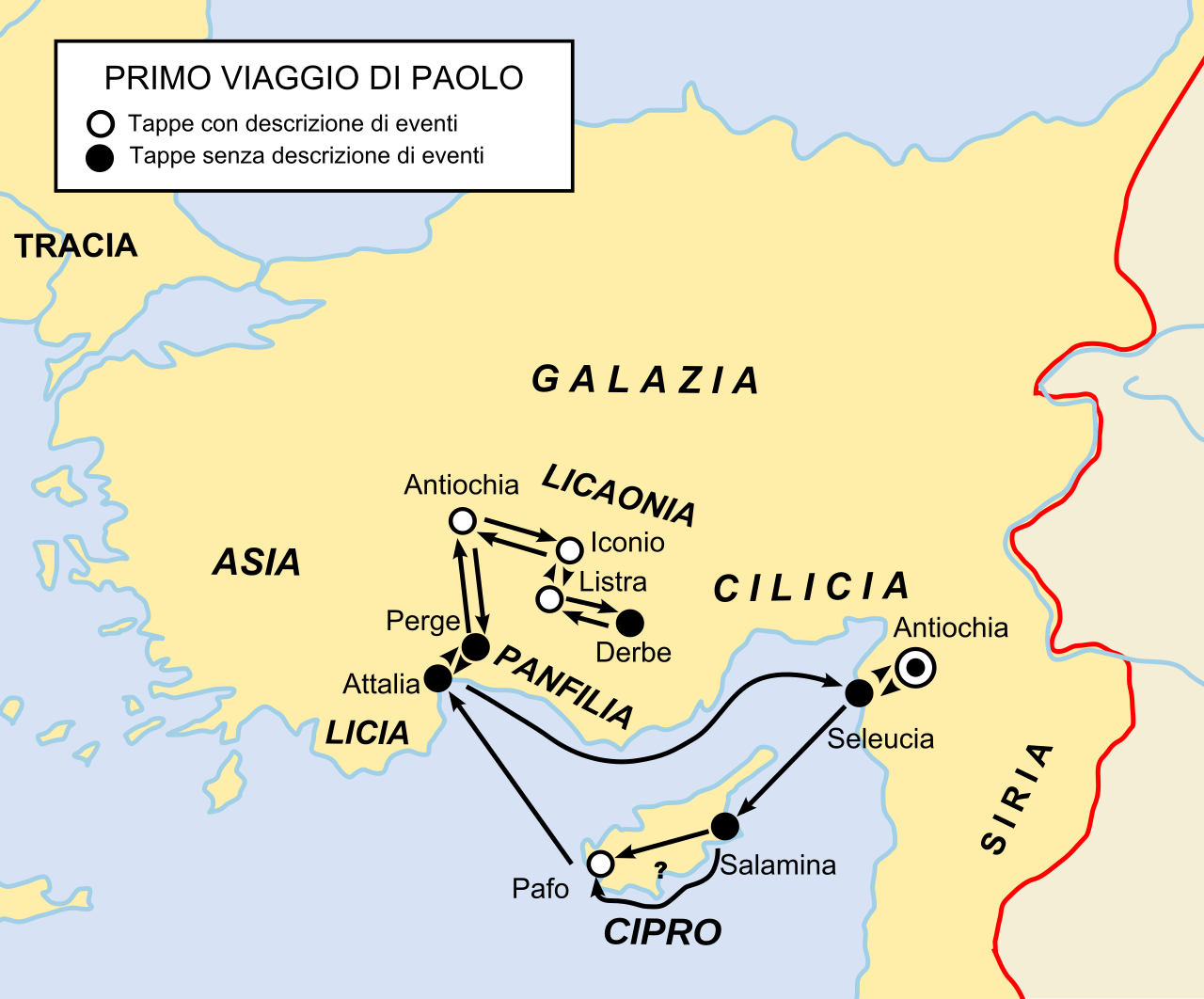
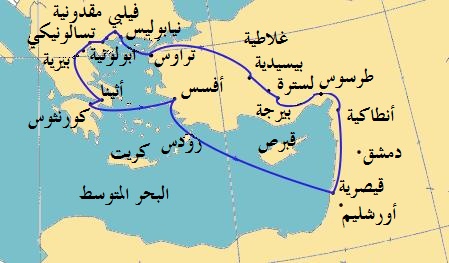
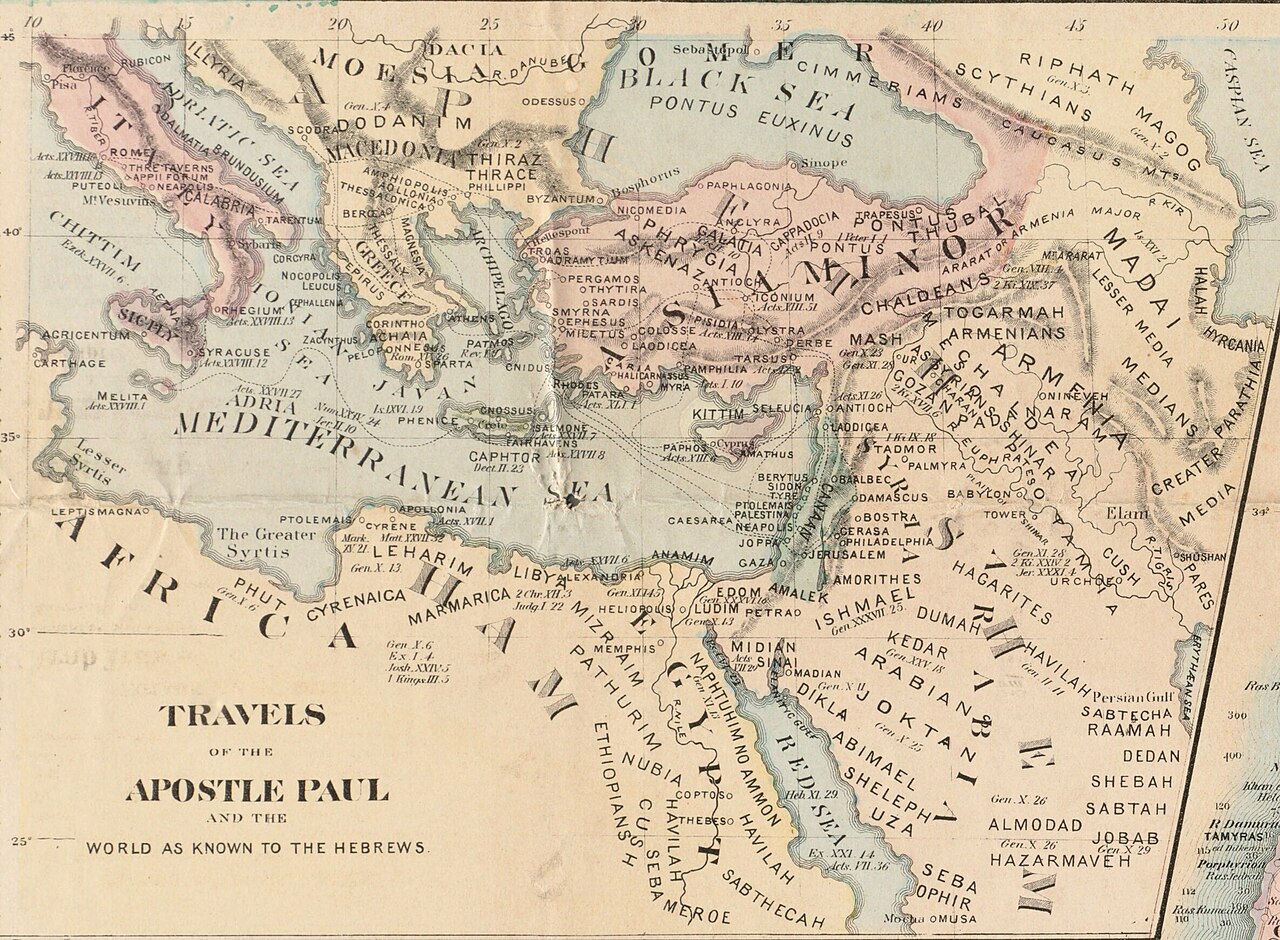
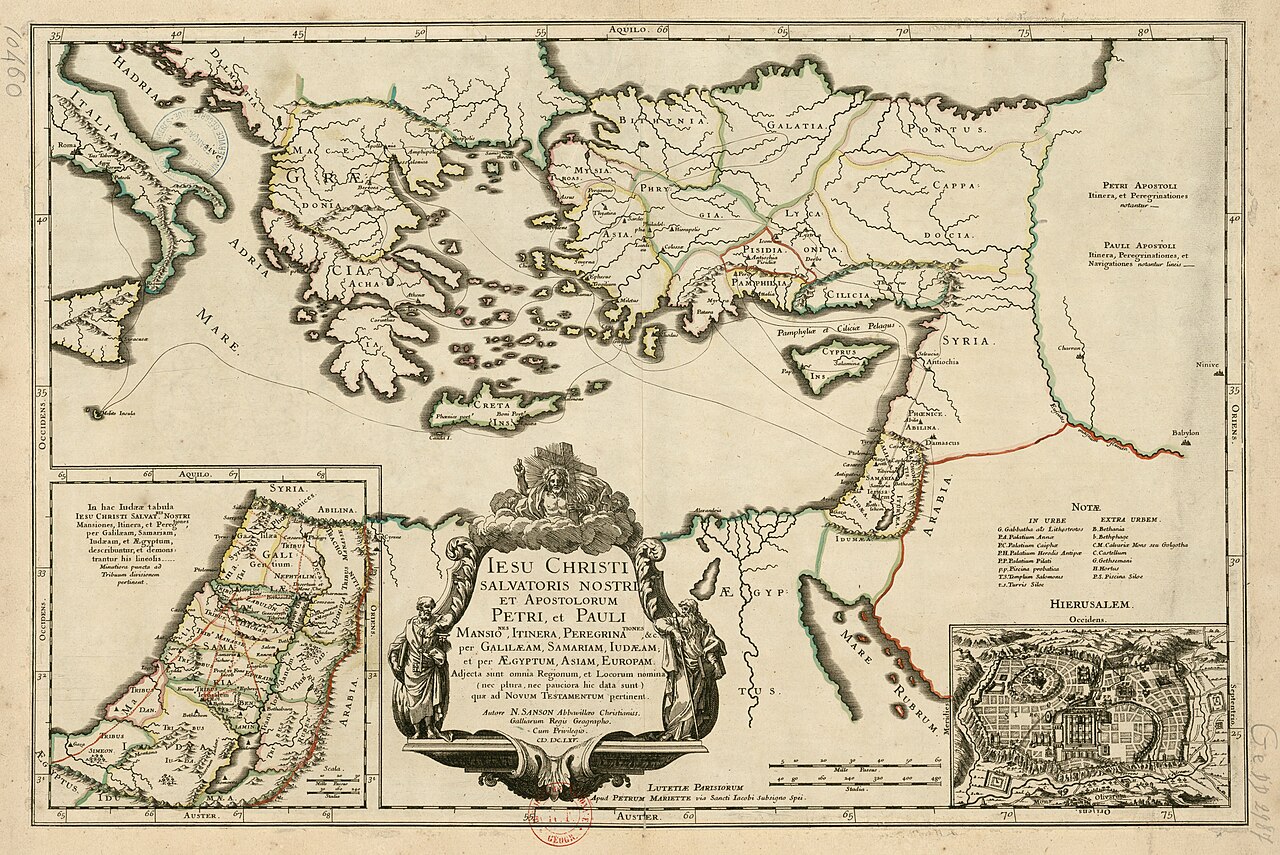
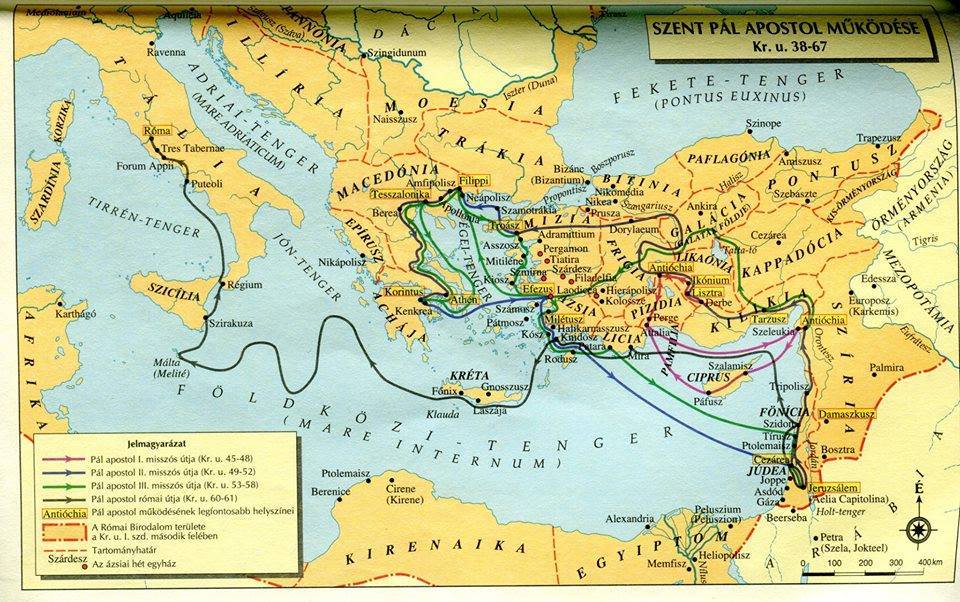
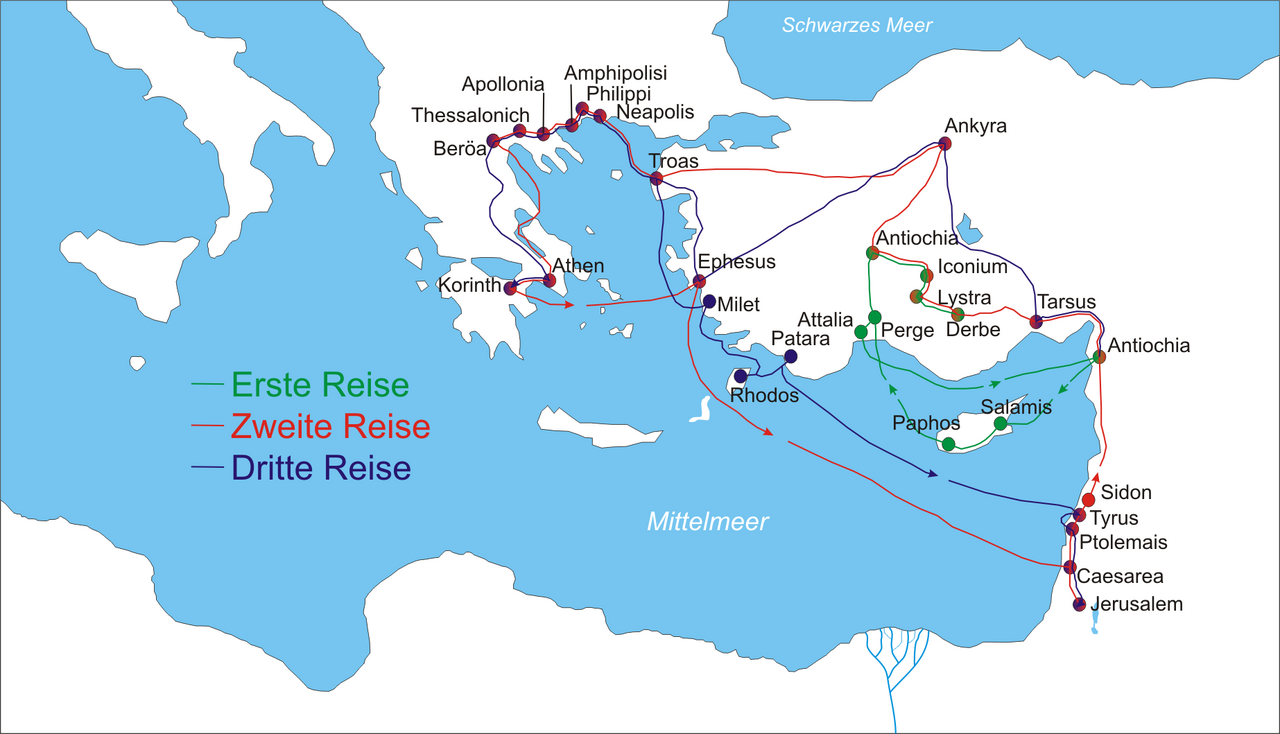
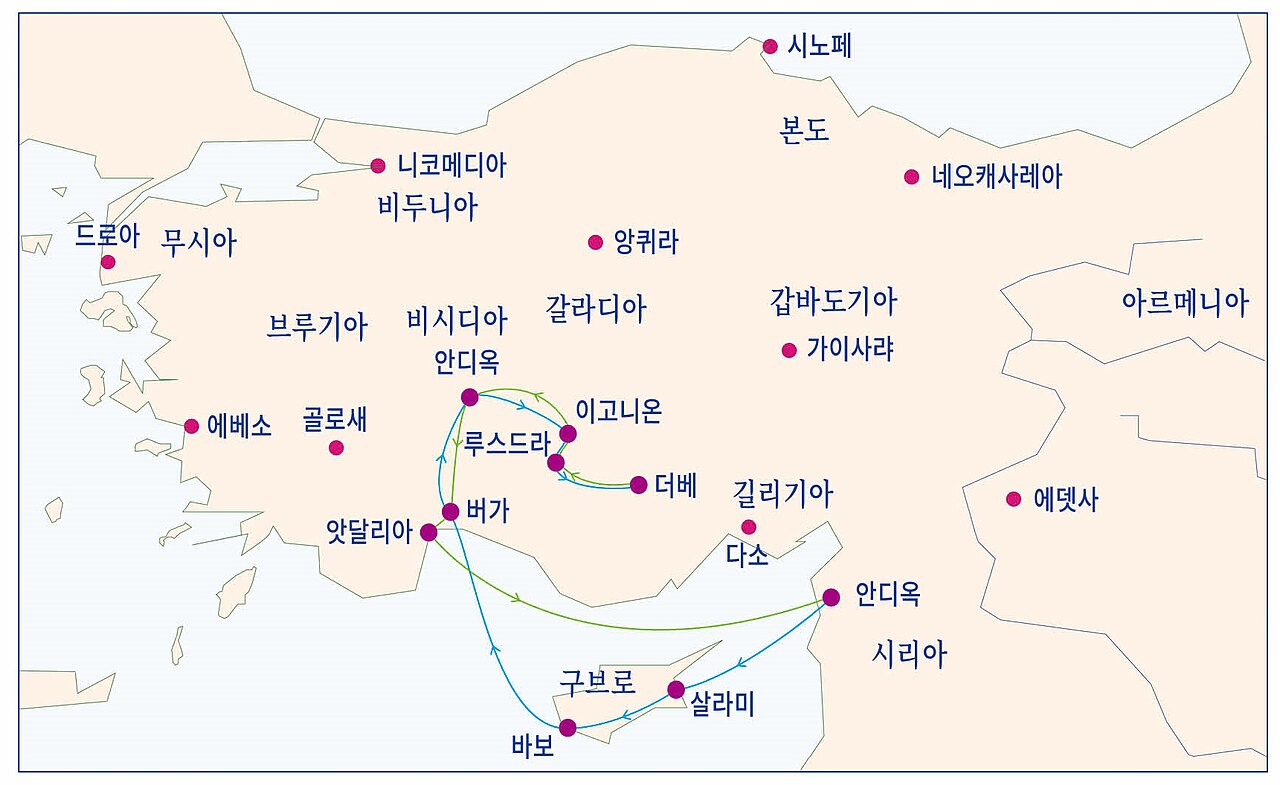
The sending community at Antioch in Syria names Barnabas, Simeon called Niger, Lucius of Cyrene, and Manaen, brought up with Herod the tetrarch, among its prophets and teachers. The account attributes the setting apart of Barnabas and Saul to the Holy Spirit. On Cyprus, John Mark assists the mission, Sergius Paulus hears the message, and Elymas, also named Bar-jesus, opposes it. Here the narrative explicitly pairs Saul with the name Paul. The proconsul and the apostle are separate people despite their related name forms. Acts 13:1-12 Acts 15:1-41 (Barnabas and Saul go to Cyprus) (Jerusalem Council) (Paul and Barnabas part ways)
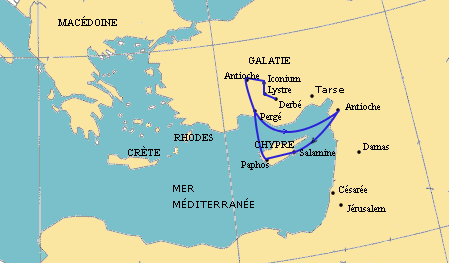
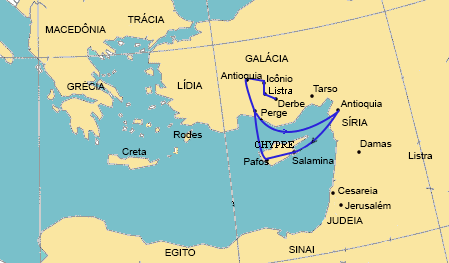
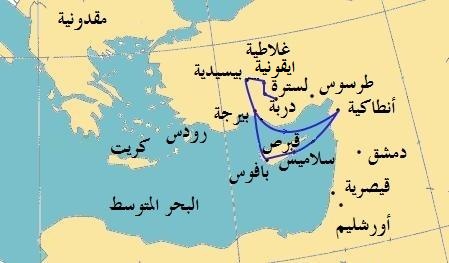
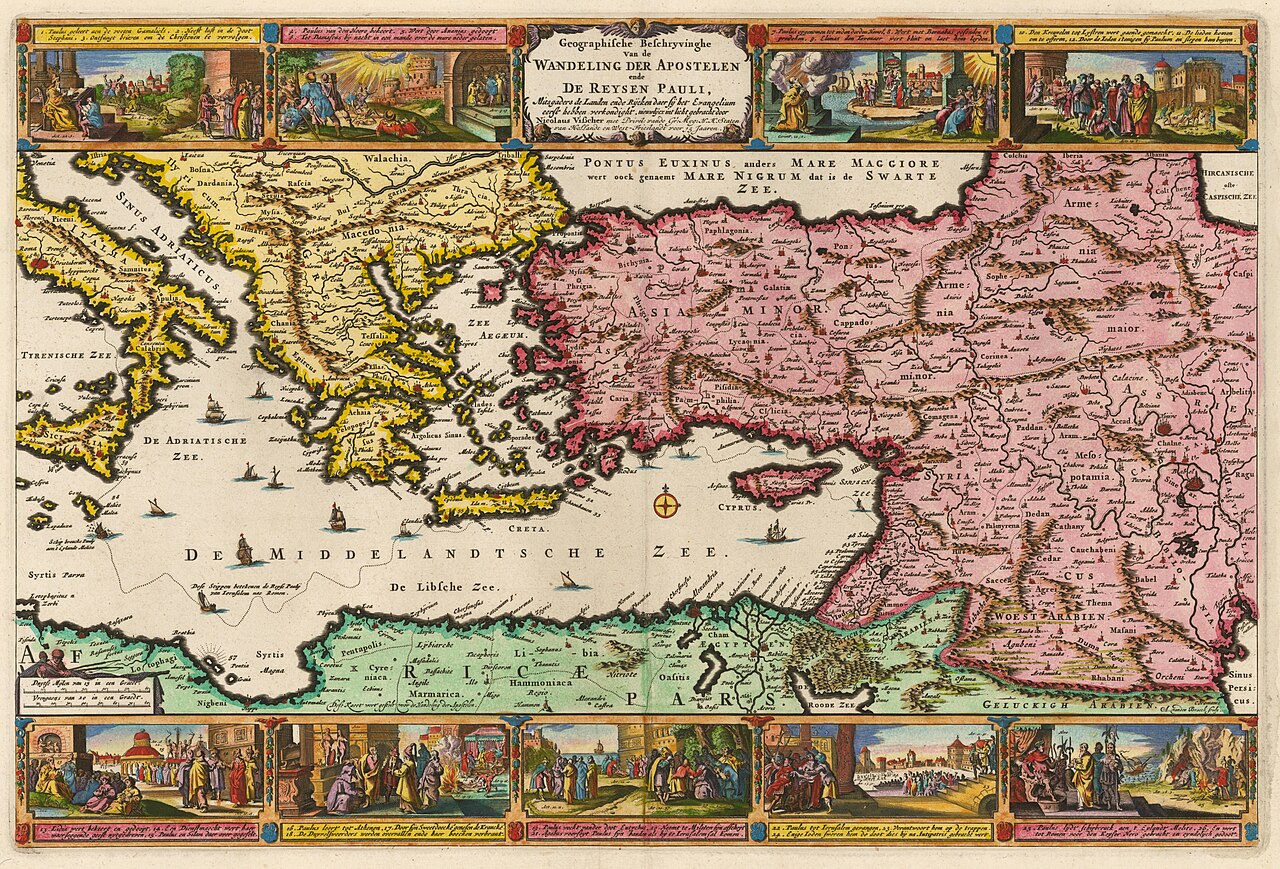
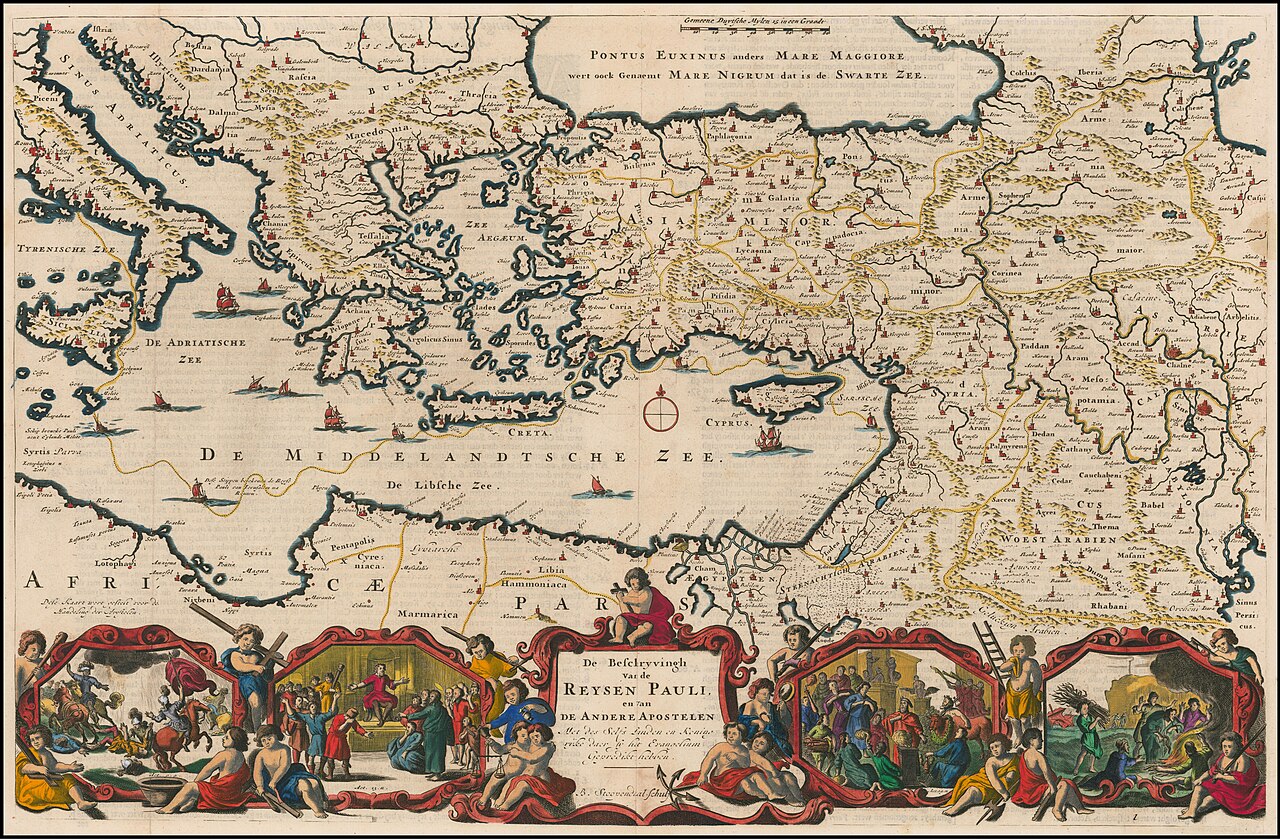
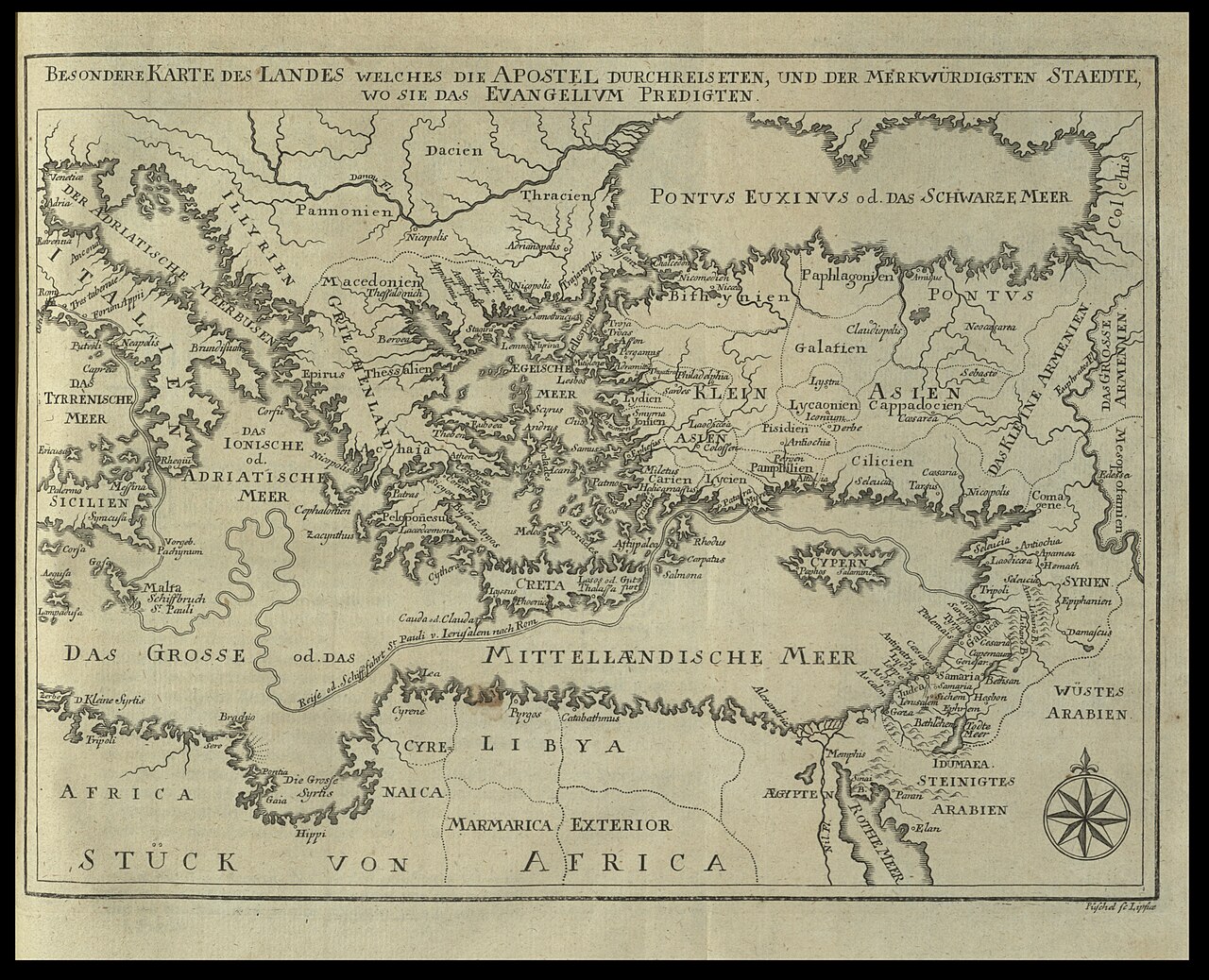
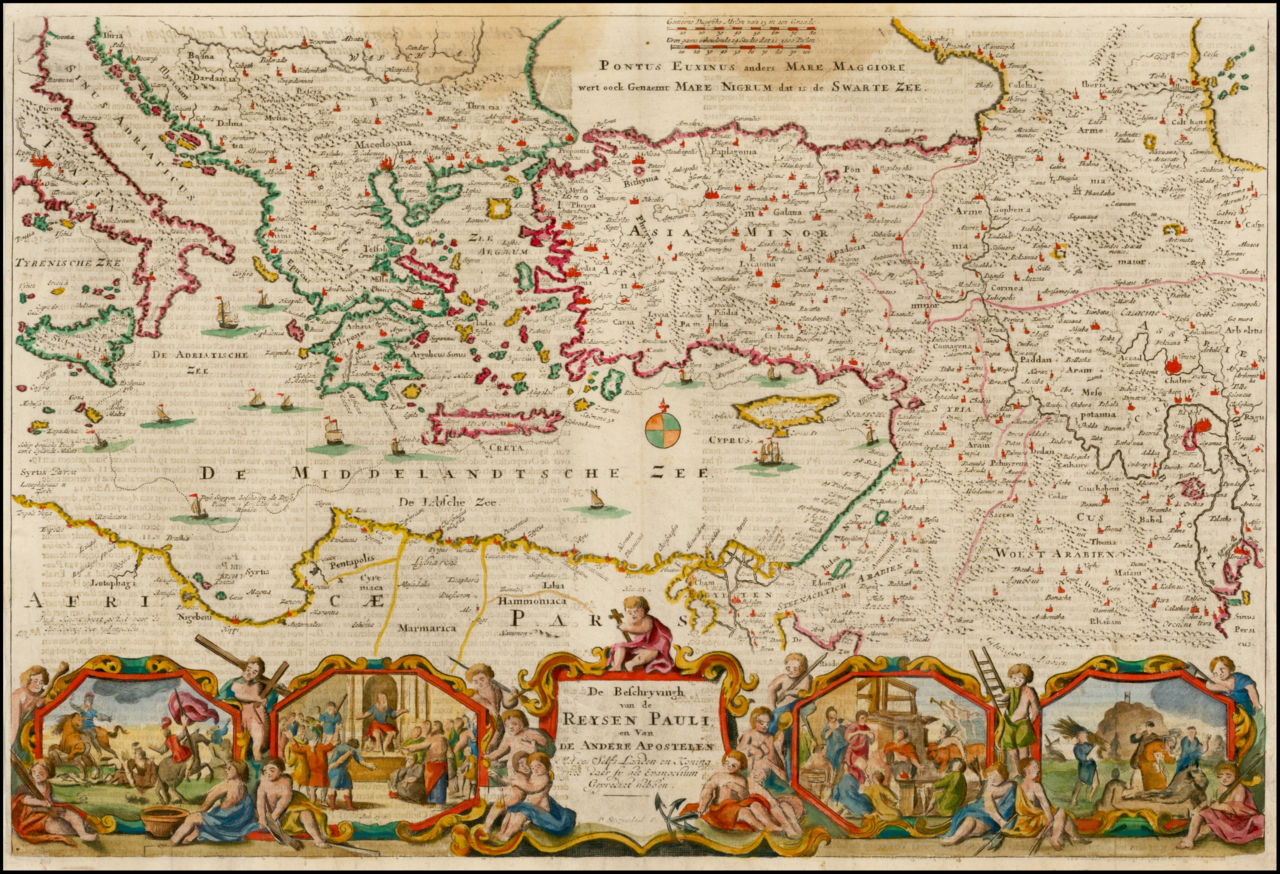
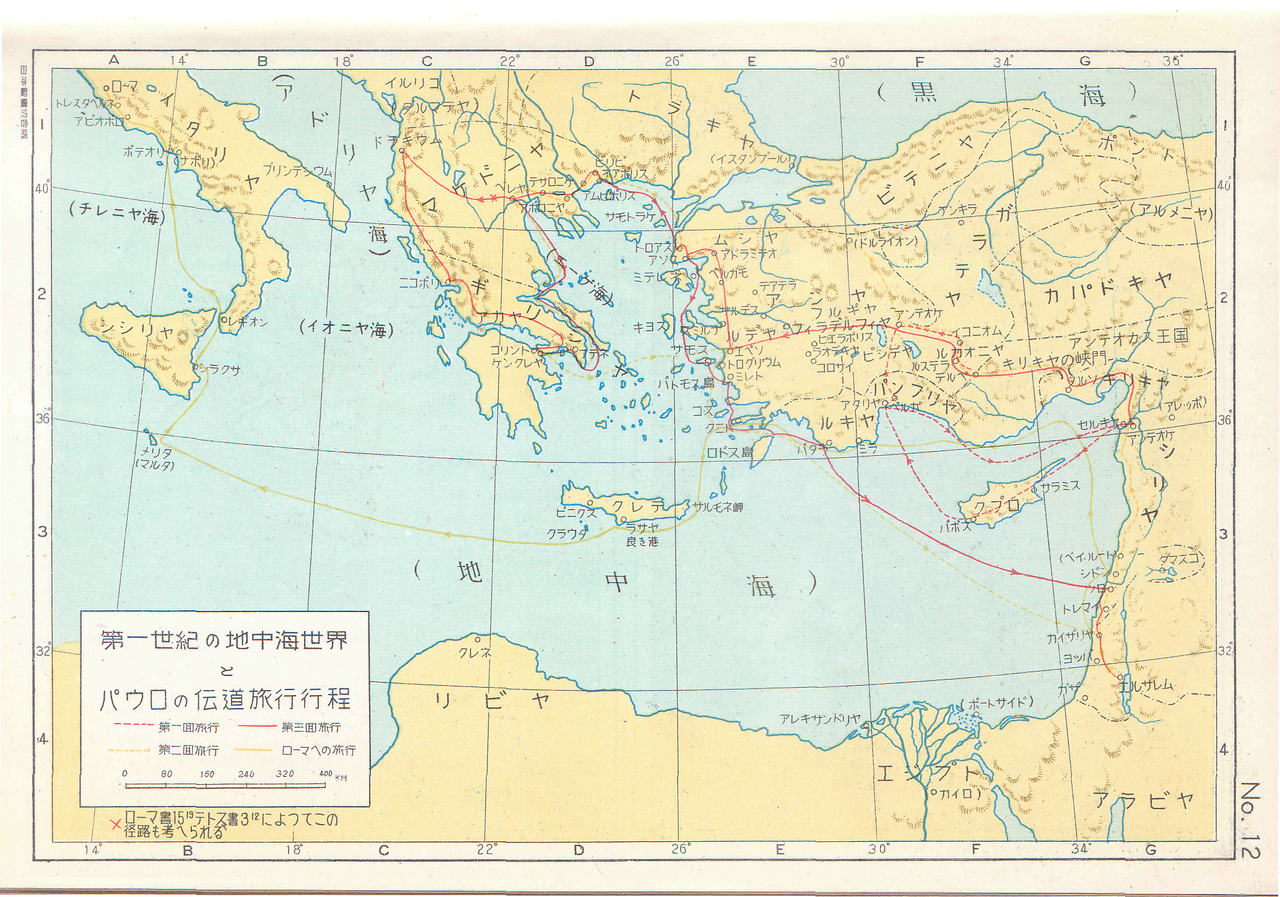
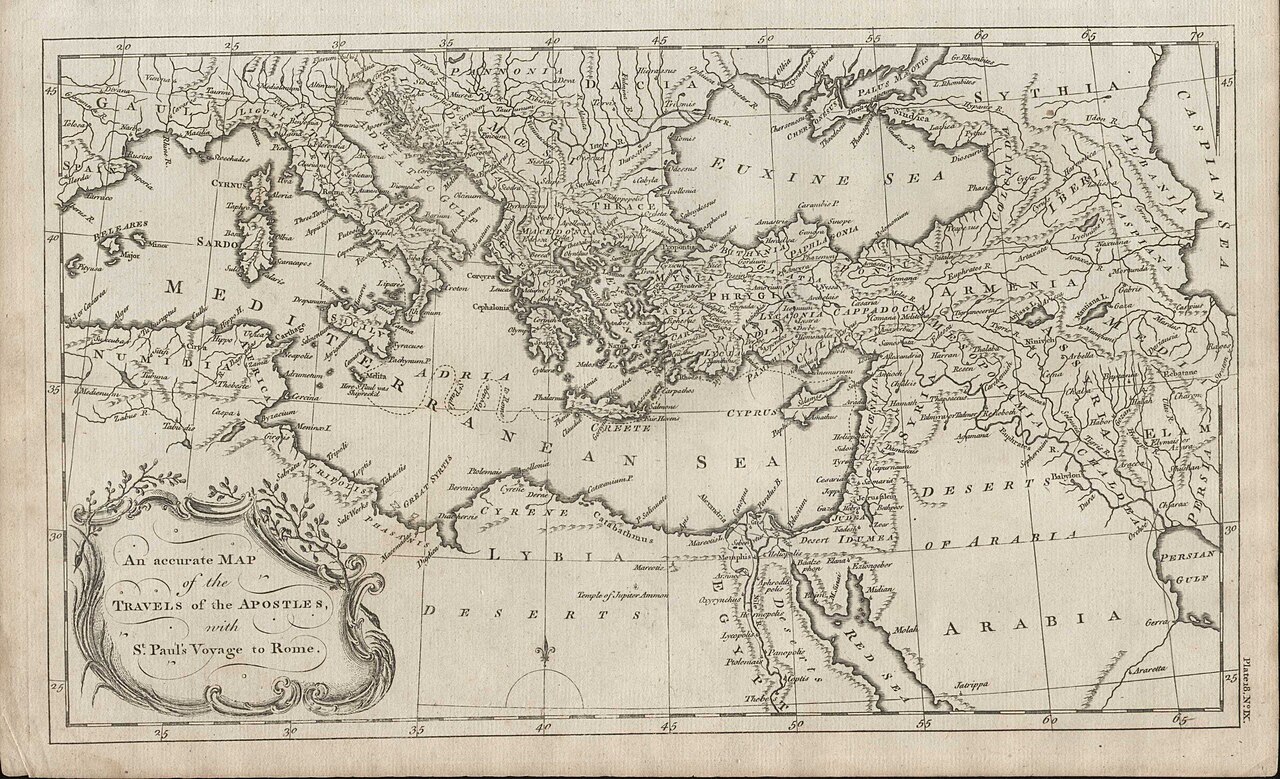
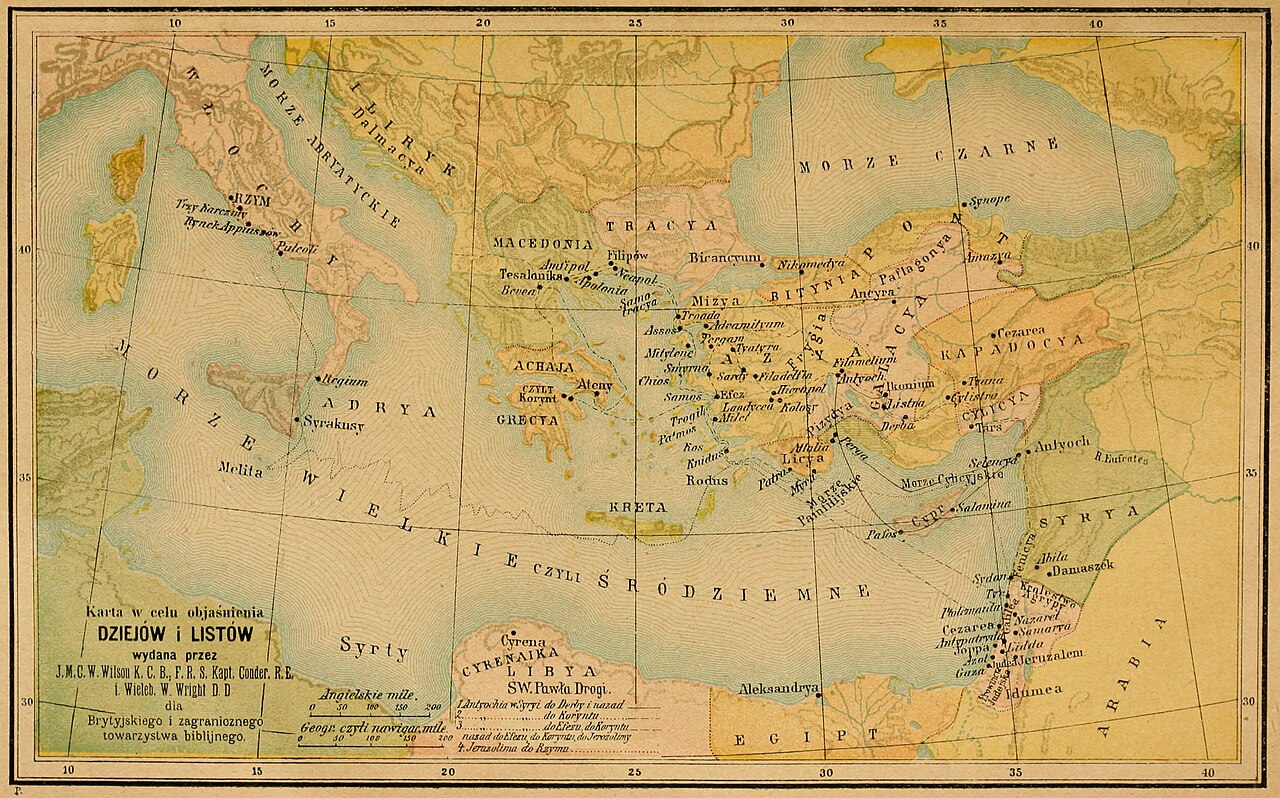
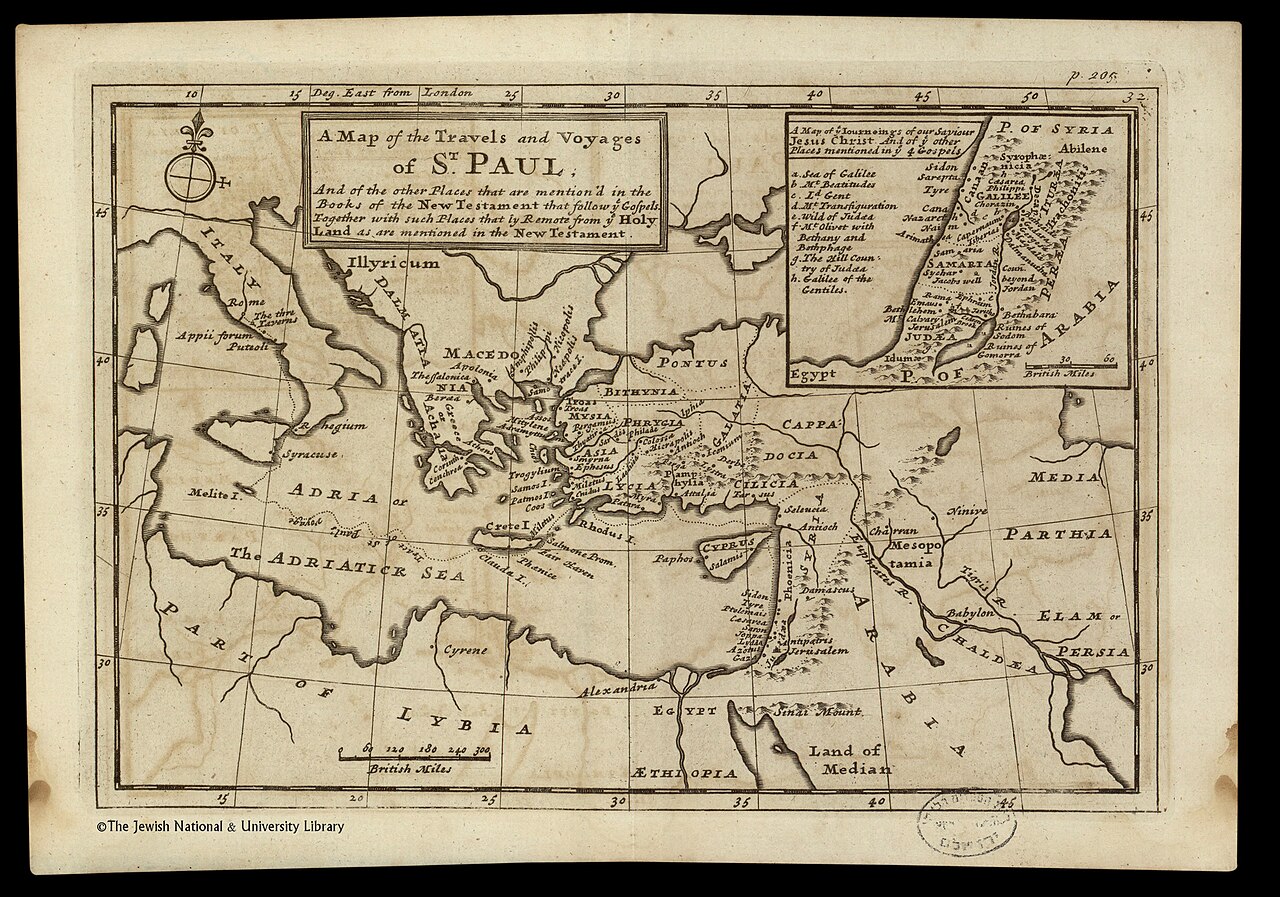
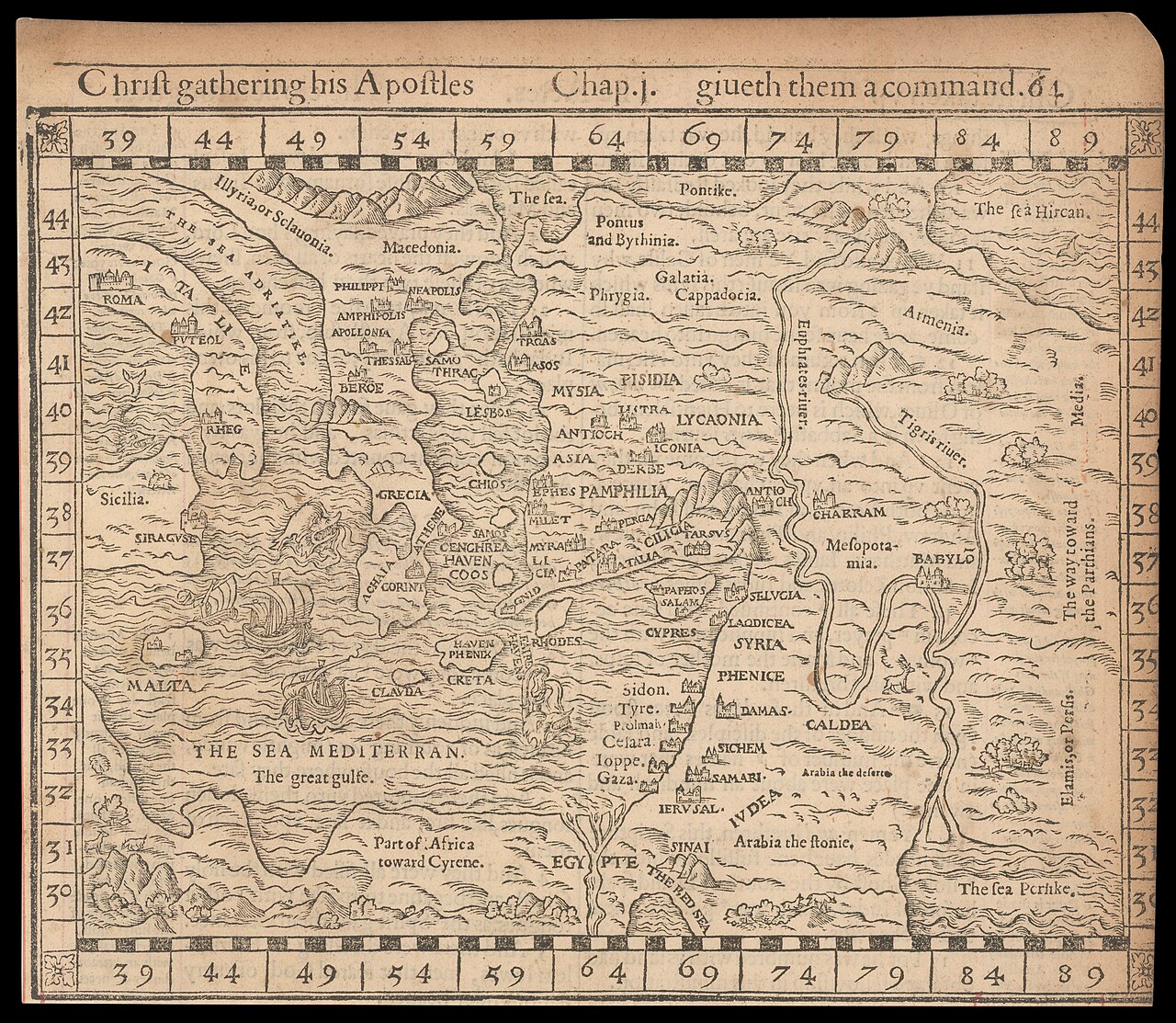
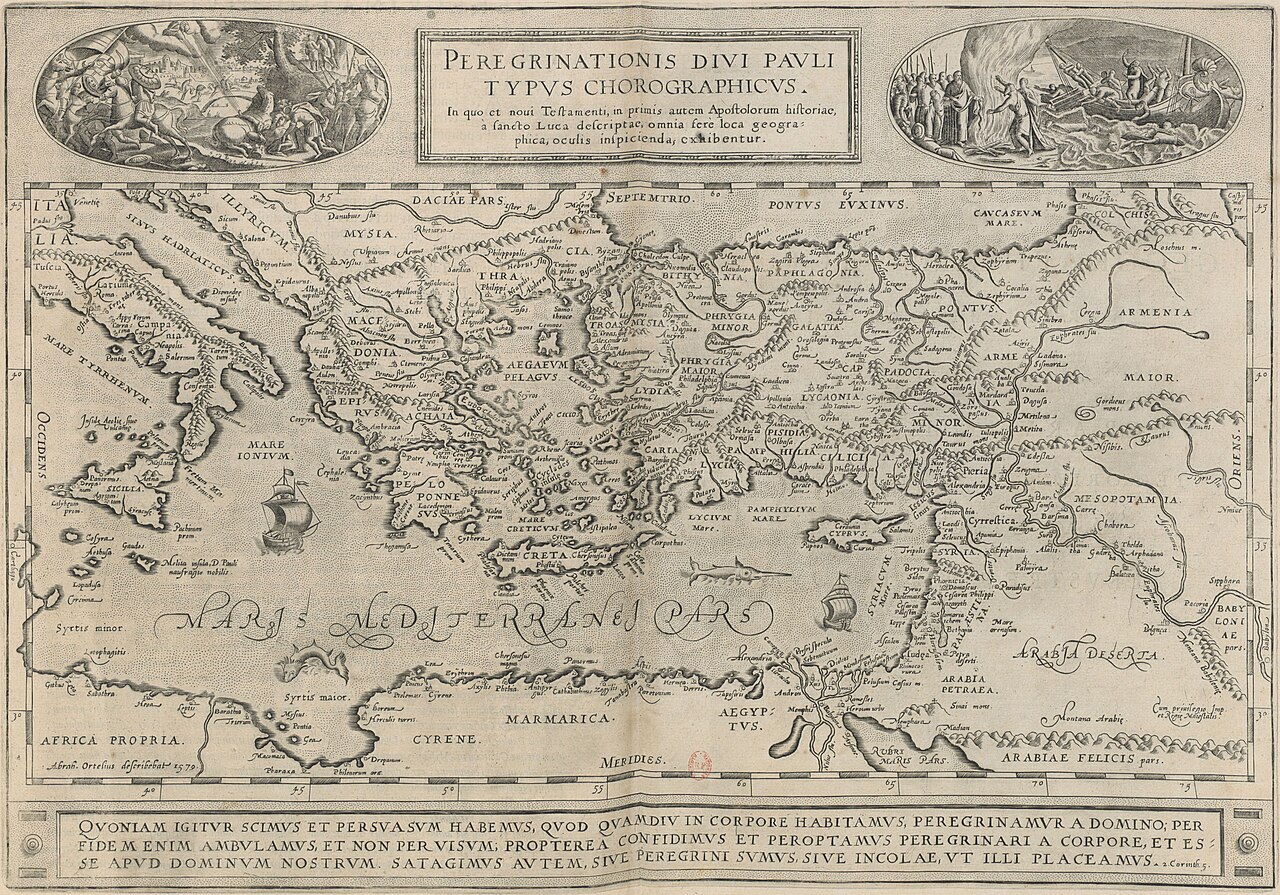
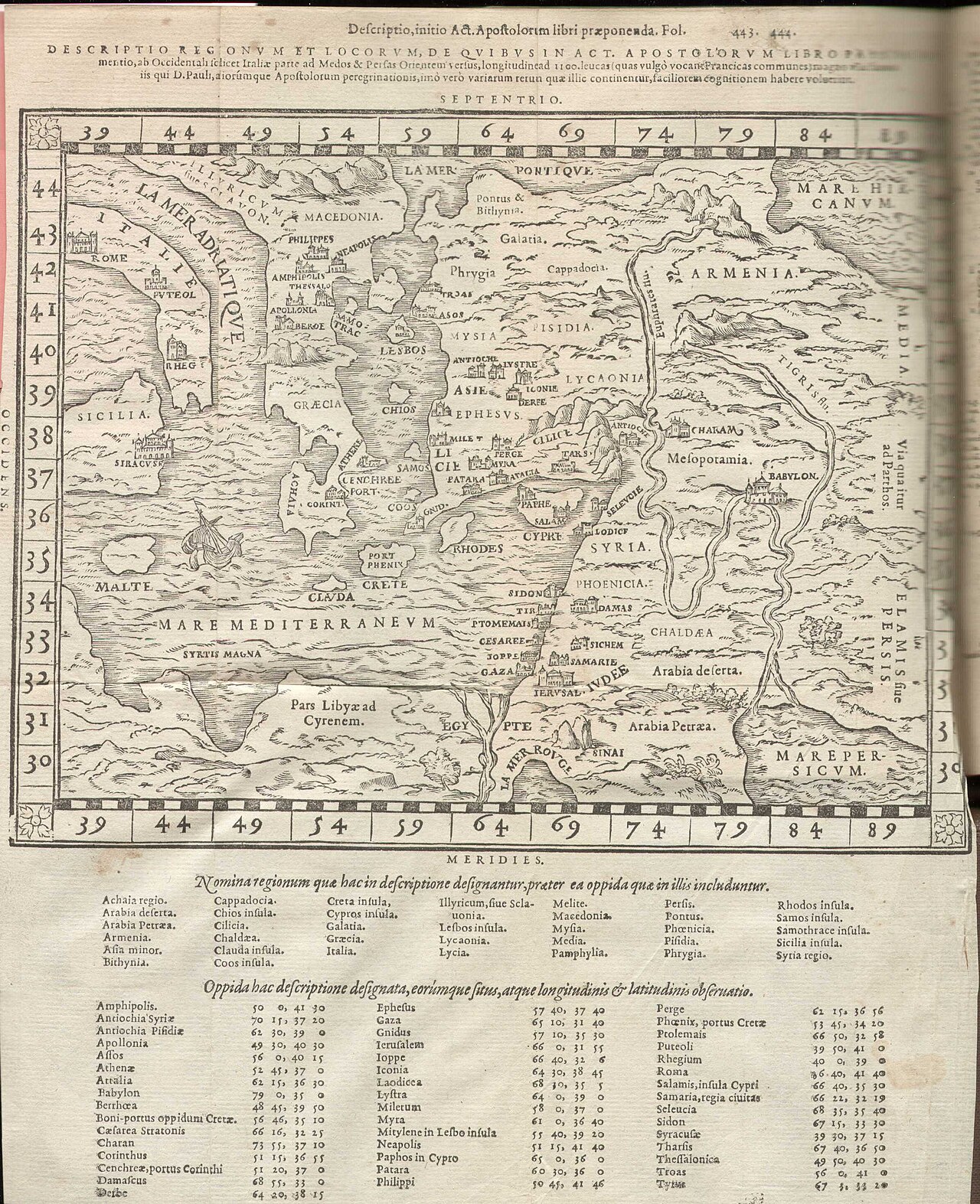
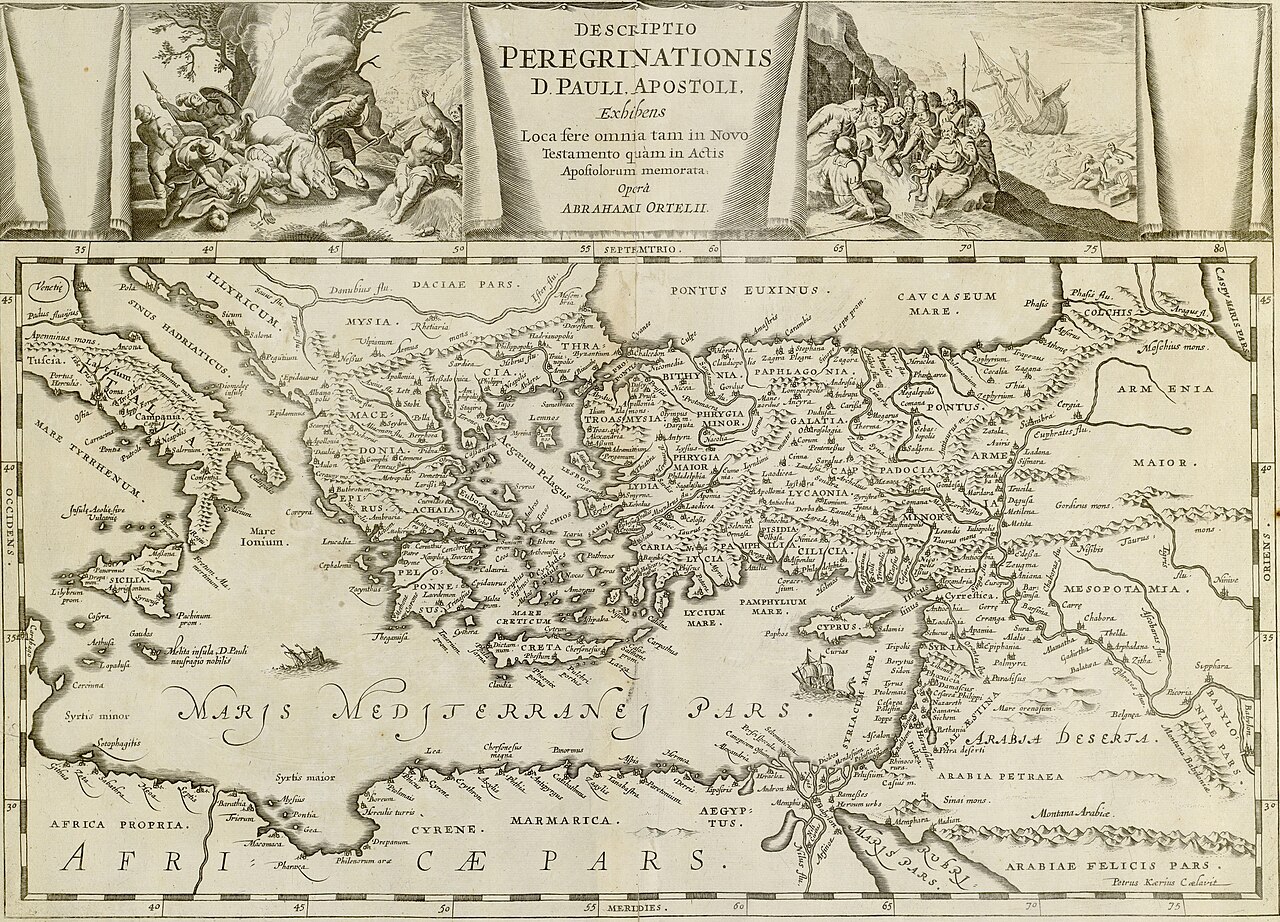
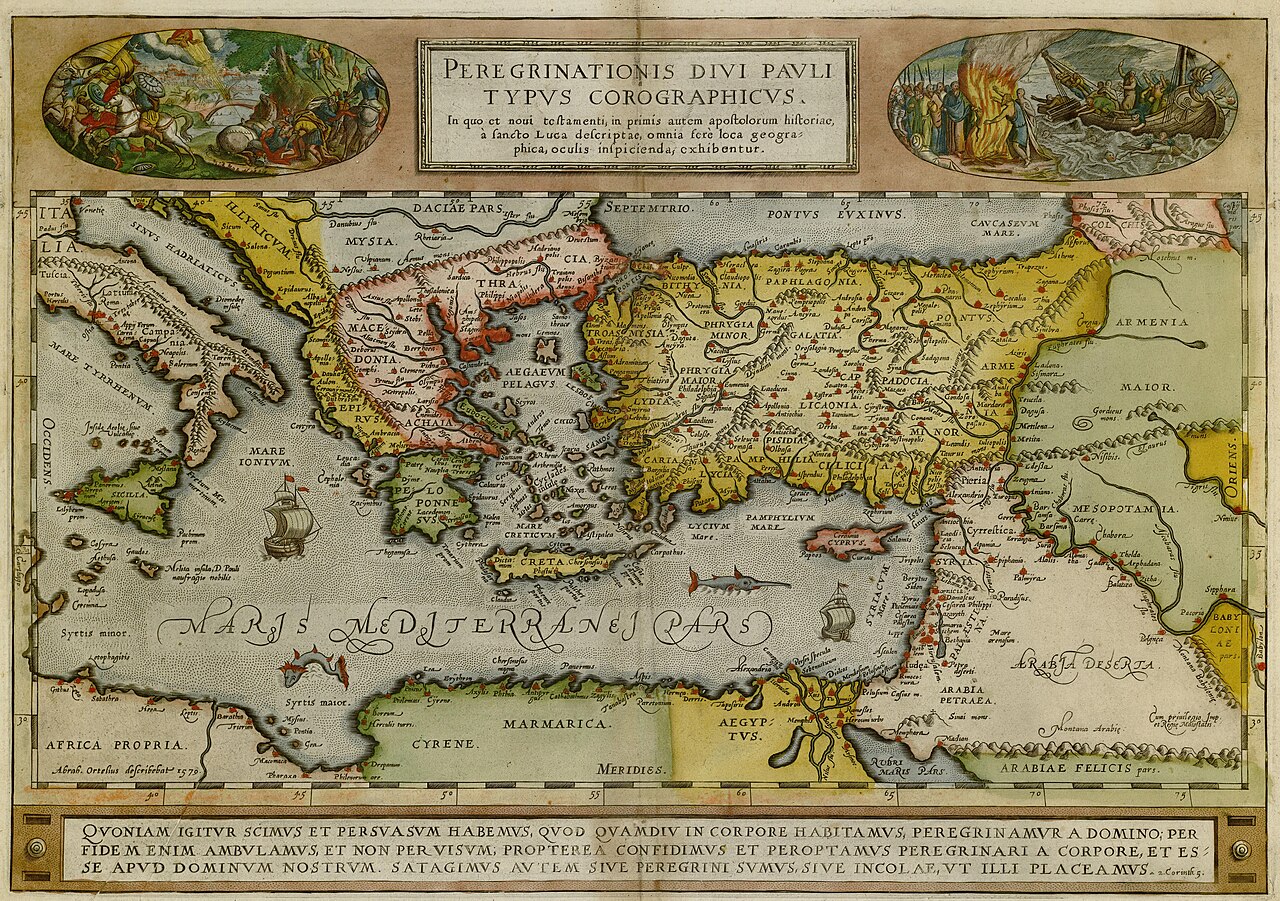
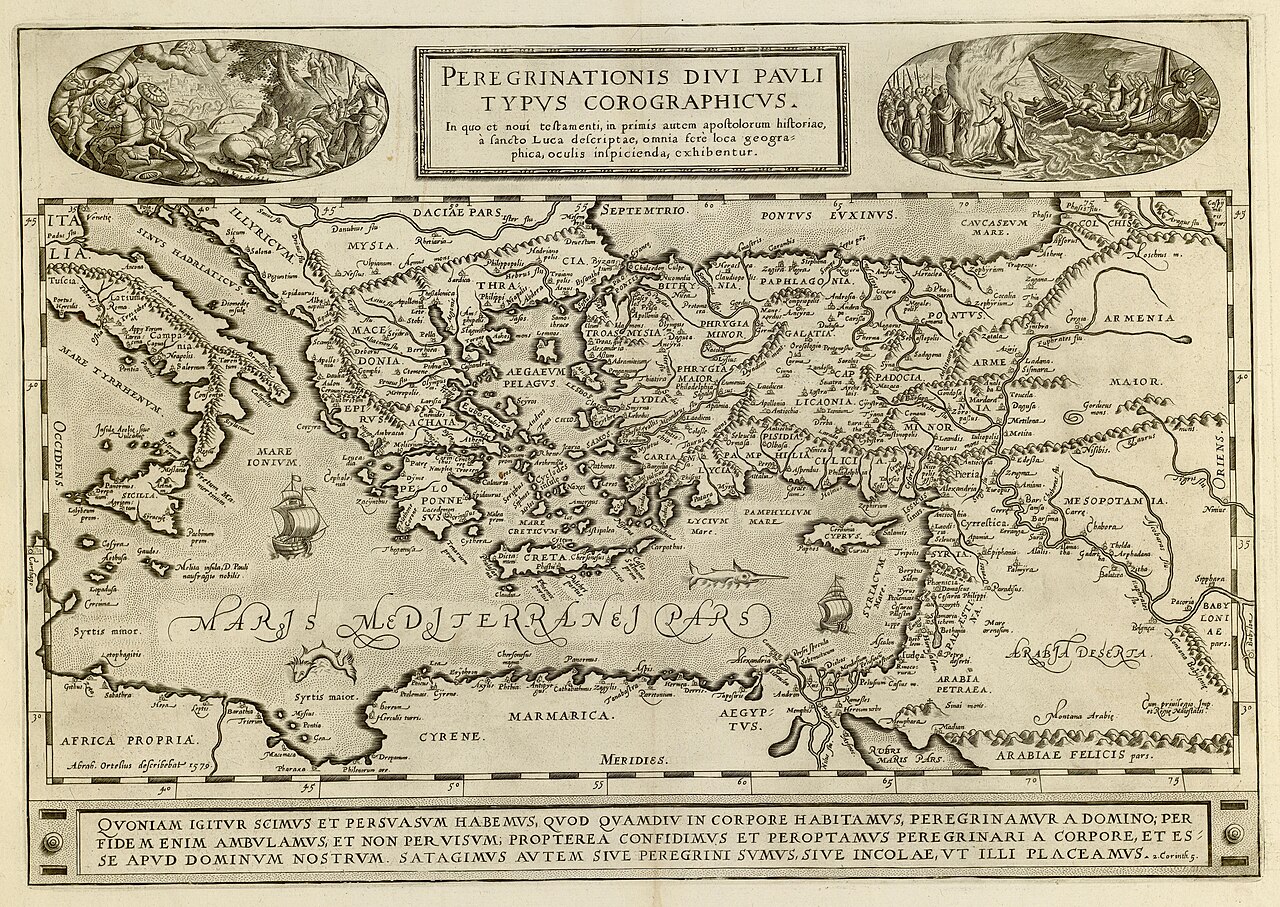
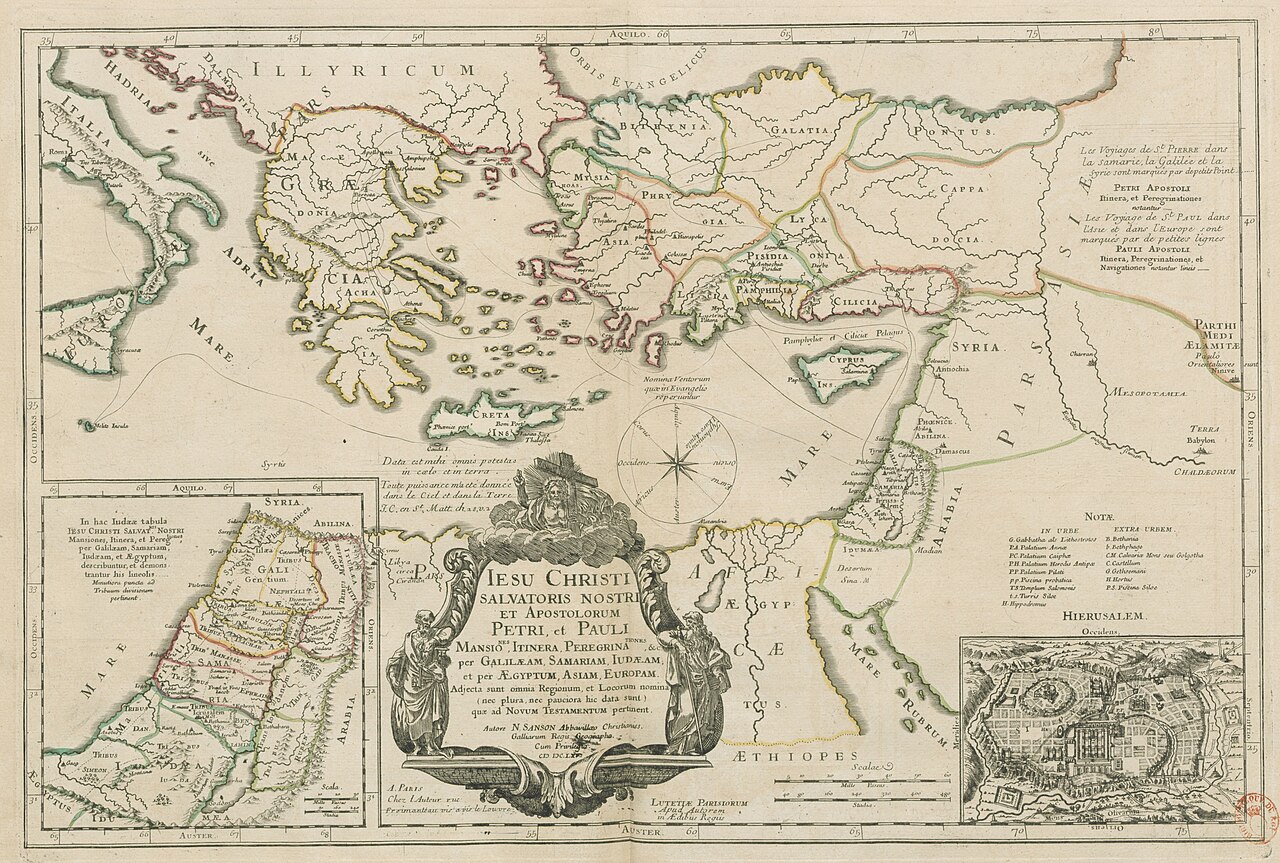
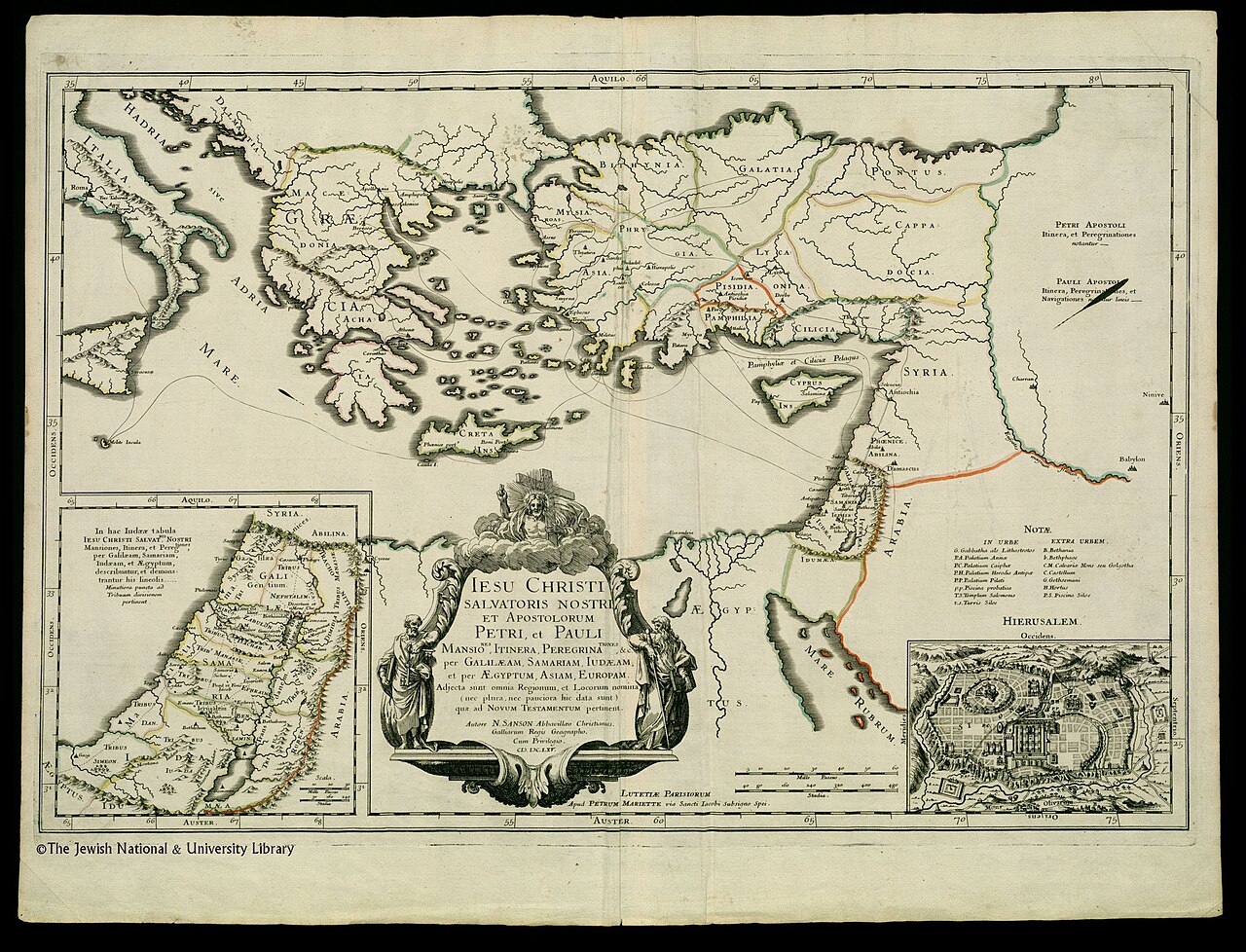
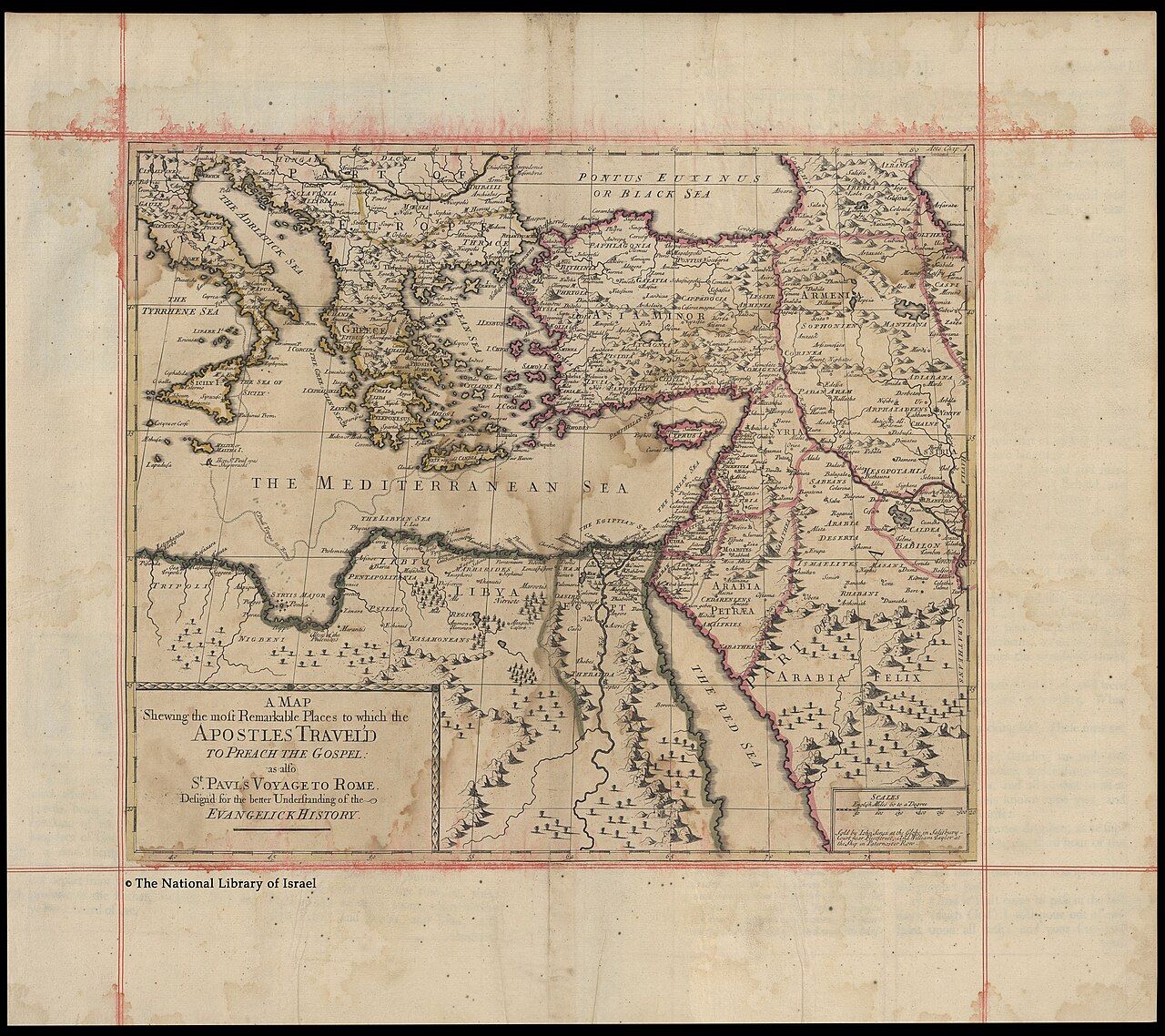
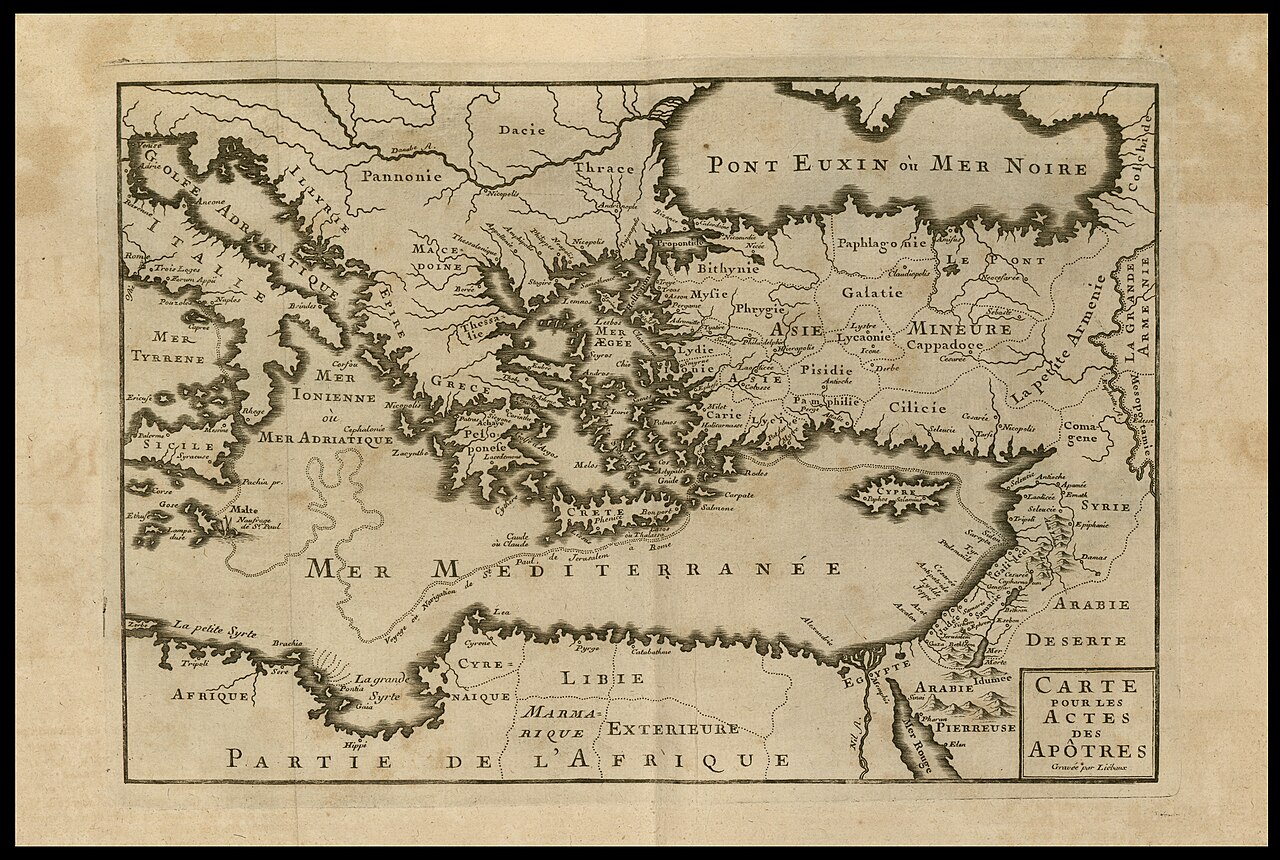
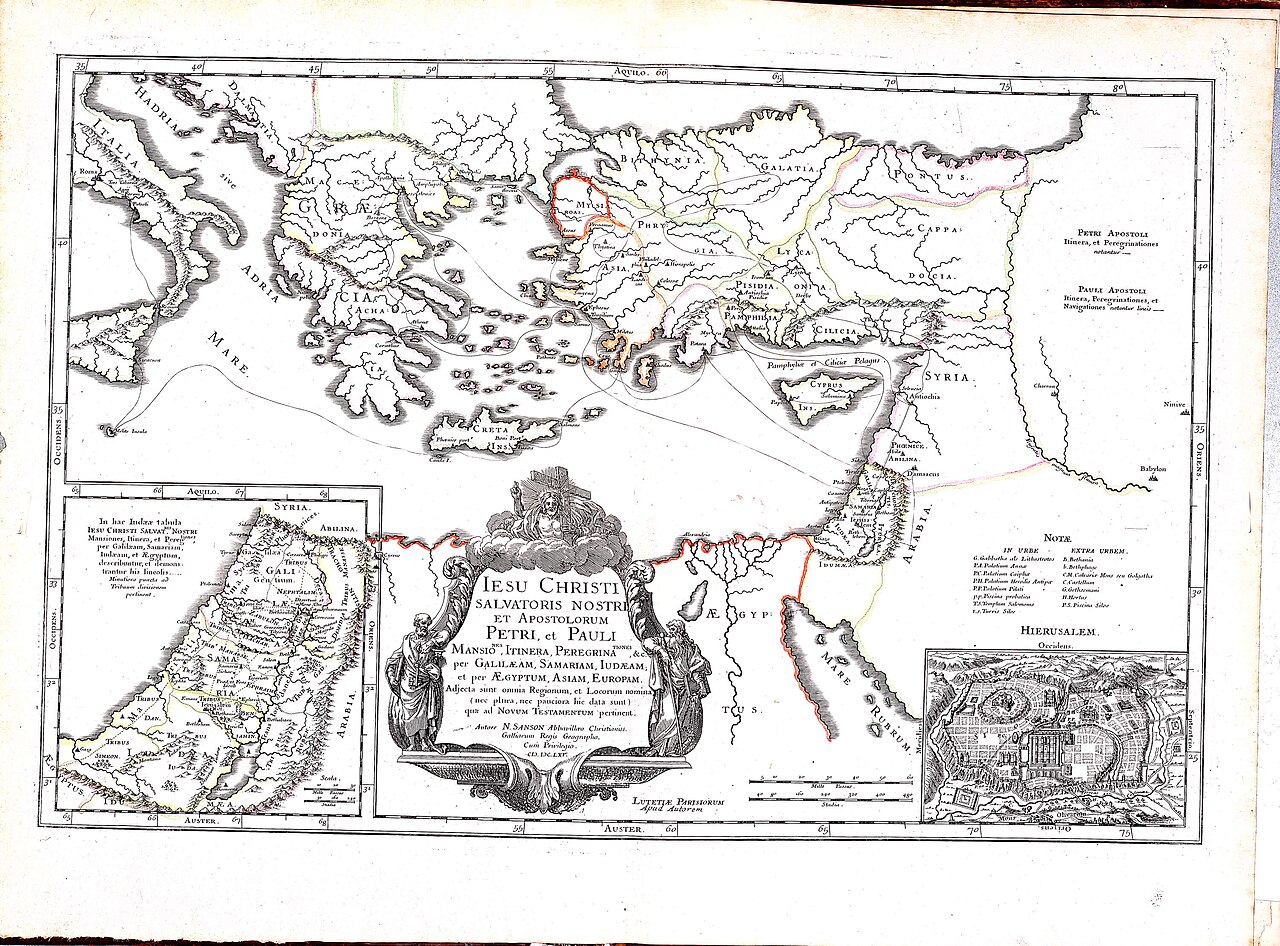
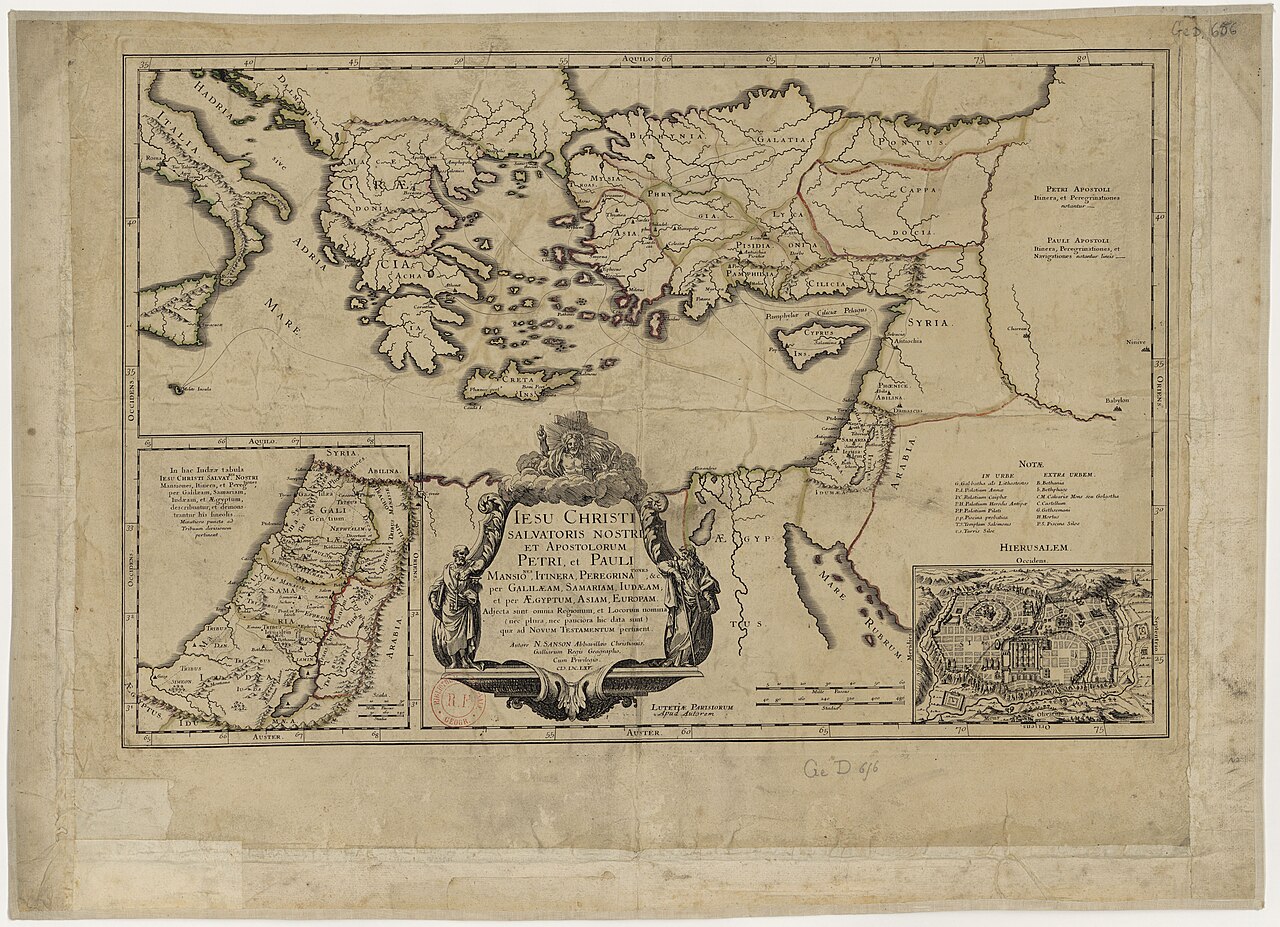
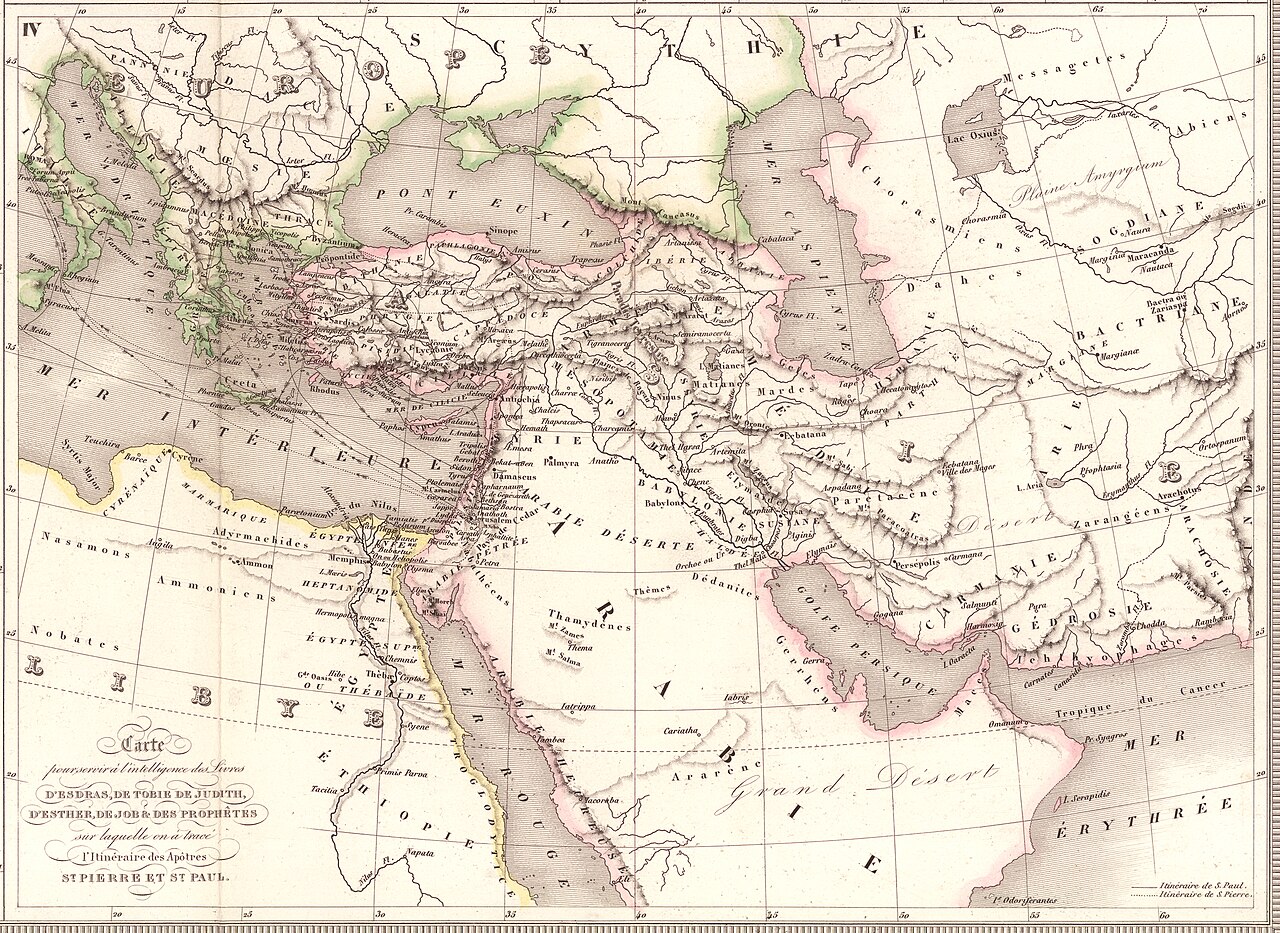
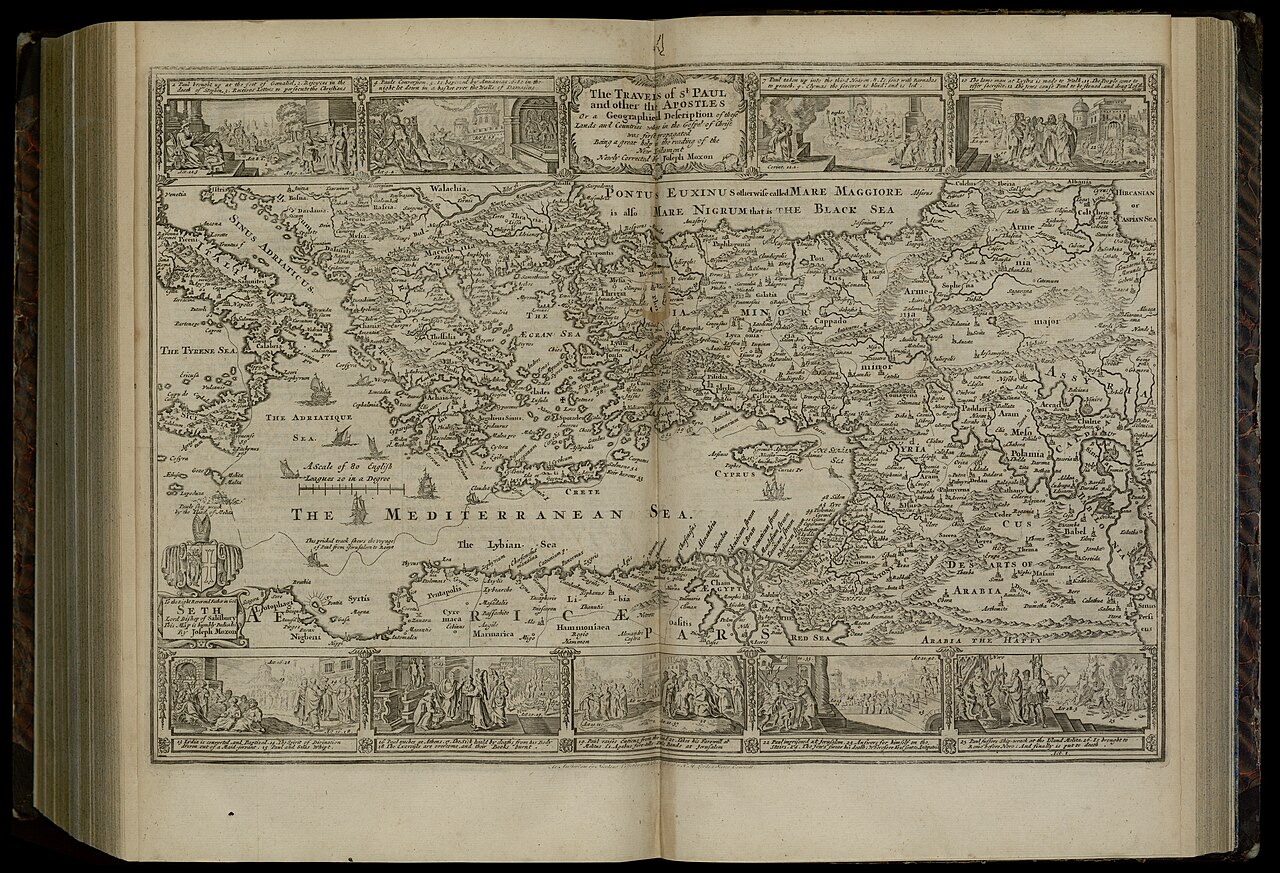
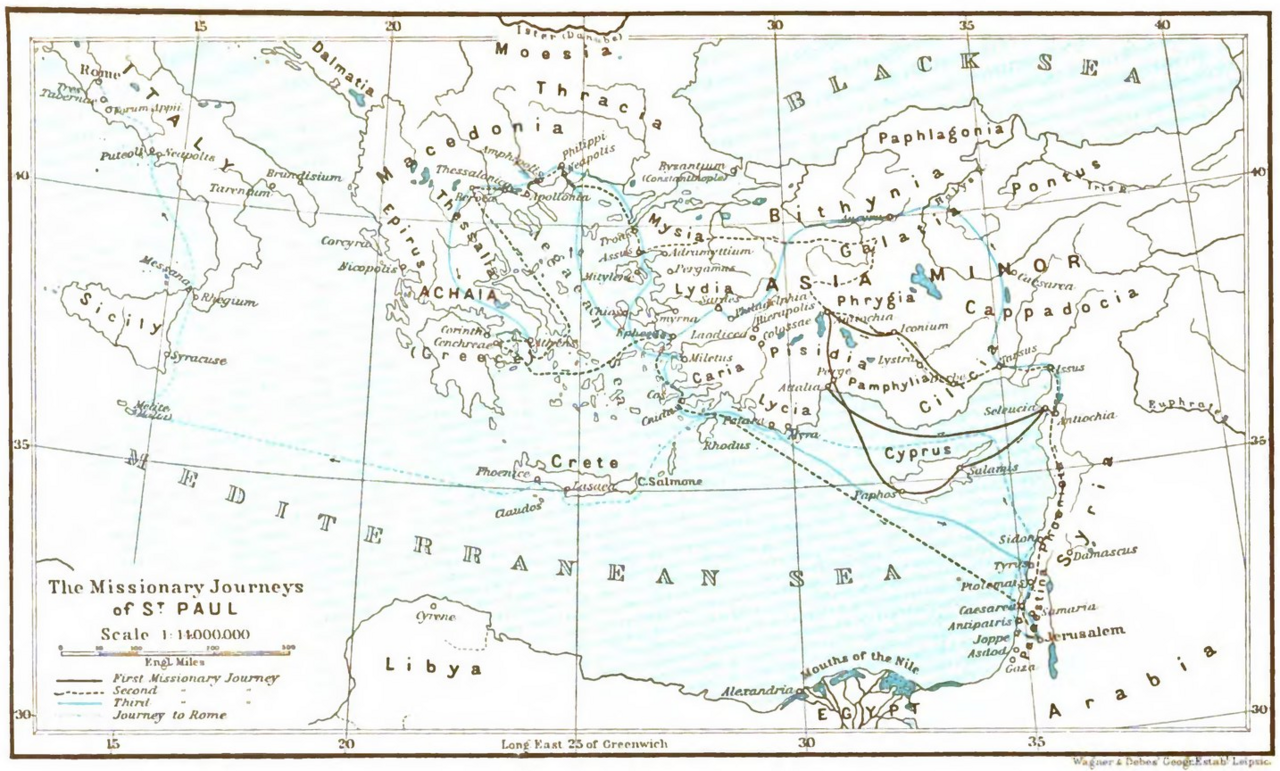
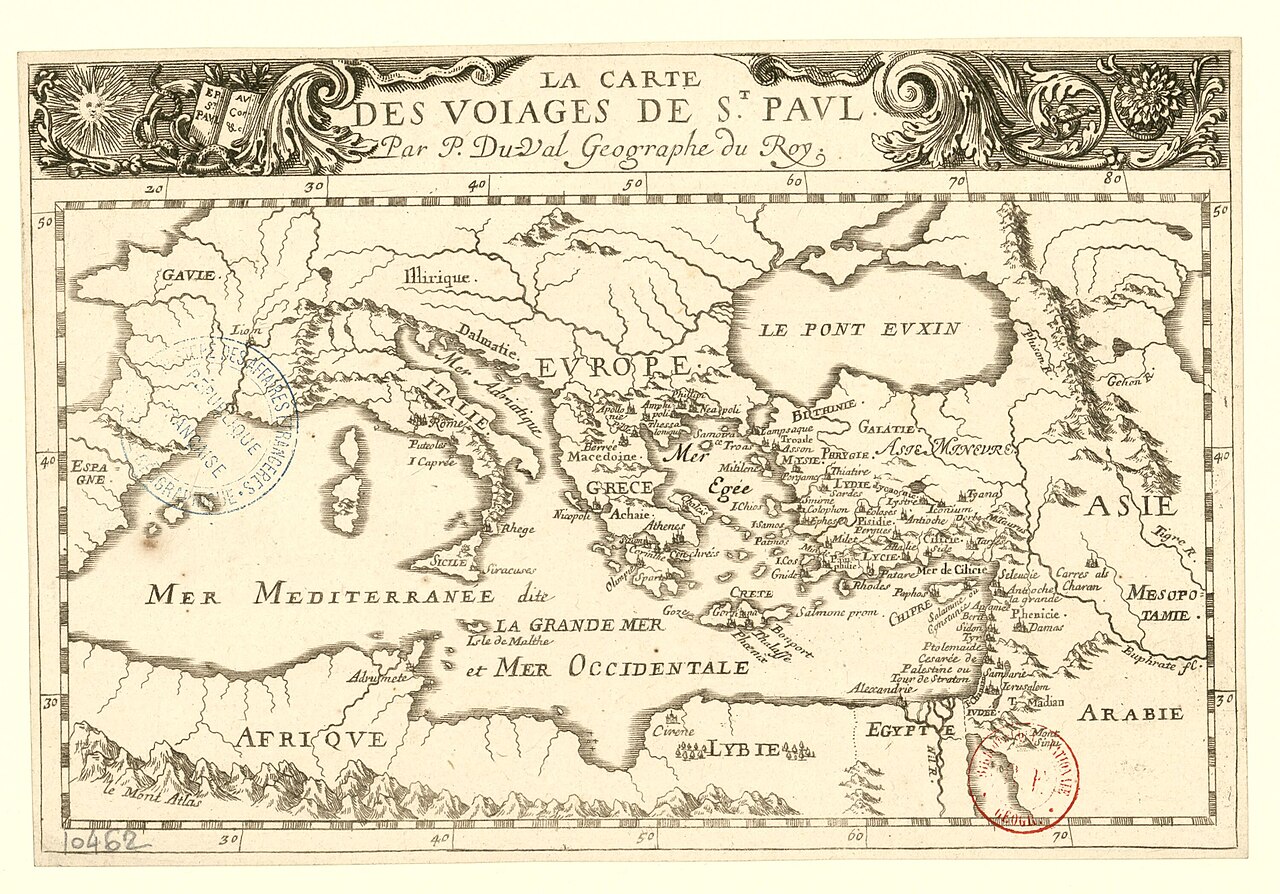
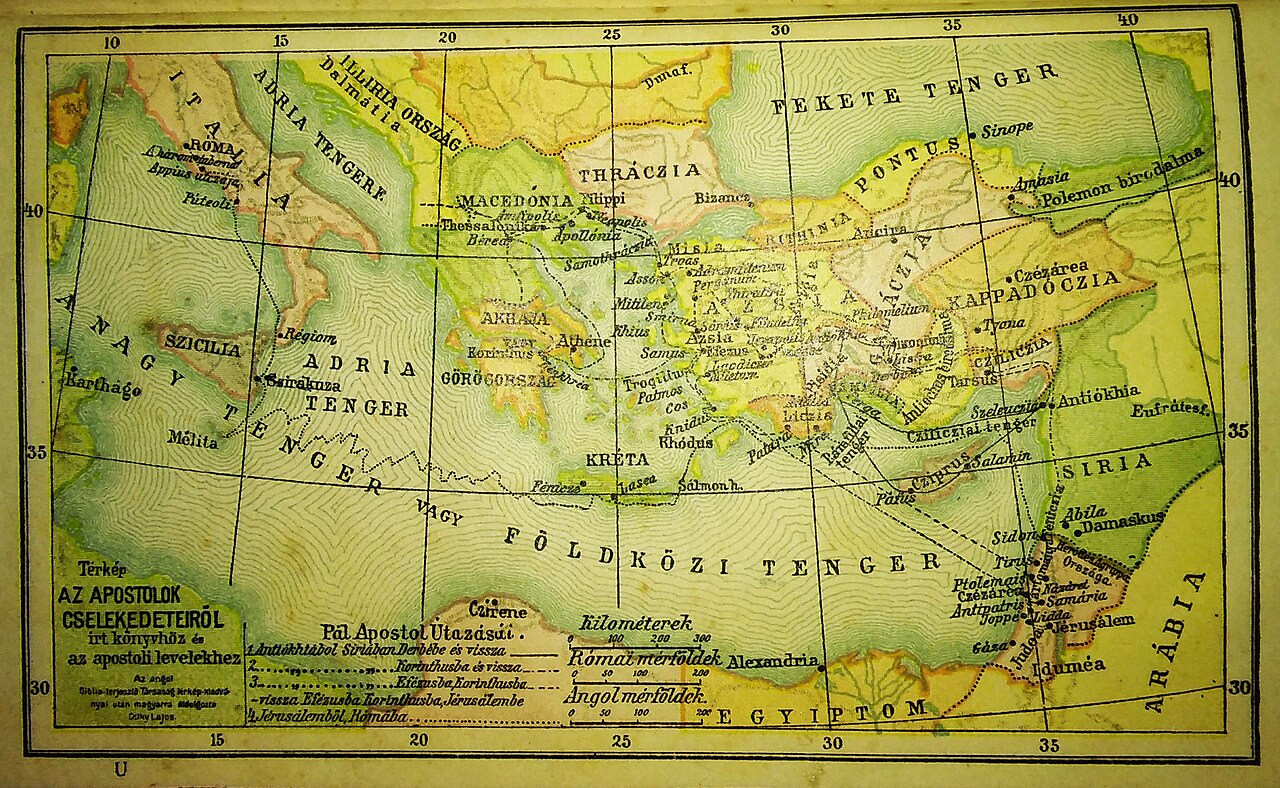
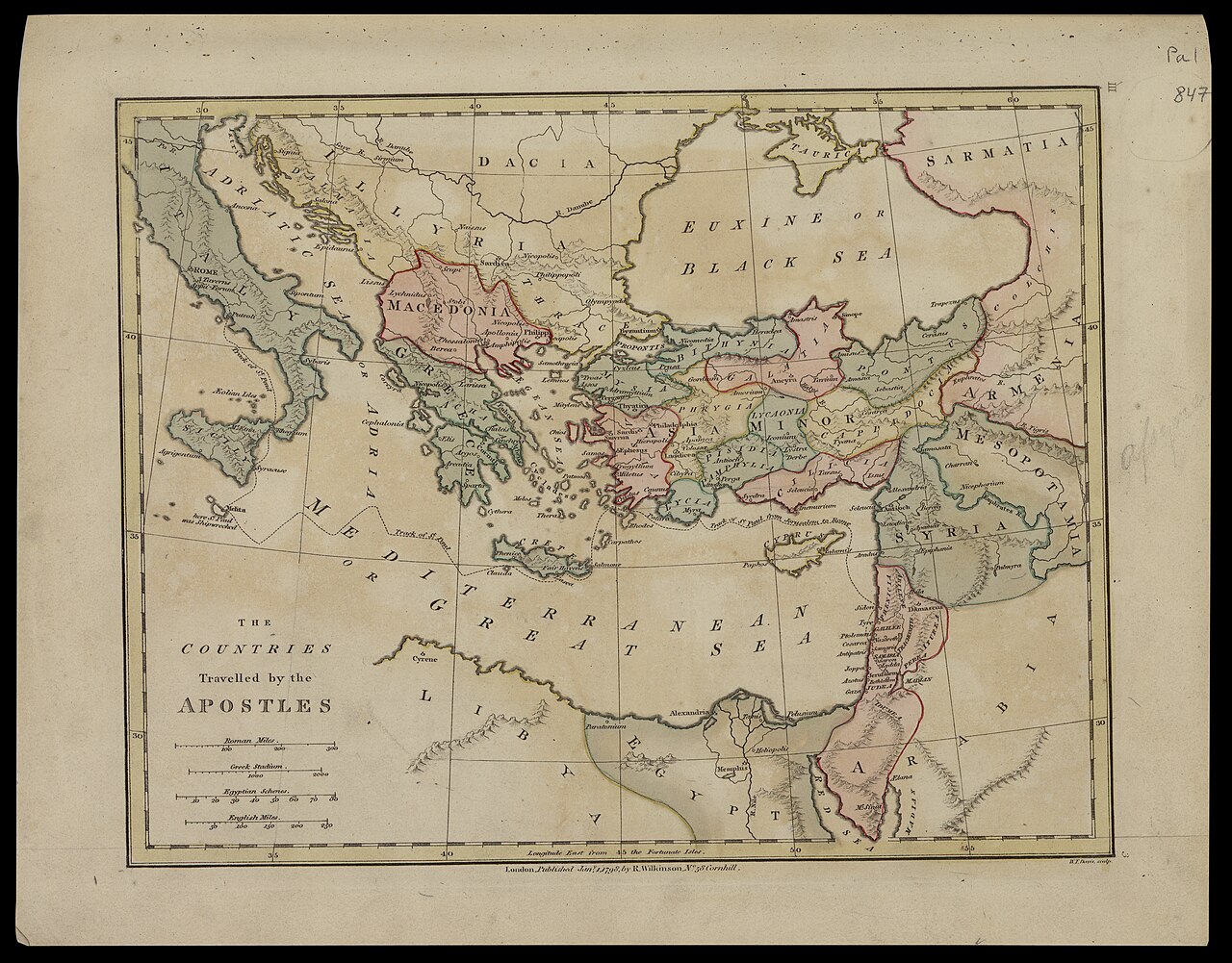
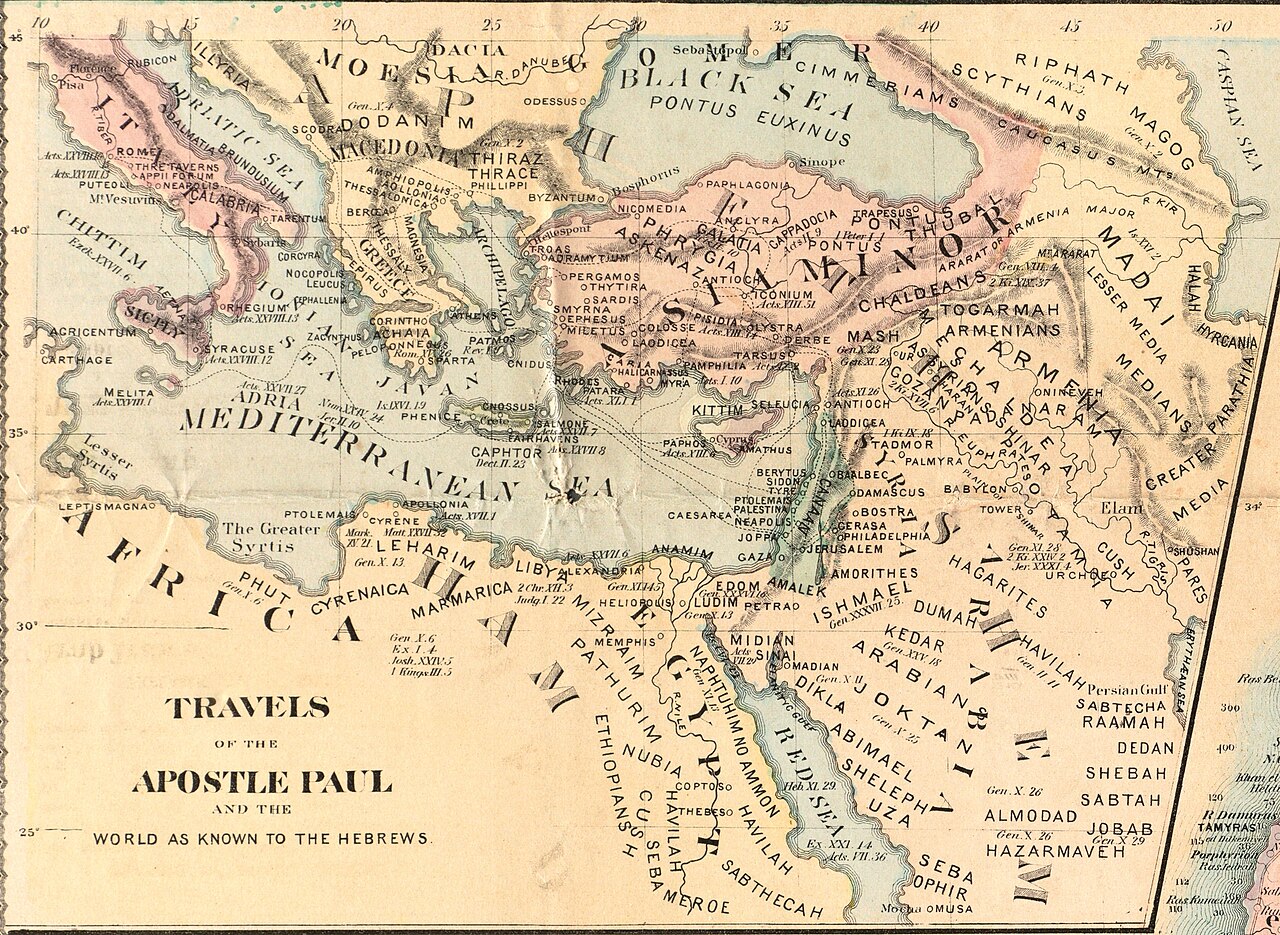
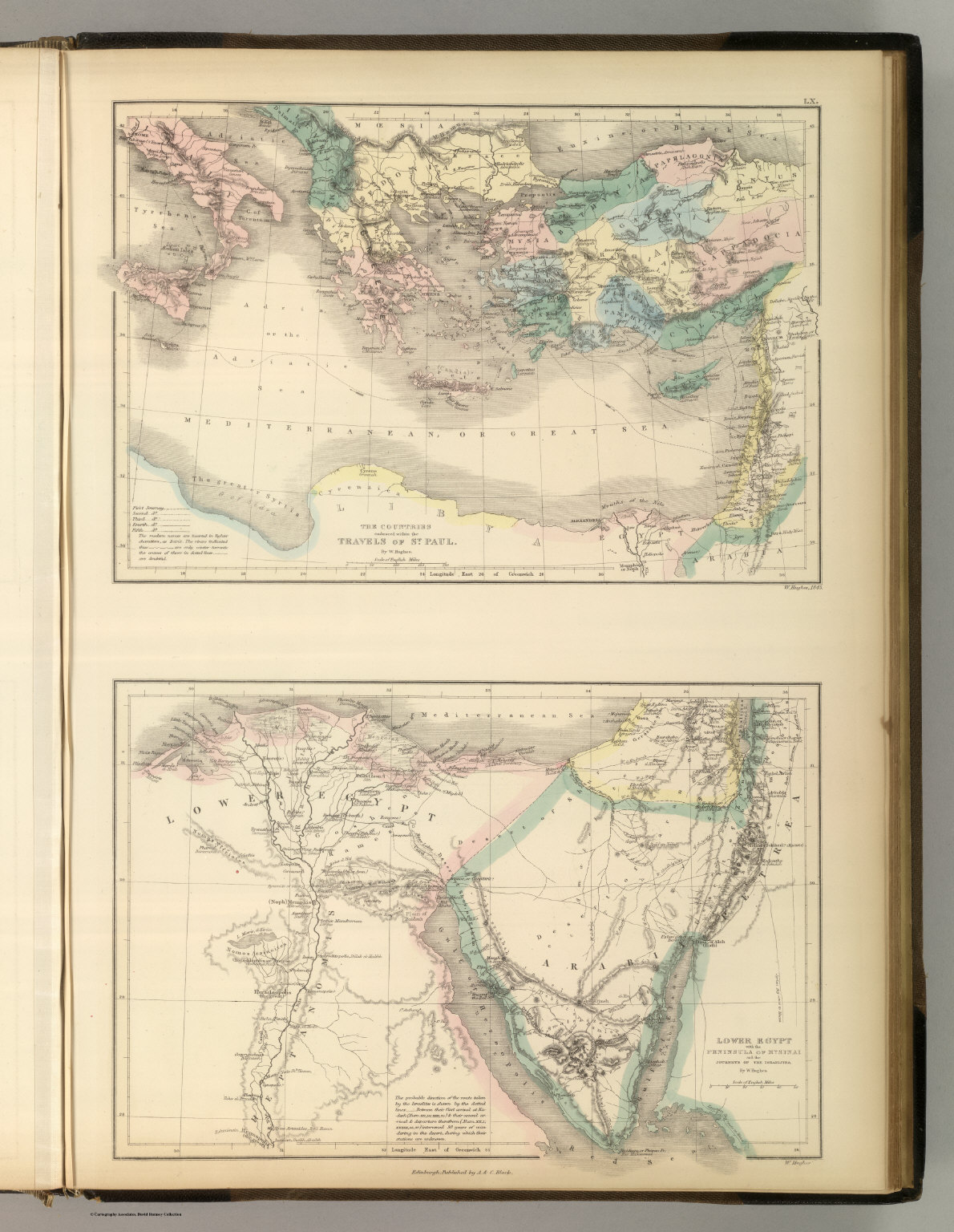
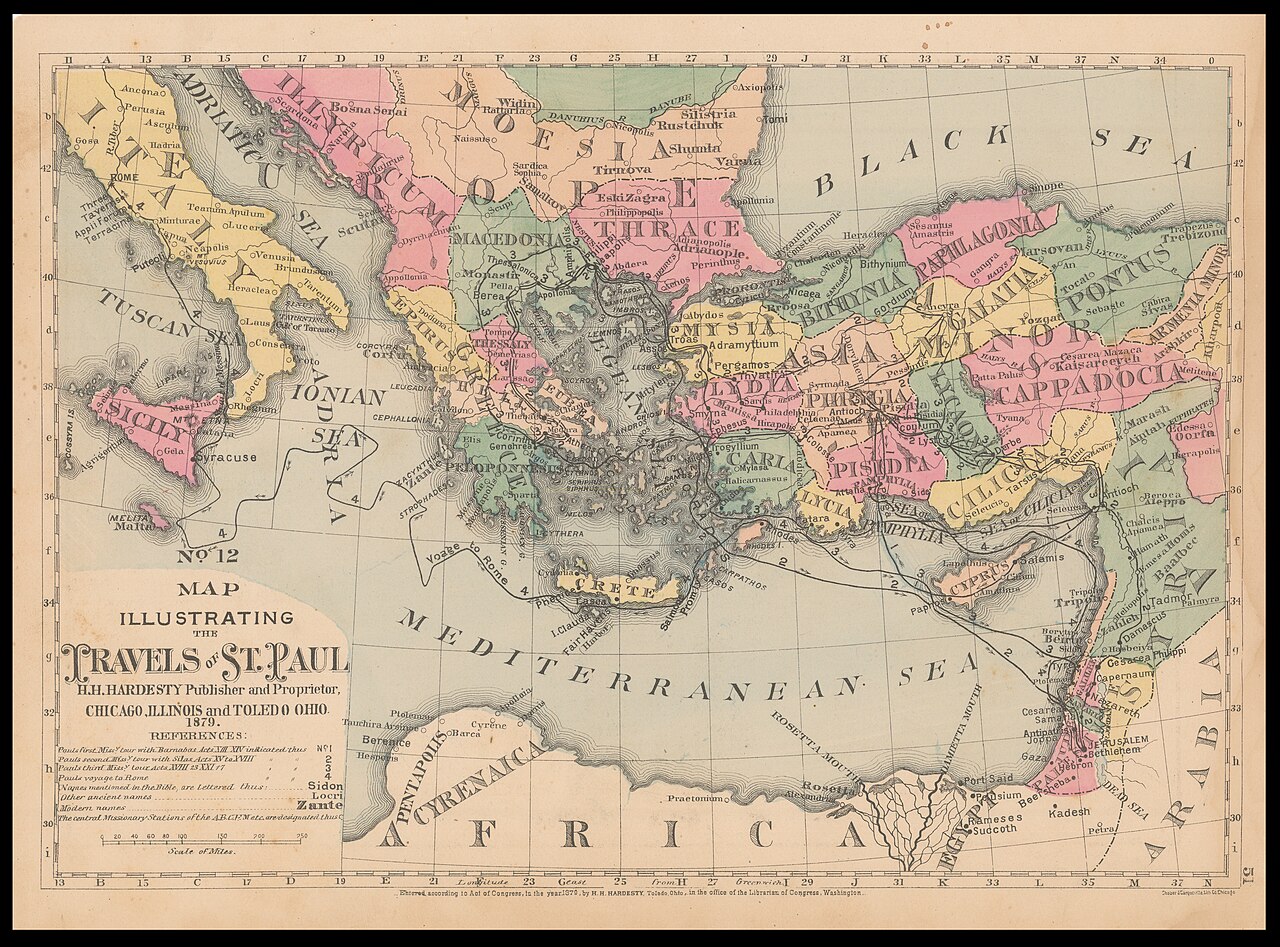
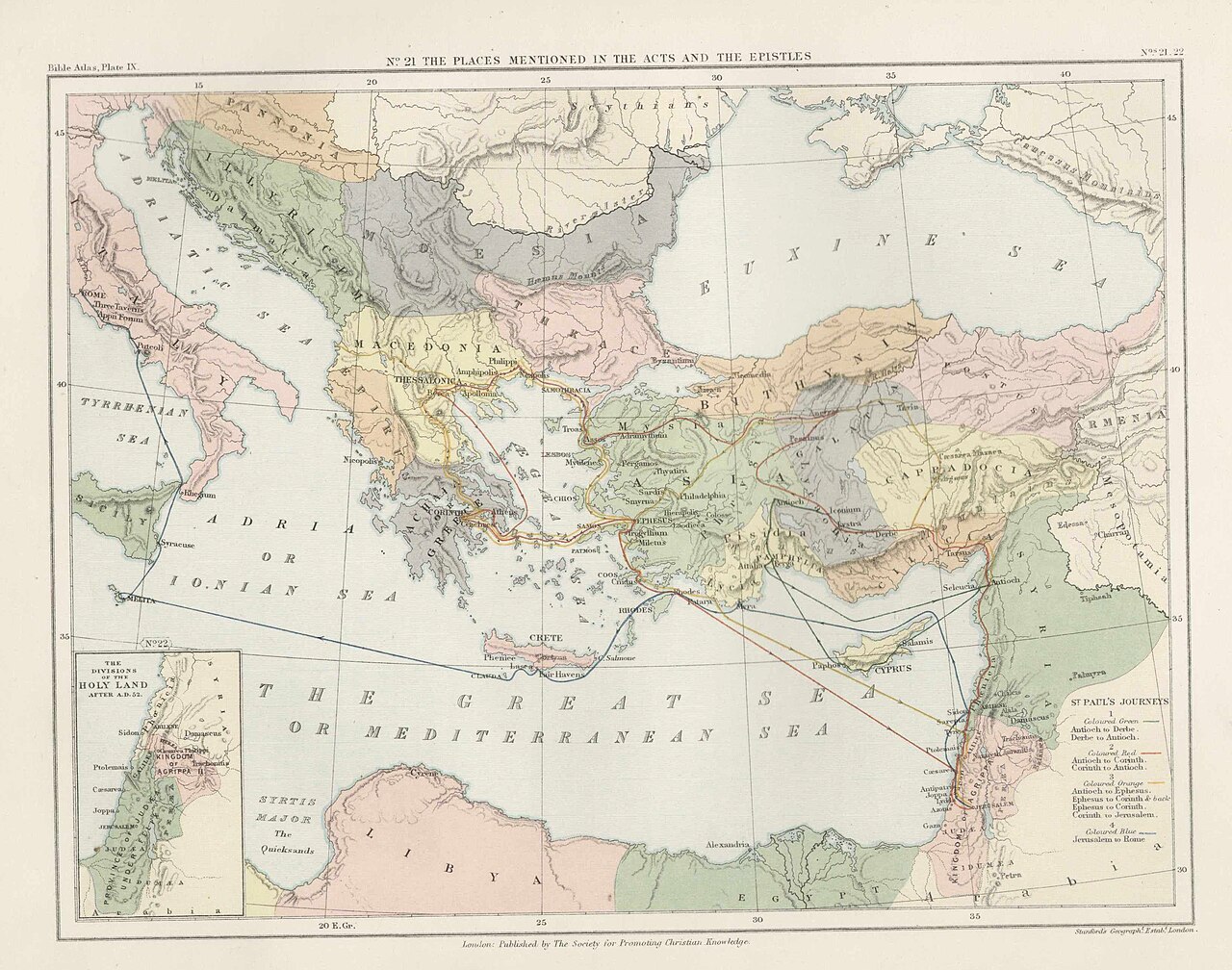
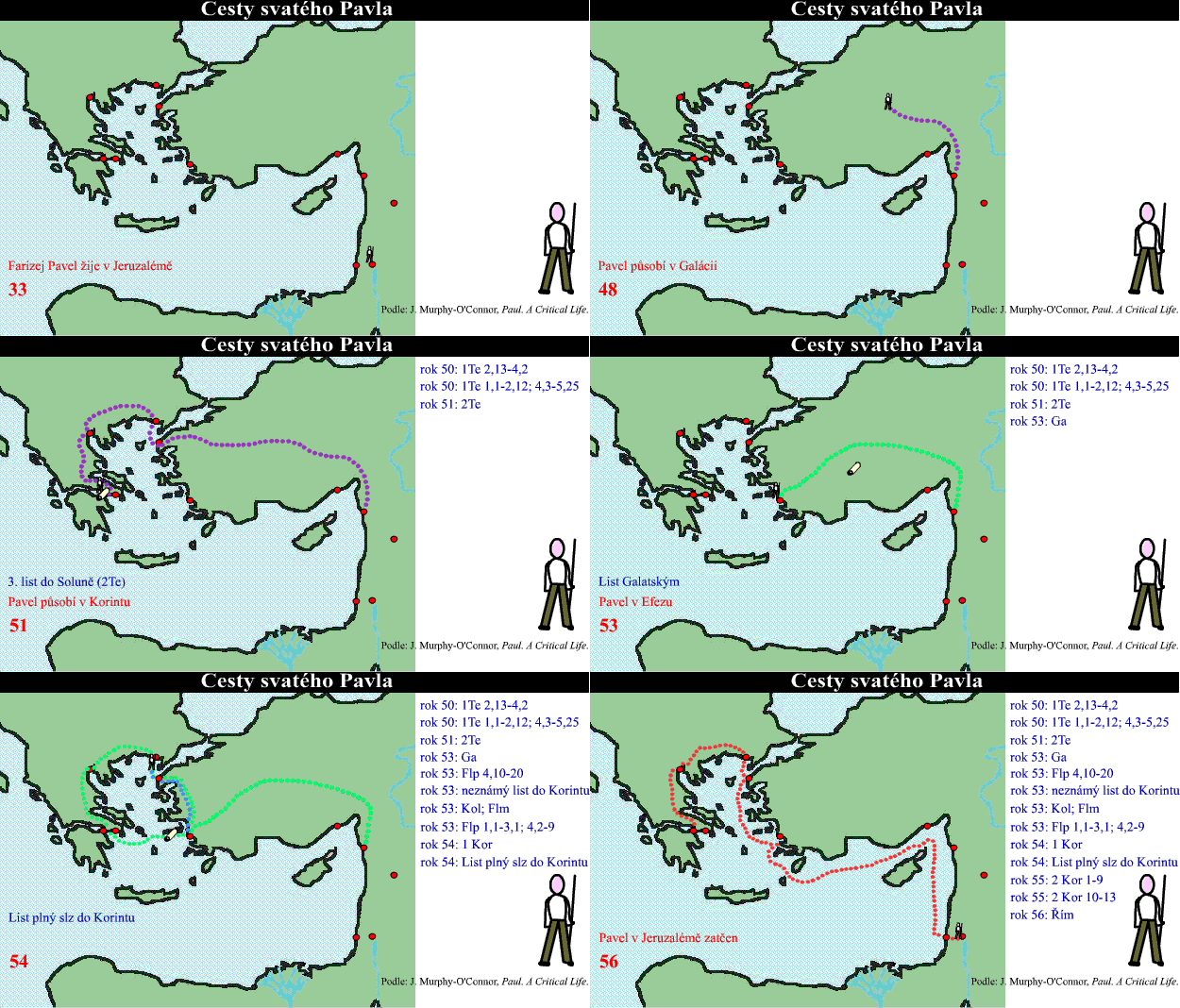
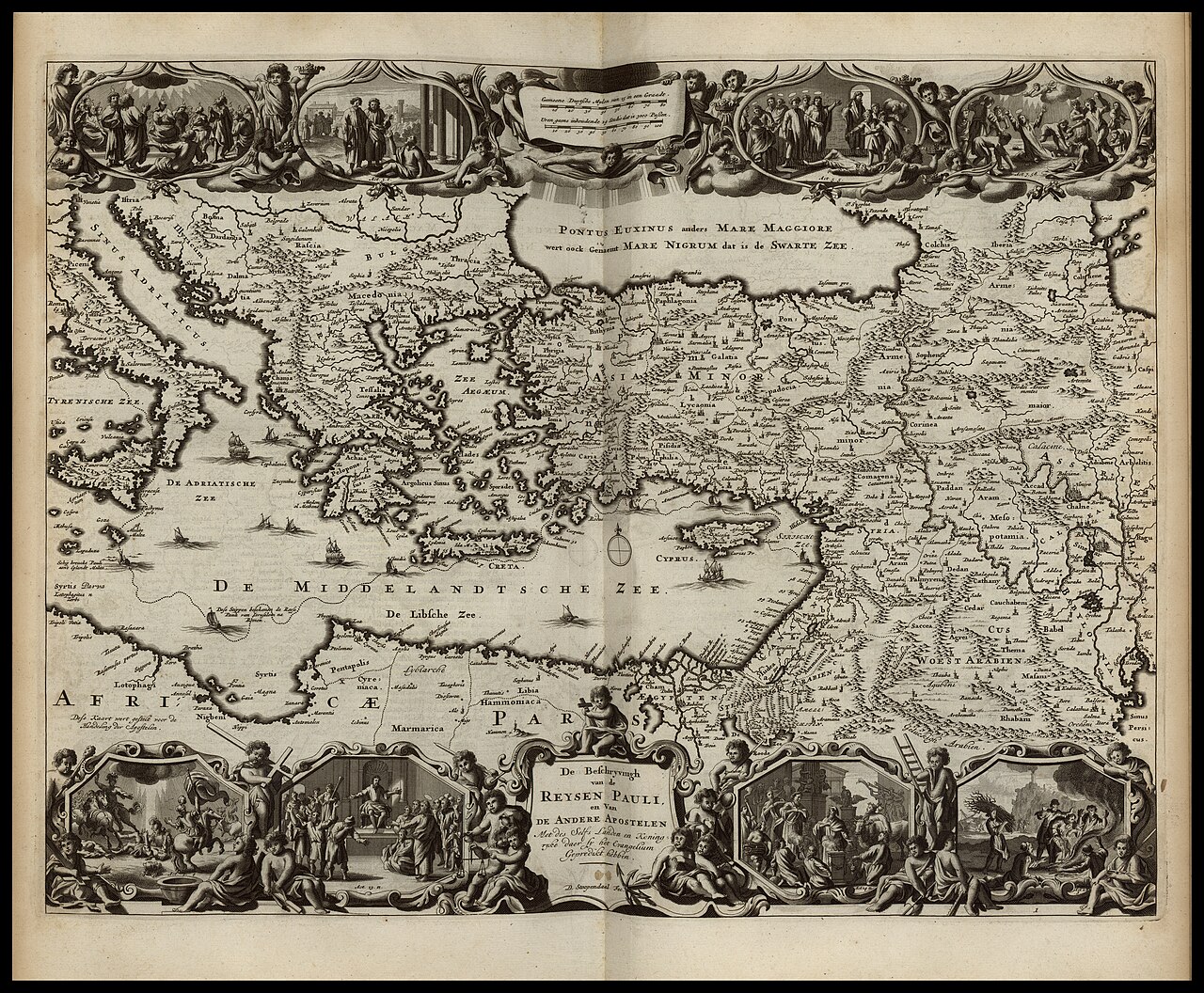
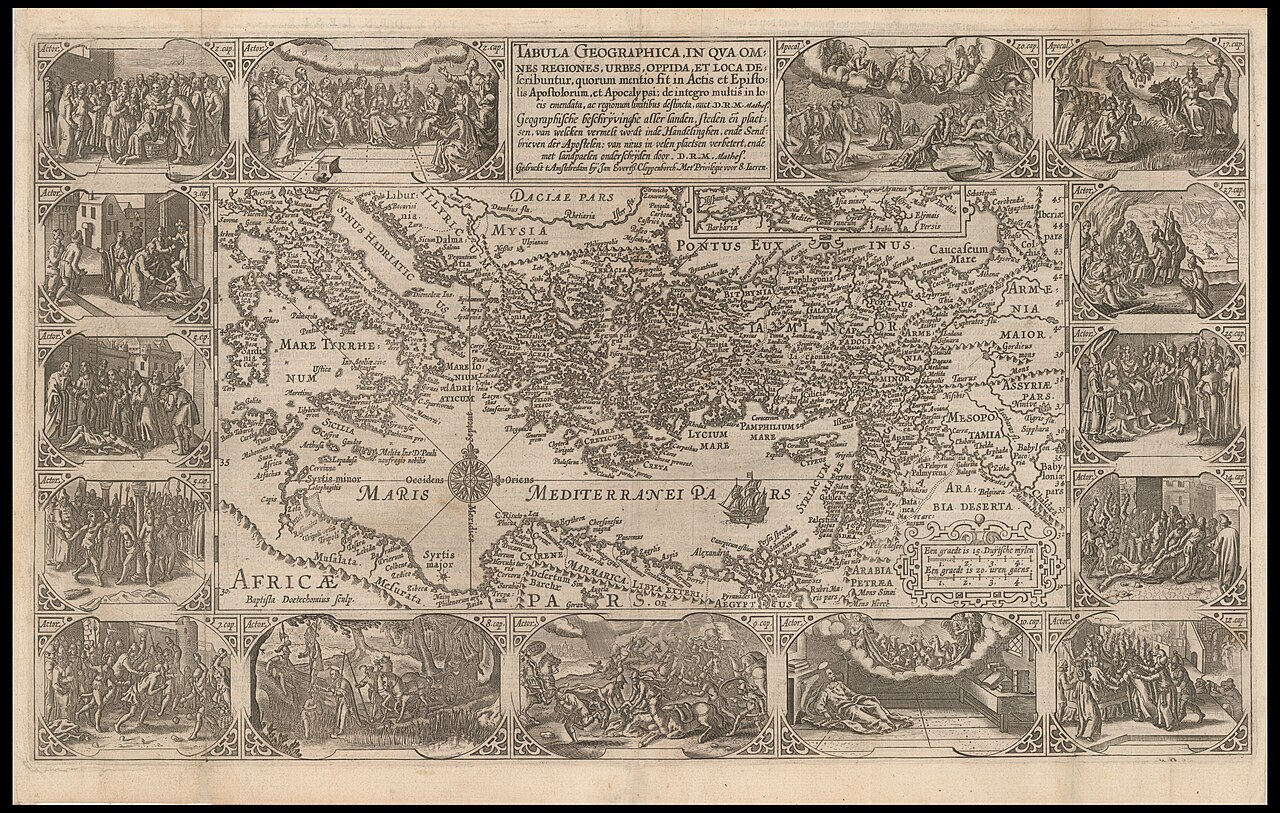
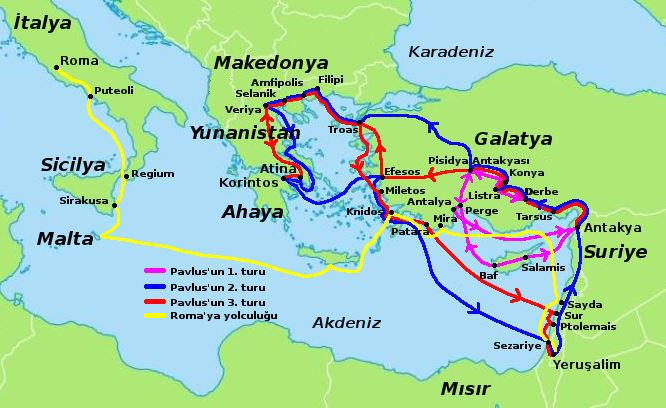
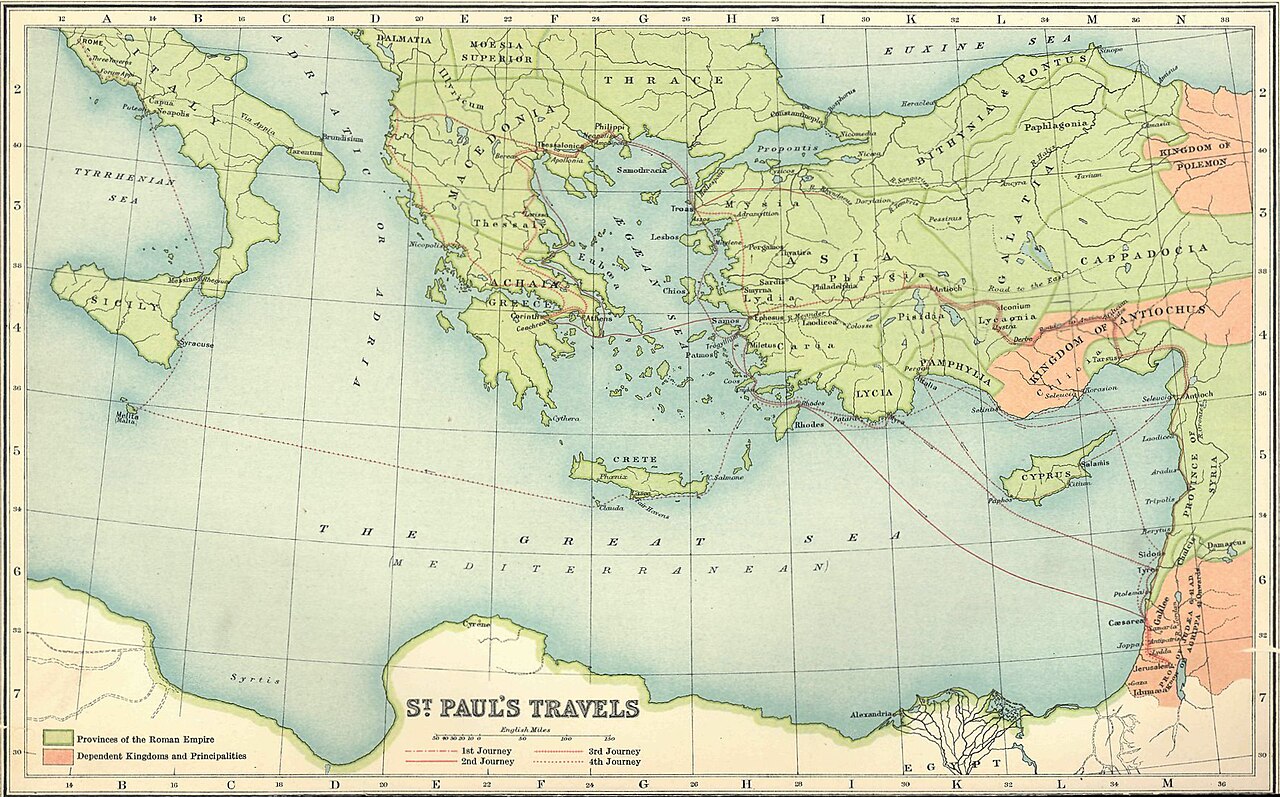
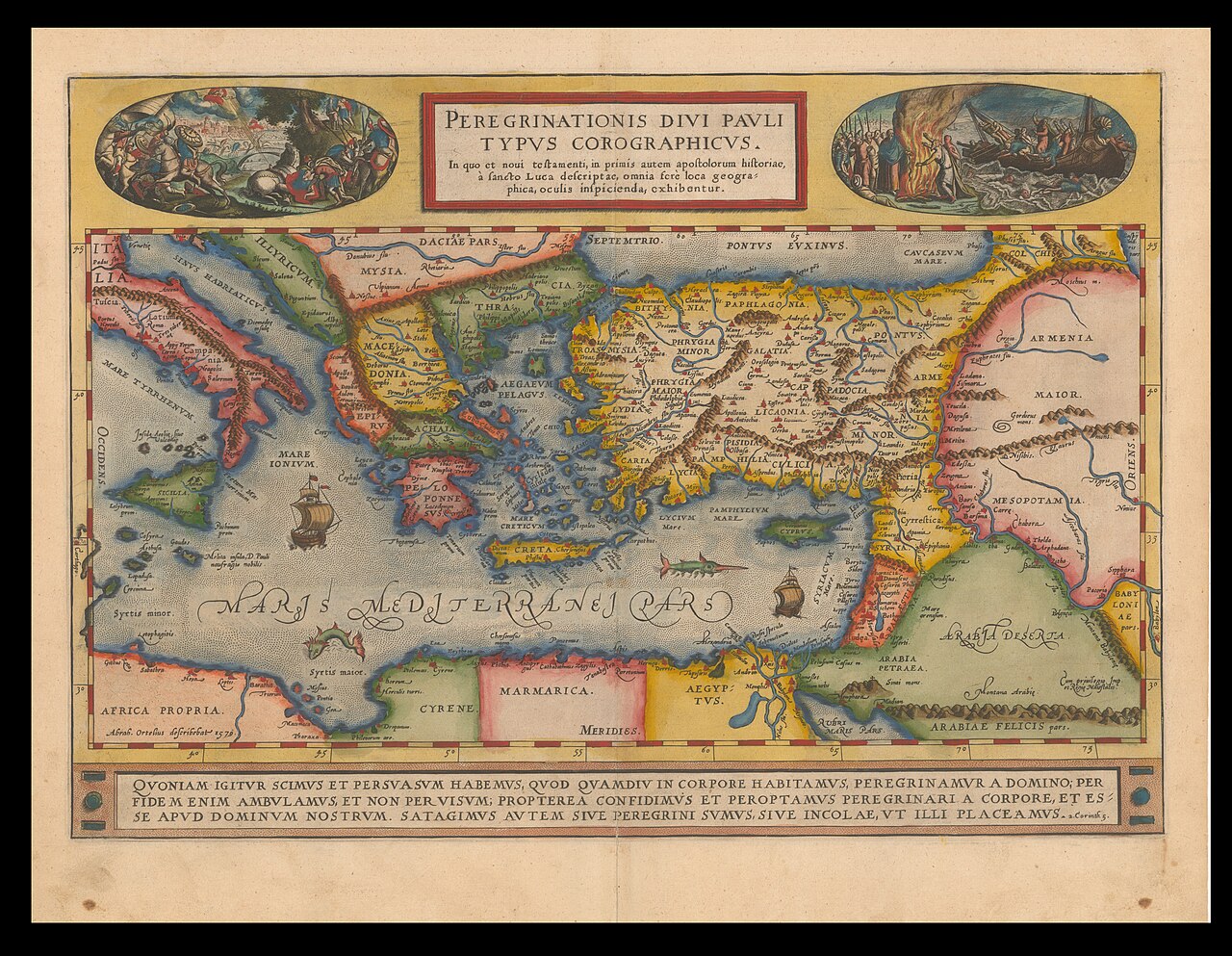
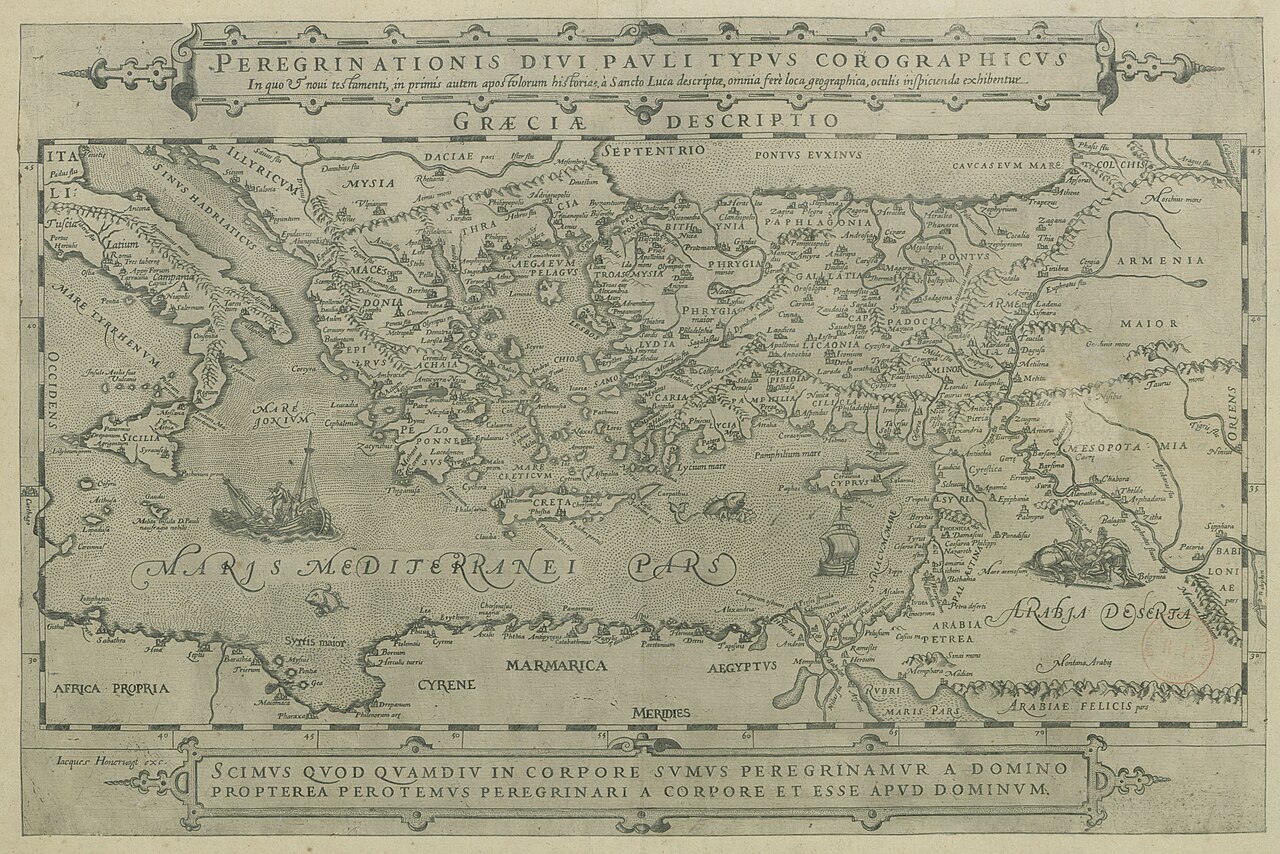
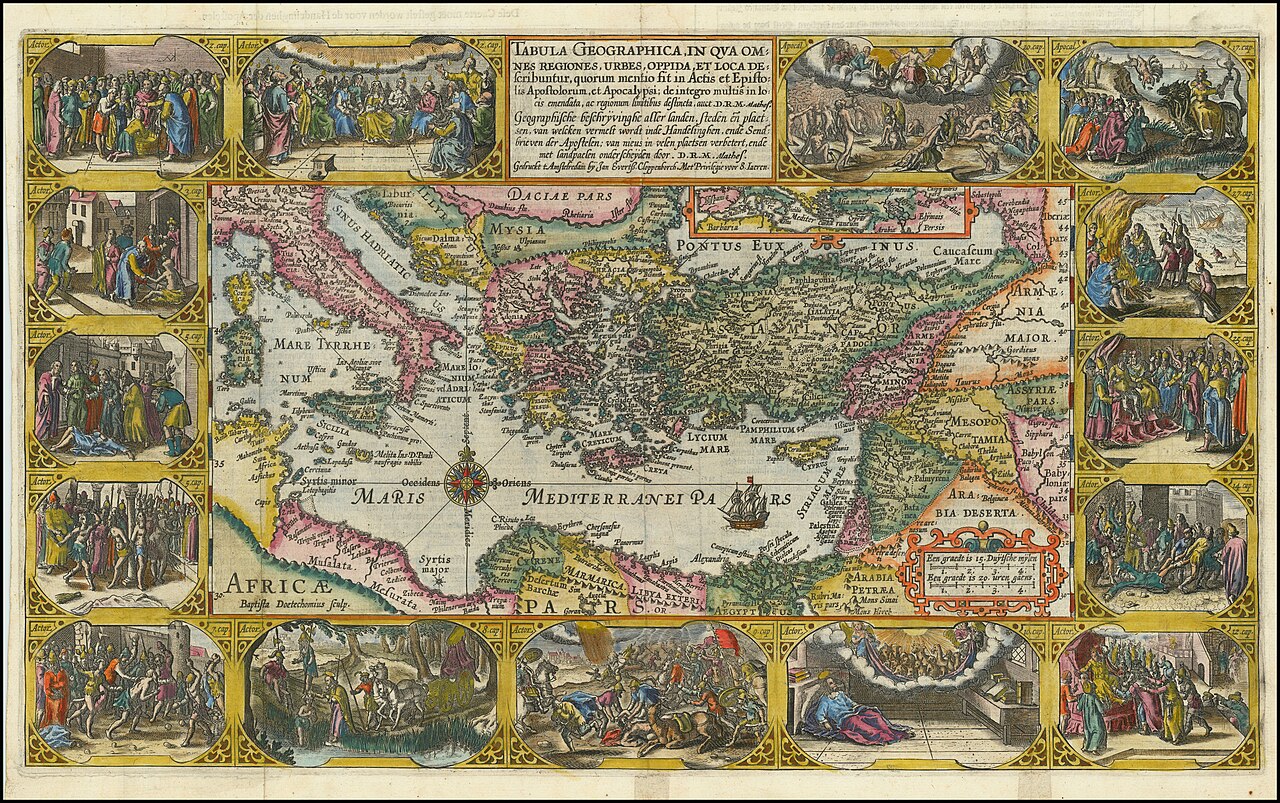
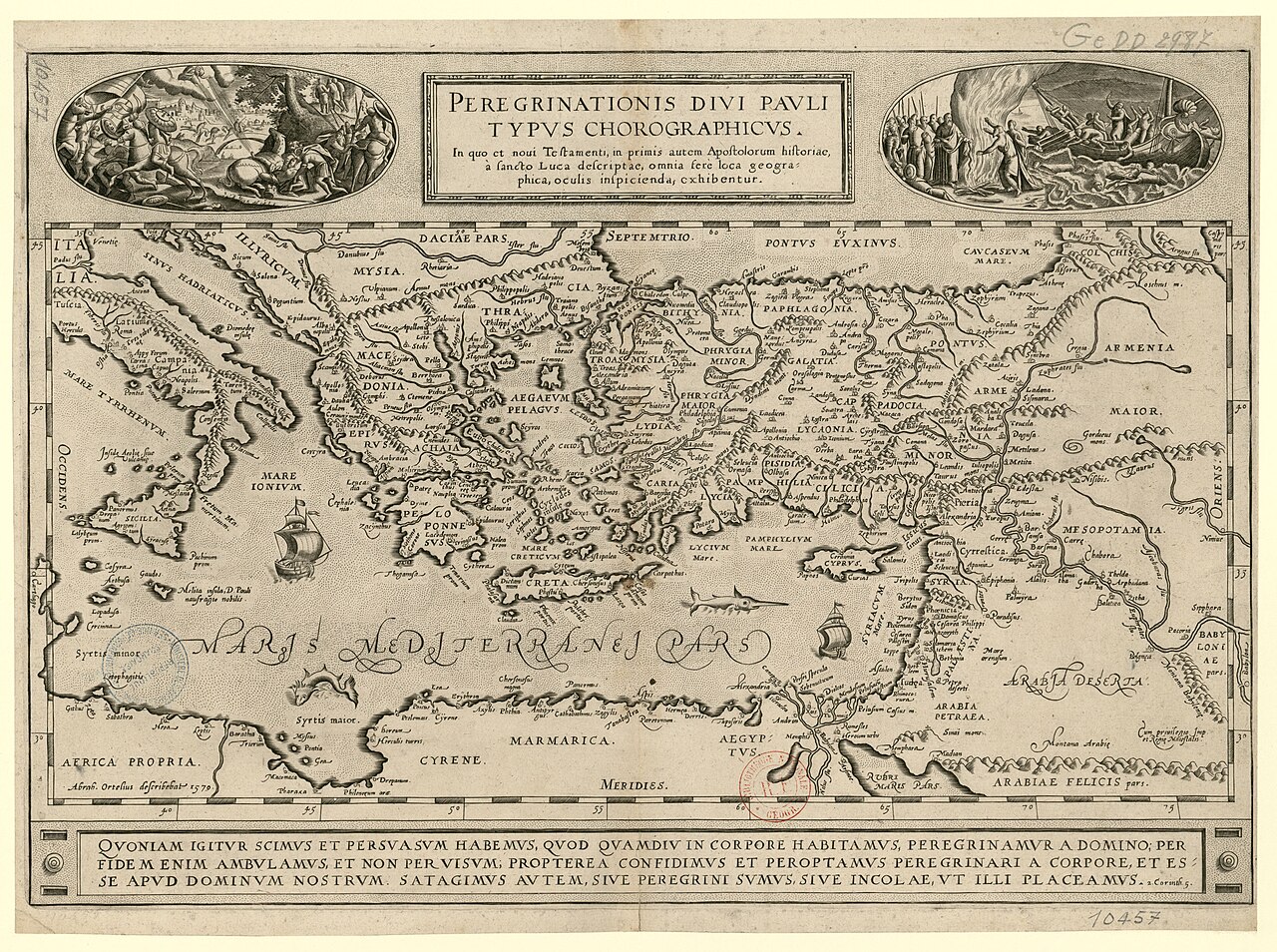
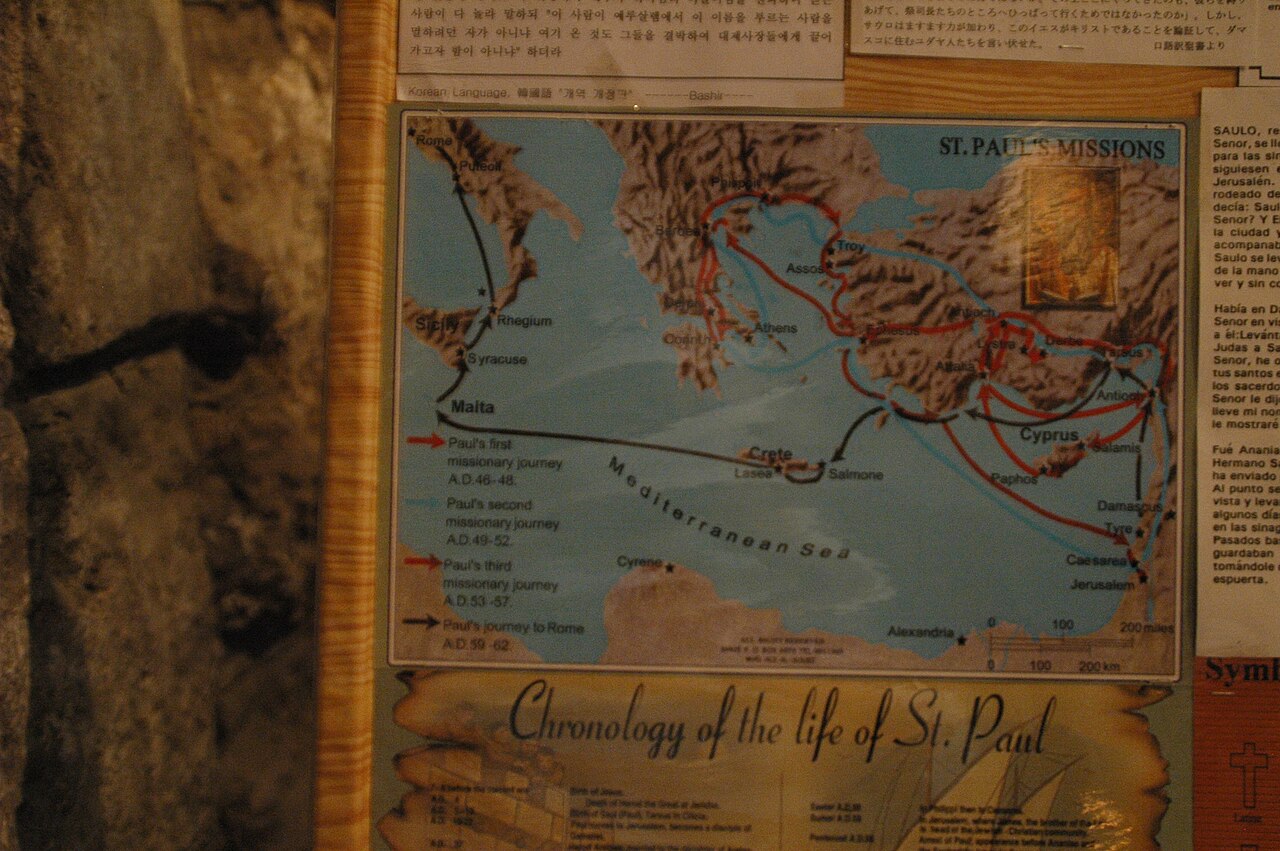
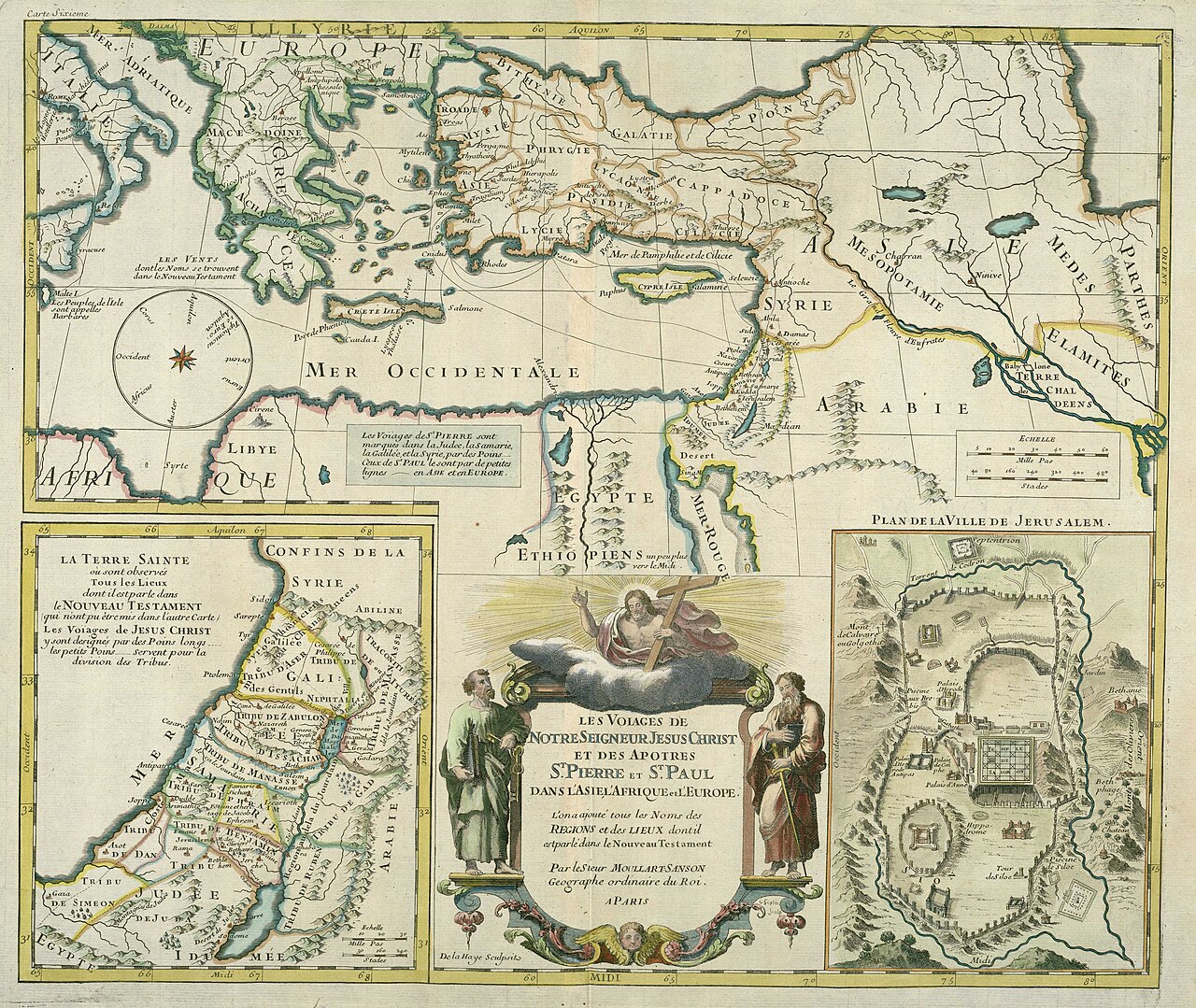
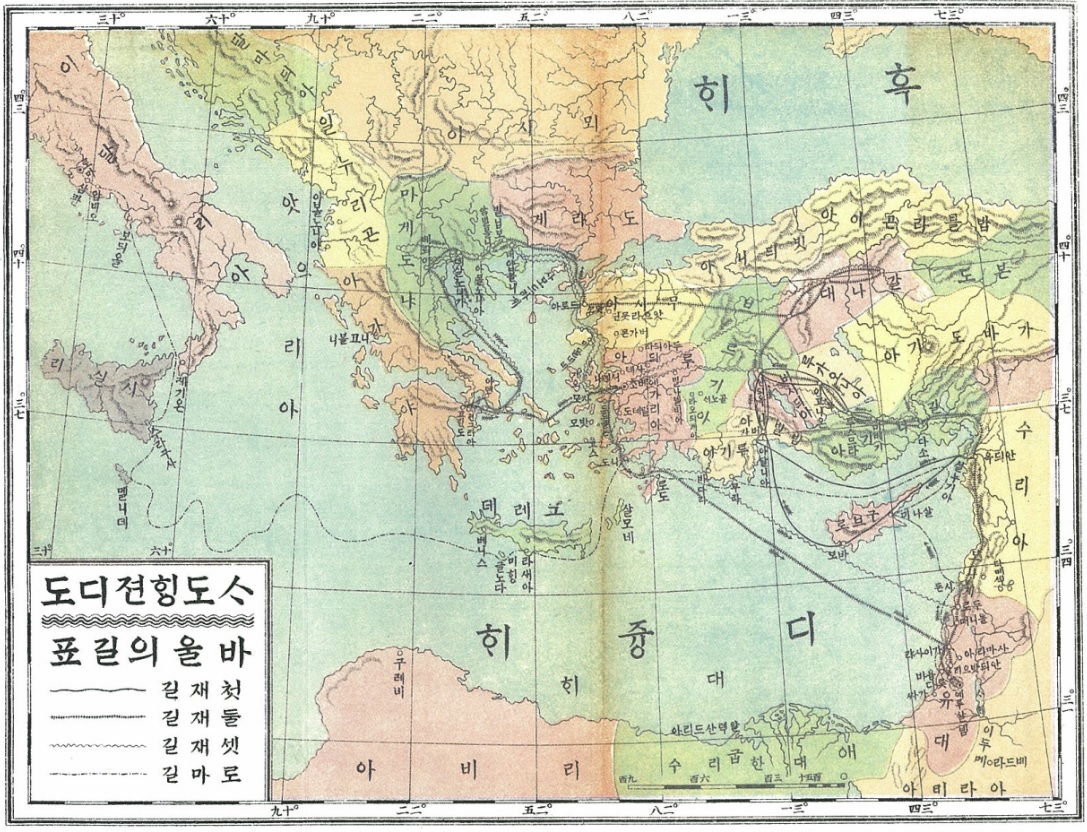
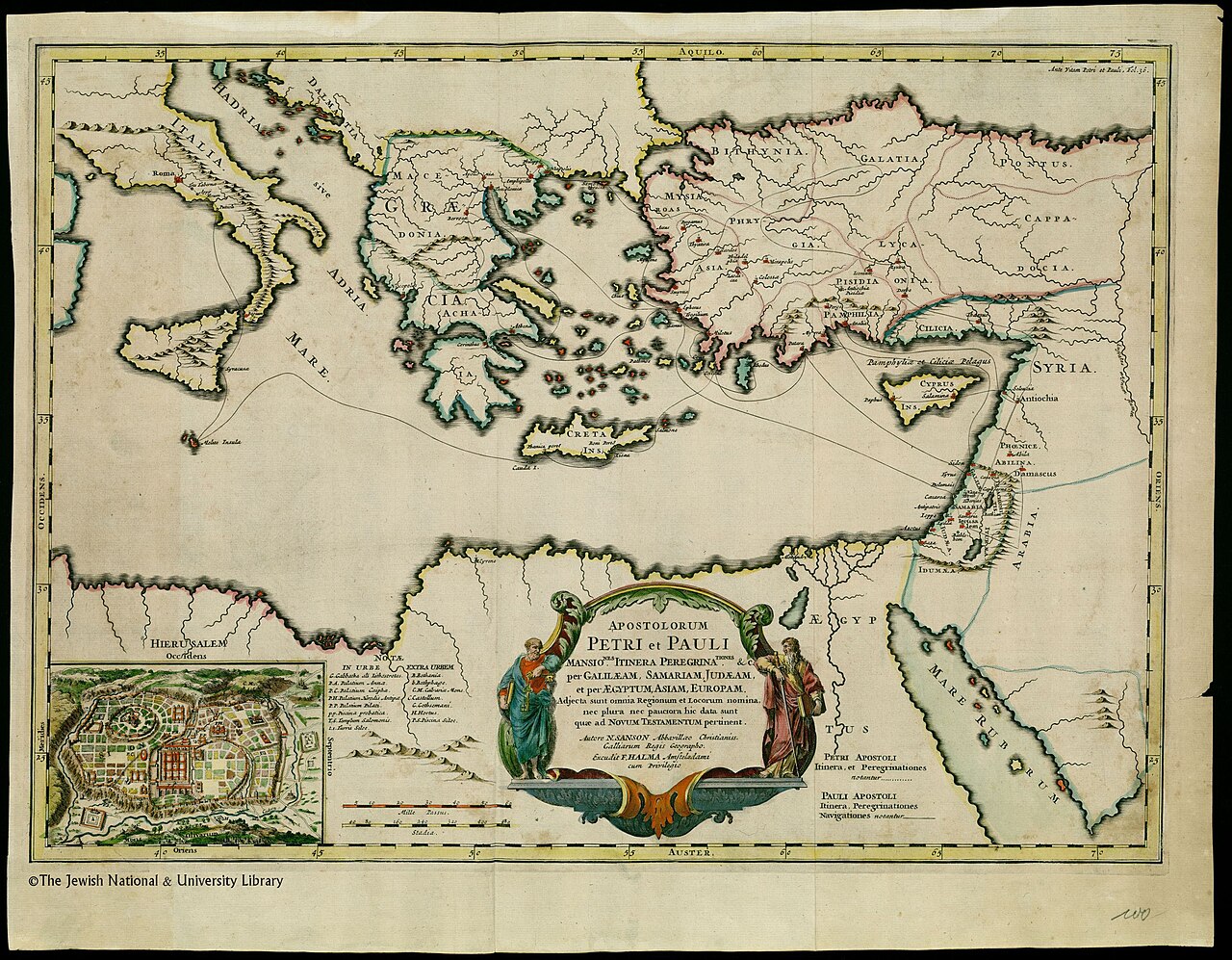
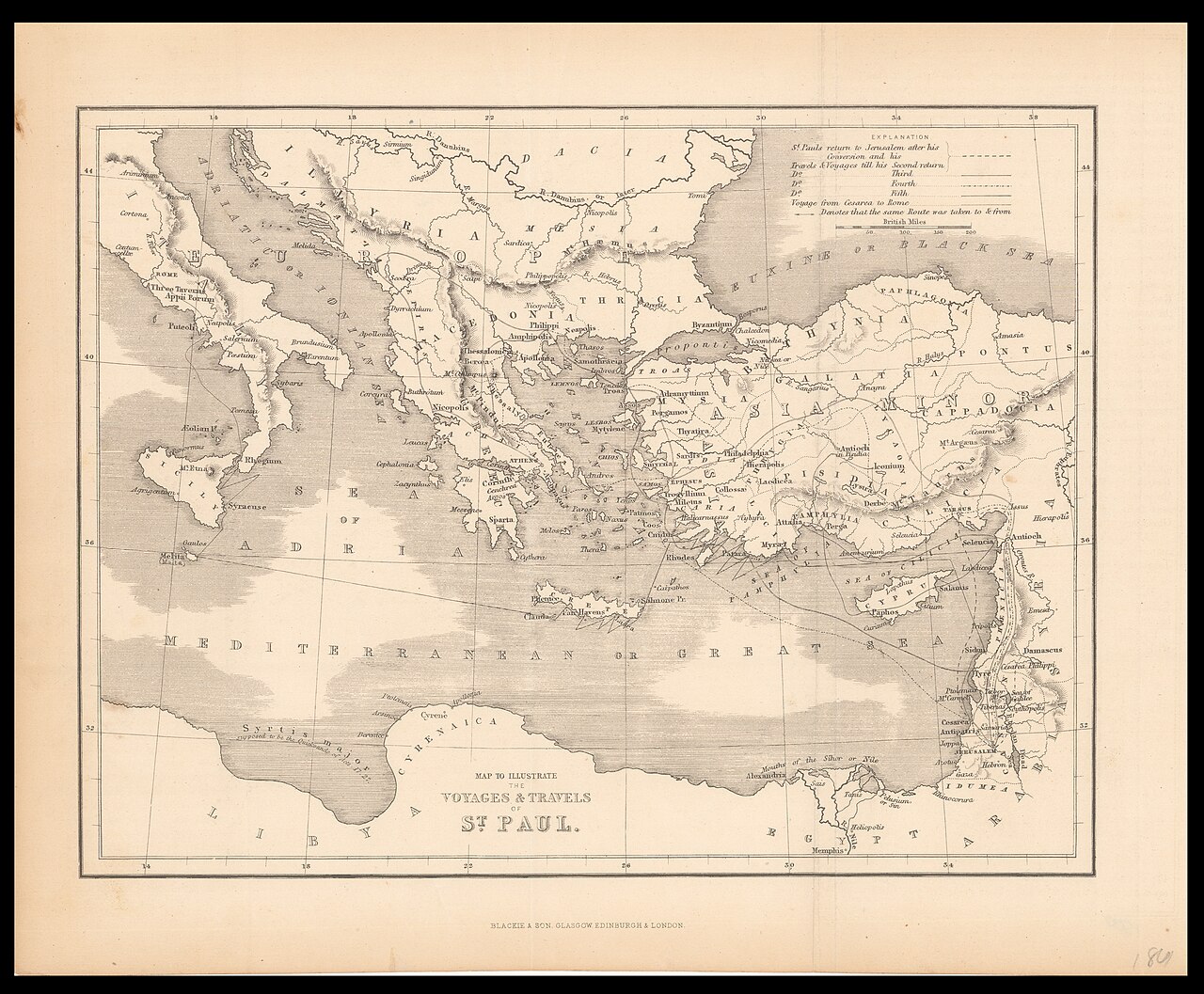
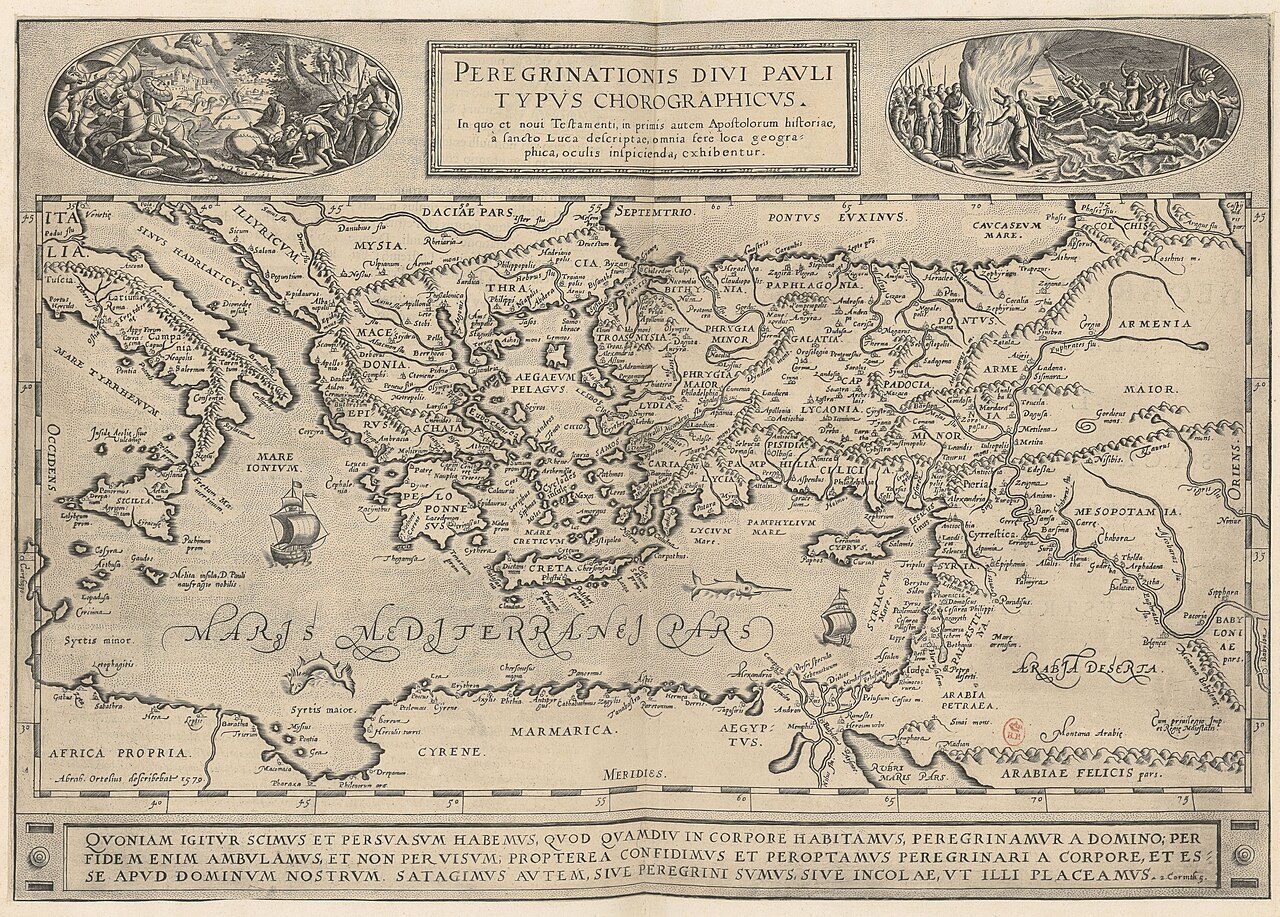
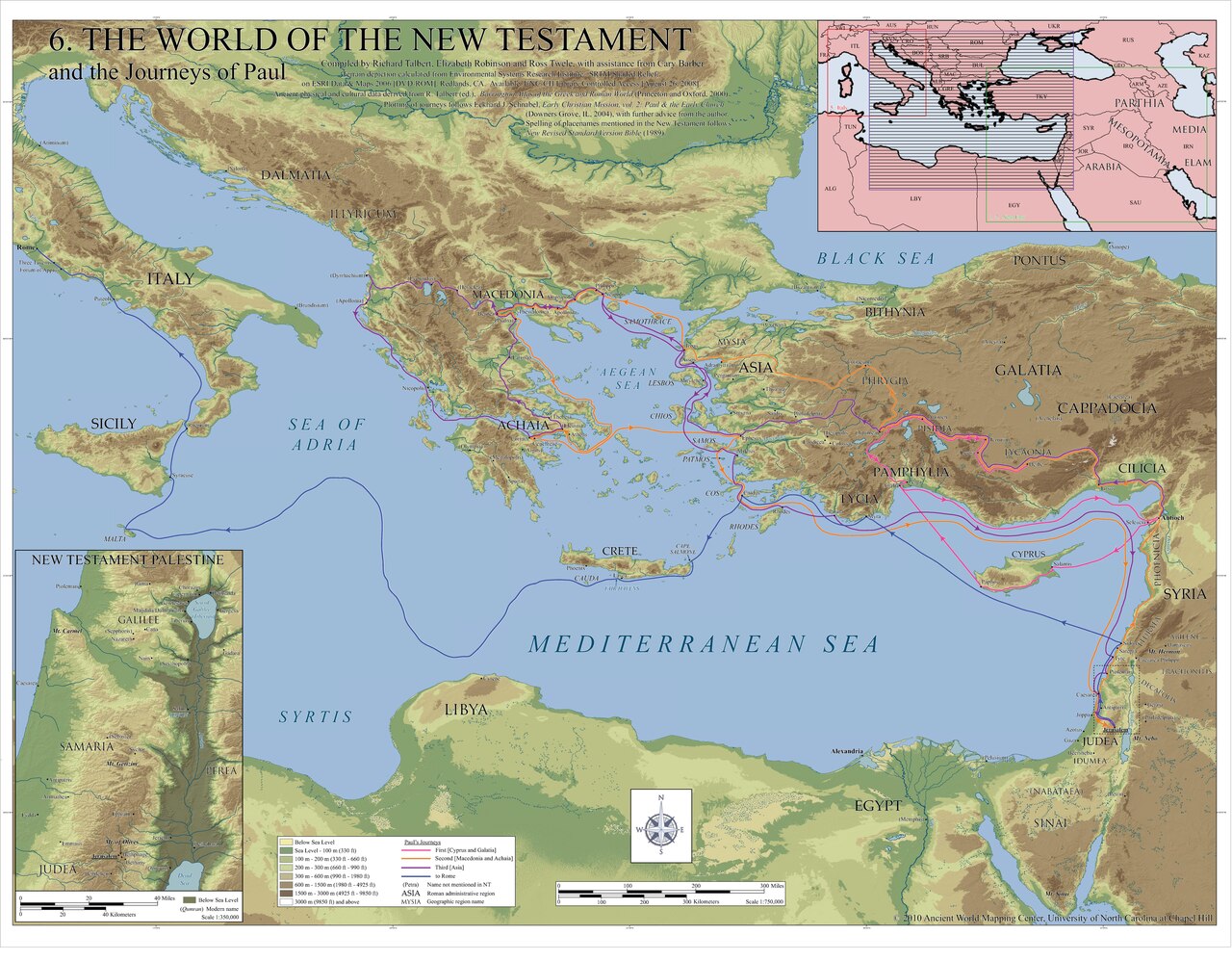
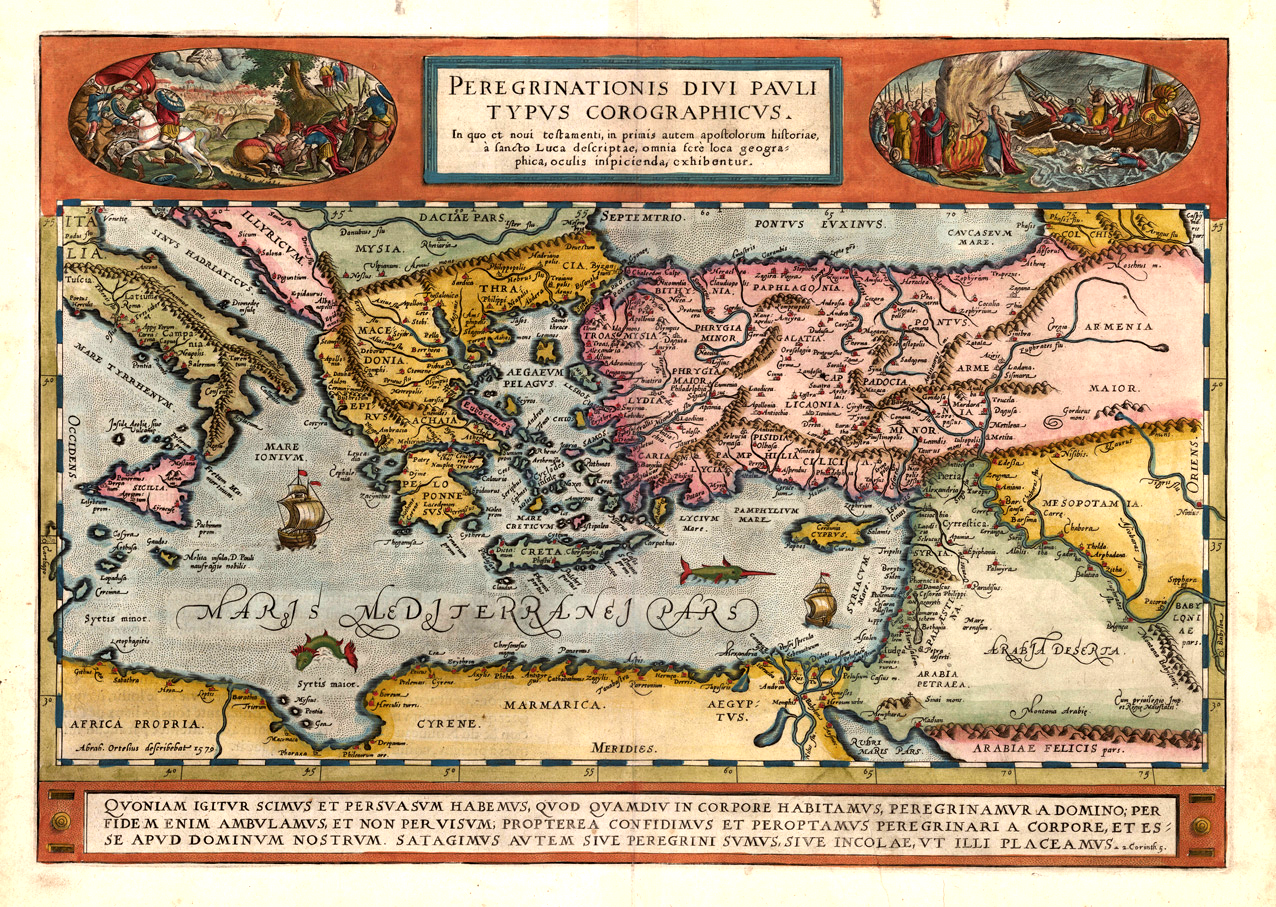
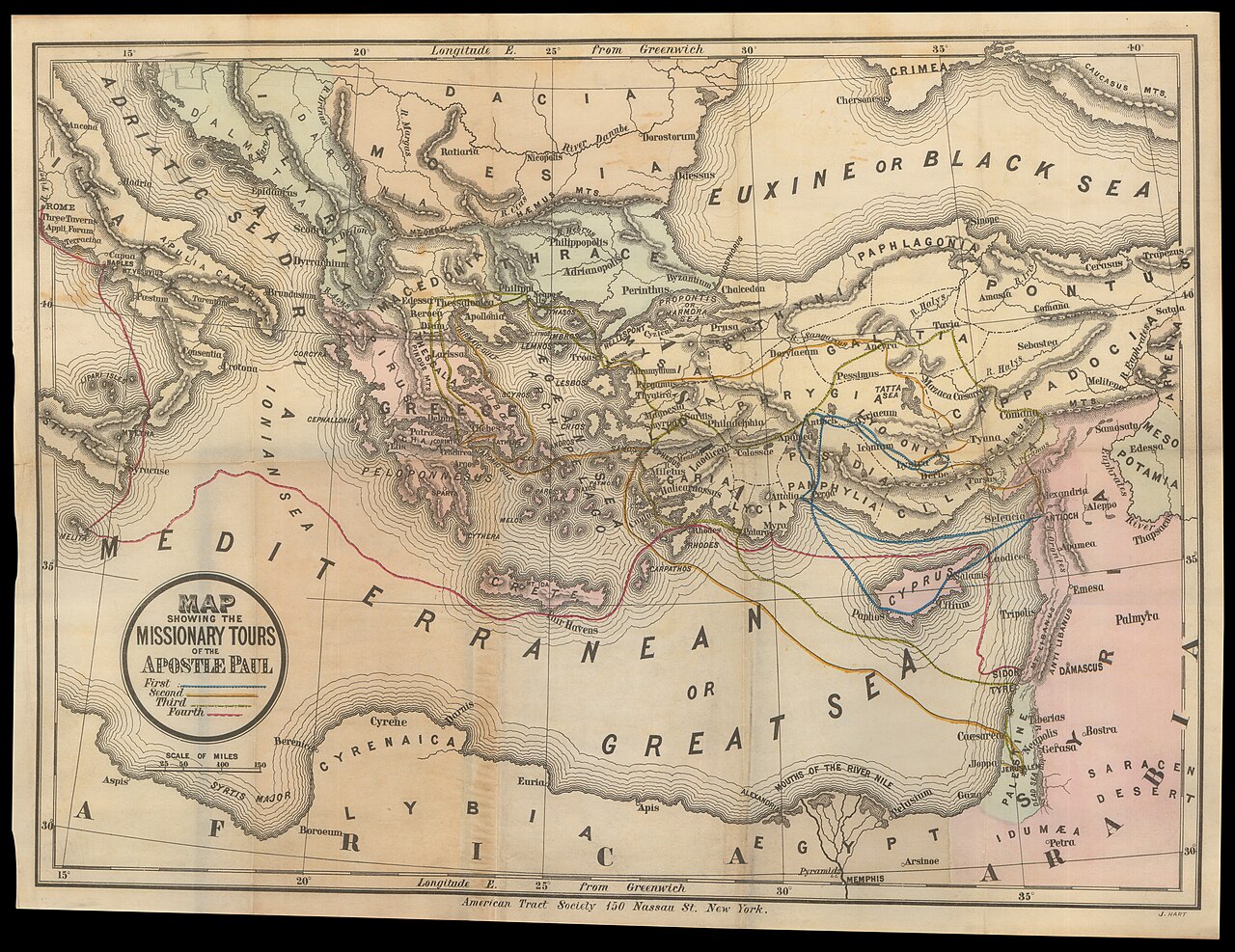
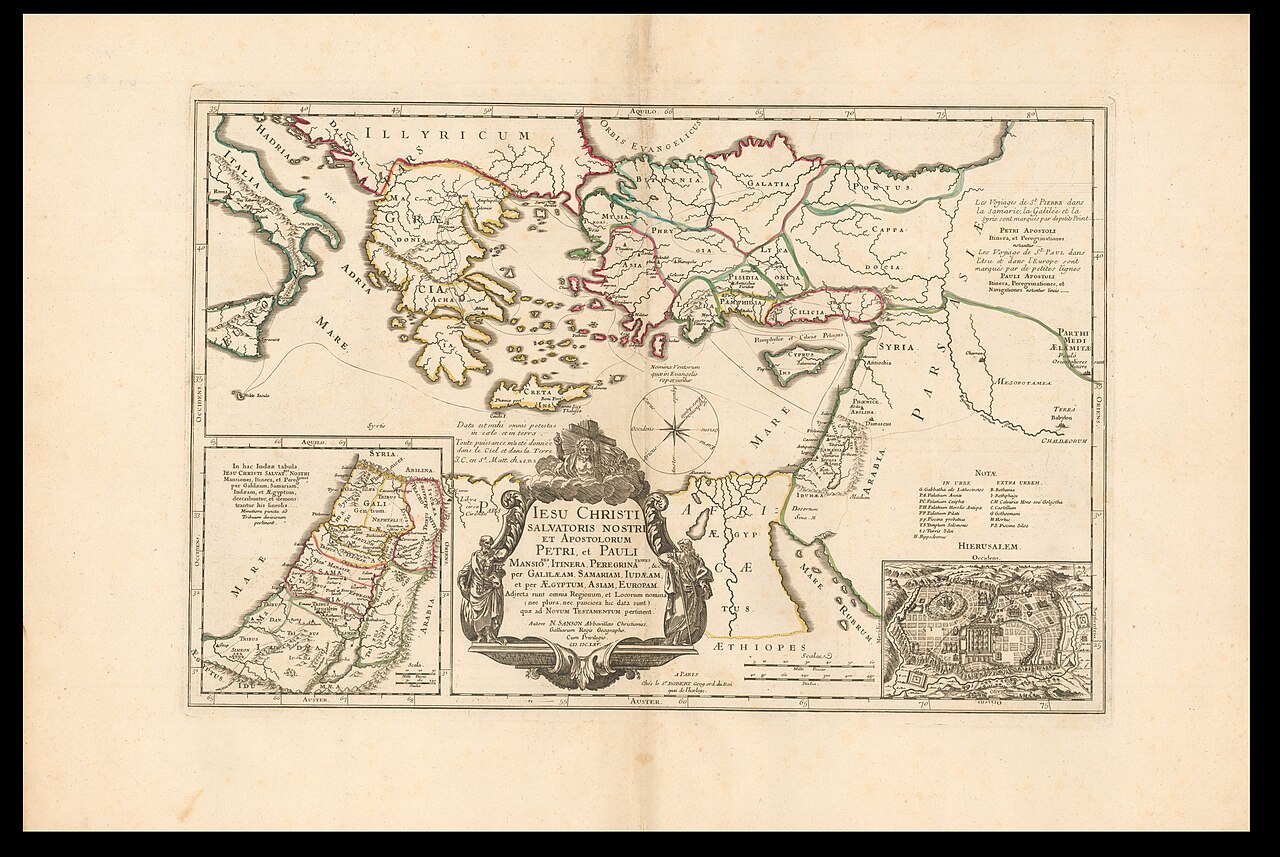
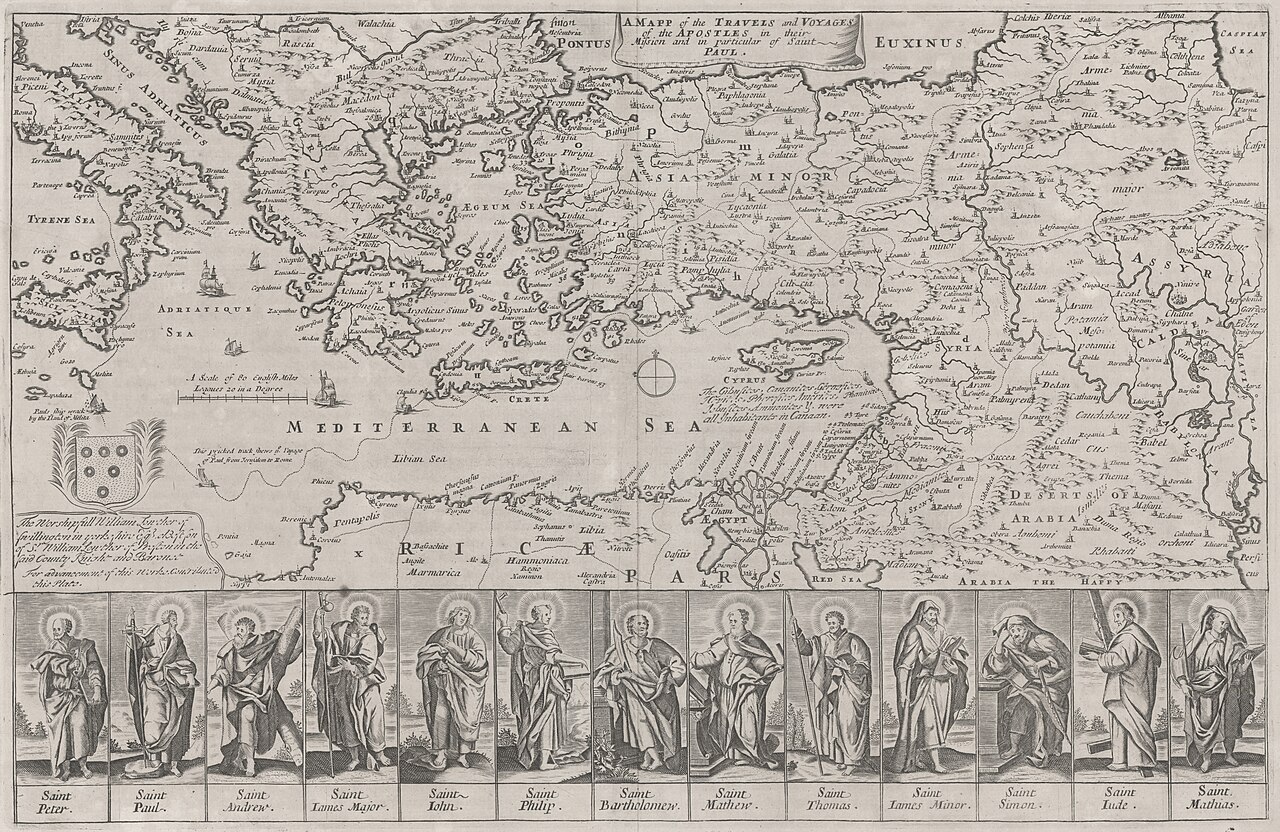
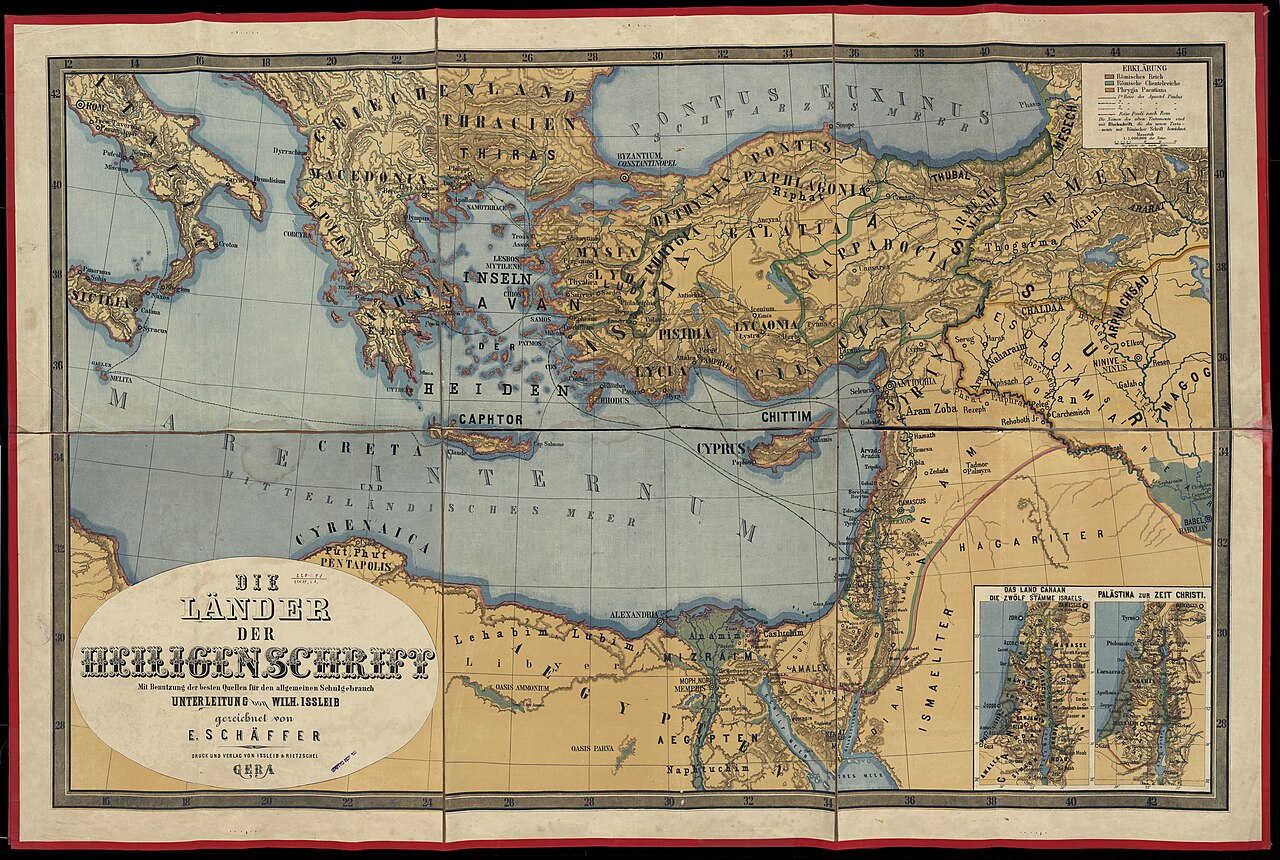
The first circuit links Perga, Antioch in Pisidia, Iconium, Lystra and Derbe. John Mark returns to Jerusalem from Perga. Synagogue preaching produces both adherents and opposition. At Lystra, a reported healing leads to attempted worship of the missionaries under the names Jupiter and Mercurius, which they reject; Paul is subsequently stoned. The return visits strengthen the communities and appoint elders, followed by a report to Antioch in Syria. These notices concern the formation and continuing oversight of churches, not merely a sequence of travel stops. Acts 13:13-52 Acts 14:1-28 (First Missionary Journey) (Mission to Iconium) (Mission to Lystra and Derbe) (Paul is stoned at Lystra)
Gentile membership becomes a major question of communal authority. In the Jerusalem assembly, Peter speaks about salvation through grace, Barnabas and Paul report their work, and James proposes practical requirements concerning idols, sexual misconduct, blood and strangled animals. Judas Barsabbas and Silas carry and explain the decision. Paul’s letter separately names Titus as not compelled to undergo circumcision and records disagreement with Peter over separation from Gentile table fellowship. The documents should be read in their respective settings rather than converted into an unqualified rejection of every Jewish practice. Acts 15:1-41 Gal 2:1-14
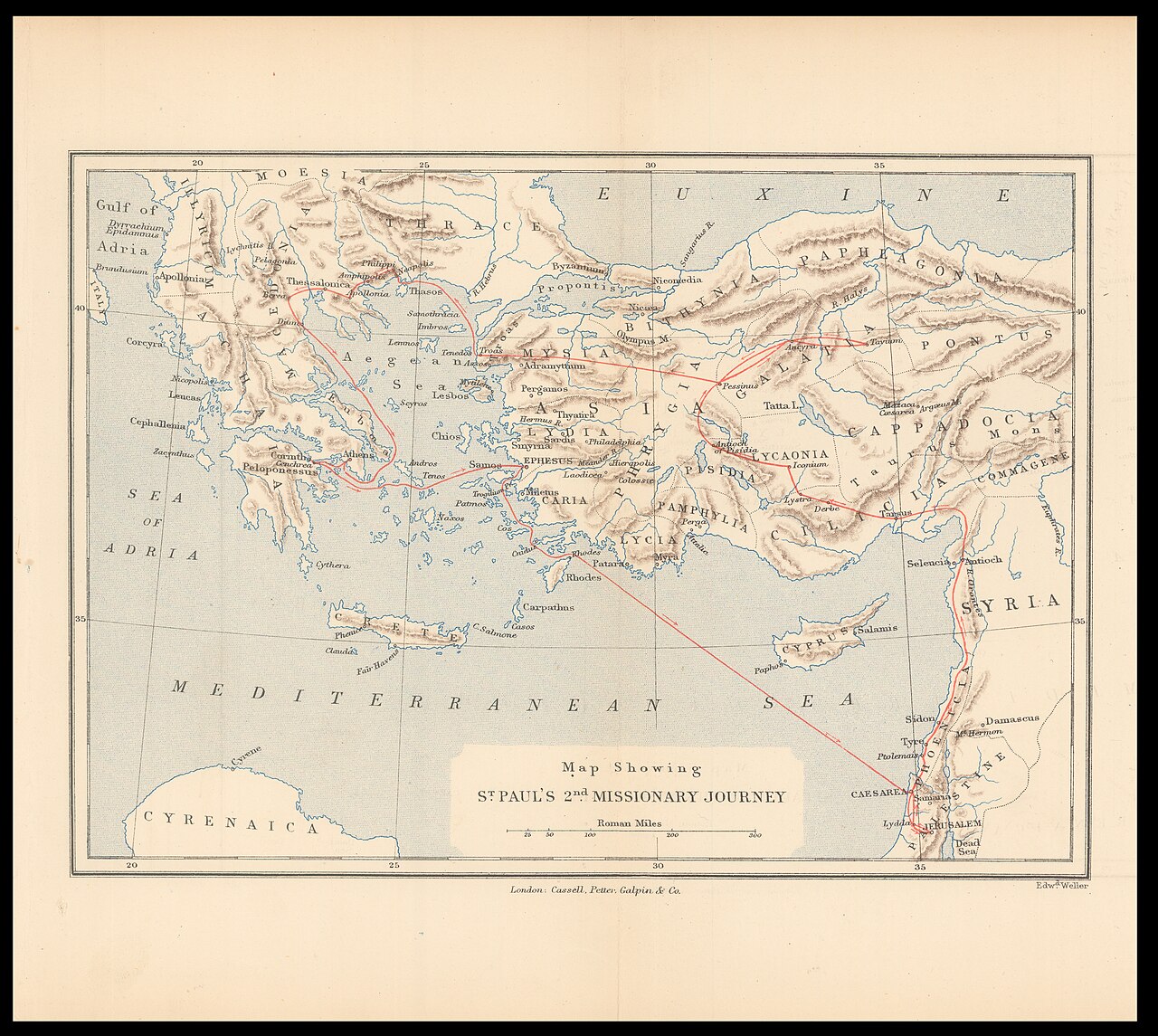
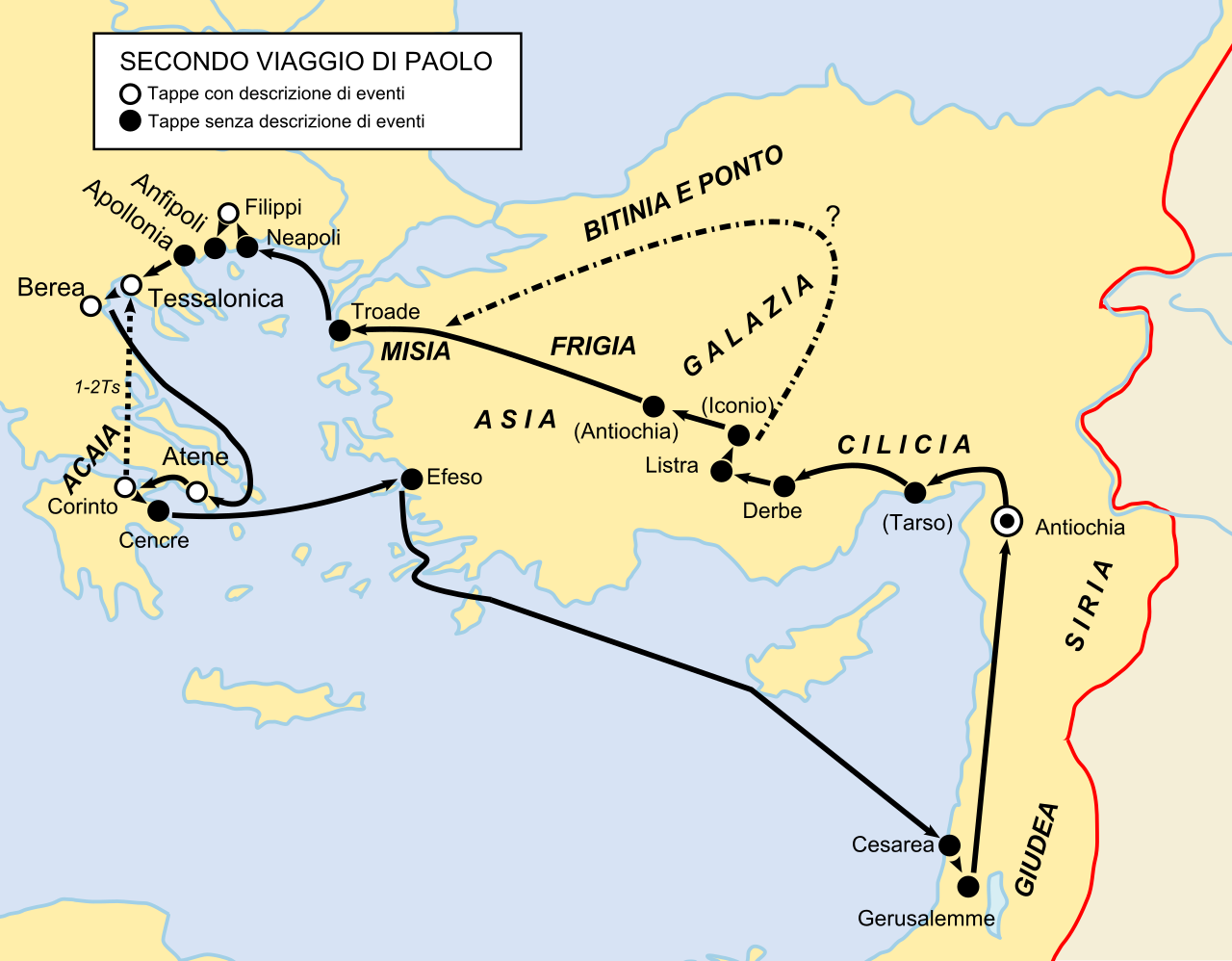
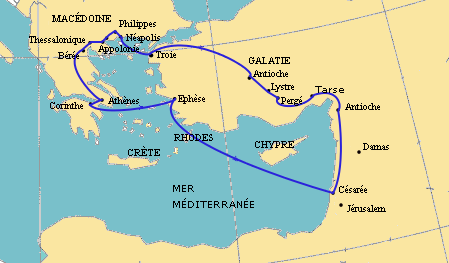
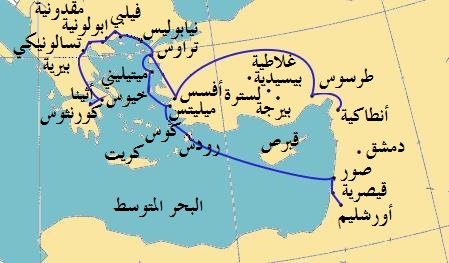
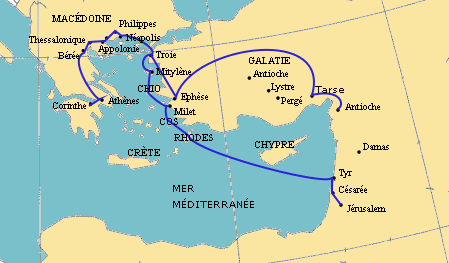
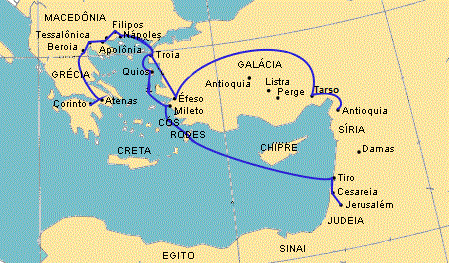
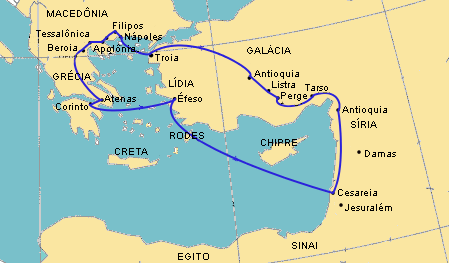
A dispute over John Mark separates Paul’s work from Barnabas’s; Paul travels with Silas, and Timothy joins the mission. In Philippi, Lydia, a seller of purple goods from Thyatira, receives baptism with her household and offers hospitality. The removal of a divining spirit from an unnamed enslaved girl threatens her owners’ income and leads to imprisonment of Paul and Silas. The episode records the jailer’s conversion and the magistrates’ concern when the prisoners assert their Roman status. At Thessalonica, the message centers on Jesus’ suffering and resurrection; Jason receives Paul and Silas in his house; after opponents bring him and other believers before the authorities, they are released on security. The Berean hearers examine Scripture daily. Acts 15:1-41 Acts 16:1-40 Acts 17:1-15 (Timothy Joins Paul and Silas) (Lydia's Conversion) (Paul casts demon out of soothsayer) (Paul and Silas imprisoned) (Philippian jailer converted) (Uproar in Thessalonica) (Mission to Berea)
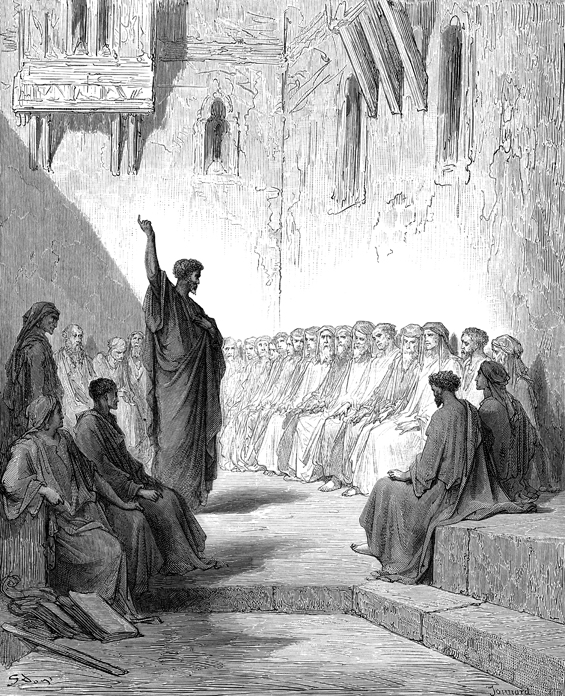
The Athenian address encounters Epicurean and Stoic philosophers and uses the Areopagus setting to discuss God as Creator, repentance and resurrection. Dionysius and Damaris are named among those who believe. In Corinth, Paul works at tentmaking with Aquila and Priscilla, who had left Rome following Claudius’s order. Justus provides a nearby household setting, and Crispus believes with his household. Gallio declines the religious-law dispute brought against Paul; Sosthenes is beaten before the tribunal. The stay is given as a year and six months. Acts 17:16-34 Acts 18:1-28 (Paul preaches in Athens) (Mission to Corinth, 1&2 Thess Written) (Gallio declines the accusation against Paul)
The hearing before Gallio at Corinth also has external chronological context. A reconstructed imperial letter from Claudius, dated 52 CE, names Gallio as current proconsul. Some readings and the recipient remain disputed. The letter helps place the officeholder named in Acts, while leaving the exact calendar of Paul’s other journeys unresolved. James H. Oliver’s publication Acts 18:1-28
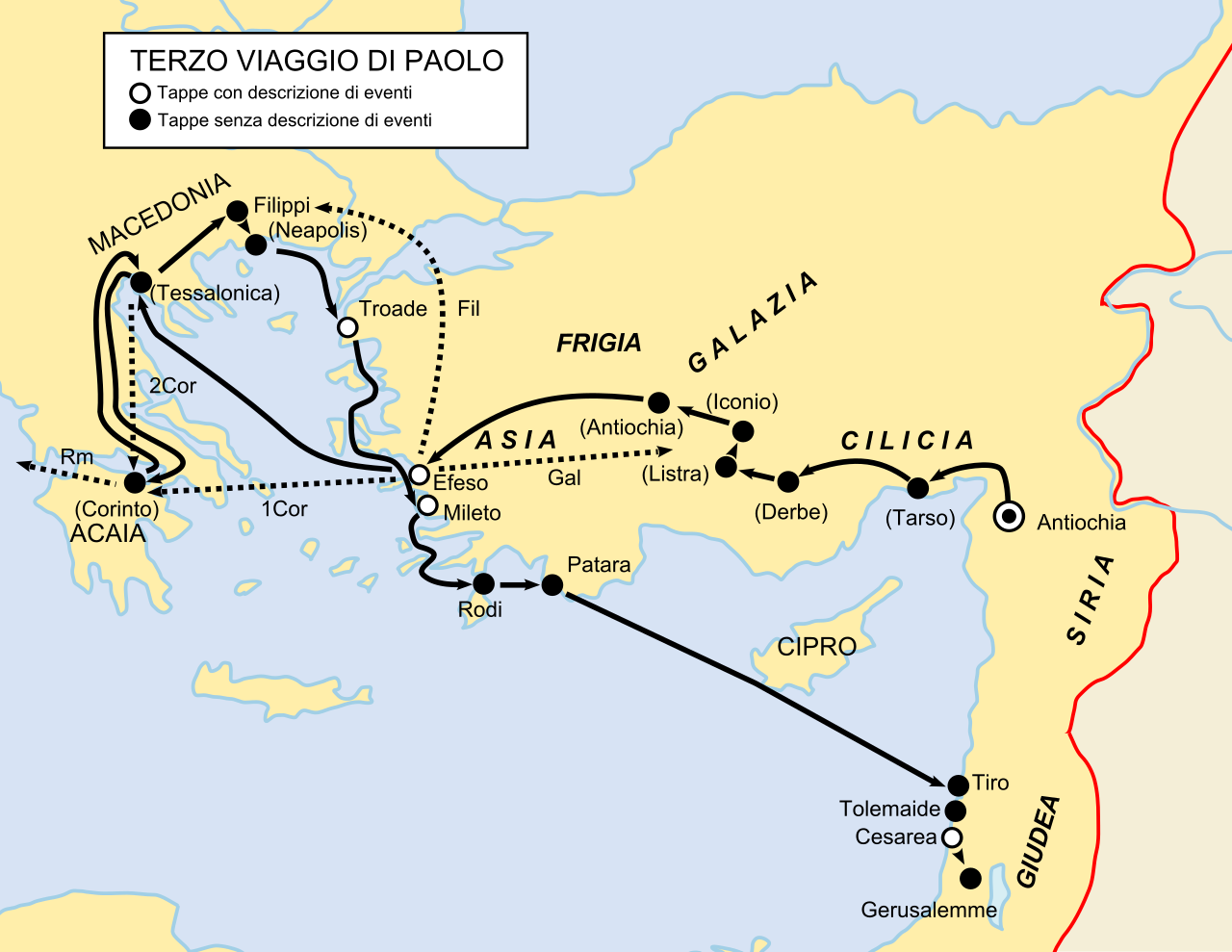
Teaching networks extend to Apollos, whom Priscilla and Aquila instruct more fully, and to sustained work in Ephesus at the school associated with Tyrannus. The source reports healings, the failed use of Jesus’ name by Sceva’s sons, and believers’ renunciation of magical practices. Timothy and Erastus serve the wider mission. Economic opposition comes from Demetrius and the shrine trade associated with Diana. Aristarchus and the Macedonian Gaius are seized in the disturbance, and Alexander is put forward before the crowd. The town clerk directs disputes toward lawful proceedings. Acts 18:1-28 Acts 19:1-41 (Mission to Ephesus/1 Cor Written) (Riot in Ephesus) (Paul meets disciples at Ephesus) (The failed invocation at Ephesus and the burning of magic books)
A later travel list names Sopater from Berea, Aristarchus and Secundus from Thessalonica, Gaius from Derbe, Timothy, Tychicus and Trophimus. The Troas gathering includes the reported restoration of Eutychus after a fatal fall. From Miletus, Paul calls the Ephesian elders and reviews teaching in public and households, care for the vulnerable and the danger of future distorted teaching. This establishes a network of collaborators and responsibility for communities after departure. Acts 20:1-38 (Eutychus revived) (Paul speaks to Ephesian Elders)
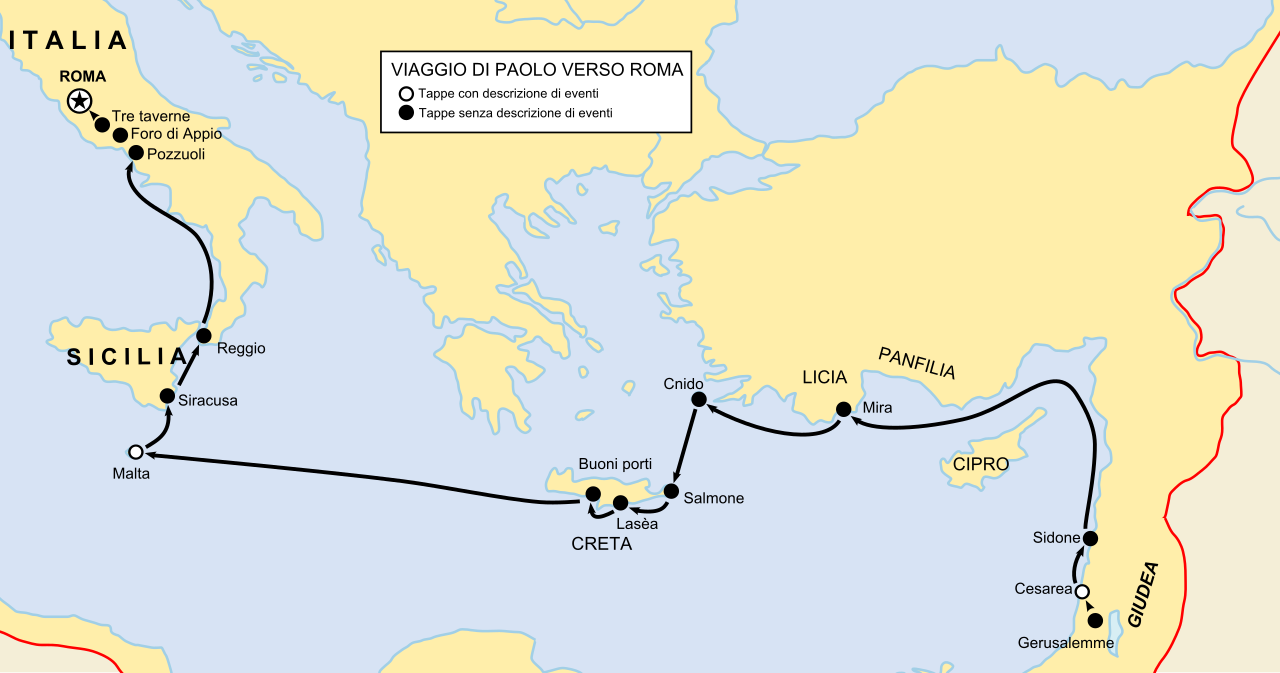
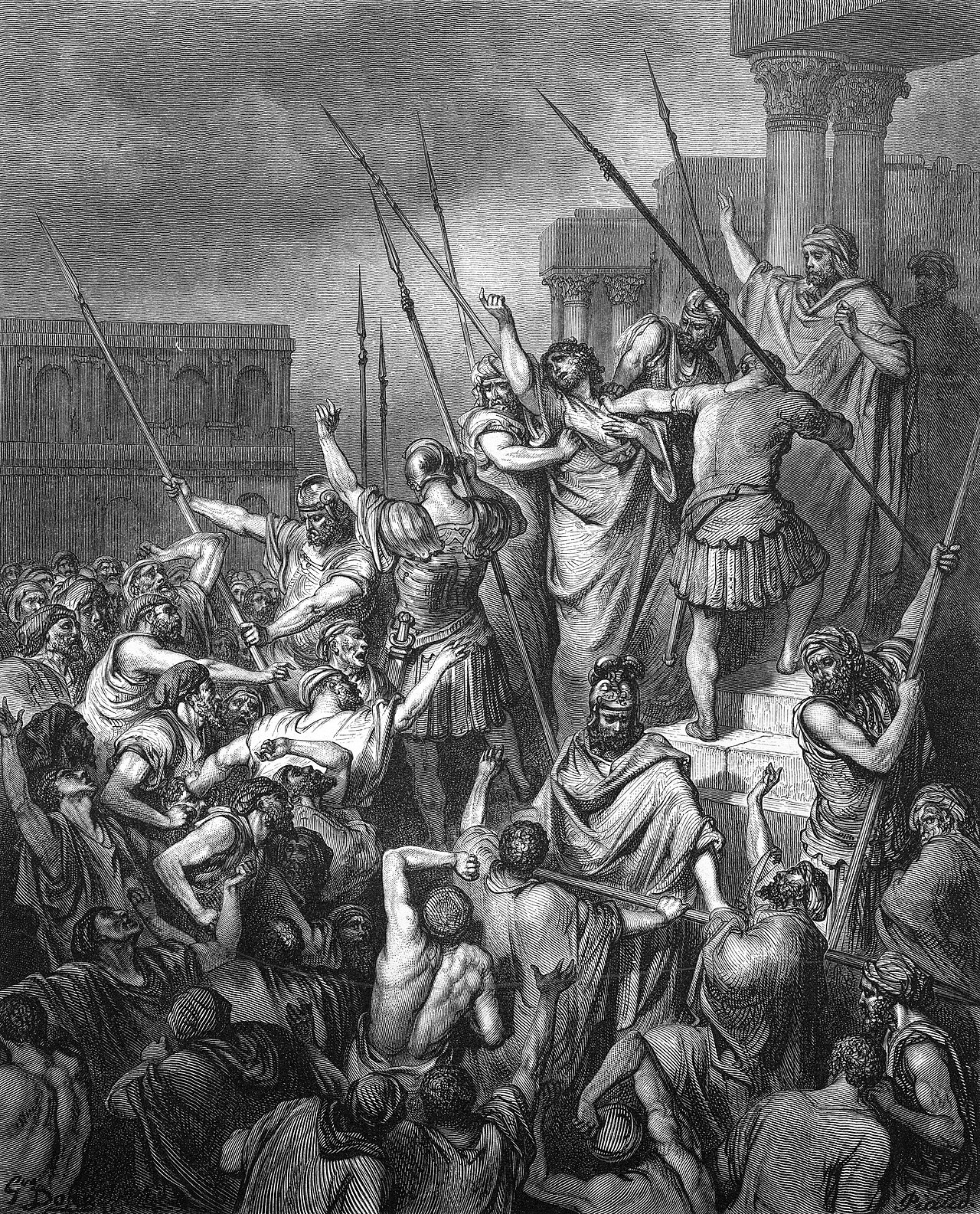
The legal narratives identify several distinct authorities. Ananias, the high priest, orders Paul struck in the council. Claudius Lysias arranges his transfer to Felix at Caesarea. Tertullus presents the accusation, while Paul defends his worship and hope of resurrection. Felix and his wife Drusilla later hear him. Under Festus, Paul appeals to Caesar, and Agrippa and Bernice participate in a further hearing. The account preserves claims, accusations and official responses; an accusation of disorder is not itself proof that Paul committed the alleged acts. Acts 23:1-10 Acts 23:23-35 Acts 24:1-27 Acts 25:1-27 Acts 26:1-32 (Paul goes before the Council) (Paul sent to Felix) (Paul appeals to Caesar) (Paul goes before Agrippa) (Paul answers the charge before Felix)
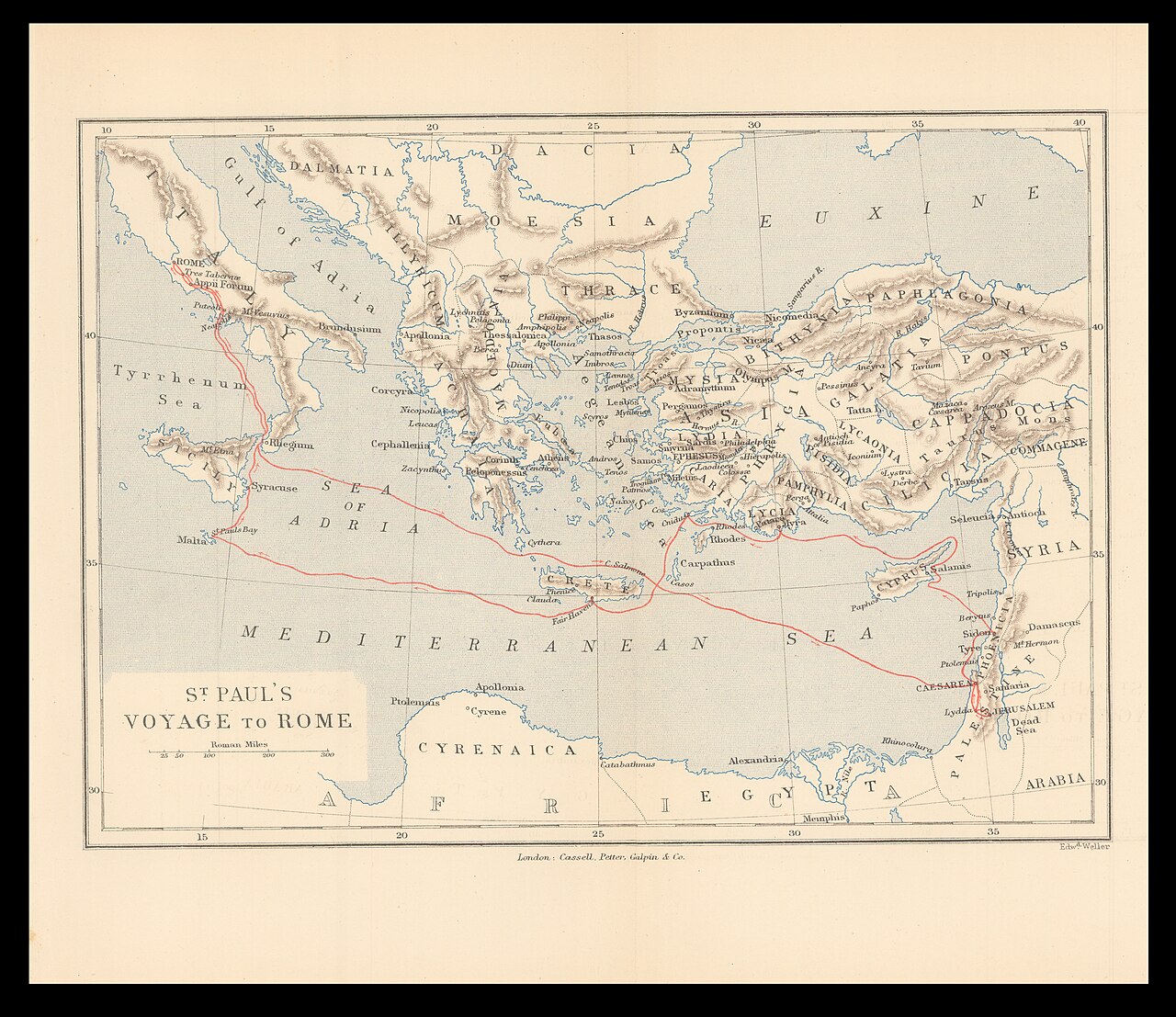
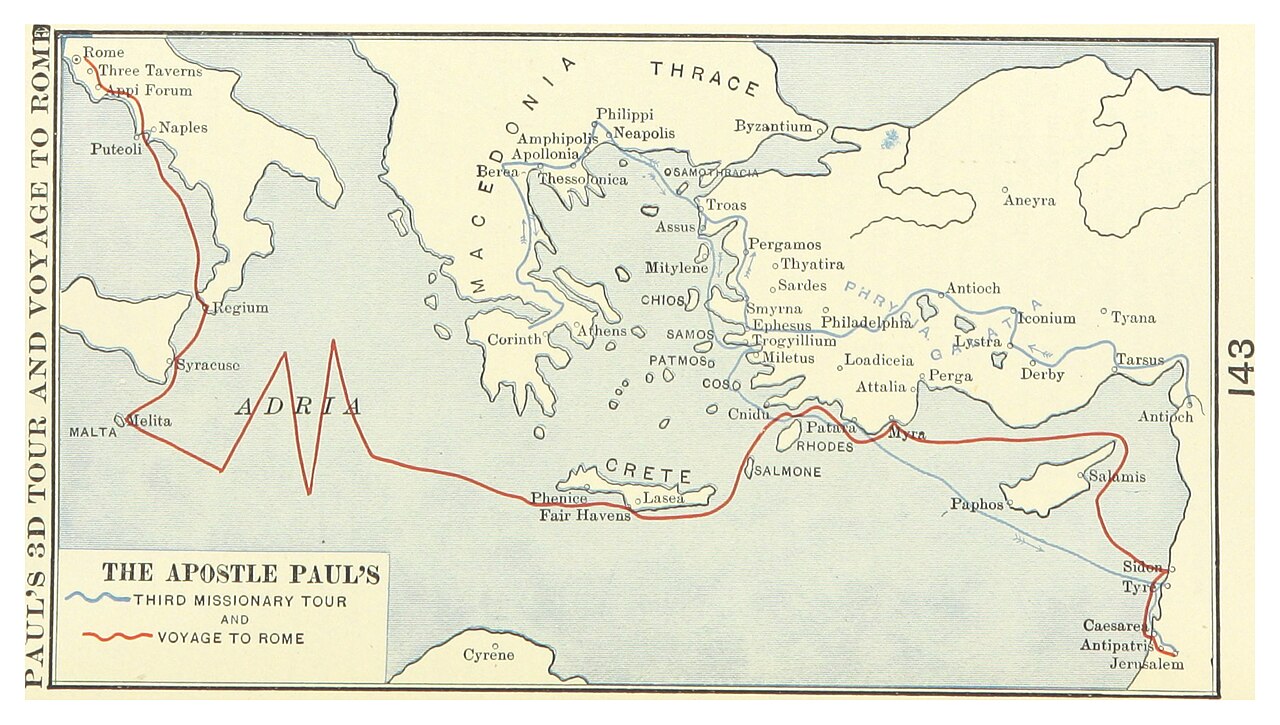
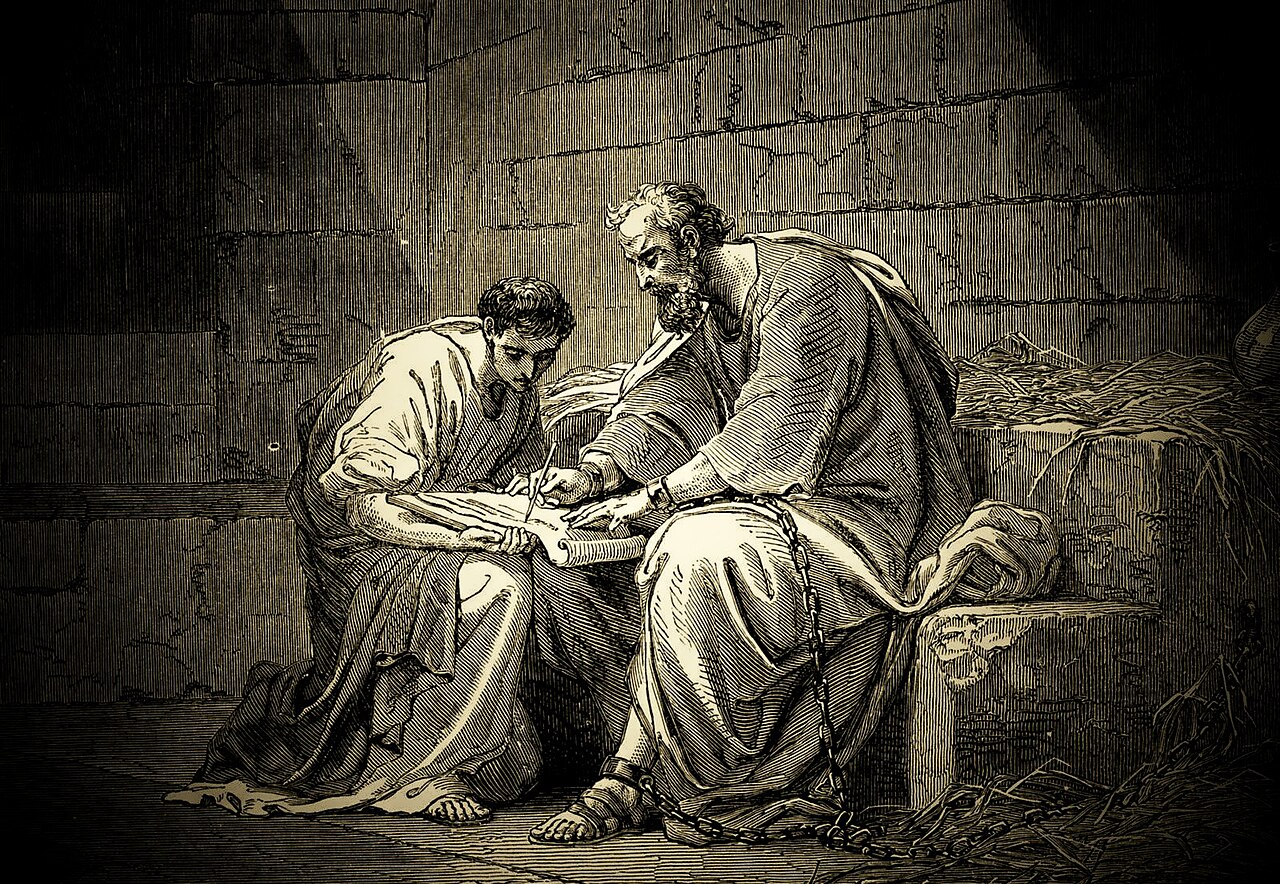
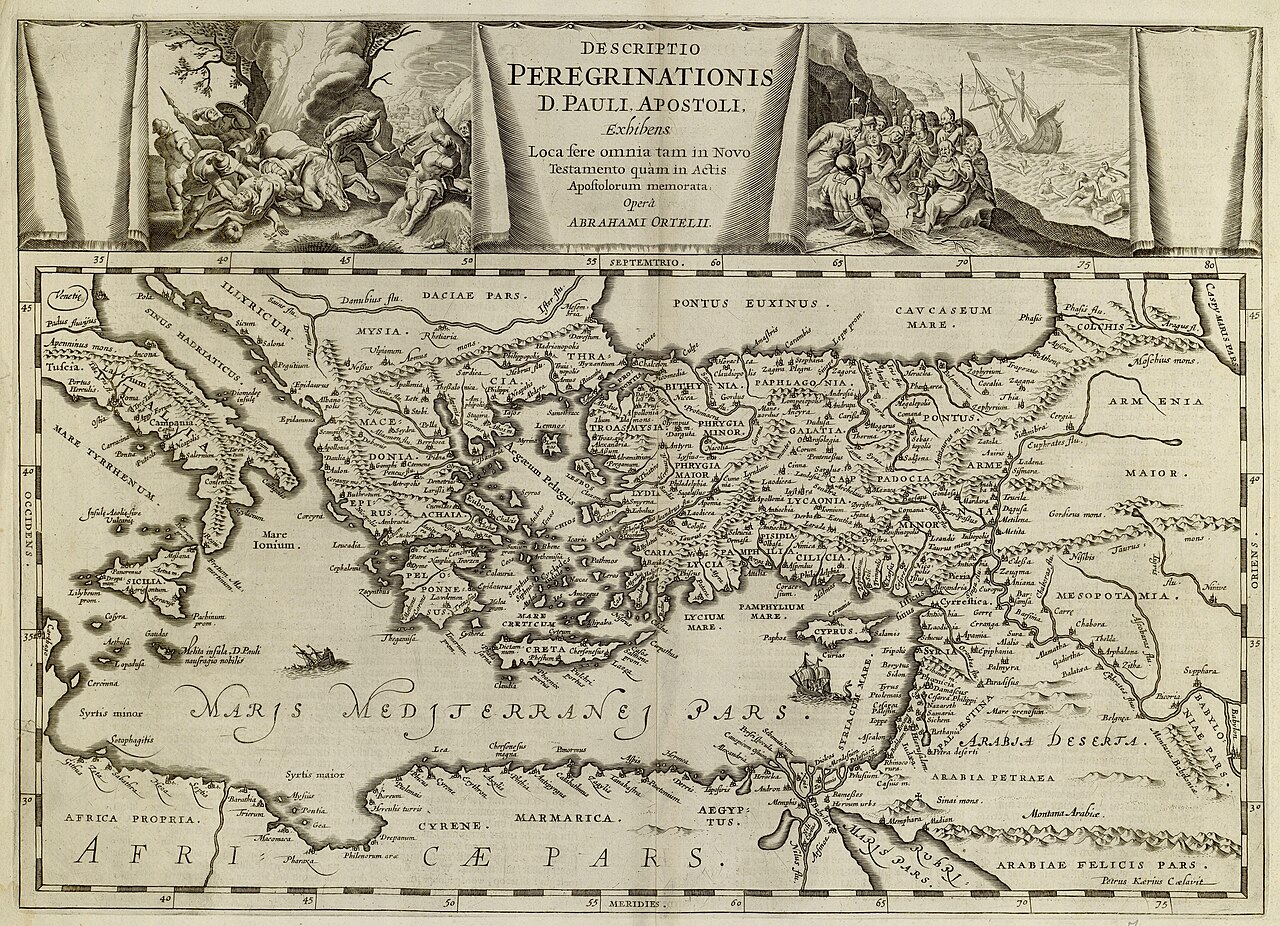
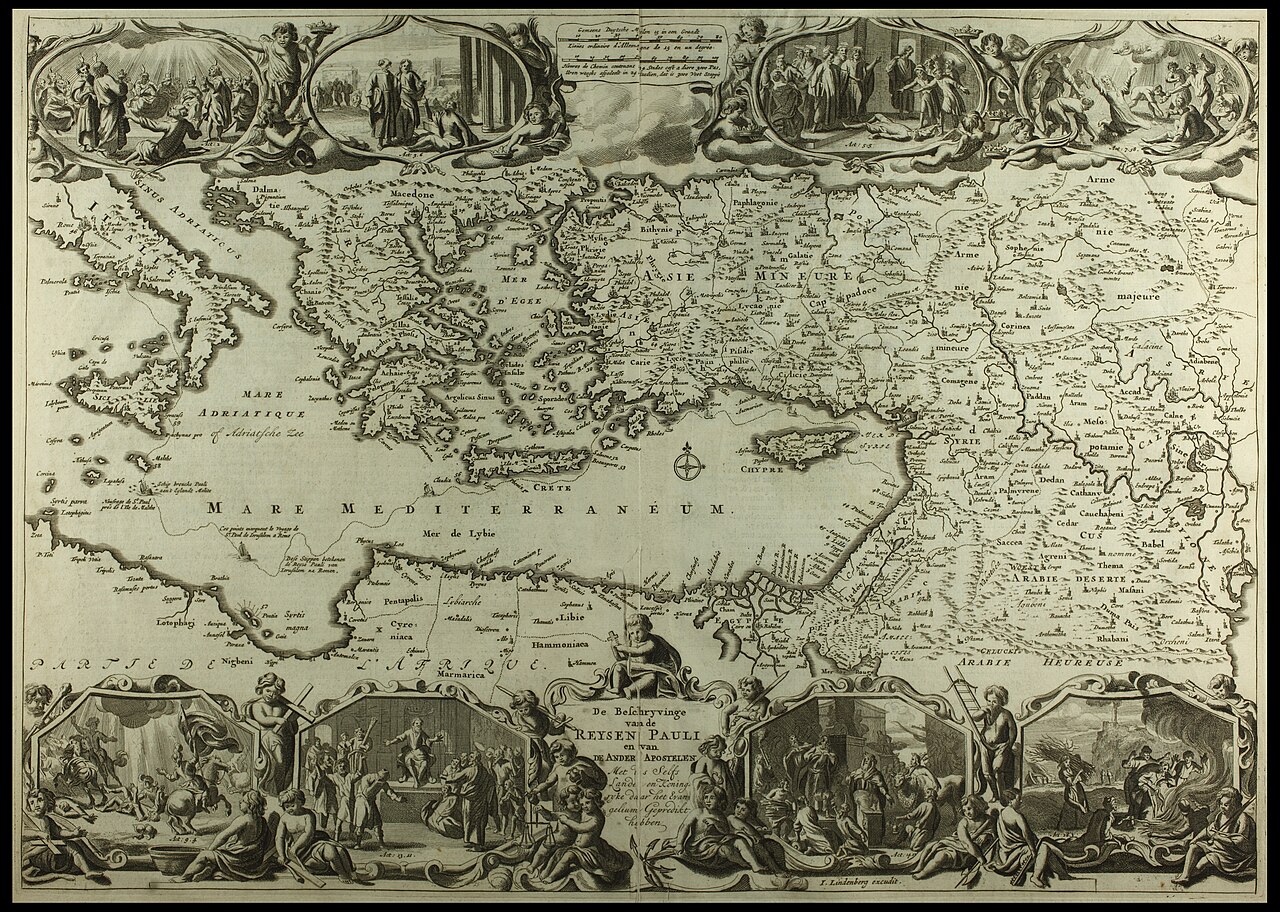
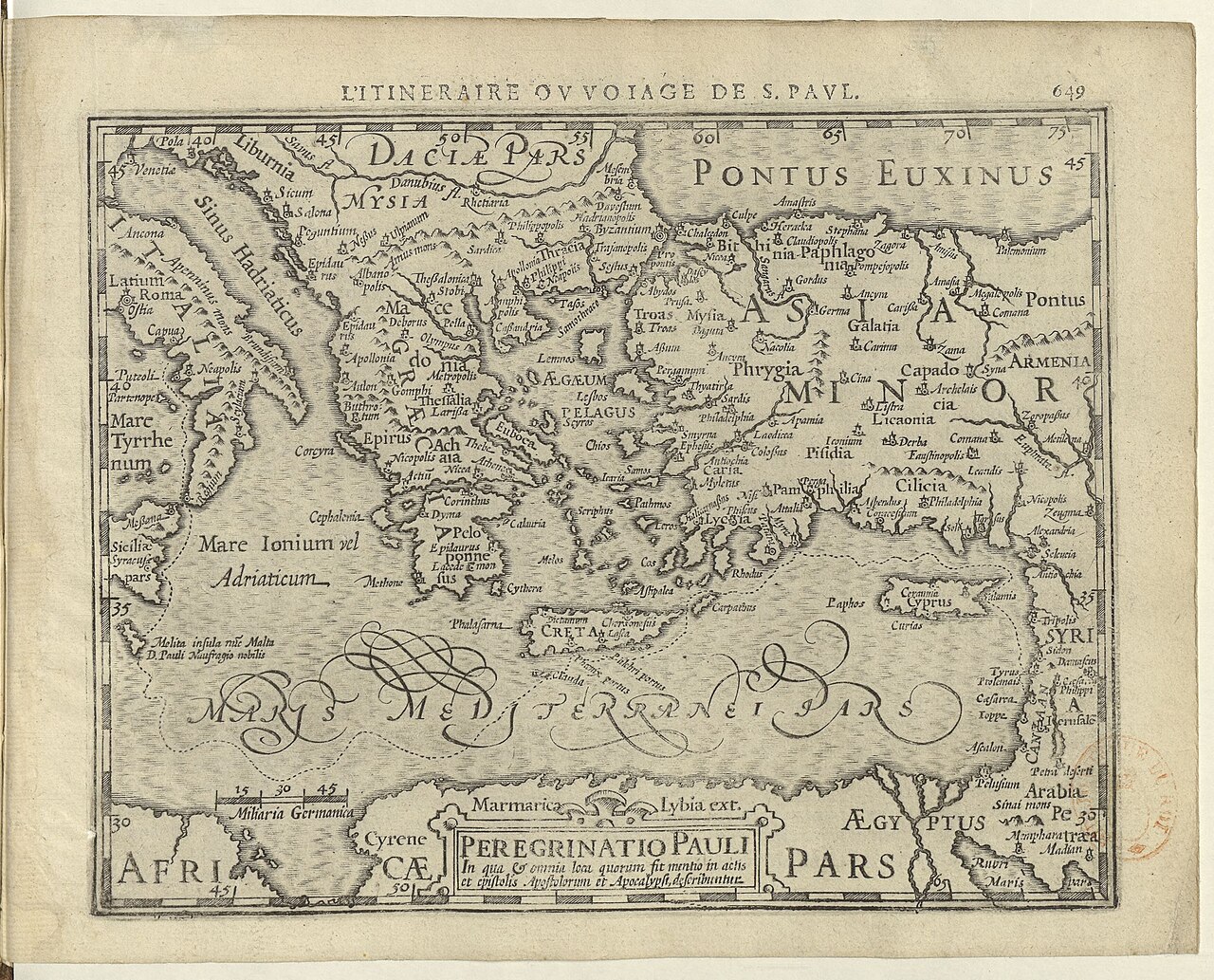
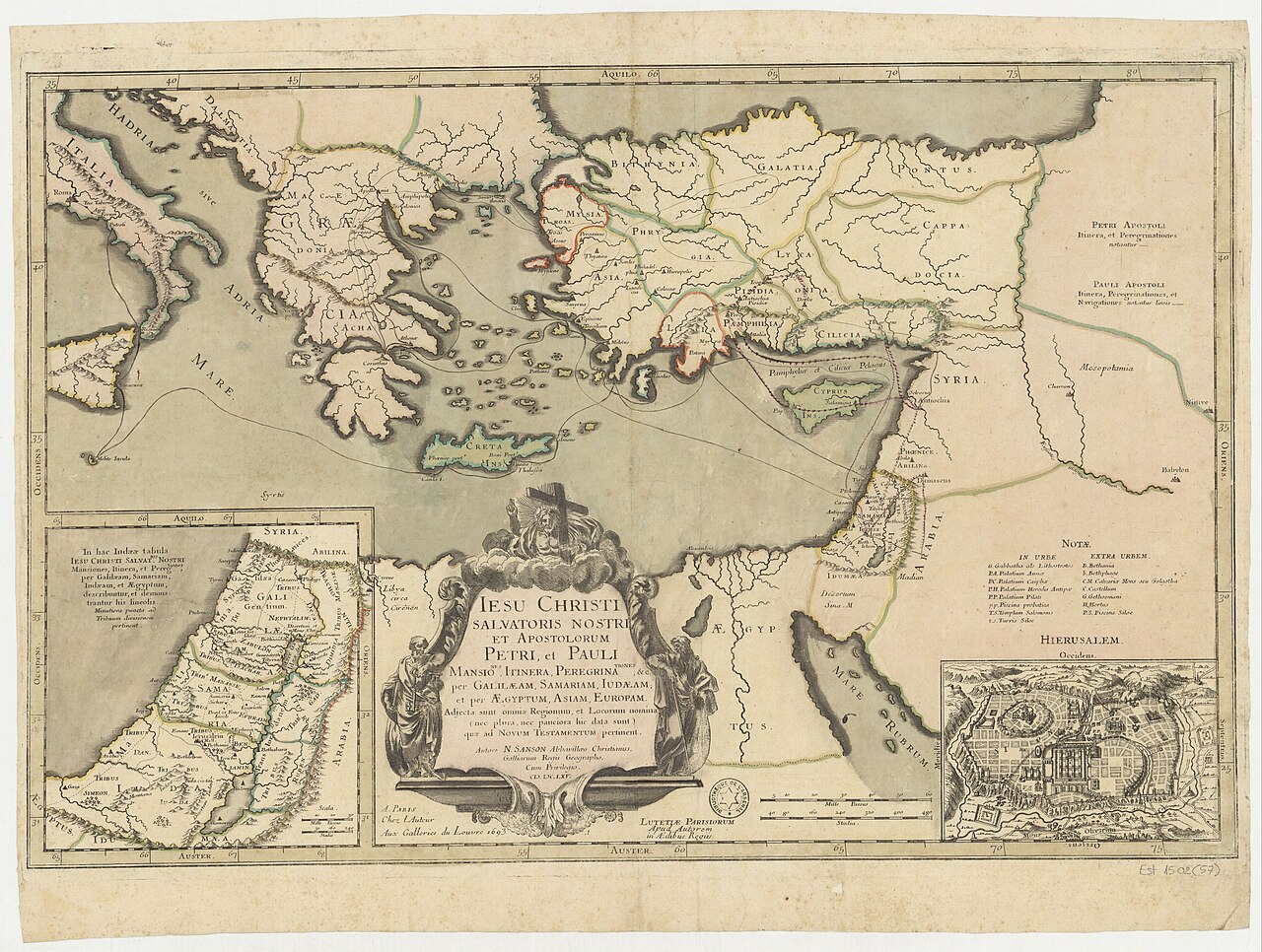
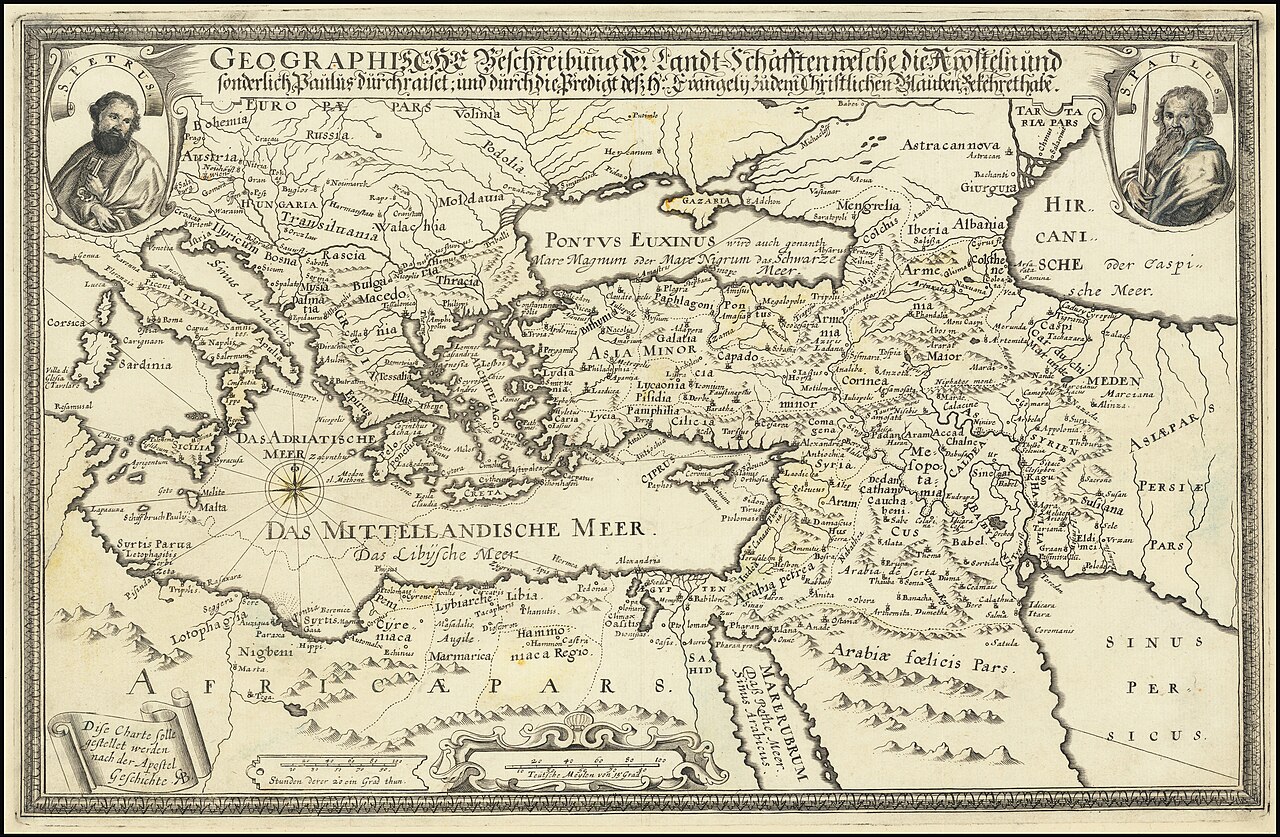
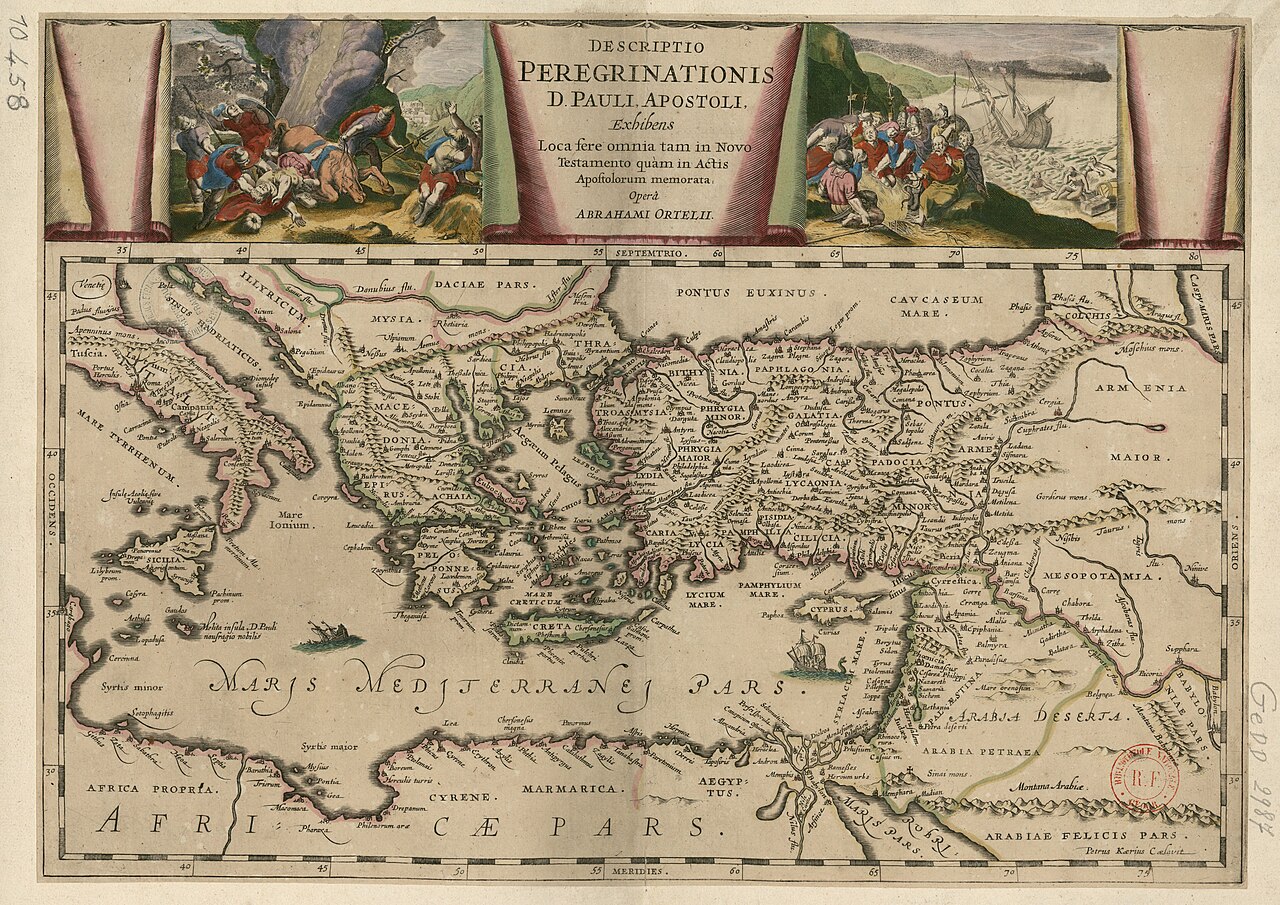
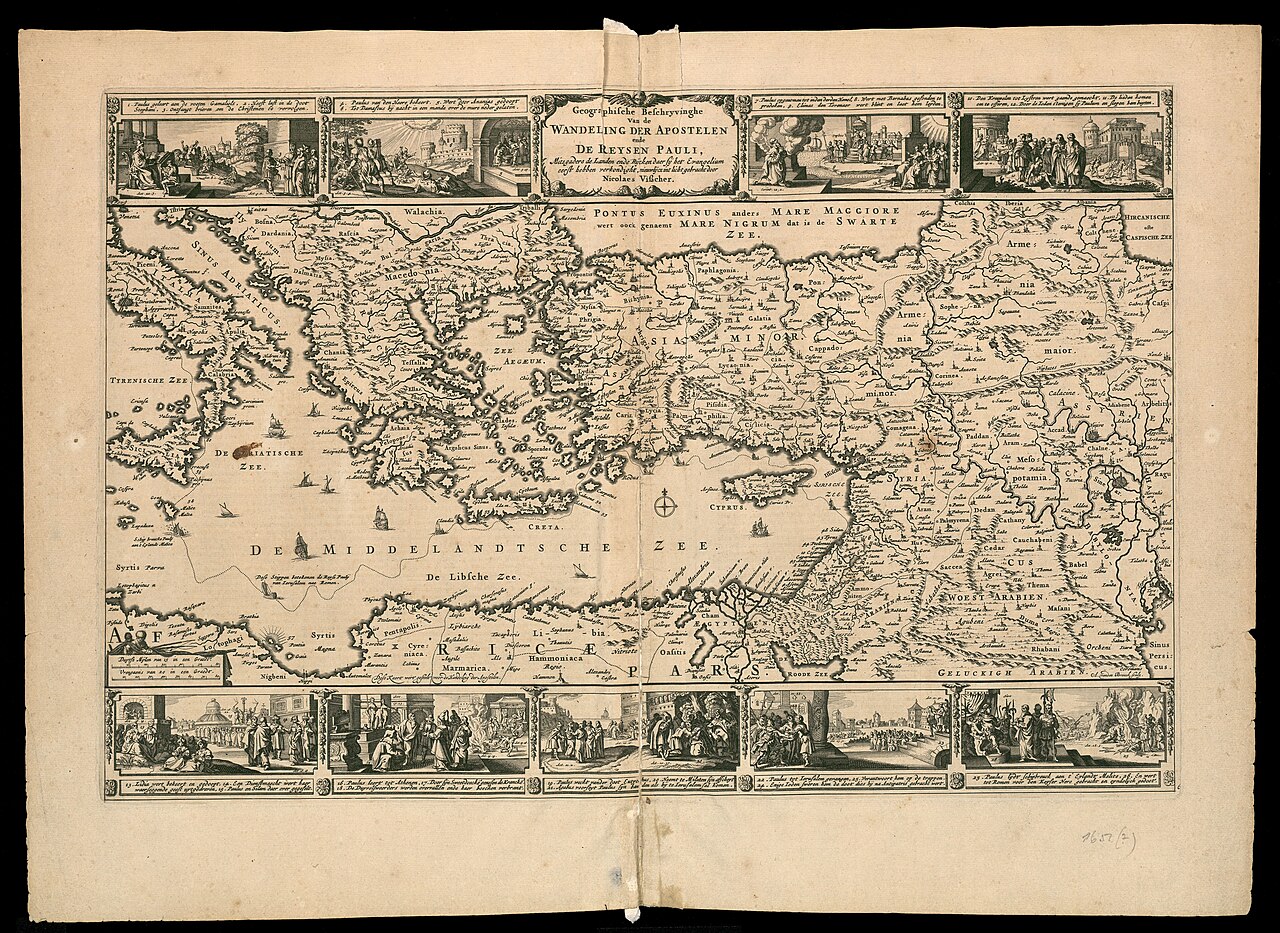
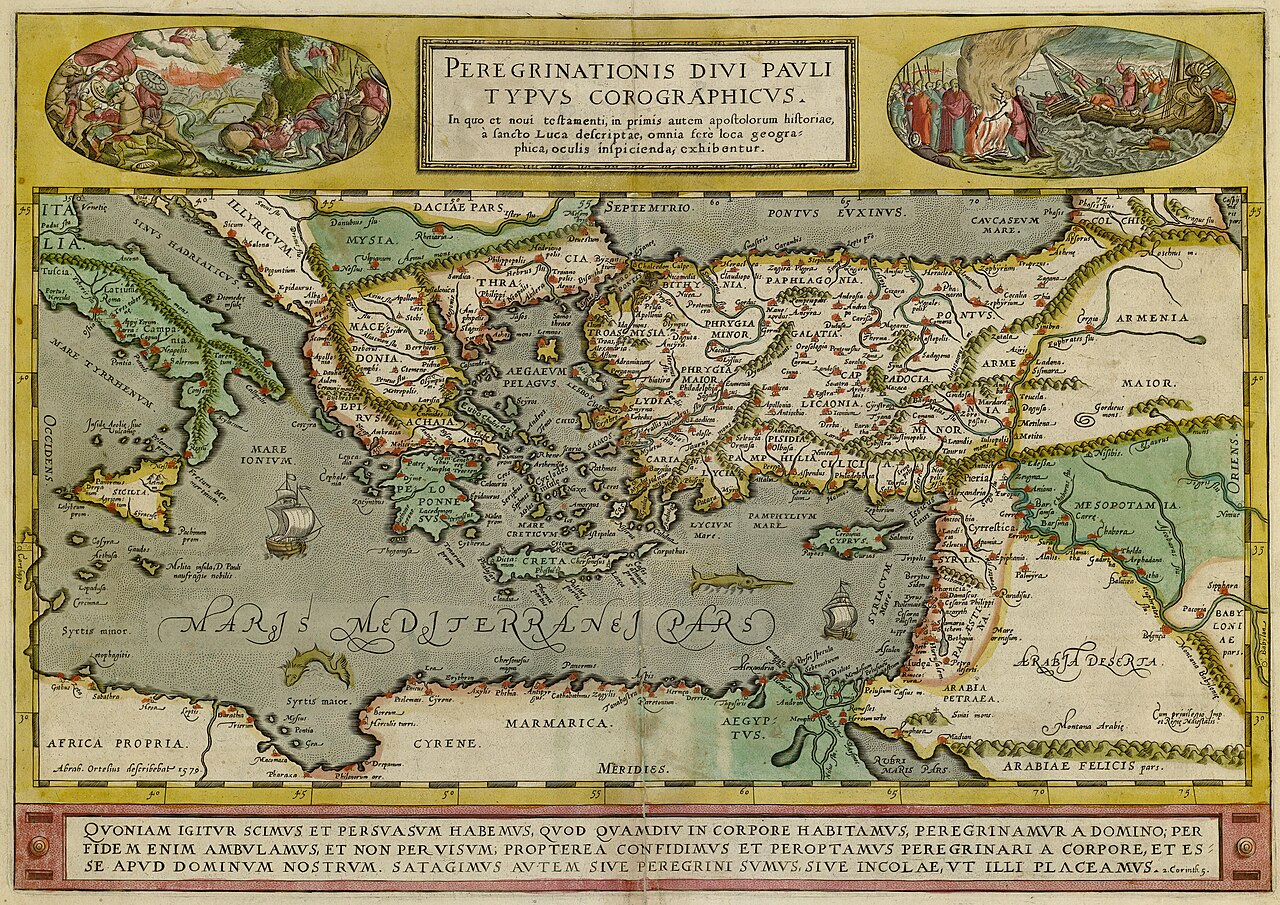
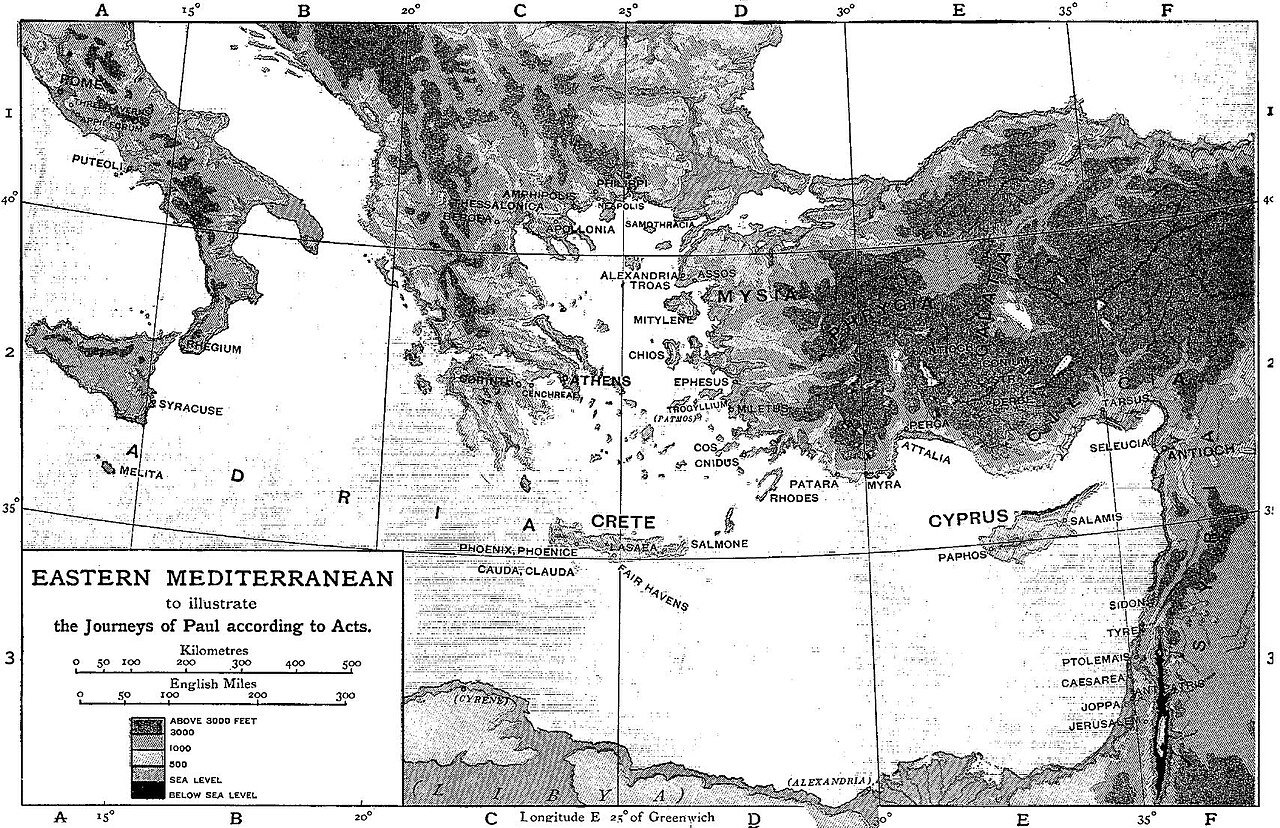
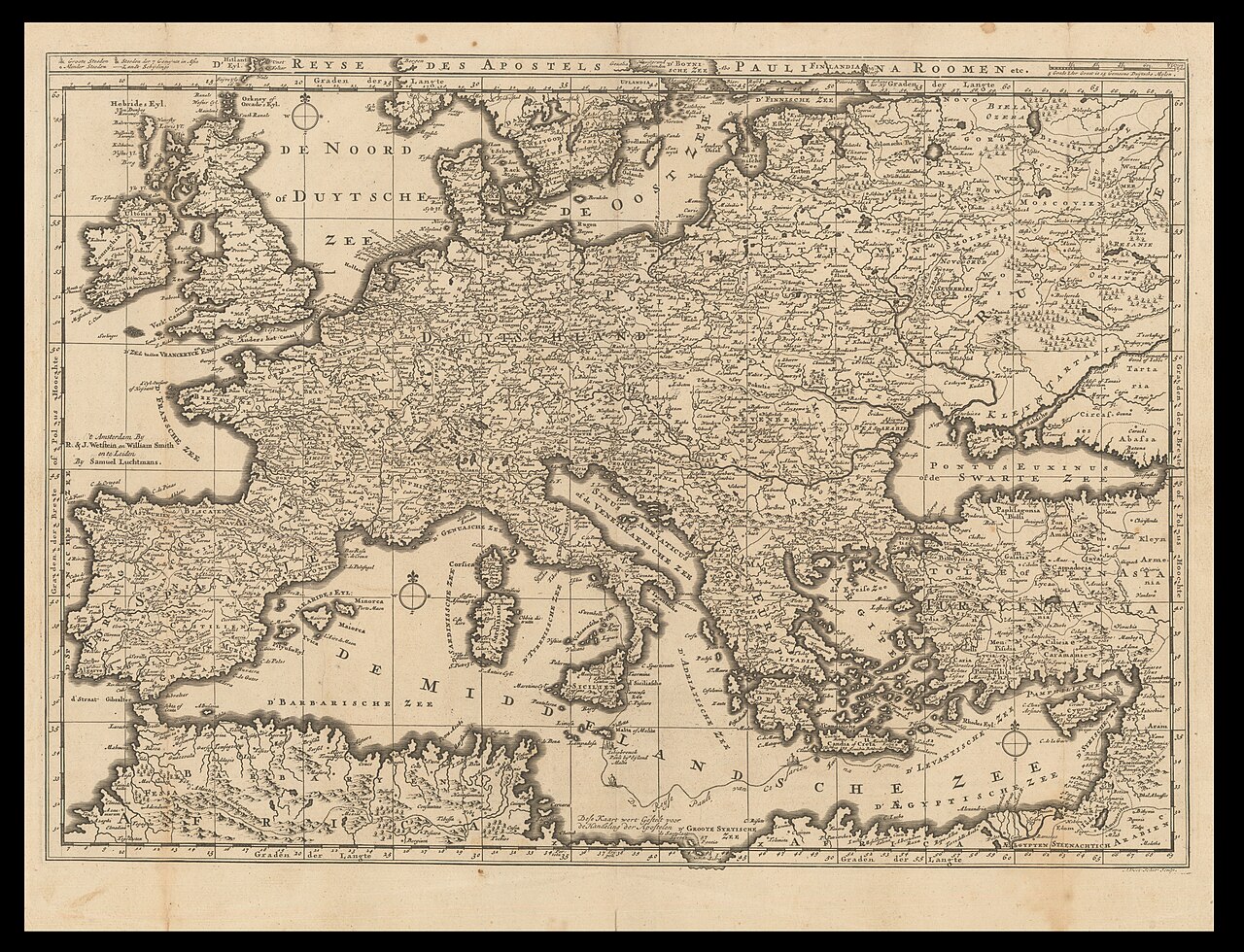
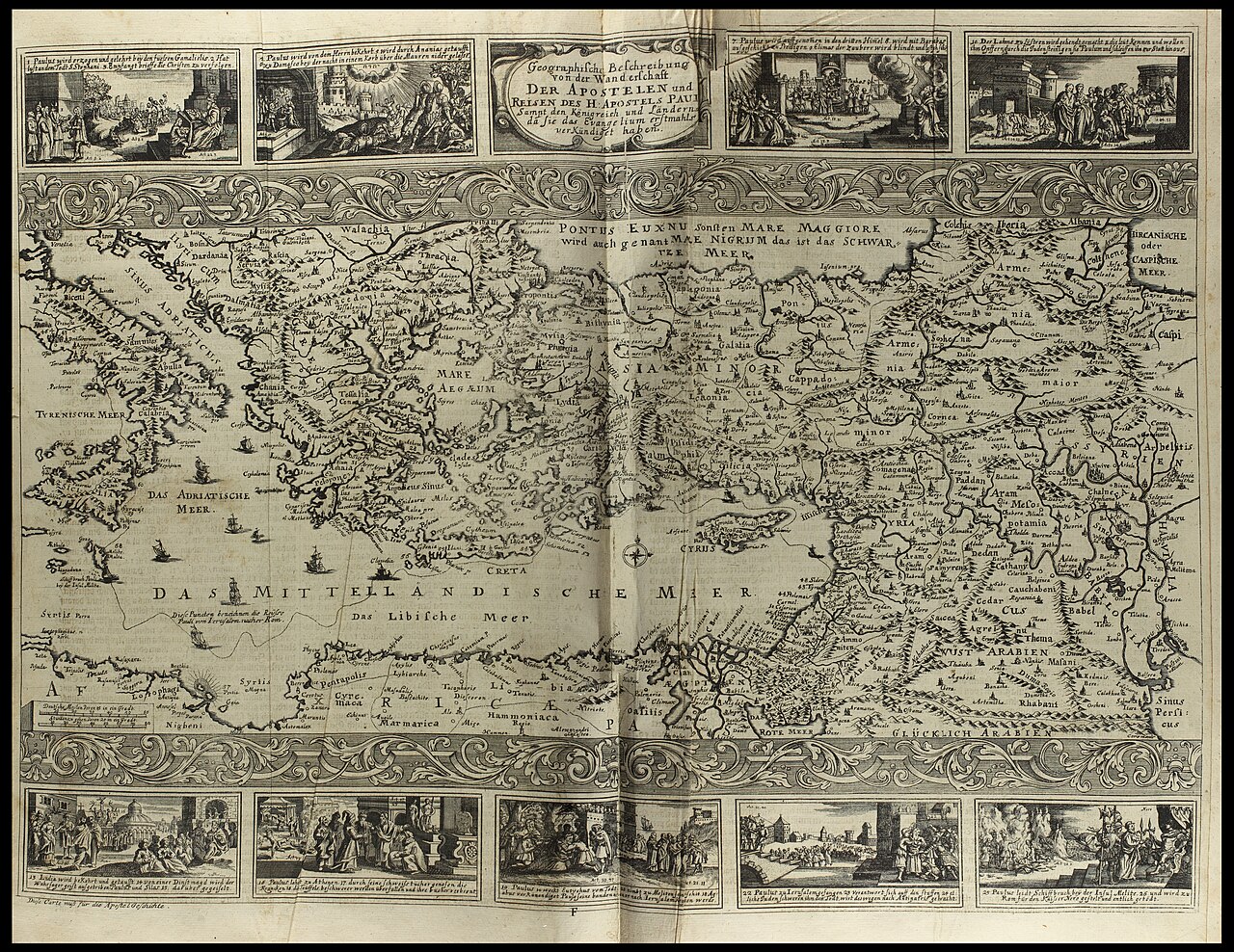
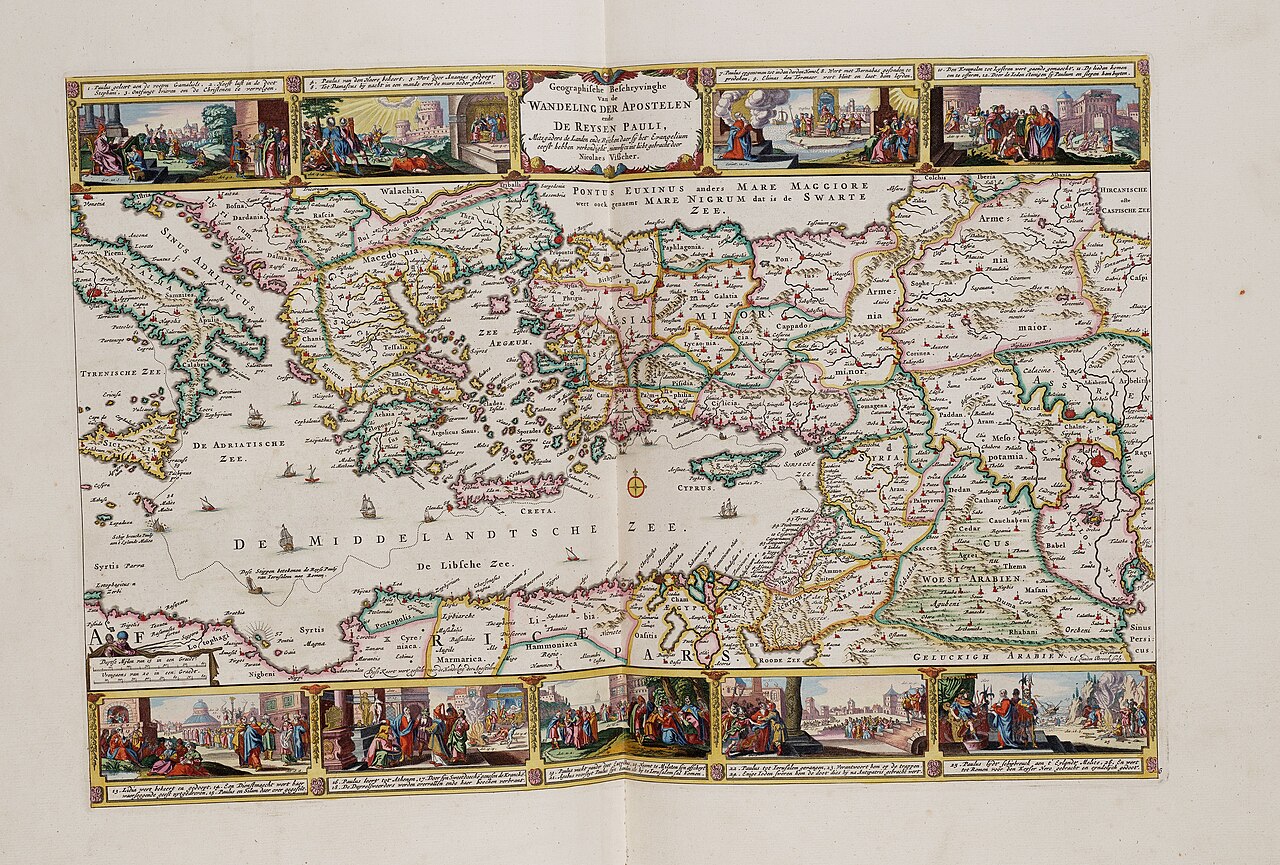
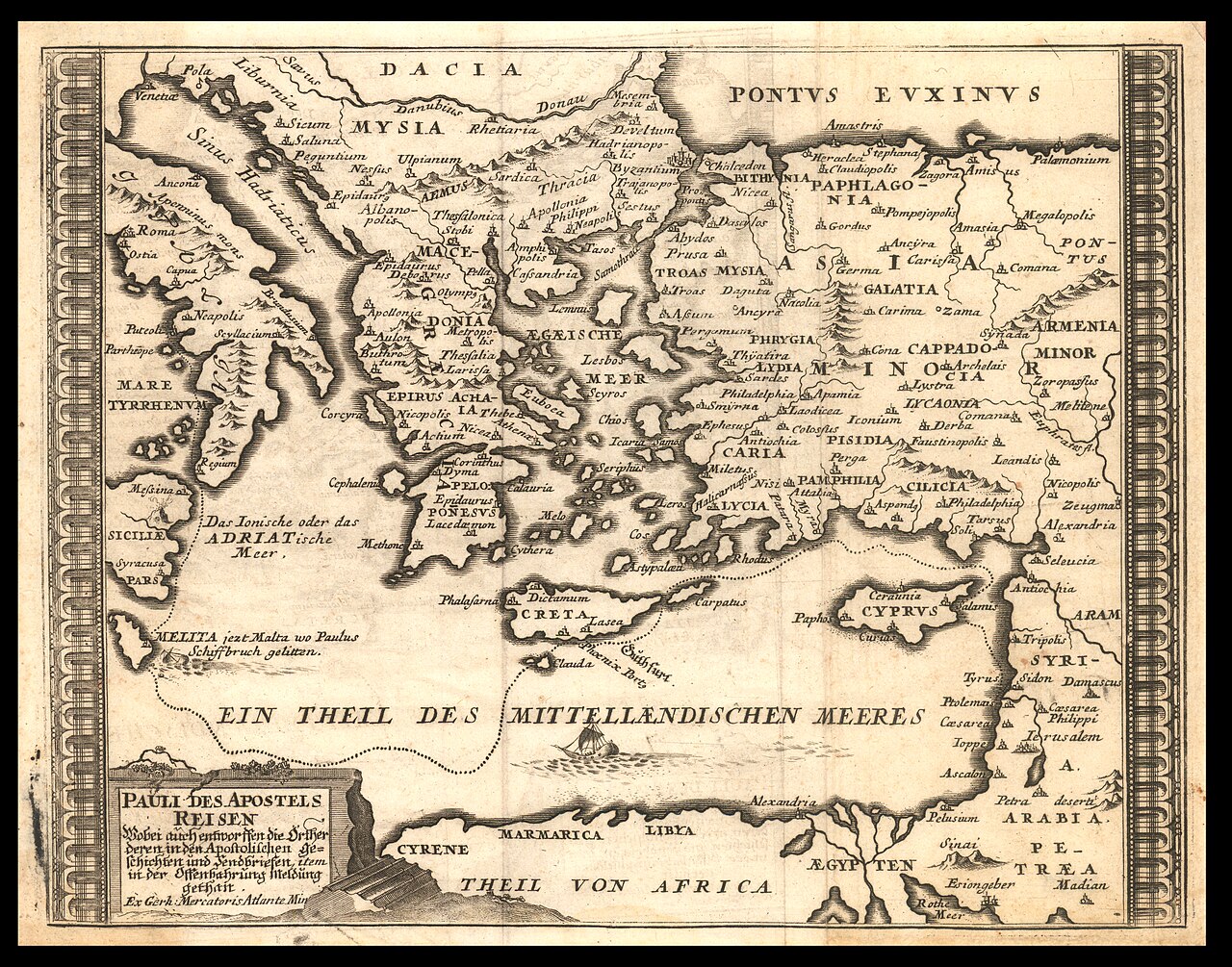
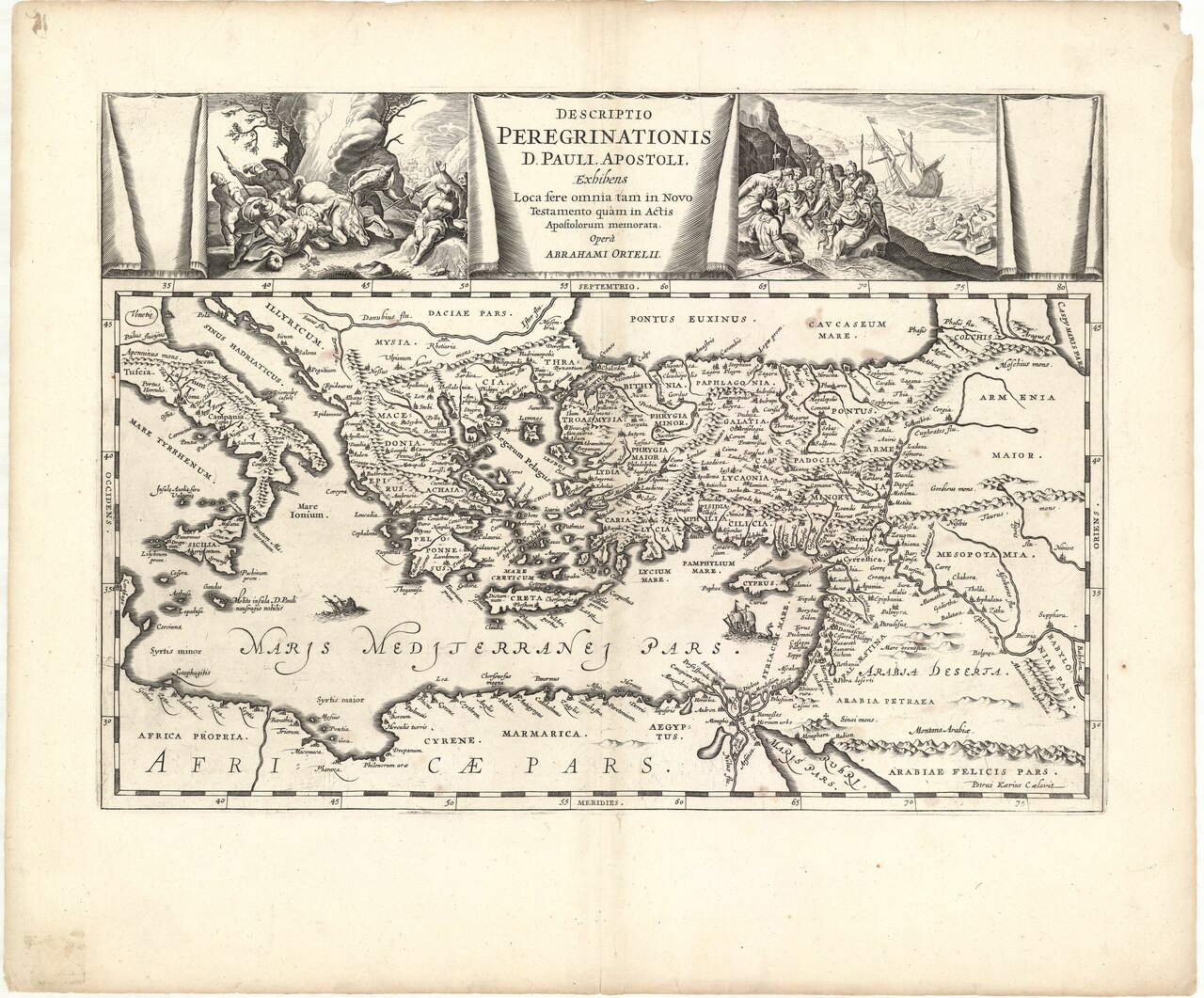
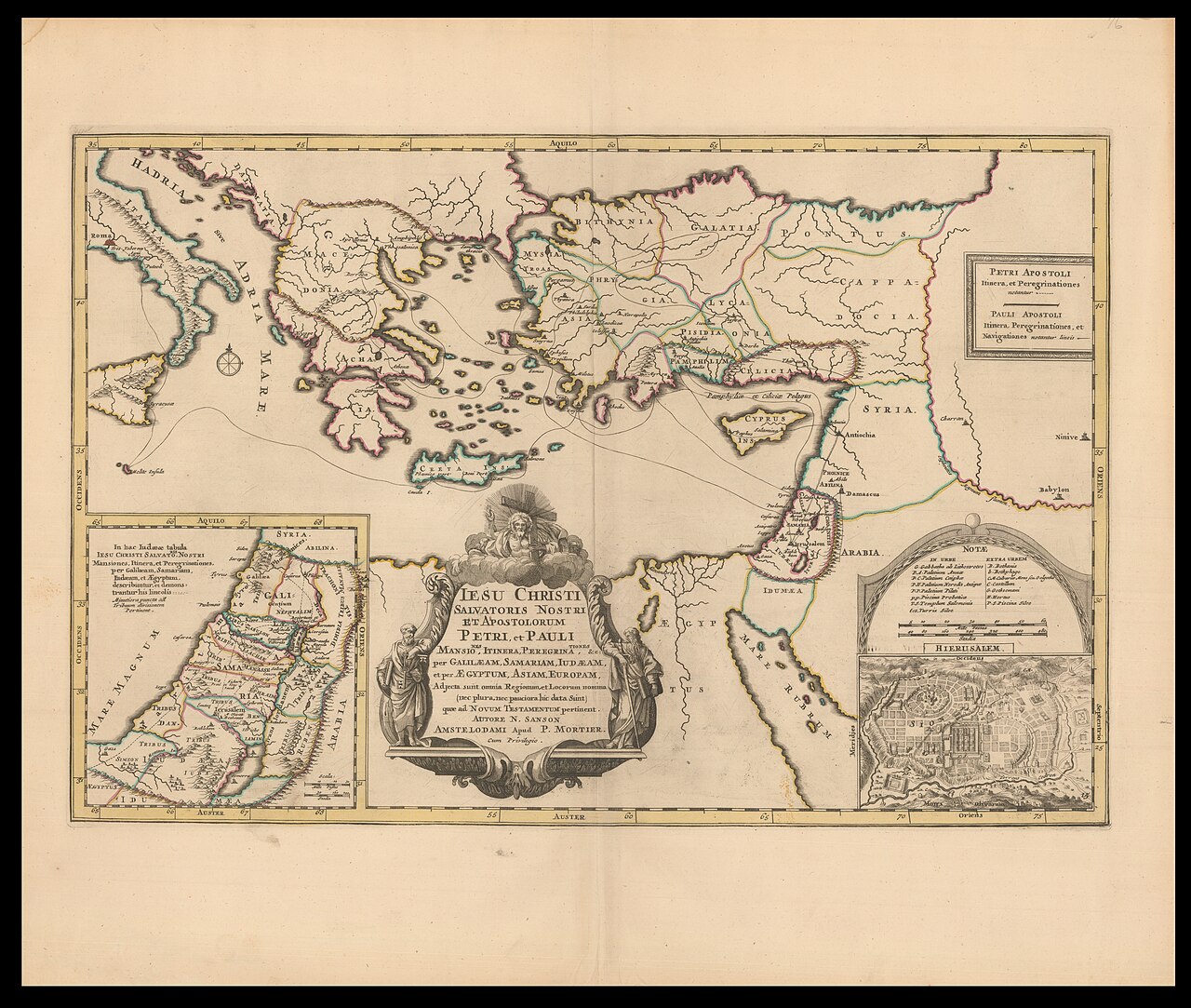
Julius commands the prisoner escort on the voyage toward Rome, with Aristarchus also named aboard. Following shipwreck, Publius receives the travelers on Melita; the account connects Paul with the healing of Publius’s father and other islanders. In Rome, Paul lives under a soldier’s guard but receives visitors. The closing notice gives two years in a rented house, teaching about Jesus and God’s kingdom. It records a continuing ministry under custody, without providing the final outcome of the imperial appeal. Acts 27:1-44 Acts 28:1-31 (Paul is shipwrecked by a storm) (Paul stays at Malta) (Paul's First Roman imprisonment) (Paul remains unharmed when a viper fastens to his hand) (Paul addresses Rome’s Jewish leaders)
The correspondence documents another part of the network. Paul commends Phoebe of Cenchreae, greets Priscilla, Aquila and Epaenetus, and mentions a house church. The appeal to Philemon concerns Onesimus, whom he asks to receive as a beloved brother. It also names Timothy, Apphia, Archippus, Epaphras, John Mark, Aristarchus, Demas and Luke. These greetings do not establish unmentioned marriages or parentage, or turn the conditional reference to possible wrongdoing into proof of theft. Rom 16:1-5 Phlm 1:1-25
His explanation of the gospel centers on Christ’s death for sins, burial and resurrection, with Paul acknowledging his own persecution and dependence on grace. Righteousness through faith is distinguished from confidence in ancestry and personal achievement; the argument also explicitly denies that faith nullifies the law. The final testimony in 2 Timothy anticipates death and a crown of righteousness at Christ’s appearing. These passages preserve the meaning Paul assigns to his work and hope, but no exact birth year, death age or narrated execution date. 1 Cor 15:1-11 Phil 3:4-11 Rom 3:21-31 2 Tim 4:1-8