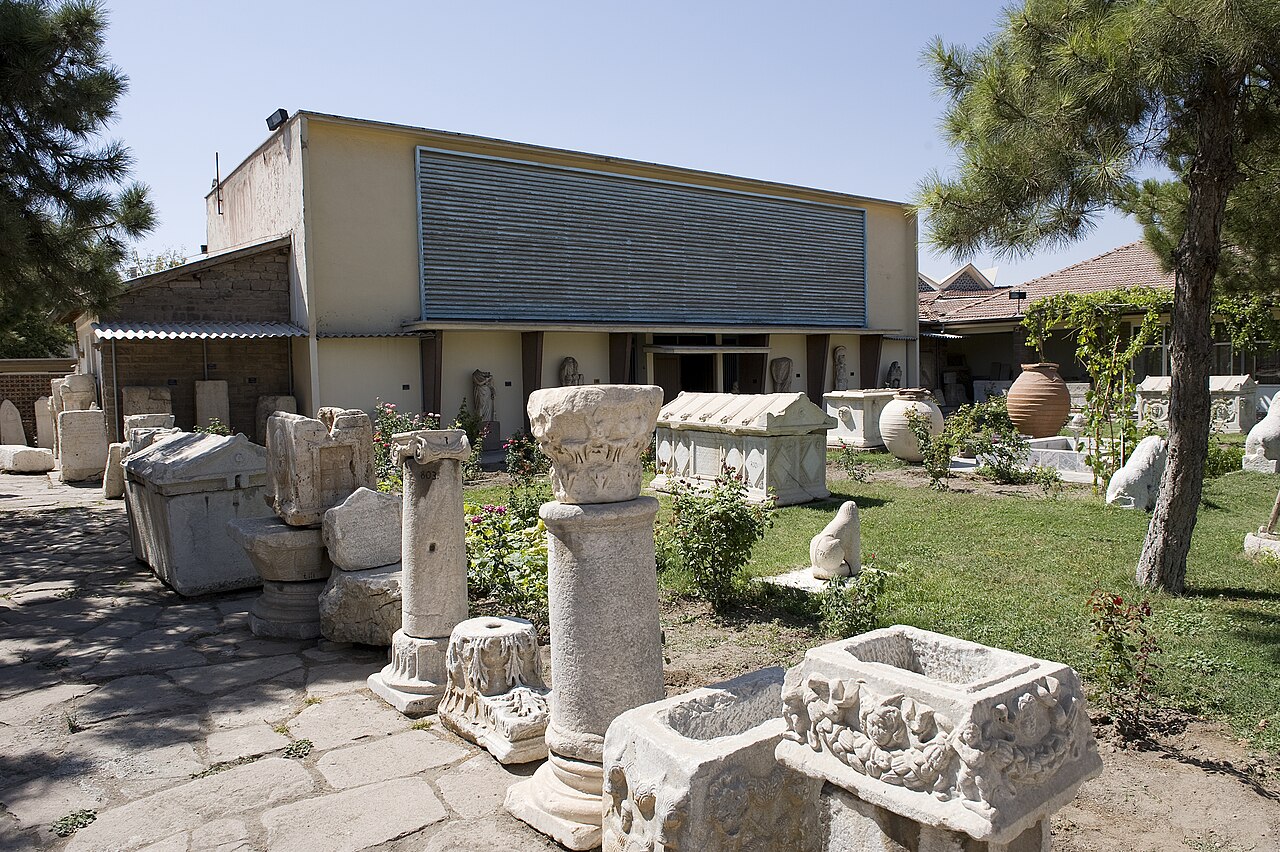
Lystra
Lystra was a city of Lycaonia to which Paul and Barnabas fled from Iconium. There Paul commanded a man who had never walked to stand upright, and the man sprang up and walked. (Acts 14:5–10)
The response to the healing revealed the crowd’s religious assumptions. Speaking in the language of Lycaonia, they called Barnabas Jupiter and Paul Mercurius, and a priest brought animals and garlands for a sacrifice. The Sabbath School study for 16 August 2018 considers this mistaken identification; the missionaries insisted that they were human and called the people to turn to the living God. (Acts 14:11–18)
Opponents arriving from Antioch in Pisidia and Iconium persuaded the crowd against Paul. He was stoned and dragged out of Lystra, believed to be dead, but rose as the disciples stood around him. After going to Derbe with Barnabas, Paul returned through Lystra to strengthen the believers. (Acts 14:19–23)
At a later visit to the area, Timotheus was described as a disciple held in good regard by the believers in Lystra and Iconium, and Paul chose him as a traveling companion. In his later letter, Paul also remembered Lystra among the places of his sufferings. (Acts 16:1–3; 2 Timothy 3:11)