Arabia
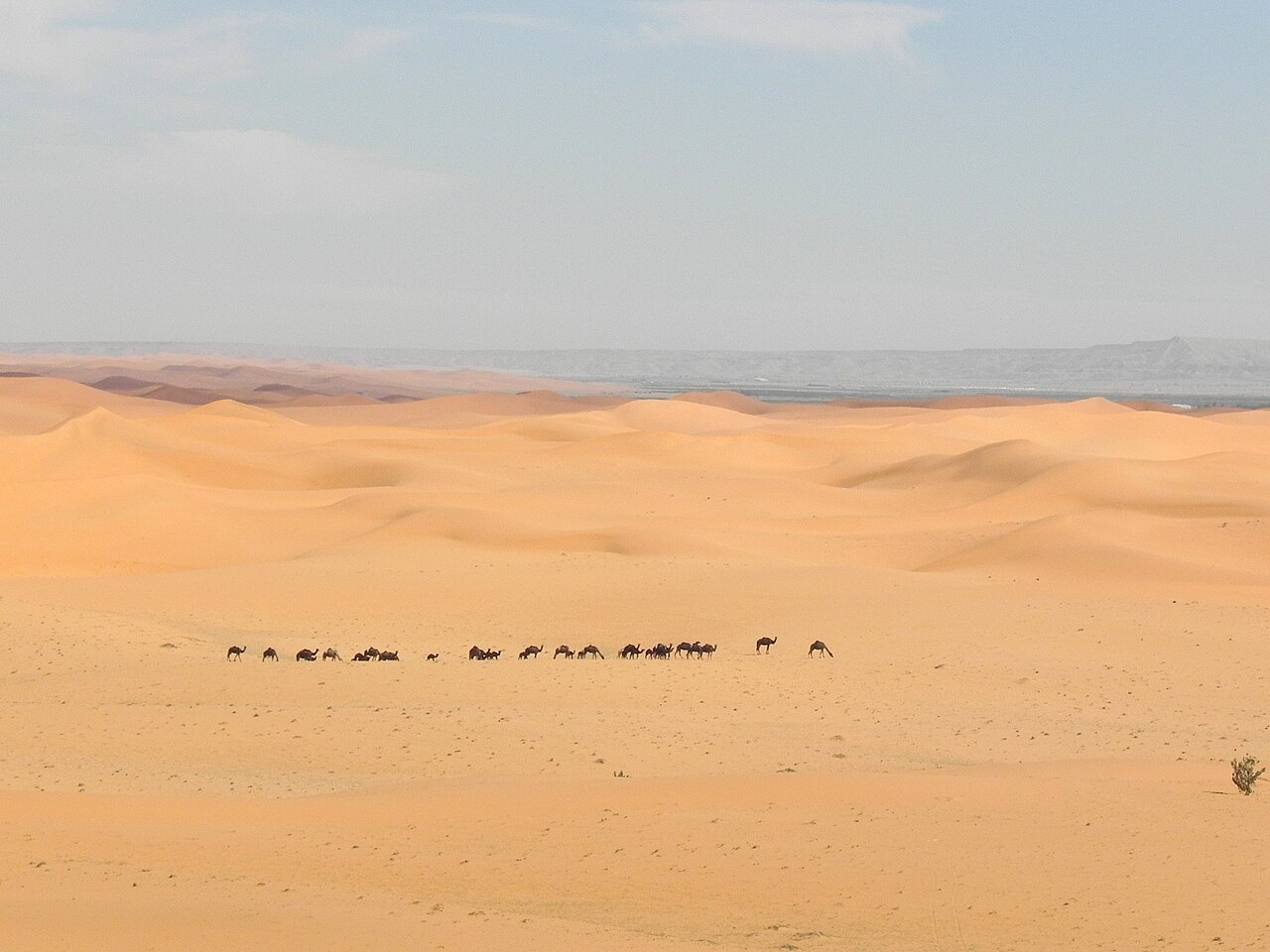
Arabia is a broad regional name in southwestern Asia, associated in the biblical texts with deserts, caravans, pastoral trade and several rulers. Easton's geographical description includes the peninsula and its northern desert approaches; the biblical references should not be reduced to the boundaries of one modern state. Isaiah 21:13; Jeremiah 25:24; Ezekiel 27:21.
Paul records that, after his calling, he went into Arabia rather than first going to the apostles in Jerusalem, and then returned to Damascus. His account does not name the particular locality or state the duration of his stay. Ellen White describes this interval as a desert retreat for study, meditation and preparation for his ministry; this is her presentation of the period, rather than an additional itinerary supplied by the verse. Galatians 1:15-17; The Acts of the Apostles, “Days of Preparation”.
The royal records mention Arabian kings among those who brought gold and silver to Solomon, while Arabians brought large flocks of rams and goats to Jehoshaphat. In the lament over Tyre, Arabia and the rulers of Kedar appear as suppliers of lambs, rams and goats. These passages document several forms of exchange rather than one uniform political relationship throughout the region. 1 Kings 10:15; 2 Chronicles 9:14, 2 Chronicles 17:11; Ezekiel 27:2, Ezekiel 27:21.
Other royal notices describe conflict. Arabians living near the Ethiopians joined the Philistines against Jehoram; the account of Ahaziah's accession recalls the death of his older brothers at the hands of the raiding force. A later record places Arabians of Gur-baal among the opponents defeated with God's help in the reign of Uzziah. These notices identify particular groups and settings, without making all Arabians participants in one campaign. 2 Chronicles 21:16-17, 2 Chronicles 22:1, 2 Chronicles 26:1, 2 Chronicles 26:7.
In the account of Nehemiah's rebuilding of Jerusalem, Geshem the Arabian opposed the work alongside Sanballat and Tobiah. Arabians also appear among the groups angered by the repair of the walls. The description concerns this local opposition; it does not attribute the same action to every community in Arabia. Nehemiah 2:17-20, Nehemiah 4:7, Nehemiah 6:1.
Isaiah's oracle concerning Arabia addresses the caravans of Dedan, mentions the people of Tema supplying water and bread to fugitives, and announces the decline of Kedar's strength. The desert setting and disrupted caravan life belong to the prophecy's concrete description of war. Another prophetic list distinguishes the kings of Arabia from the rulers of mixed peoples dwelling in the desert. Isaiah 21:13-17; Jeremiah 25:24.
In his discussion of two covenants, Paul places Mount Sinai in Arabia and associates Agar with the covenant that bears children into bondage, contrasting it with the free Jerusalem above. The passage explicitly presents an allegory. Galatians 4:22-26.
Arabians are also named among those who heard the disciples speaking in their own languages at the outpouring of the Spirit. They heard the wonderful works of God, placing Arabian hearers within the account of the early proclamation. Acts 2:1-4, Acts 2:11.