Cush
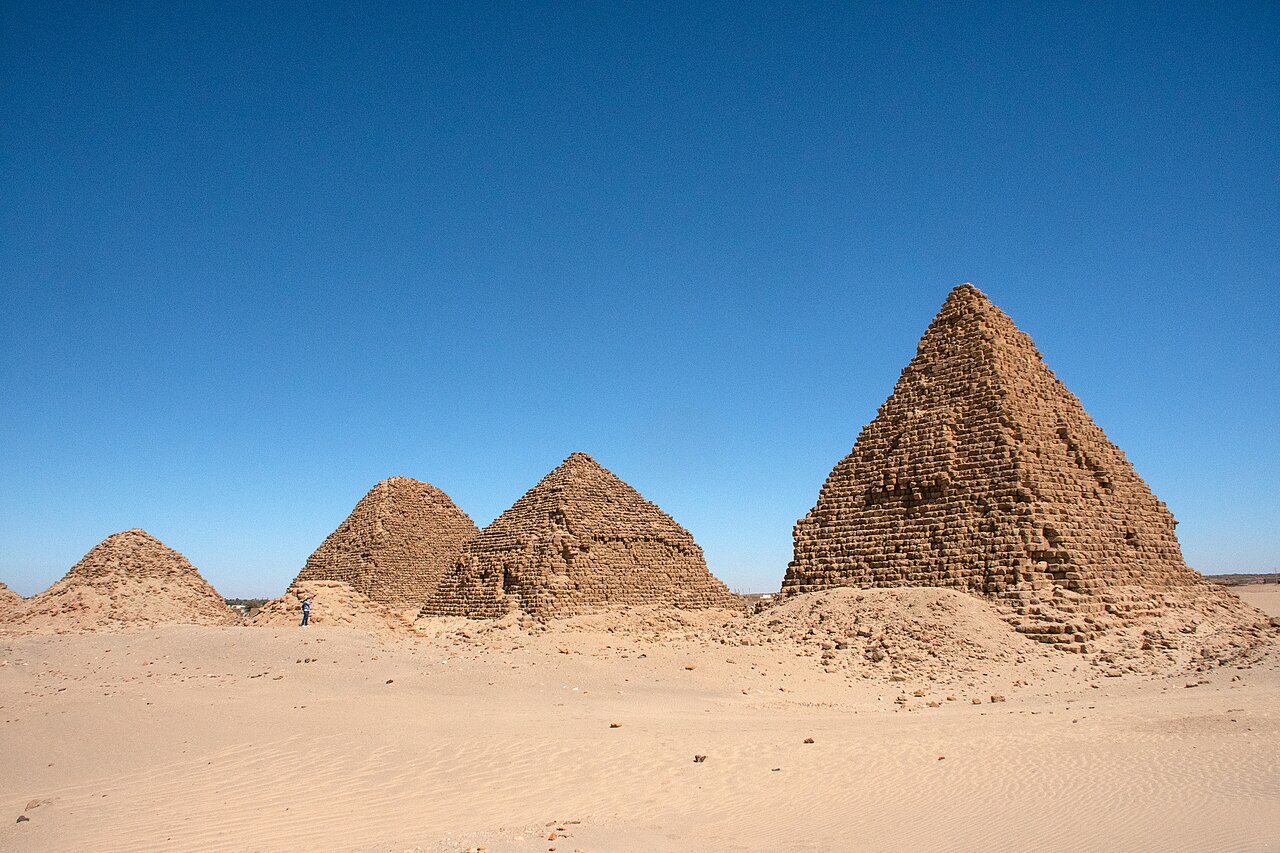
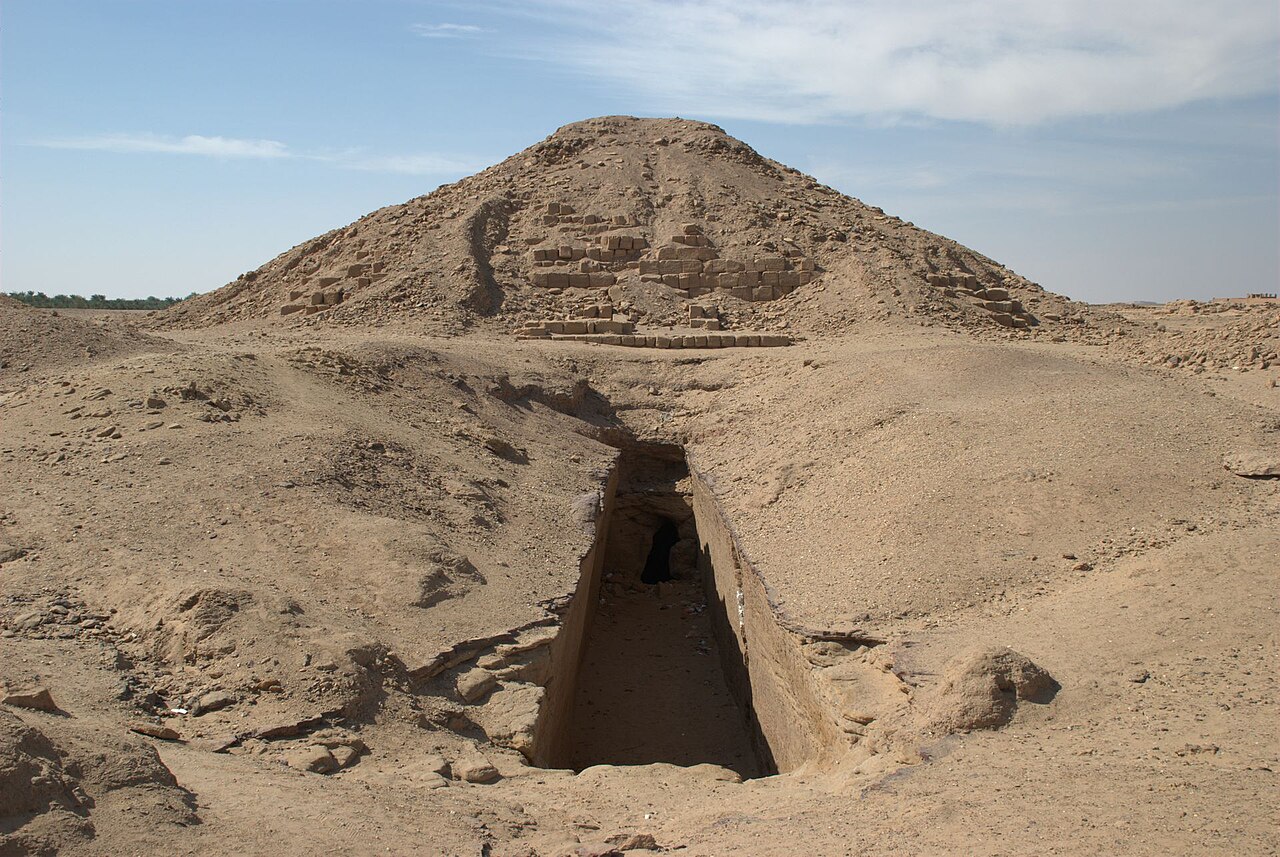
Cush is a biblical territorial name often rendered “Ethiopia” in the English text. Its African usage is closely connected with Egypt: the description of that country's devastated territory reaches the border of Cush. Classical geographical descriptions locate this usage south of Egypt. The ancient designation should be read in its own contexts rather than assigned the exact borders of a modern state. Ezek 29:10
One of the most detailed personal notices concerns the Ethiopian treasury official serving Candace, queen of the Ethiopians. Returning from worship at Jerusalem, he reads a passage of Isaiah and receives an explanation from Philip, who proclaims Jesus to him. His conversion and baptism place an Ethiopian hearer within the early spread of the gospel. The crossing of cultural boundaries in this encounter is supported by his recorded journey, questions and response. After the baptism he continues his journey rejoicing. Acts 8:26-40
The name occurs in an earlier river description, where Gihon is said to encompass the land of Cush. This brief notice does not by itself establish a modern river course or settle the relationship between that early geographical designation and every later African usage. Genesis also names Cush as Ham’s son and Nimrod’s father in its genealogy. The personal entry and the territorial name have different functions in the text; a date for the founding of the country cannot be extracted merely from their shared name. Gen 2:13 Gen 10:6-8
Chronicles records a major military encounter involving Zerah the Ethiopian and Asa. Zerah advances to Mareshah with a large host and three hundred chariots. Asa meets the force and appeals to God for help. The ensuing defeat and flight are ascribed to God, and the pursuit reaches Gerar, followed by the taking of spoil and return to Jerusalem. The account follows the Ethiopian force through the battle, pursuit and taking of spoil. 2 Chr 14:9-15
The book of 2 Kings names Tirhakah as king of Ethiopia and reports that he has come out to fight. After Rabshakeh returns to Sennacherib, the king hears this news and sends renewed threats to Hezekiah. The message points to the destruction of other kingdoms as a warning to its recipient. Cush appears here as a royal power whose reported intervention becomes part of international military communication. 2 Kgs 19:8-20
Prophetic passages present both diplomatic contact and the failure of confidence in powerful neighbours. Isa 18:1-7 speaks of the country beyond the rivers of Cush, messengers travelling in reed vessels and a future gift brought to God. In the campaign commissioned by Sargon, the commander designated Tartan takes Ashdod. This is the setting for Isaiah’s stripped and barefoot appearance as a three-year sign concerning Egypt and Cush. The predicted captivity exposes the insecurity of relying on those powers. The passages connect the country with messengers, tribute, political expectations and the prospect of captivity. Isa 20:1-6
Ebed-melech, expressly called an Ethiopian, appears in Zedekiah’s royal household in the book of Jeremiah. Hearing that Jeremiah has been placed in a cistern, he protests to Zedekiah and receives permission to bring men, ropes and old cloths for the prophet's rescue. The intervention is concrete: the cloths protect Jeremiah's body beneath the ropes as he is lifted out. A later word from God promises Ebed-melech deliverance because he has trusted Him. His national designation accompanies an act of practical mercy and a promise expressly grounded in his trust. Jer 38:1-13 Jer 39:15-18
Cush also belongs to the international horizon of worship. One psalm pairs it with Egypt and pictures its hands extended toward God; another includes it among the named lands in a vision of belonging. The book of Zephaniah speaks of worshippers beyond the rivers of Cush bringing an offering. These passages show the territory appearing in hope and worship as well as military reports. The worshippers beyond its rivers extend the geographical reach of that hope. Ps 68:31-32 Ps 87:4 Zeph 3:9-10
In the book of Esther, Ethiopia is one endpoint of the kingdom described under Ahasuerus, paired with India. The same extent is recalled when the scribes prepare letters for the provinces at Mordecai’s direction. This use places the country within the narrative's account of imperial administration. Elsewhere, the poem on wisdom compares its value with the topaz of Ethiopia. The separate notices associate Cush with distant government, valuable goods, royal service and worship, while leaving much of the territory's own history outside the biblical account. Esth 1:1 Esth 8:9 Job 28:19