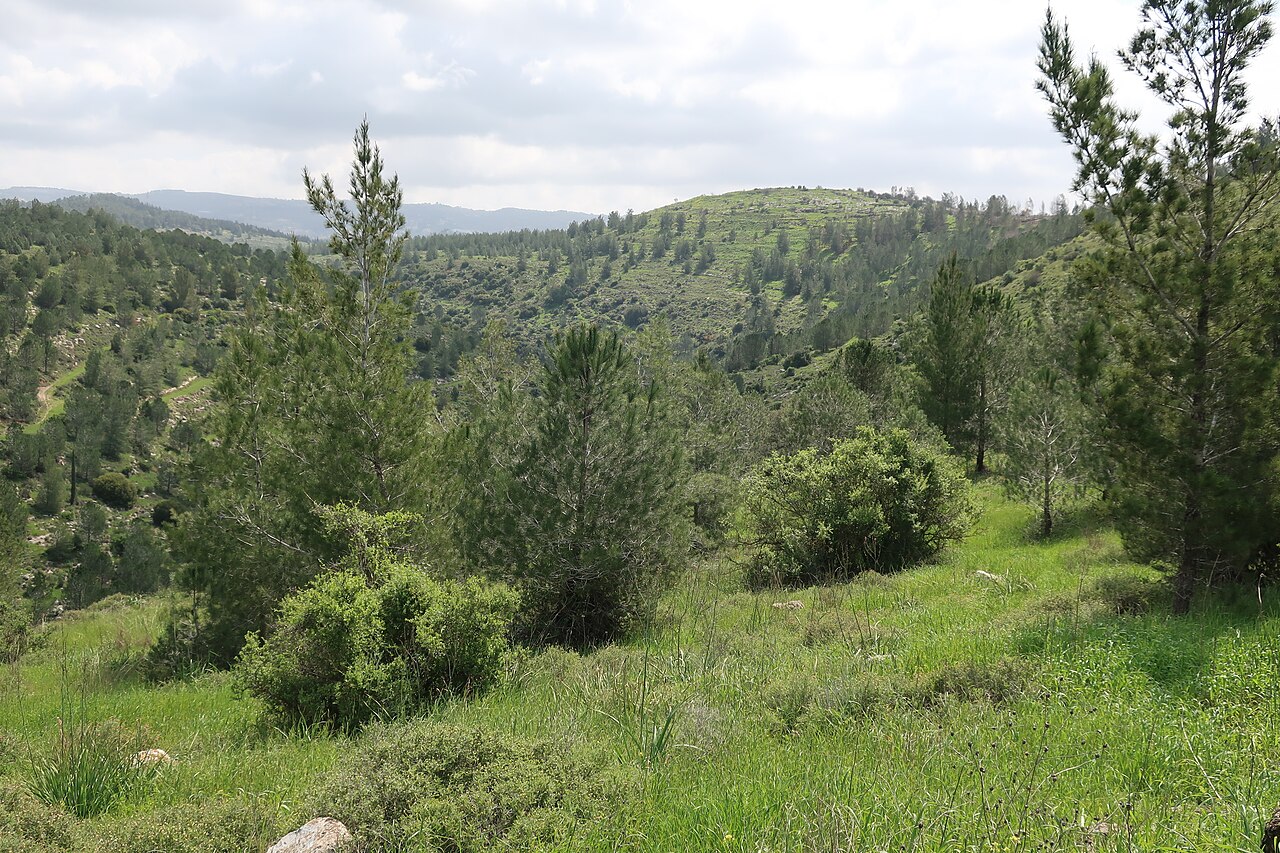
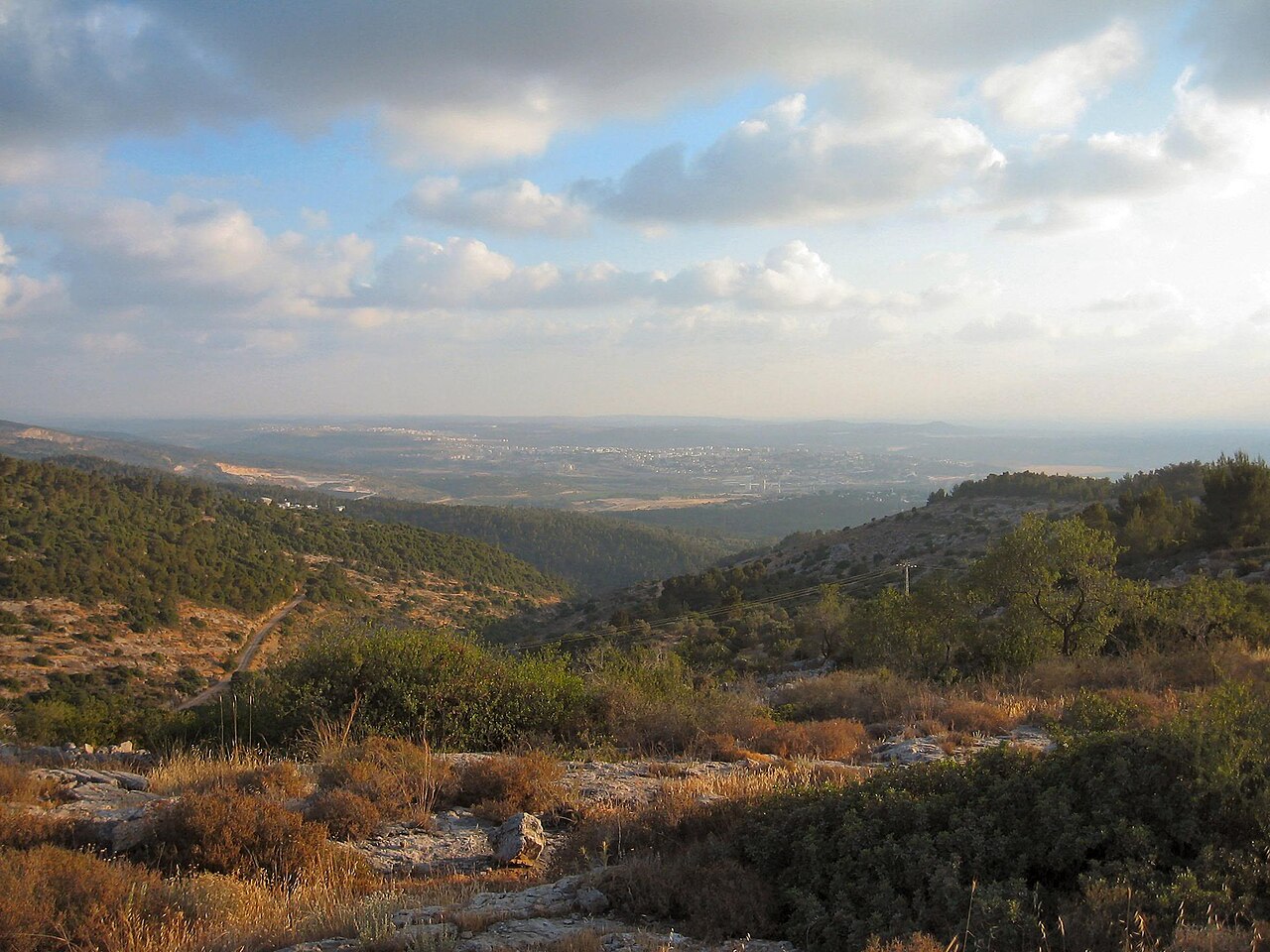
Judea
Judea is a regional designation used in the New Testament for the southern country associated with Jerusalem and Bethlehem. In travel and mission accounts it is distinguished from Galilee and the region of Samaria. The classical dictionary entry notes that the name's geographical scope can vary with period and context. Matt 2:1-6; John 4:1-5; Acts 1:6-8
The regional distinction has a particular role in the earliest Christian mission. Jesus's commission names Jerusalem, Judea and Samaria before the wider world, with witness empowered by the Holy Spirit. The lesson on the spread of the gospel connects that commission with the scattering following Stephen's death. Saul participates in the persecution, taking men and women from their houses into imprisonment. The displaced believers continue proclaiming the message in the surrounding districts. Their movement makes Judea part of a network of communities rather than simply another name for the capital. Acts 1:6-8; Acts 8:1-4
The Gospel birth accounts provide an earlier political setting. Jesus is born at Bethlehem in Judea during the reign of Herod. After the flight to Egypt, Joseph hears that Archelaus rules Judea in place of his father Herod. He consequently takes the child and his mother Mary to Galilee, settling at Nazareth. The birth and subsequent upbringing thus belong to distinct regional settings within one family history. Matt 1:18-21; Matt 2:1-6; Matt 2:13-23
At the beginning of the public ministry, John the Baptist preaches in the Judean wilderness and baptizes in the Jordan; people come from Jerusalem, Judea and the surrounding river district. The wilderness preaching is connected with the voice announced by Isaiah. The administrative frame in Luke 3:1-3 names Tiberius, Pontius Pilate as governor of Judea, Herod as tetrarch of Galilee, Philip over Ituraea and Trachonitis, and Lysanias over Abilene. It also names Annas, Caiaphas and Zacharias, the father of John. The list situates the ministry among civil and religious authorities; the fifteenth regnal year explicitly concerns Tiberius. Matt 3:1-6
Judea forms one stage in the movements of Jesus and his disciples. John 3:22-26 describes their stay in the country while John baptizes at Aenon near Salim. The following passage clarifies that the disciples, rather than Jesus personally, perform the baptisms. The return toward Galilee passes through Samaria and reaches Sychar, near land associated with Jacob and his son Joseph. Thus the narrative distinguishes a regional route from the particular settlements encountered along it. John 4:1-5
A later return to Judea is connected with the household at Bethany. The sick Lazarus is the brother of Mary and Martha. When Jesus announces the return, the disciples recall the recent threat of stoning. He then explains plainly that Lazarus has died, and Thomas calls the others to accompany him. At the tomb, Jesus raises Lazarus from the dead. The regional name locates the renewed journey amid opposition, while the settlement and household supply its specific destination. In Peter's later summary, the message beginning in Galilee after John's baptism is described as spreading throughout Judea. John 11:1-16; Acts 10:34-43 John 11:38-44
The churches in Judea also receive material help from beyond the region. Following Agabus's prediction of famine, placed in the days of Claudius, disciples at Antioch determine to send assistance according to their means. Barnabas and Saul carry it to the elders. This is a concrete relationship of support between communities. The accompanying royal narrative records Herod's persecution: he kills James, brother of John, and imprisons Peter. That ruler is distinct from the Herod of the birth account. Acts 11:27-30; Acts 12:1-4
Relations between communities also involve disagreement over Gentile believers. Men from Judea demand circumcision according to the custom of Moses; Paul and Barnabas dispute the demand and are sent to the apostles and elders in Jerusalem. On the journey through Phoenicia and Samaria, they report Gentile conversions. At the meeting, believing Pharisees also raise the demand. The regional origin of the speakers and the subsequent assembly locate the debate within communication between churches. Acts 15:1-5
Paul’s letter and later mission accounts locate the Judean churches at different stages of his ministry. His letter says that the churches in Judea did not yet know him personally but heard of the persecutor's changed preaching. In his later address to Agrippa, he describes a mission reaching Damascus, Jerusalem, Judea and the Gentiles, calling for repentance expressed in deeds. Still later, the interlocutors in his Roman hearing say they have received no letters from Judea concerning him. These statements concern recognition, a retrospective mission summary and the receipt of information respectively; they are not three identical descriptions of a single visit. Gal 1:22-24; Acts 26:19-23; Acts 28:17-22