Mary Summary
STEPBible TIPNR
Mary, the mother of Jesus and wife of Joseph, was a virgin when she conceived by the Holy Spirit.
wife of Joseph, and mother of the Messiah (MAT 1:16)
Lineage: God › Adam › Seth › Enos › Cainan › Mahalaleel › Jared › Enoch › Methuselah › Lamech › Noah › Shem › Arphaxad › Cainan › Salah › Eber › Peleg › Reu › Serug › Nahor › Terah › Abraham › Isaac › Jacob › Judah › Pharez › Hezron › Ram › Amminadab › Nahshon › Salmon › Boaz › Obed › Jesse › David › Nathan › Mattatha › Menan › Melea › Eliakim › Jonan › Joseph › Juda › Simeon › Levi › Matthat › Jorim › Eliezer › Jose › Er › Elmodam › Cosam › Addi › Melchi › Neri › Salathiel › Zorobabel › Rhesa › Joanna › Juda › Joseph › Semei › Mattathias › Maath › Nagge › Esli › Naum › Amos › Mattathias › Joseph › Janna › Melchi › Levi › Matthat › Heli › Mary
Loading book references…
Conditional birth bounds under generation assumptions; not attested parental ages, biological limits or a lifespan.
Below are relatives with a selected birth year, the generations separating them, and the interval allowed by each anchor. Each relative’s page shows available dates and sources. The overall estimate uses the intersection of the allowed intervals.
| Relative / anchor year | Generations | Conditional interval |
|---|---|---|
| Nathan · 1033 BC Ancestor |
40 20–45 years per generation |
c. 233 BC – AD 768 |
| David · 1086 BC Ancestor |
41 20–45 years per generation |
c. 266 BC – AD 760 |
| Ruth · 1116 BC Ancestor |
44 20–45 years per generation |
c. 236 BC – AD 865 |
| Pharez · 1722 BC Ancestor |
50 20–45 years per generation |
c. 722 BC – AD 529 |
| Jacob · 1835 BC Ancestor |
52 20–45 years per generation |
c. 795 BC – AD 506 |
| Isaac · 1895 BC Ancestor |
53 20–45 years per generation |
c. 835 BC – AD 491 |
| Rebekah · 1876 BC Ancestor |
53 20–45 years per generation |
c. 816 BC – AD 510 |
| Abraham · 1995 BC Ancestor |
54 20–45 years per generation |
c. 915 BC – AD 436 |
| Sarah · 1985 BC Ancestor |
54 20–45 years per generation |
c. 905 BC – AD 446 |
| Terah · 2125 BC Ancestor |
55 25–130 years per generation |
c. 750 BC – AD 5026 |
| Nahor · 2156 BC Ancestor |
56 25–130 years per generation |
c. 756 BC – AD 5125 |
| Haran · 2056 BC Ancestor |
56 25–130 years per generation |
c. 656 BC – AD 5225 |
| Serug · 2186 BC Ancestor |
57 25–130 years per generation |
c. 761 BC – AD 5225 |
| Reu · 2218 BC Ancestor |
58 25–130 years per generation |
c. 768 BC – AD 5323 |
| Peleg · 2248 BC Ancestor |
59 25–130 years per generation |
c. 773 BC – AD 5423 |
| Eber · 2282 BC Ancestor |
60 25–130 years per generation |
c. 782 BC – AD 5519 |
| Salah · 2312 BC Ancestor |
61 25–130 years per generation |
c. 787 BC – AD 5619 |
| Arphaxad · 2347 BC Ancestor |
63 25–130 years per generation |
c. 772 BC – AD 5844 |
| Shem · 2447 BC Ancestor |
64 25–130 years per generation |
c. 847 BC – AD 5874 |
| Noah · 2948 BC Ancestor |
65 25–130 years per generation |
c. 1323 BC – AD 5503 |
| Lamech · 3130 BC Ancestor |
66 25–130 years per generation |
c. 1480 BC – AD 5451 |
| Methuselah · 3317 BC Ancestor |
67 25–130 years per generation |
c. 1642 BC – AD 5394 |
| Enoch · 3382 BC Ancestor |
68 25–130 years per generation |
c. 1682 BC – AD 5459 |
| Jared · 3544 BC Ancestor |
69 25–130 years per generation |
c. 1819 BC – AD 5427 |
| Mahalaleel · 3609 BC Ancestor |
70 25–130 years per generation |
c. 1859 BC – AD 5492 |
| Cainan · 3679 BC Ancestor |
71 25–130 years per generation |
c. 1904 BC – AD 5552 |
| Cain · 4004 BC Ancestor |
71 25–130 years per generation |
c. 2229 BC – AD 5227 |
| Enos · 3769 BC Ancestor |
72 25–130 years per generation |
c. 1969 BC – AD 5592 |
| Adam · 4004 BC Ancestor |
72 25–130 years per generation |
c. 2204 BC – AD 5357 |
| Eve · 4005 BC Ancestor |
72 25–130 years per generation |
c. 2205 BC – AD 5356 |
| Seth · 3874 BC Ancestor |
73 25–130 years per generation |
c. 2049 BC – AD 5617 |
| Jesus Christ · 5 BC Descendant |
1 20–45 years per generation |
c. 50 BC – 25 BC |
Mary, the mother of Jesus and wife of Joseph, was a virgin when she conceived by the Holy Spirit.
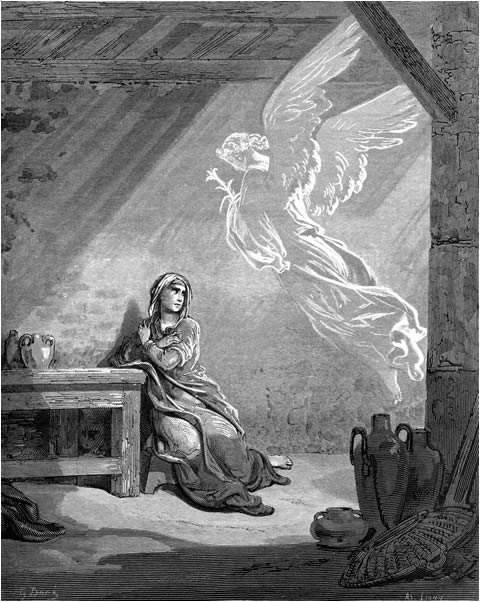
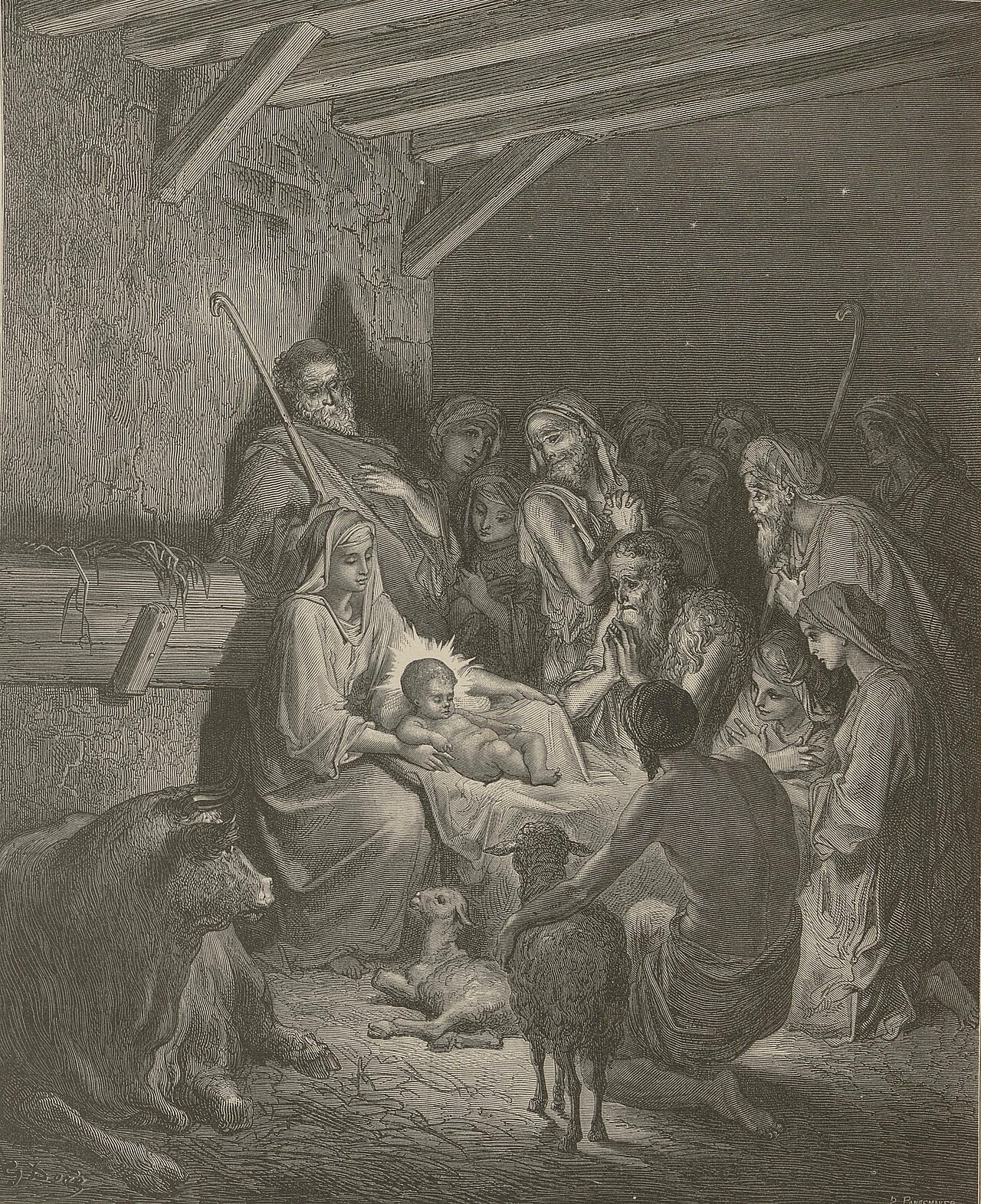
Mary, the mother of Jesus, was a young Jewish woman from Nazareth betrothed to Joseph, a descendant of David. She was likely a sister of Salome (see Jhn 19:25 and Gosple of Thomas but contra Diatessaron). Before their marriage, an angel appeared to Mary, announcing that she would conceive a child by the Holy Spirit and name Him Jesus. Mary humbly accepted this divine plan, and the virgin birth of Jesus fulfilled the prophecy of the Messiah (Mat.1.16, 18, 20; Luk 1:26-38). After Jesus' birth in Bethlehem, Mary and Joseph presented Him at the temple, where Simeon prophesied that a sword would pierce her soul (Luk.2.5, 16, 19, 34). Mary treasured these events in her heart. She and Joseph raised Jesus in Nazareth, and He was known as the son of Mary (Mat 13:55; Mrk 6:3). During Jesus' crucifixion, Mary stood near the cross with other women, including her sister, Mary the wife of Clopas, and Mary Magdalene (Mat.27.56, 61; Mrk.15.40, 47). After Jesus' resurrection, Mary was among the women who went to the tomb and later informed the disciples (Mat 28:1; Mrk 16:1; Luk 24:10). In the early church, Mary joined the disciples in prayer as they awaited the coming of the Holy Spirit (Act 1:14).
The wife of Joseph, the mother of Jesus, called the “Virgin Mary,” though never so designated in Scripture (Matt. 2:11; Acts 1:14). Little is known of her personal history. Her genealogy is given in Luke 3. She was of the tribe of Judah and the lineage of David (Ps. 132:11; Luke 1:32). She was connected by marriage with Elisabeth, who was of the lineage of Aaron (Luke 1:36).
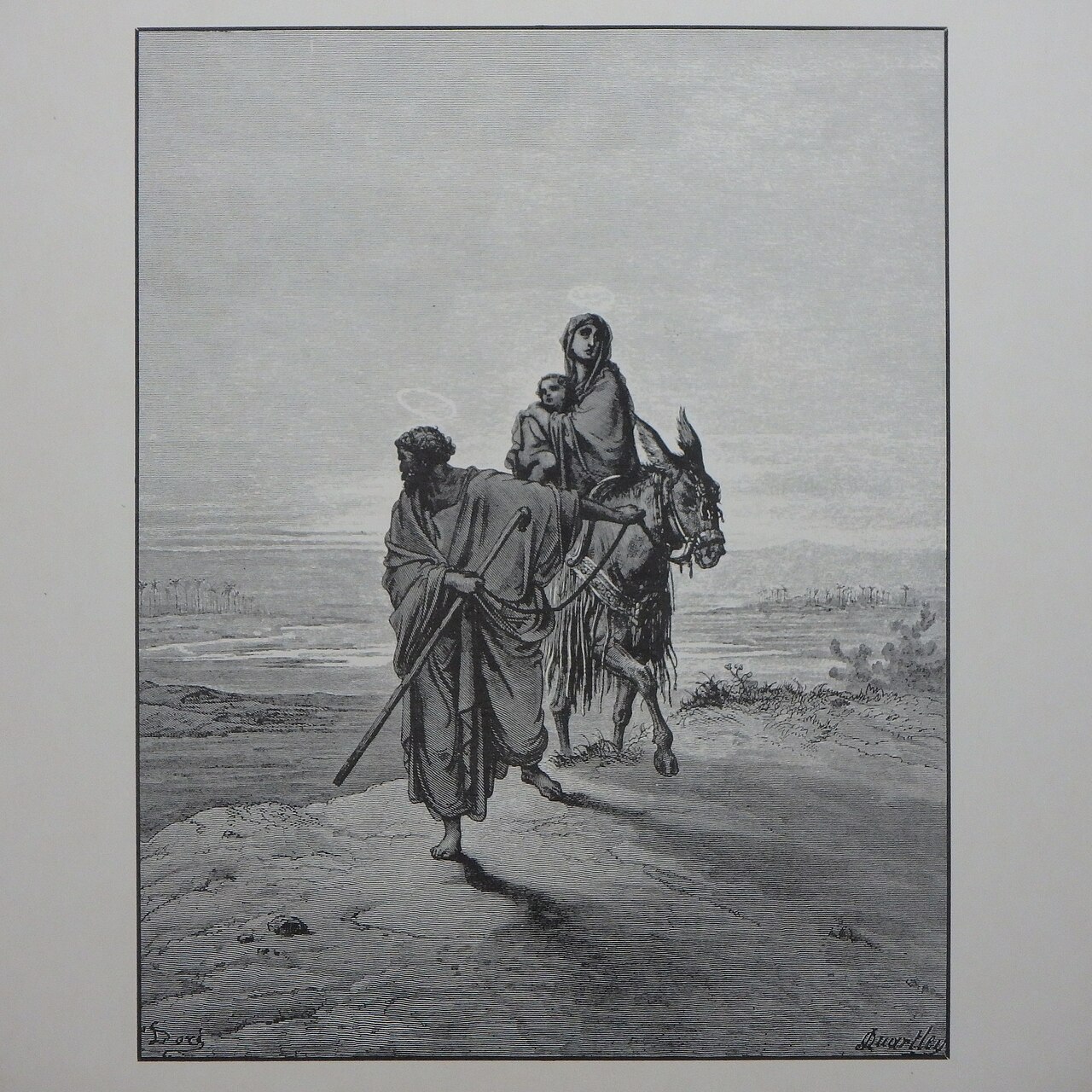
While she resided at Nazareth with her parents, before she became the wife of Joseph, the angel Gabriel announced to her that she was to be the mother of the promised Messiah (Luke 1:35). After this she went to visit her cousin Elisabeth, who was living with her husband Zacharias (probably at Juttah, Josh. 15:55; 21:16, in the neighbourhood of Maon), at a considerable distance, about 100 miles, from Nazareth. Immediately on entering the house she was saluted by Elisabeth as the mother of her Lord, and then forthwith gave utterance to her hymn of thanksgiving (Luke 1:46-56; comp. 1 Sam. 2:1-10). After three months Mary returned to Nazareth to her own home. Joseph was supernaturally made aware (Matt. 1:18-25) of her condition, and took her to his own home. Soon after this the decree of Augustus (Luke 2:1) required that they should proceed to Bethlehem (Micah 5:2), some 80 or 90 miles from Nazareth; and while they were there they found shelter in the inn or khan provided for strangers (Luke 2:6, 7). But as the inn was crowded, Mary had to retire to a place among the cattle, and there she brought forth her son, who was called Jesus (Matt. 1:21), because he was to save his people from their sins. This was followed by the presentation in the temple, the flight into Egypt, and their return in the following year and residence at Nazareth (Matt. 2). There for thirty years Mary, the wife of Joseph the carpenter, resides, filling her own humble sphere, and pondering over the strange things that had happened to her. During these years only one event in the history of Jesus is recorded, viz., his going up to Jerusalem when twelve years of age, and his being found among the doctors in the temple (Luke 2:41-52). Probably also during this period Joseph died, for he is not again mentioned.
After the commencement of our Lord’s public ministry little notice is taken of Mary. She was present at the marriage in Cana. A year and a half after this we find her at Capernaum (Matt. 12:46, 48, 49), where Christ uttered the memorable words, “Who is my mother? and who are my brethren? And he stretched forth his hand toward his disciples, and said, Behold my mother and my brethren!” The next time we find her is at the cross along with her sister Mary, and Mary Magdalene, and Salome, and other women (John 19:26). From that hour John took her to his own abode. She was with the little company in the upper room after the Ascension (Acts 1:14). From this time she wholly disappears from public notice. The time and manner of her death are unknown.
Sources: BibleData (CC BY 4.0, Mary_1) · STEPBible TIPNR (CC BY 4.0, Mary@Mat.1.16-Act) · Theographic Bible Metadata (CC BY-SA 4.0, mary_1938)