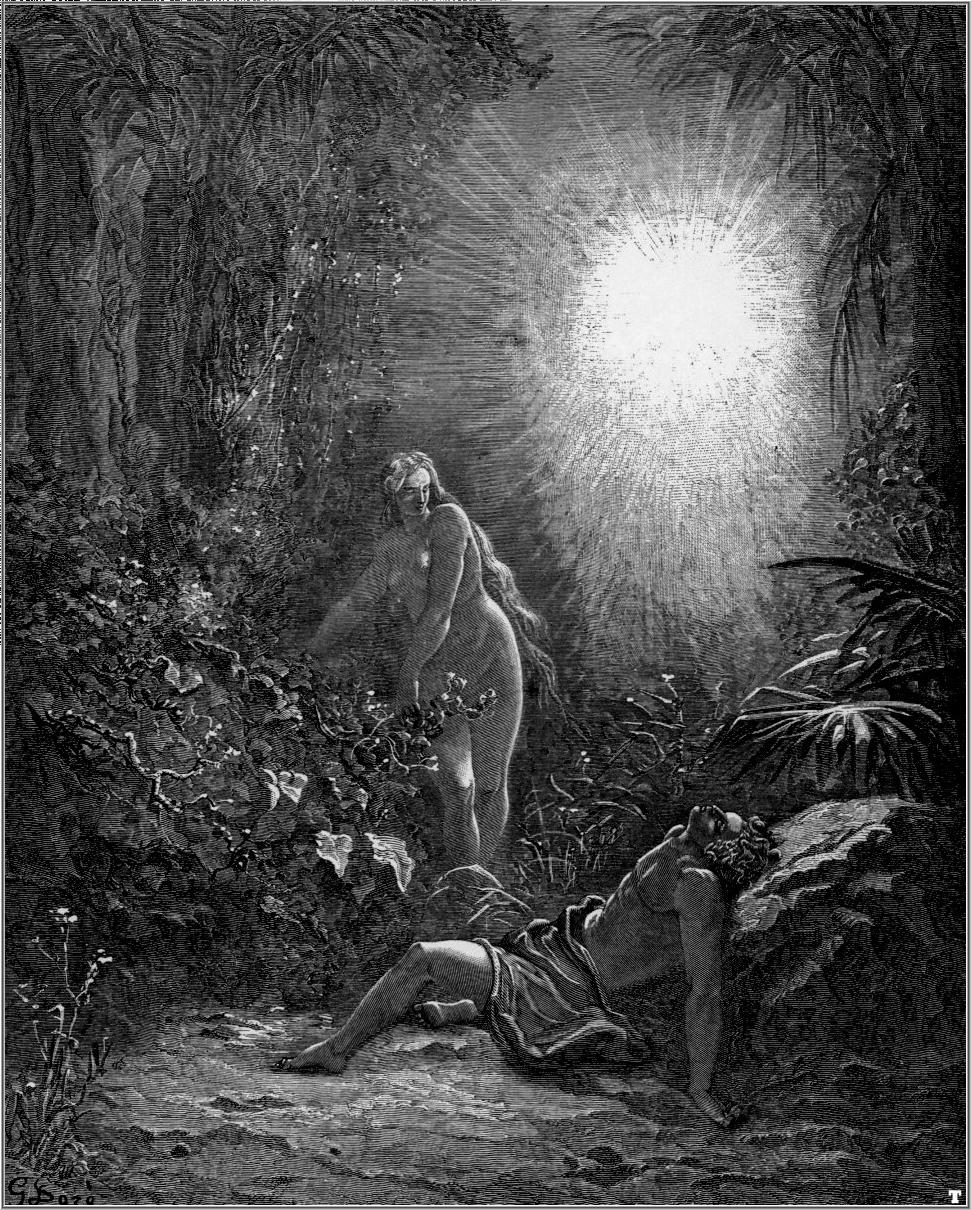
Adam
Adam is presented in Genesis as the first man, formed by God, and as the husband of Eve. The creation, garden, disobedience and family records establish his place at the beginning of the Bible’s account of humanity. The genealogy gives a lifespan of 930 years and identifies later generations through Seth. Gen 2:7-25 Gen 3:1-24 Gen 5:1-5 (Creation of Adam and Eve) (The Fall) (Death of Adam)
Formation from the ground and the giving of breath create a whole living person. This connects the account of physical life with humanity’s likeness to God. The wording says that the man becomes a living being; it does not describe the insertion of an independently living soul into a body. Gen 1:26-31 Gen 2:7-25 (“The Creation of Humanity”)
The creation passages assign humanity a distinctive place in the created world. Male and female share the divine image, blessing and responsibility for other living creatures. The provision of seed-bearing plants and fruit supplies the stated food, and the completed creation is judged very good. The account then records the blessing and sanctification of the seventh day. These details give the original human setting its work, provision and ordered time, before the later account of disruption. Gen 1:26-31 Gen 2:1-6 (Creation of all things)
The garden is named Eden. Its geographical description lists Pison, Gihon, Hiddekel and Euphrates, but this article does not equate the whole description with a modern coordinate. Adam’s duties are cultivation and care, with a prohibition concerning the tree of the knowledge of good and evil. The naming of animals and formation of the woman lead to the description of marriage as the union of the two. The later name Eve is connected with her place as mother of the living. Gen 2:7-25 Gen 3:1-24
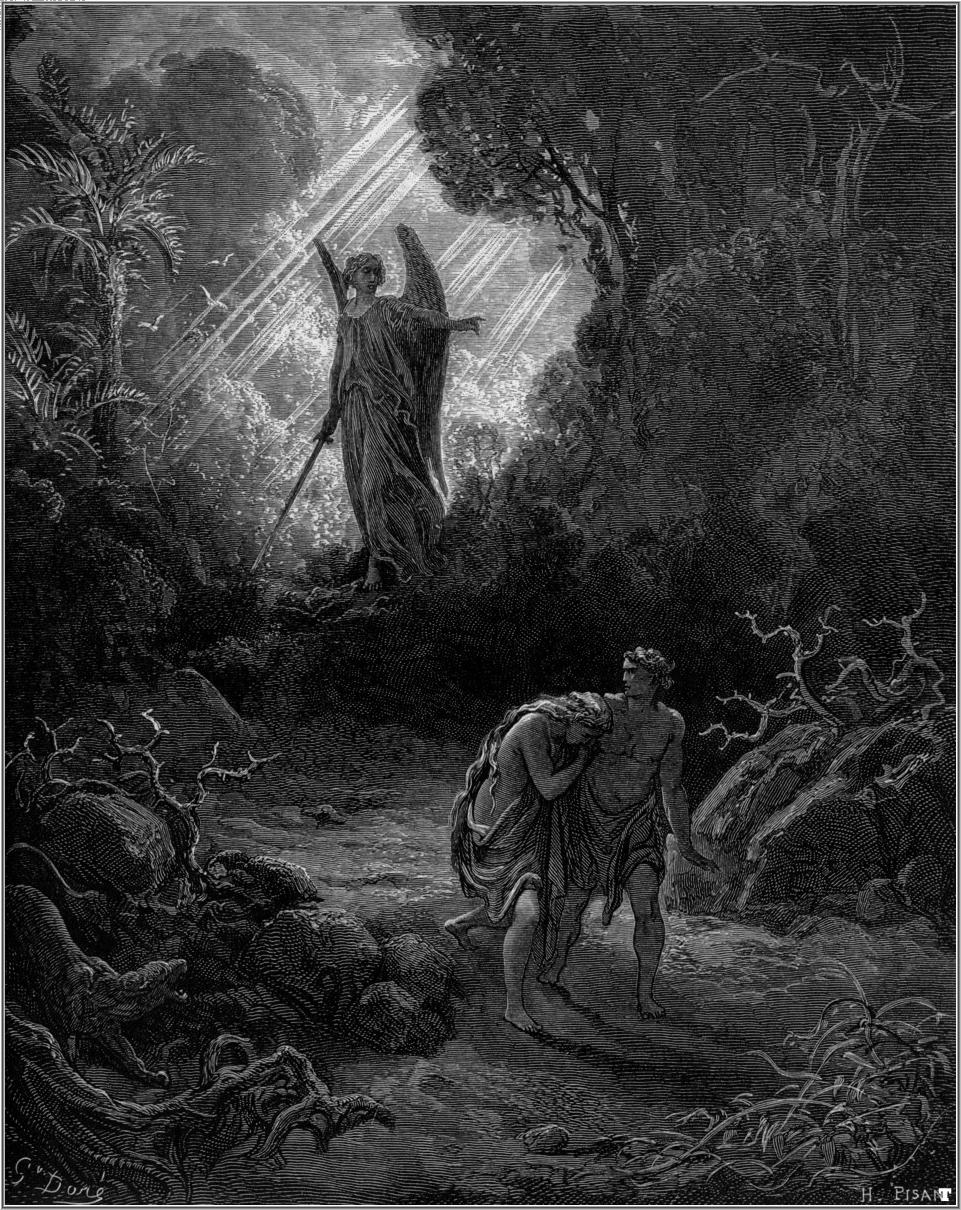
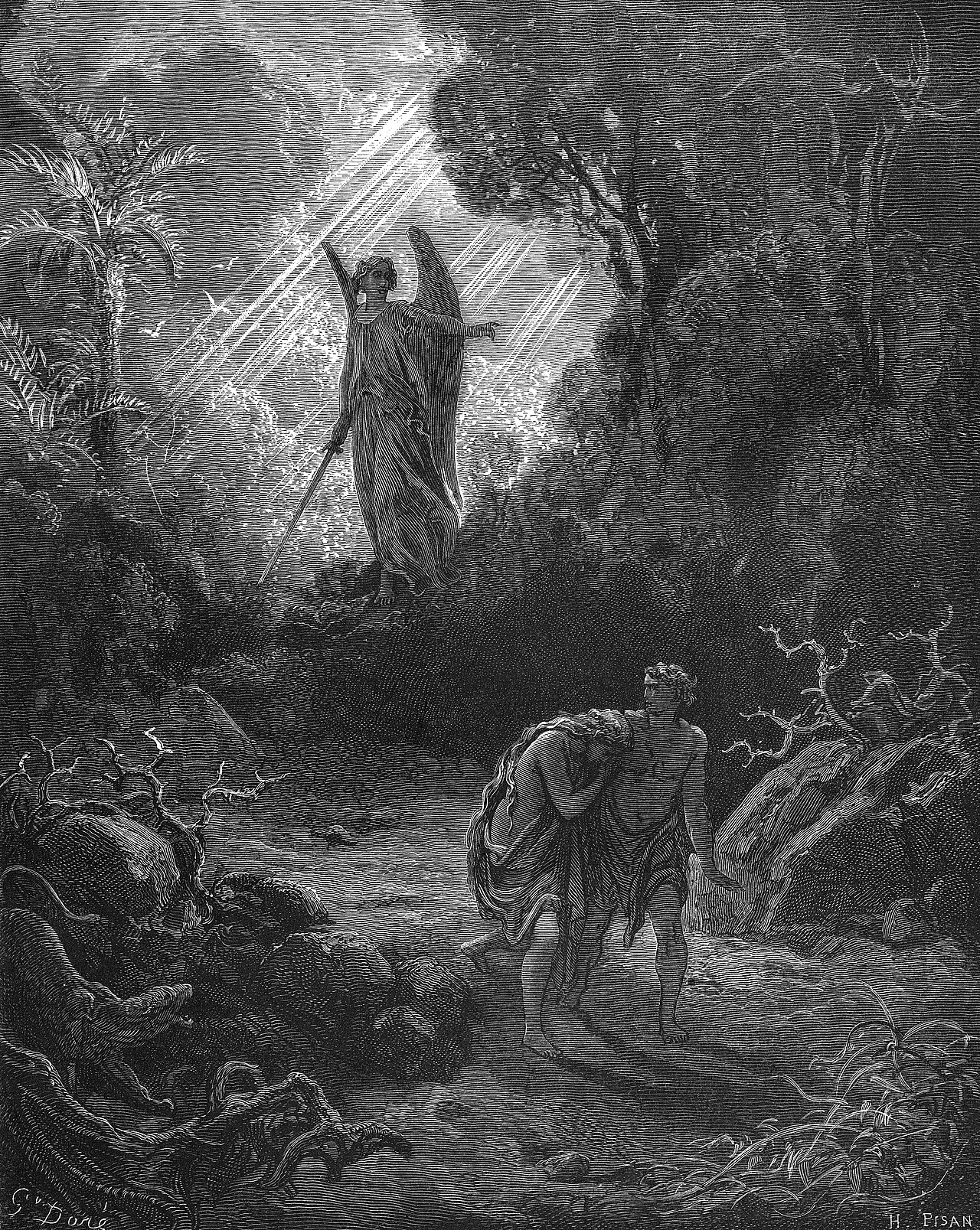
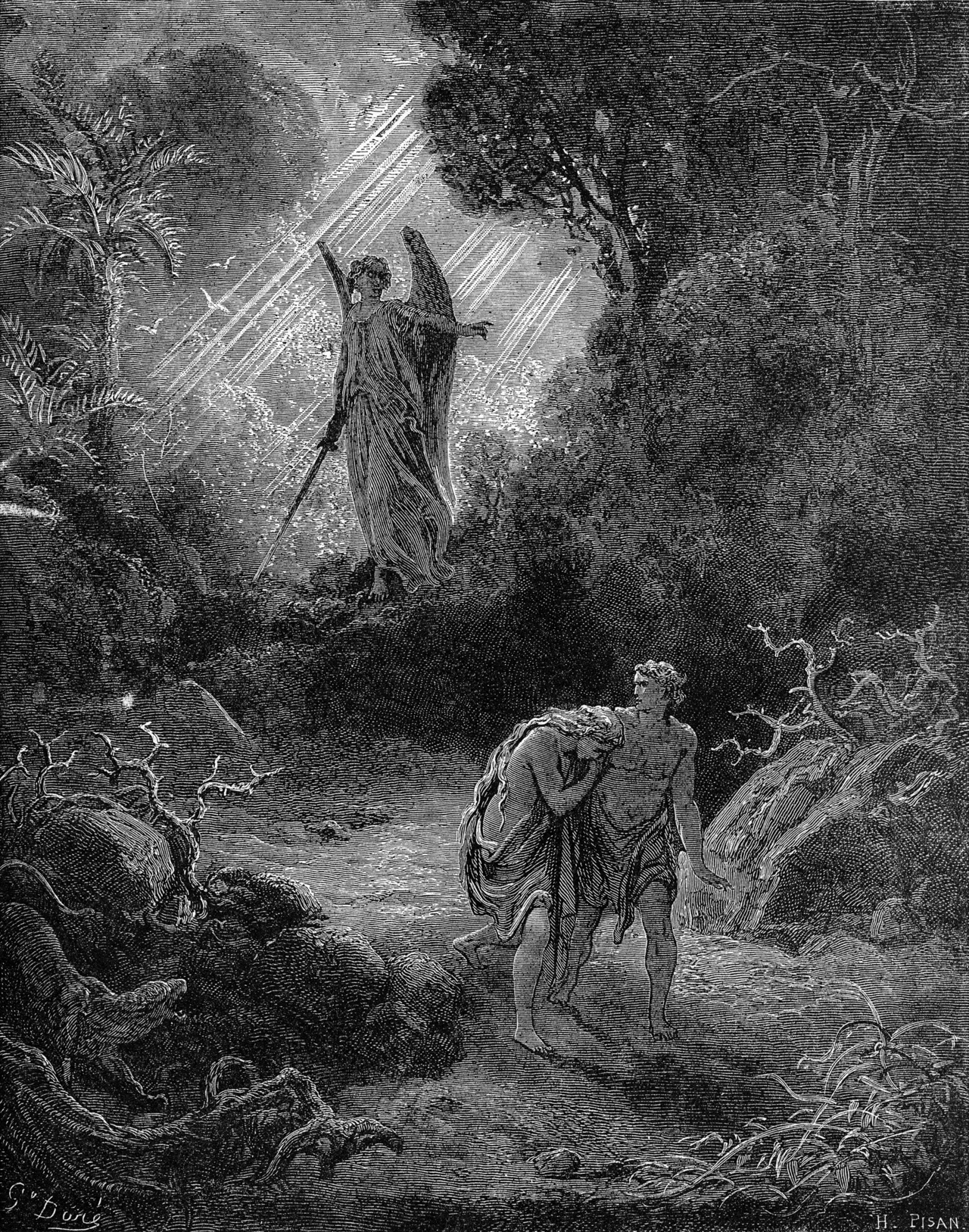
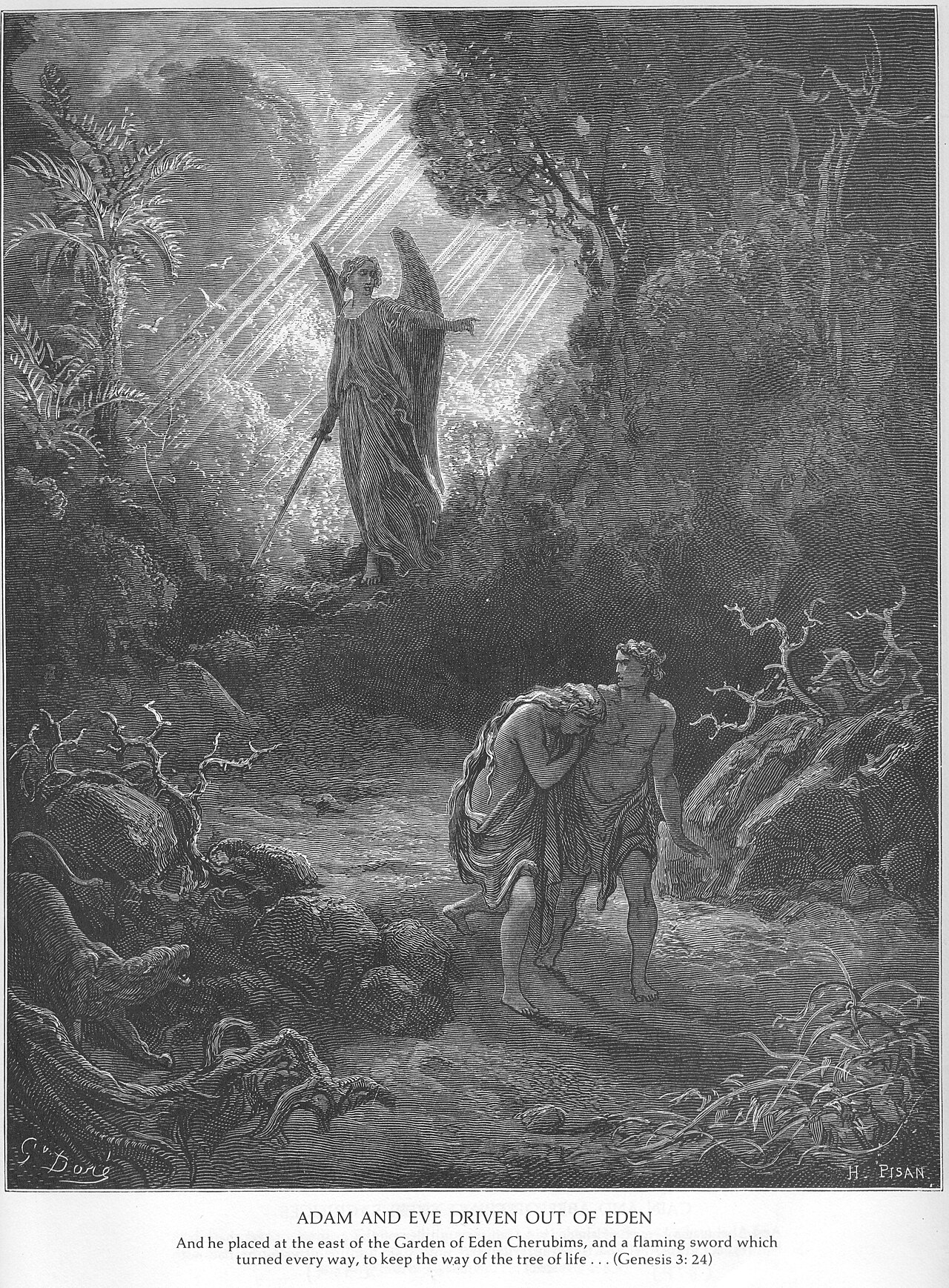
The disobedience record assigns action to both members of the couple: Eve eats and gives the fruit to her husband, who also eats. Shame, hiding and the attempt to shift responsibility follow. The divine judgment concerns the serpent, childbirth, the husband-wife relationship and the difficulty of cultivation. Adam is told that he will return to the ground, while exclusion from the tree of life prevents endless life in that condition. The passage also contains the promise of enmity between the serpent and the woman’s offspring, which belongs to the Bible’s subsequent interpretation of redemption. Gen 3:1-24
The earliest family notices name Cain, Abel and Seth. Cain cultivates the ground and Abel keeps a flock; their offerings and the murder of Abel introduce worship and violence into the family history. Seth’s birth is described by Eve in relation to the lost son, and Enos represents the next named generation. Adam is 130 at Seth’s birth and lives another 800 years, with other sons and daughters whose names are not supplied in that notice. Gen 4:1-16 Gen 4:25-26 Gen 5:1-5 (Cain kills Abel) (Birth of Seth) (Birth of Enos)
The New Testament gives Adam a representative role as well as a genealogical one. Luke includes him in the ancestry of Jesus, through Seth and Enos. Paul describes death reigning from Adam to Moses, then contrasts Adam’s disobedience with the obedience and grace associated with Jesus Christ. In the resurrection argument, the first man is contrasted with Christ, the last Adam. These are theological interpretations of the human and saving histories: mortality through the first man is set beside resurrection and restored life through Christ. Luke 3:38 Rom 5:12-21 1 Cor 15:20-23 1 Cor 15:45-49