Abel
Abel is the second son of Adam and Eve, born after his brother Cain. He is a keeper of sheep, while Cain tills the ground. “Cain and Abel”, 10 April 2022, notes that Eve, who greets Cain’s birth with words of hope, says nothing recorded at Abel’s, and that his name denotes what is fleeting. Gen 4:2.
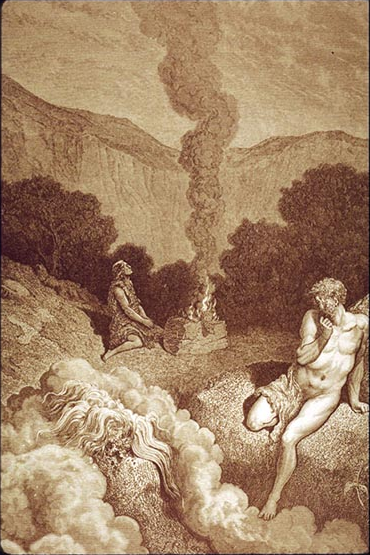
Abel brings of the firstlings of his flock and of their fat, and the LORD has respect to Abel and to his offering, but not to Cain and his. Hebrews says that by faith Abel offered to God a more excellent sacrifice than Cain, obtaining witness that he was righteous, God testifying of his gifts, and that by it he, being dead, yet speaks. Ellen G. White, Patriarchs and Prophets, chapter 5, writes that Abel brought the slain victim in accordance with the LORD’s directions, that fire from heaven consumed it, and that through the shed blood he looked to the future sacrifice of Christ. “The Two Offerings”, 11 April 2022, contrasts the keeper, careful to keep what he had received, with the producer. Gen 4:4-5; Heb 11:4.
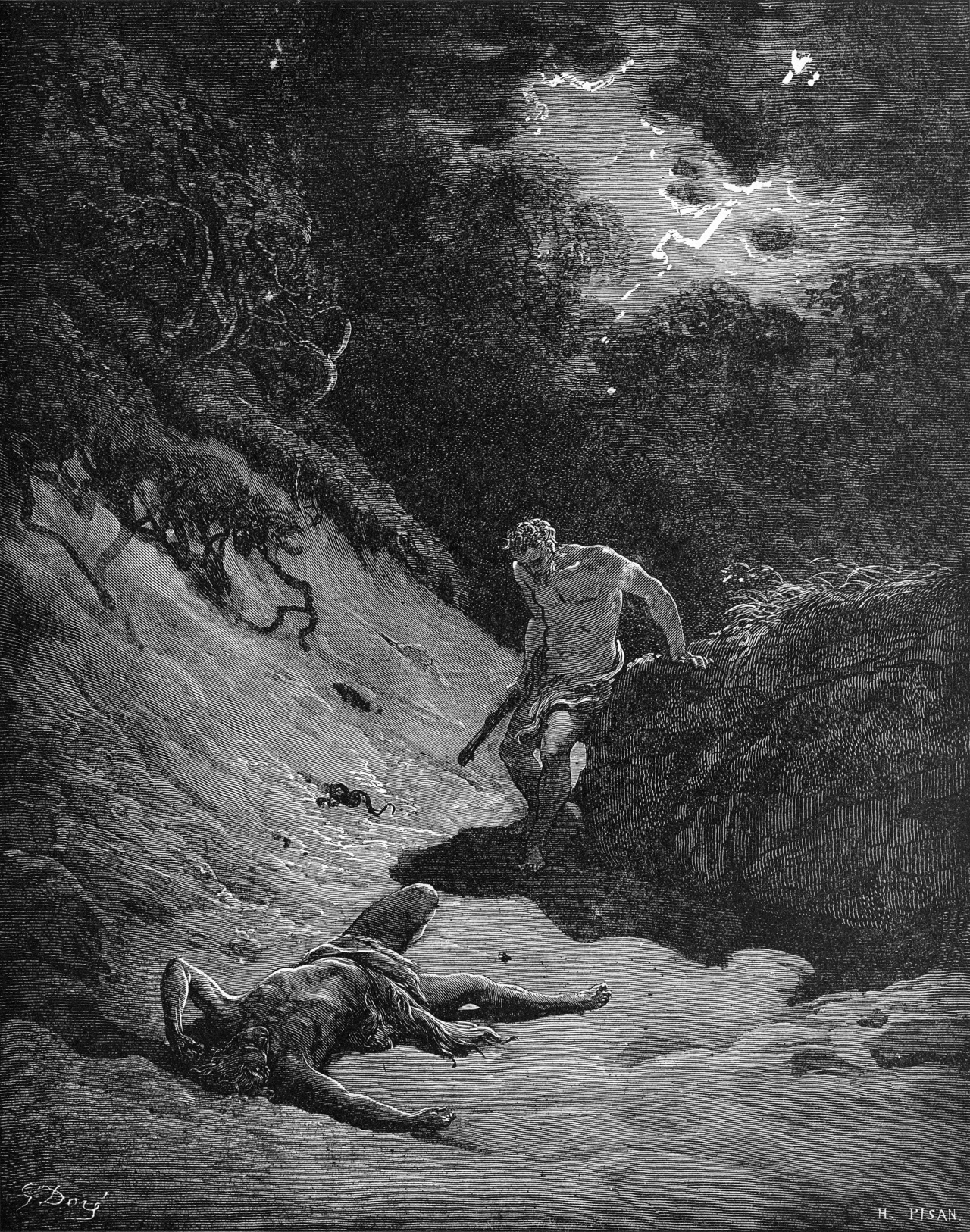
When the brothers are in the field, Cain rises up against Abel and slays him. Asked where his brother is, Cain says that he does not know, and the LORD answers that the voice of Abel’s blood cries to Him from the ground. John gives the reason for the murder: Cain’s own works were evil and his brother’s righteous. Patriarchs and Prophets relates that Abel, in meekness yet firmly, defended the justice and goodness of God when Cain reproached him, that his life of obedience was to Cain a perpetual reproof, and that the murder was the first example of the enmity between the serpent and the seed of the woman. Gen 4:8-10; 1 John 3:12.
When Seth is born, Eve says that God has appointed her another seed instead of Abel, whom Cain slew; Patriarchs and Prophets describes Seth as following in the steps of Abel. Gen 4:25.
Jesus, in the woes on the scribes and Pharisees, speaks of all the righteous blood shed on the earth “from the blood of righteous Abel” to the blood of Zacharias, and in Luke of the blood of Abel to the blood of Zacharias; The Desire of Ages, chapter 67, says that from the time righteous Abel fell by the hand of Cain the same history had been repeated with increasing guilt. Hebrews sets Jesus, the mediator of the new covenant, and the blood of sprinkling that speaks better things than that of Abel, at the end of its list; The Desire of Ages, chapter 16, quotes the verse of the true sacrifice to which the eyes of men were turned when the earthly priesthood ceased. Matt 23:35; Luke 11:51; Heb 12:24.