Eve Summary
STEPBible TIPNR
Eve was the first woman, created as Adam's wife, who was tempted by the serpent and ate the forbidden fruit.
first woman, created from Adam (GEN 2:22)
Lineage: God › Eve
Loading book references…
Absolute years are conditional chronological estimates. A biblical passage may state an age or event, but does not by itself establish a BCE year. Different calendar systems are preserved separately.
-4004 · Calendar interpretation is unverified; the raw value is shown.
eve_1231 · birthYeartheographic/People.csv · record 9151c8aece80c92d92bee00a3b403b047d702e24f1b0c4143d74e6e7e1a6fcbe851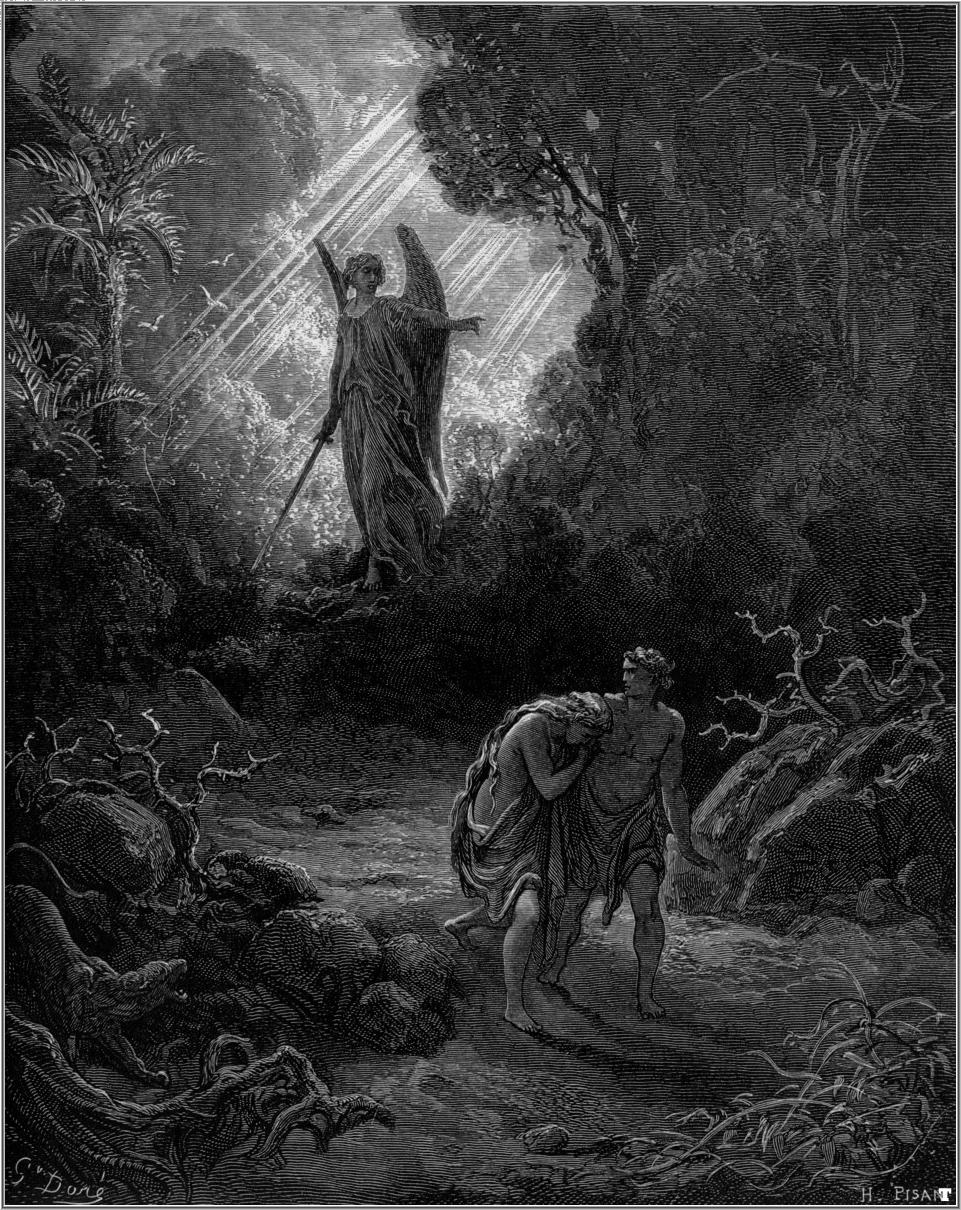
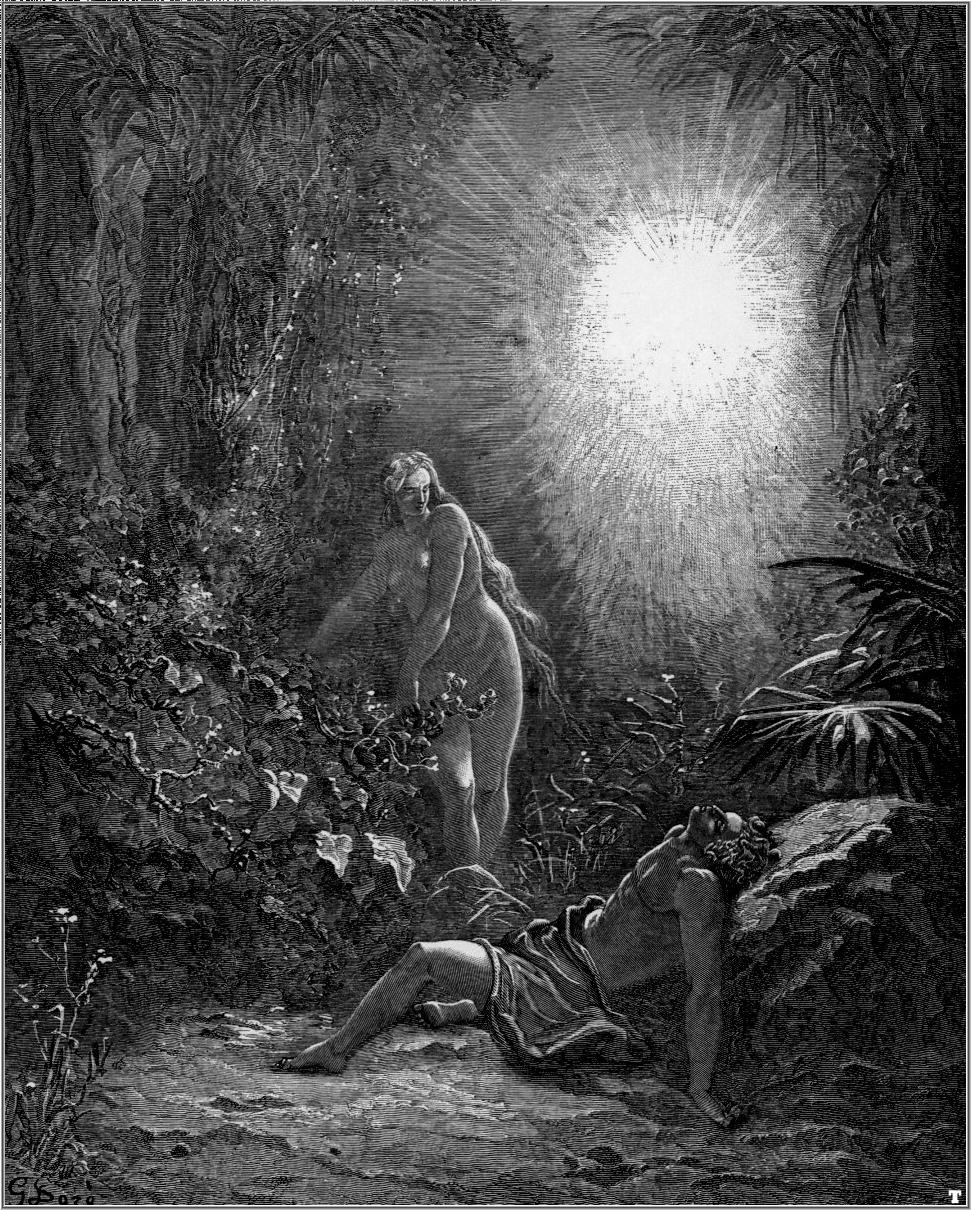
Eve was the first woman, created as Adam's wife, who was tempted by the serpent and ate the forbidden fruit.
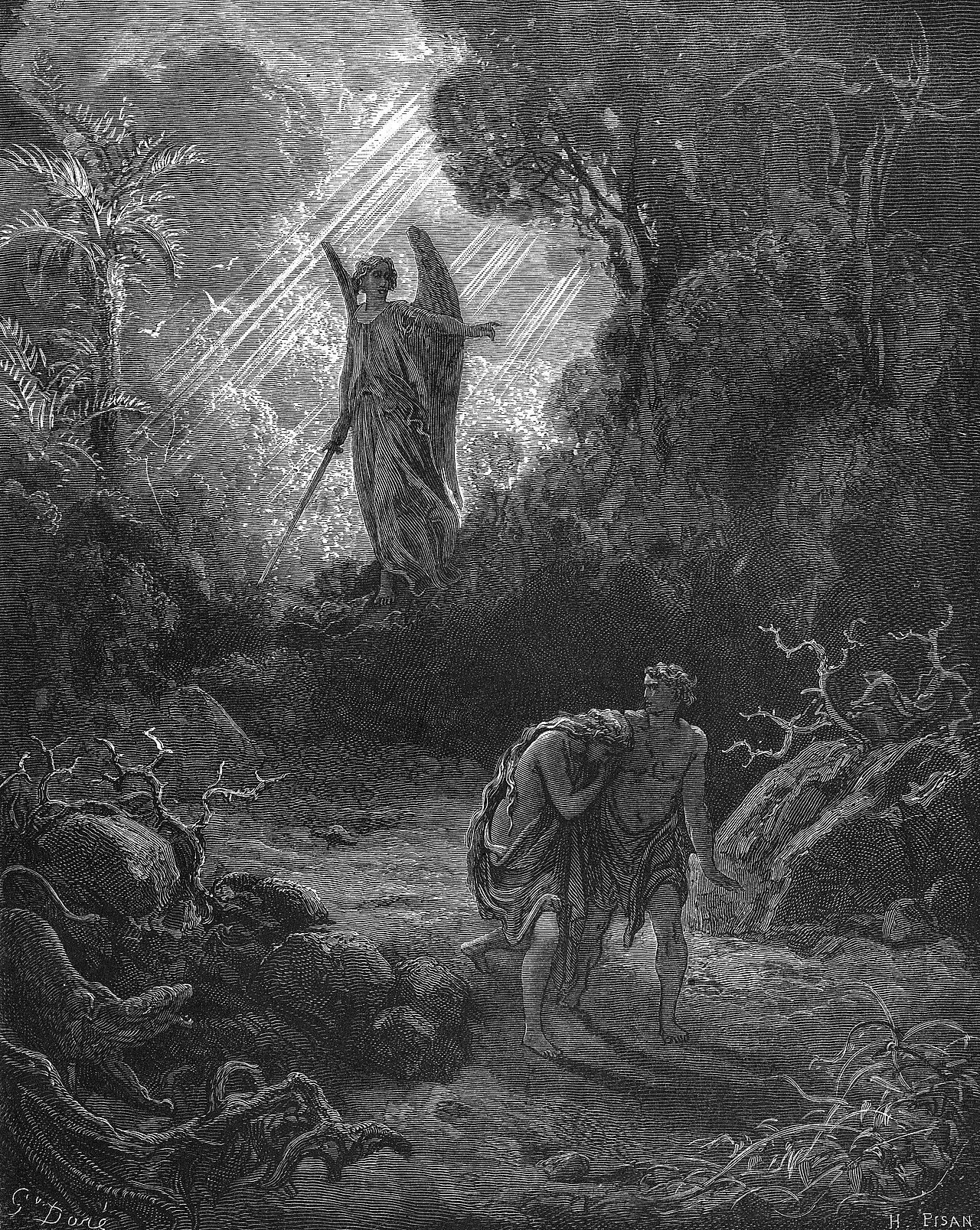
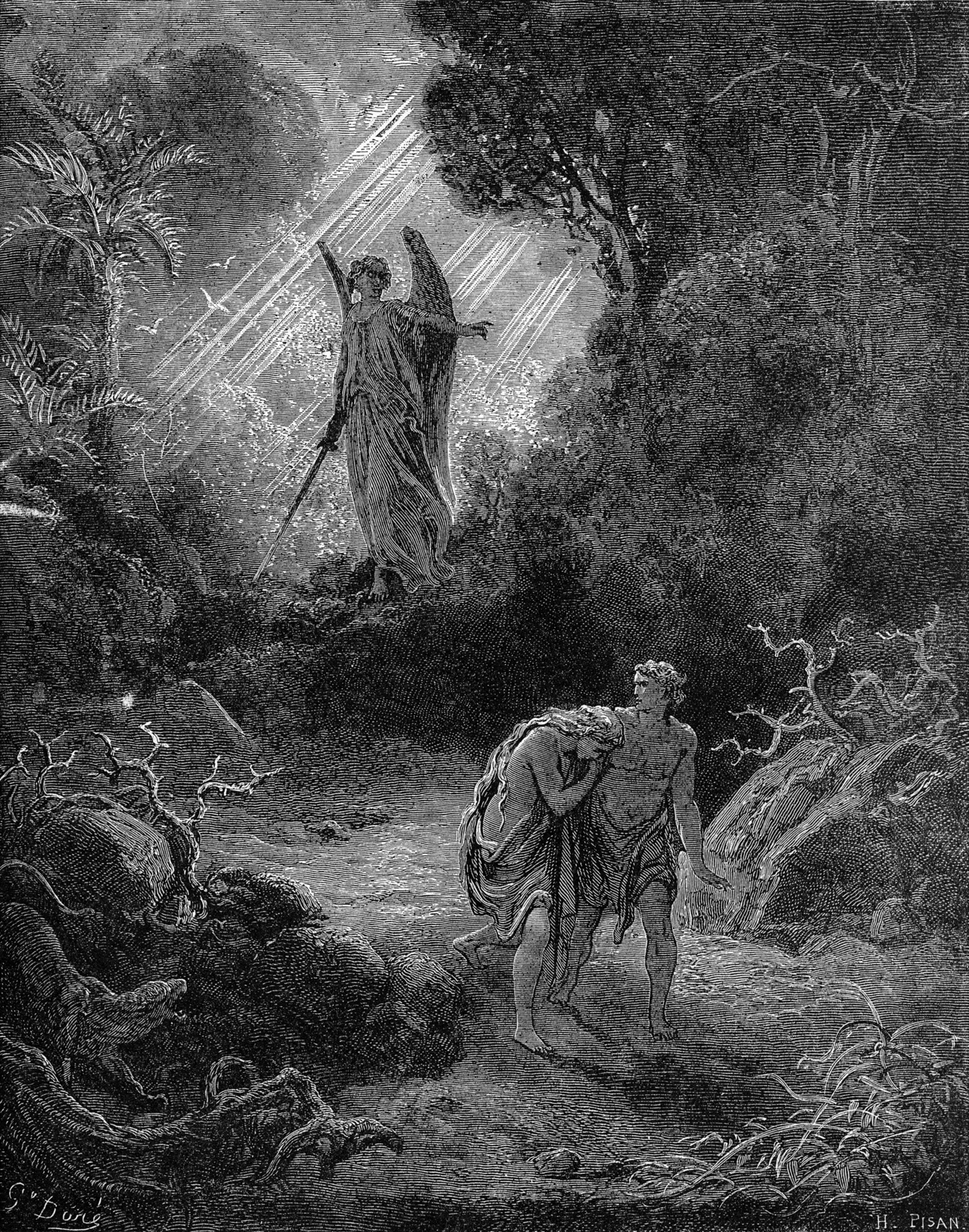
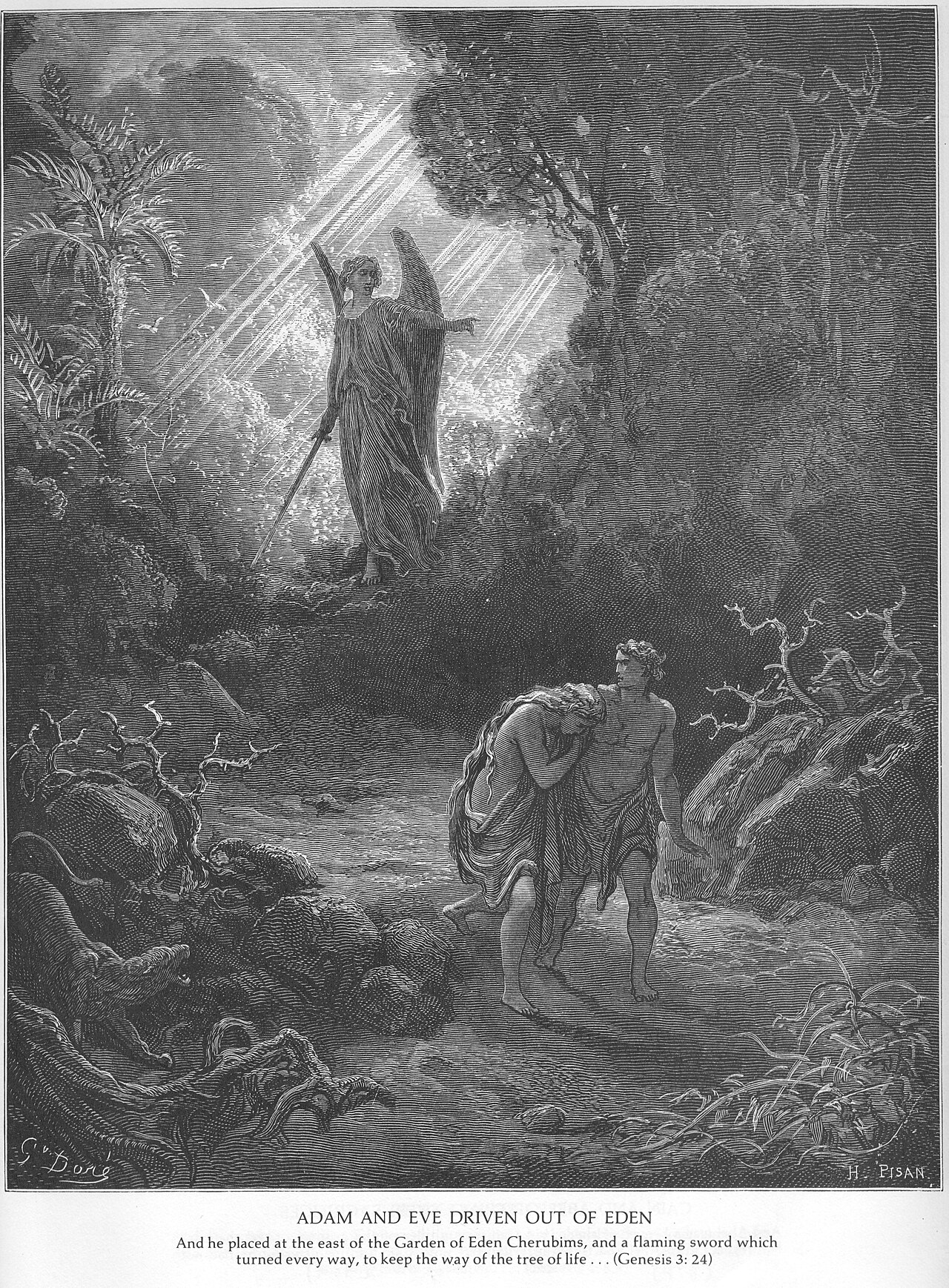
Eve was the first woman, created by God as a companion for Adam (Gen 2:22). She was formed from one of Adam's ribs and was named "Eve" because she would become the mother of all living (Gen 3:20). Eve was tempted by the serpent to eat the fruit from the tree of the knowledge of good and evil, which God had forbidden (Gen 3:1-6). She ate the fruit and gave some to Adam, resulting in their disobedience and the introduction of sin into the world (Gen 3:6-7). As a consequence, Eve experienced pain in childbirth and a desire for her husband, while Adam had to labor to provide for them (Gen 3:16-19). Despite this, Eve is recognized as the mother of the human race (Gen 4:1). Paul references Eve's deception as a warning against false teachers (2Co 11:3) and notes that Adam was created first, then Eve (1Ti 2:13).
Life; living, the name given by Adam to his wife (Gen. 3:20; 4:1). The account of her creation is given in Gen. 2:21, 22. The Creator, by declaring that it was not good for man to be alone, and by creating for him a suitable companion, gave sanction to monogamy. The commentator Matthew Henry says: “This companion was taken from his side to signify that she was to be dear unto him as his own flesh. Not from his head, lest she should rule over him; nor from his feet, lest he should tyrannize over her; but from his side, to denote that species of equality which is to subsist in the marriage state.” And again, “That wife that is of God’s making by special grace, and of God’s bringing by special providence, is likely to prove a helpmeet to her husband.” Through the subtle temptation of the serpent she violated the commandment of God by taking of the forbidden fruit, which she gave also unto her husband (1 Tim. 2:13-15; 2 Cor. 11:3). When she gave birth to her first son, she said, “I have gotten a man from the Lord” (R.V., “I have gotten a man with the help of the Lord,” Gen. 4:1). Thus she welcomed Cain, as some think, as if he had been the Promised One the “Seed of the woman.”
Sources: BibleData (CC BY 4.0, Eve_1) · STEPBible TIPNR (CC BY 4.0, Eve@Gen.3.20-1Ti) · Theographic Bible Metadata (CC BY-SA 4.0, eve_1231)