Eden Summary
STEPBible TIPNR
Eden, a city or region mentioned in the Old Testament, possibly located in Mesopotamia or Syria (2Ki.19.12; Isaiah 37:12; Ezk.27.23).
A city or region, possibly in Mesopotamia or Syria.
Loading book references…
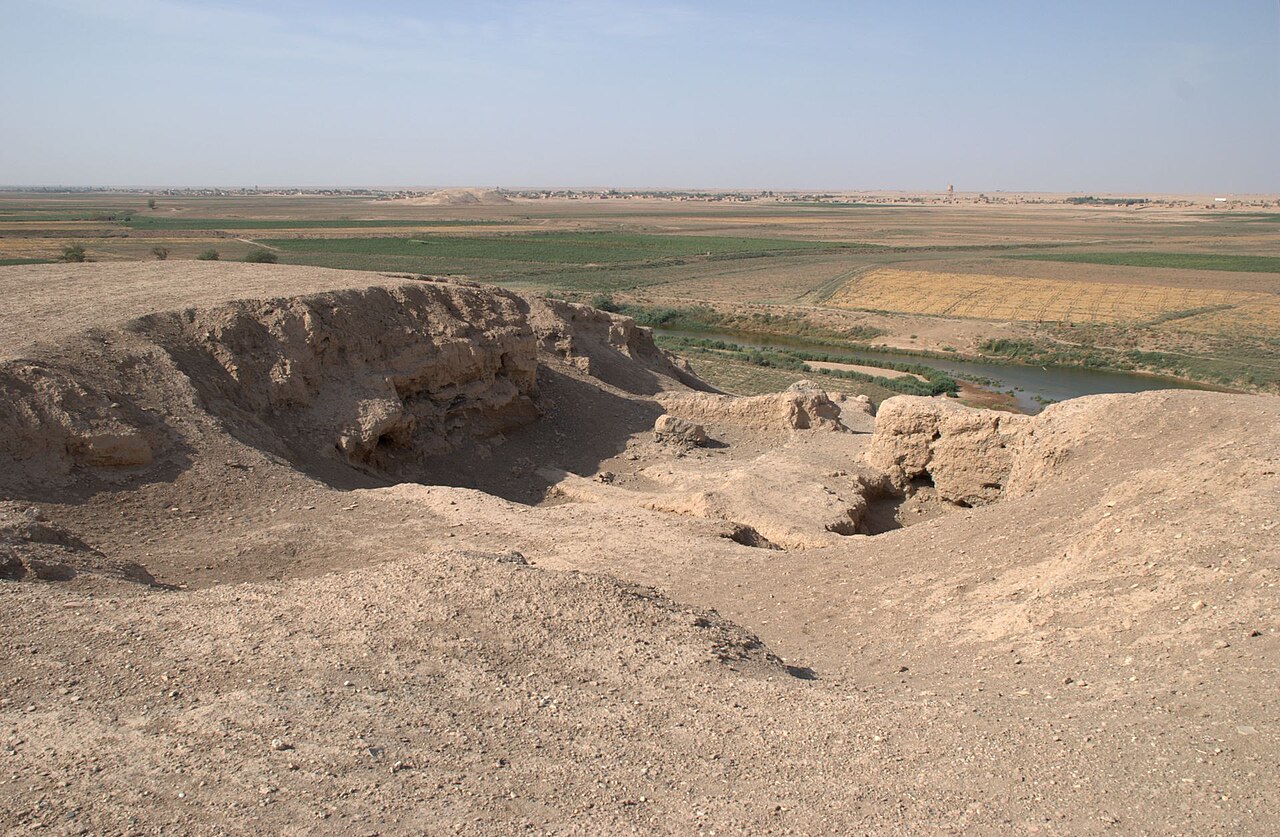
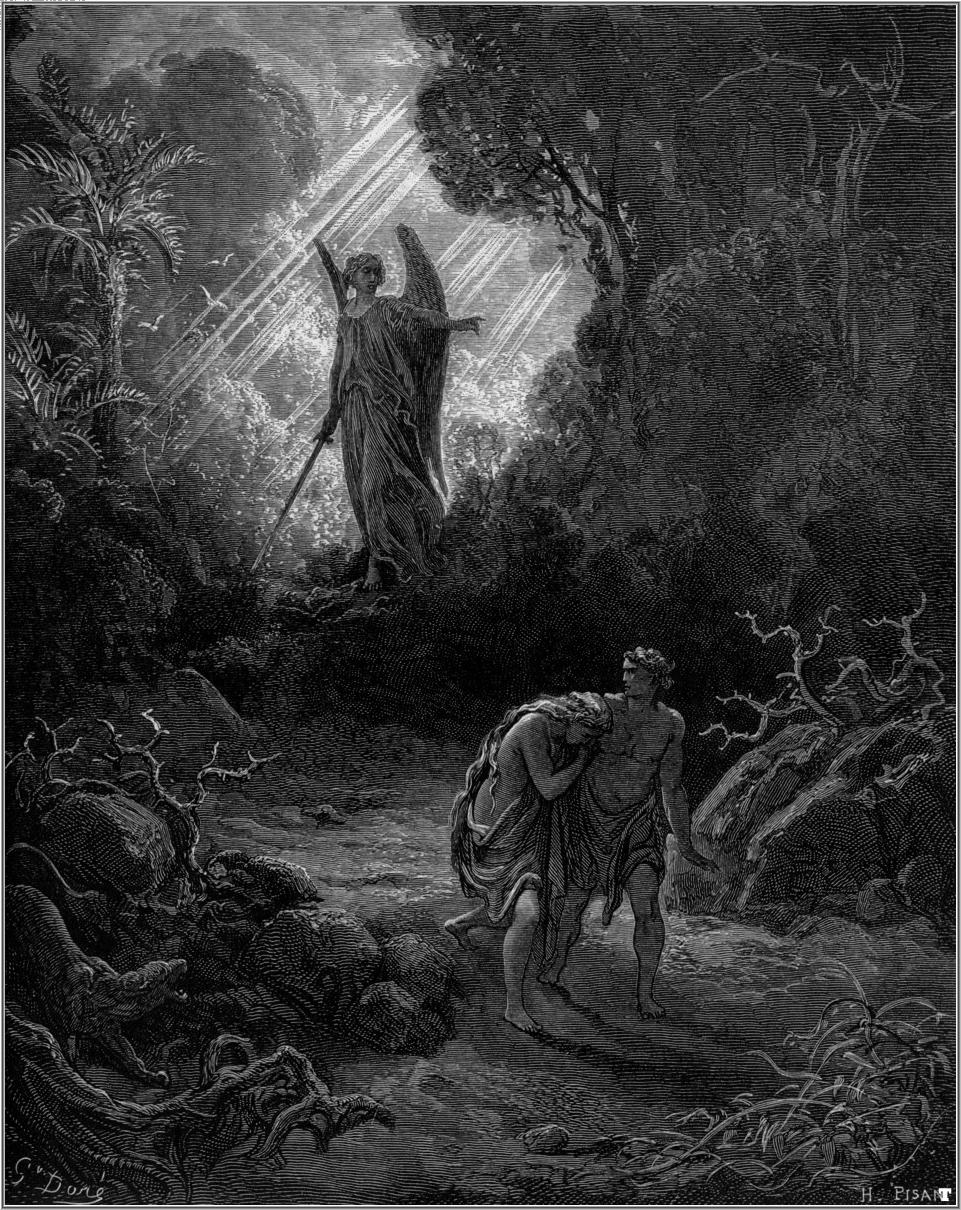
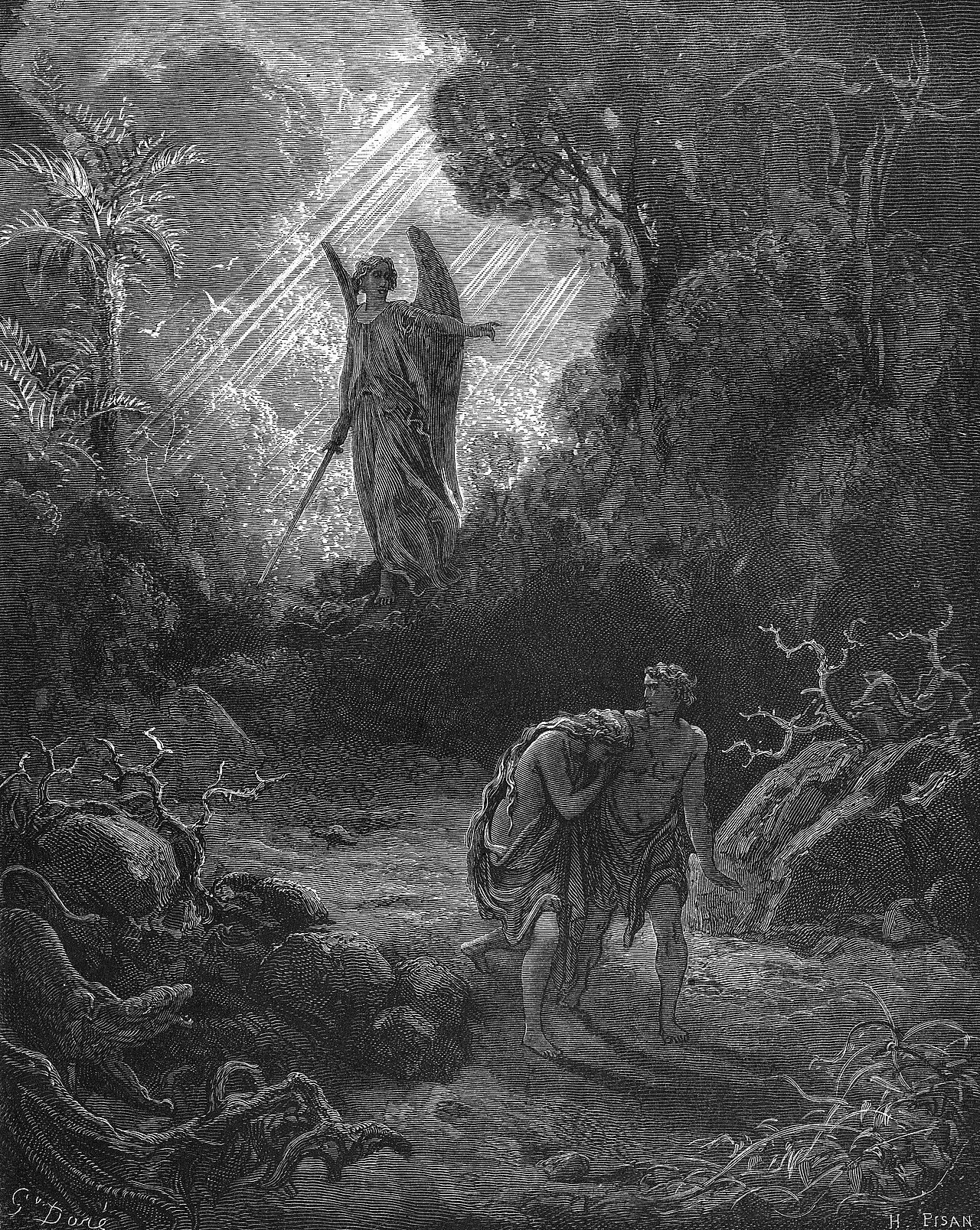
Eden, a city or region mentioned in the Old Testament, possibly located in Mesopotamia or Syria (2Ki.19.12; Isaiah 37:12; Ezk.27.23).
Eden, also spelled as Edem in the Septuagint (LXX), was a city or region mentioned in the Old Testament. It is referred to as a place conquered by the Assyrians (2Ki.19.12; Isaiah 37:12) and as a trading partner of Tyre (Ezk.27.23). The exact location of Eden is uncertain, but it was likely situated in Mesopotamia or Syria, given its association with the Assyrians and its trade relations with Tyre. It should not be confused with the Garden of Eden, as they are separate places. The biblical references to Eden provide little information about its history or significance, but its mention in the context of Assyrian conquests and Tyrian trade suggests that it was a place of some importance in the ancient Near East.
The garden in which our first parents dewlt (Gen. 2:8-17). No geographical question has been so much discussed as that bearing on its site. It has been placed in Armenia, in the region west of the Caspian Sea, in Media, near Damascus, in Palestine, in Southern Arabia, and in Babylonia. The site must undoubtedly be sought for somewhere along the course of the great streams the Tigris and the Euphrates of Western Asia, in “the land of Shinar” or Babylonia. The region from about lat. 33 degrees 30’ to lat. 31 degrees, which is a very rich and fertile tract, has been by the most competent authorities agreed on as the probable site of Eden. “It is a region where streams abound, where they divide and re-unite, where alone in the Mesopotamian tract can be found the phenomenon of a single river parting into four arms, each of which is or has been a river of consequence.”
Among almost all nations there are traditions of the primitive innocence of our race in the garden of Eden. This was the “golden age” to which the Greeks looked back. Men then lived a “life free from care, and without labour and sorrow. Old age was unknown; the body never lost its vigour; existence was a perpetual feast without a taint of evil. The earth brought forth spontaneously all things that were good in profuse abundance.”
Sources: OpenBible.info Bible Geocoding Data (CC BY 4.0, a7409b9) · STEPBible TIPNR (CC BY 4.0, Eden@2Ki.19.12-Ezk) · Theographic Bible Metadata (CC BY-SA 4.0, eden_354)