Abraham
Abraham, originally named Abram, is the patriarch whose family and journeys link Ur of the Chaldees, Haran and Canaan in Genesis. He is a son of Terah, brother of Nahor and Haran, and uncle of Lot. The family notice also names Haran’s daughters Milcah and Iscah, with Milcah married to Nahor. Abram’s wife Sarai, later Sarah, is initially childless. These named relationships supply the genealogical setting of the covenant narratives. Gen 11:27-32 Gen 17:15-27 (Abraham and all his household circumcised)
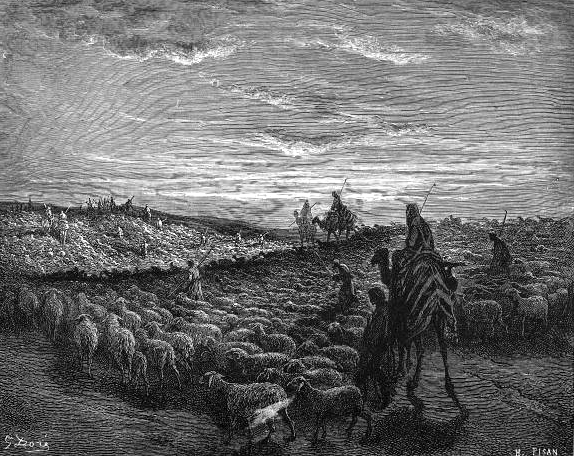
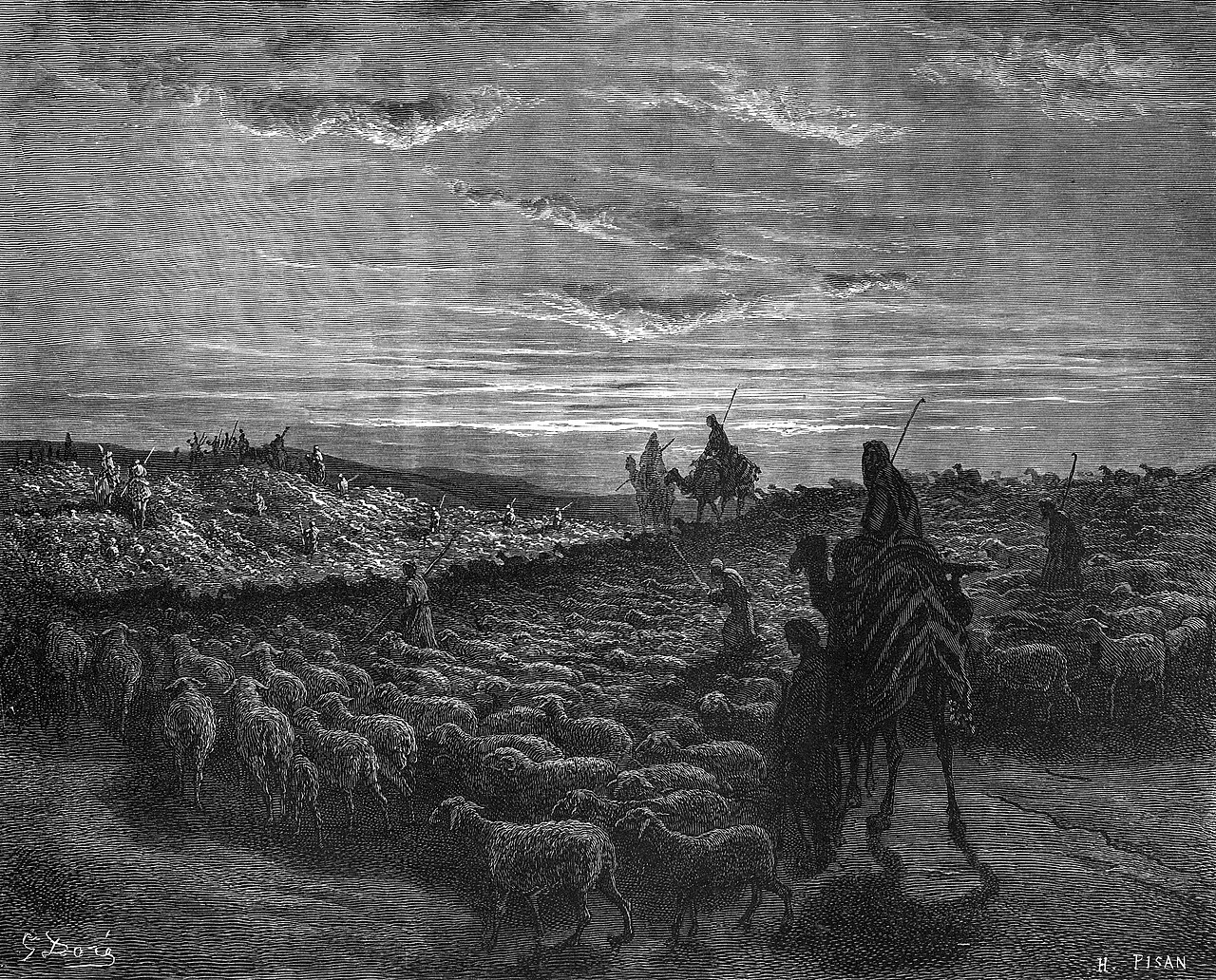
The biblical call combines migration with the prospect of a nation and a blessing extending beyond the migrating household. It therefore places the family’s movement within a wider purpose, rather than treating the promised land as a private economic undertaking alone. Gen 12:1-9 (Abram departed Haran) (Abraham enters Canaan) (“Abram’s Departure”)
The departure from Haran occurs at seventy-five, with Sarai, Lot, property and household members. In Canaan, the records connect residence with altars and invocation of the Lord. A famine migration to Egypt exposes his concealment of his marriage and Pharaoh’s taking of Sarai. Later, conflict over resources separates his herdsmen from those of Lot, who settles toward Sodom, while Abram’s residence is associated with Hebron. These episodes document a mobile household with substantial livestock and dependants. Gen 12:1-20 Gen 13:1-18 (Abraham goes to Egypt) (Abraham and Lot Separate)
The regional war names the coalition of Amraphel, Arioch, Chedorlaomer and Tidal, opposed by Bera, Birsha, Shinab, Shemeber and the unnamed king of Bela, identified as Zoar. The capture of Lot gives Abram a direct role in the conflict. His allies Mamre, Eshcol and Aner are explicitly named, and his household supplies 318 trained men. Following the recovery of the captives and goods, Melchizedek, king of Salem and priest of God Most High, blesses him and receives a tithe. Abram refuses the offered property of the king of Sodom, while reserving his allies’ shares. Gen 14:1-24 (Abram Met Melchizedek)
The question of inheritance is central to the household’s development. Abram names Eliezer of Damascus as the prospective heir in his childlessness, but the divine promise specifies a descendant of his own. His belief is counted as righteousness. The subsequent arrangement with Hagar, Sarai’s Egyptian servant, leads to conflict and her flight while pregnant. She later bears Ishmael when Abram is eighty-six. The account includes divine attention to Hagar’s affliction; it does not conceal the suffering within the household. Gen 15:1-6 Gen 16:1-16 (Birth of Ishmael) (Abram married Hagar)
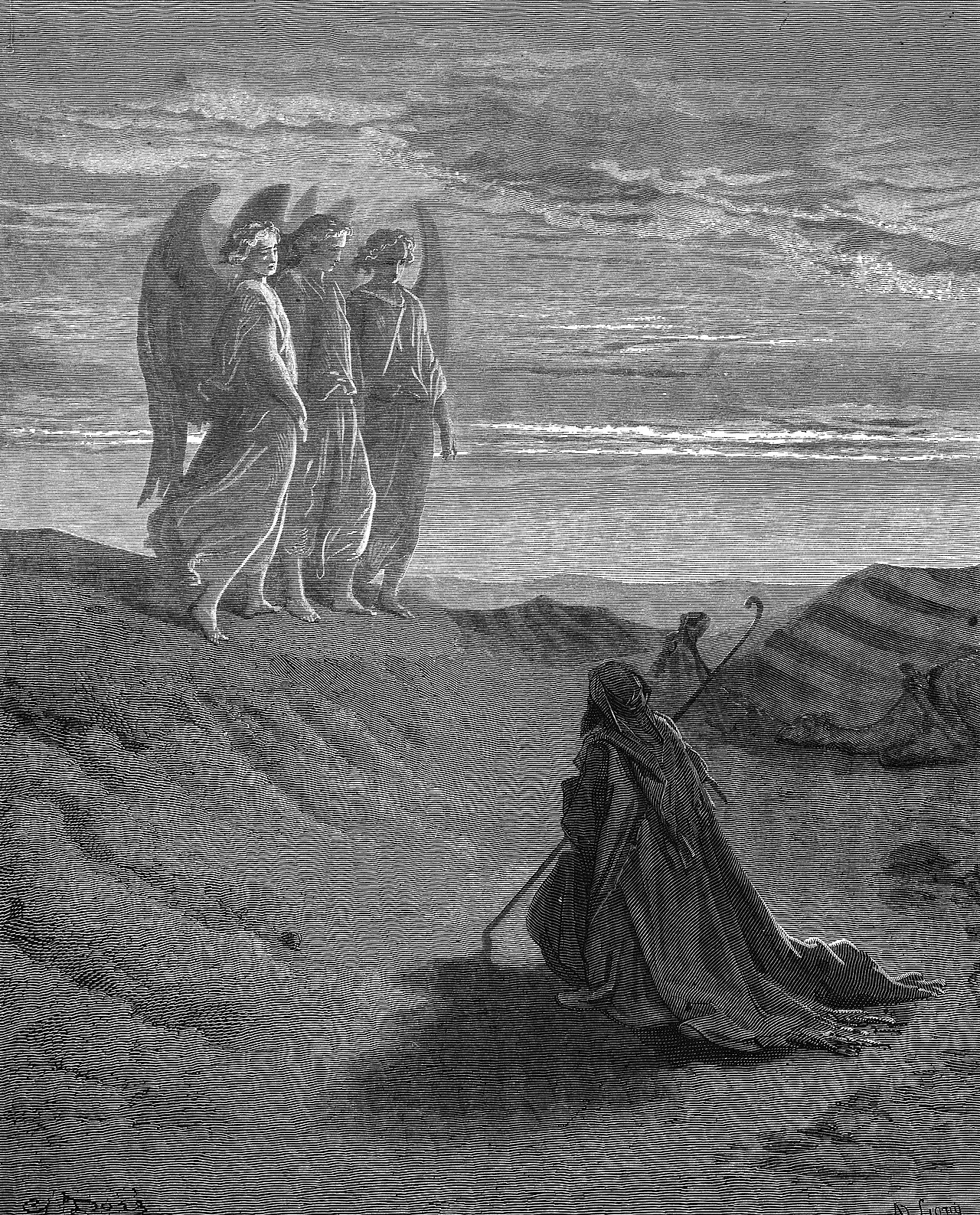
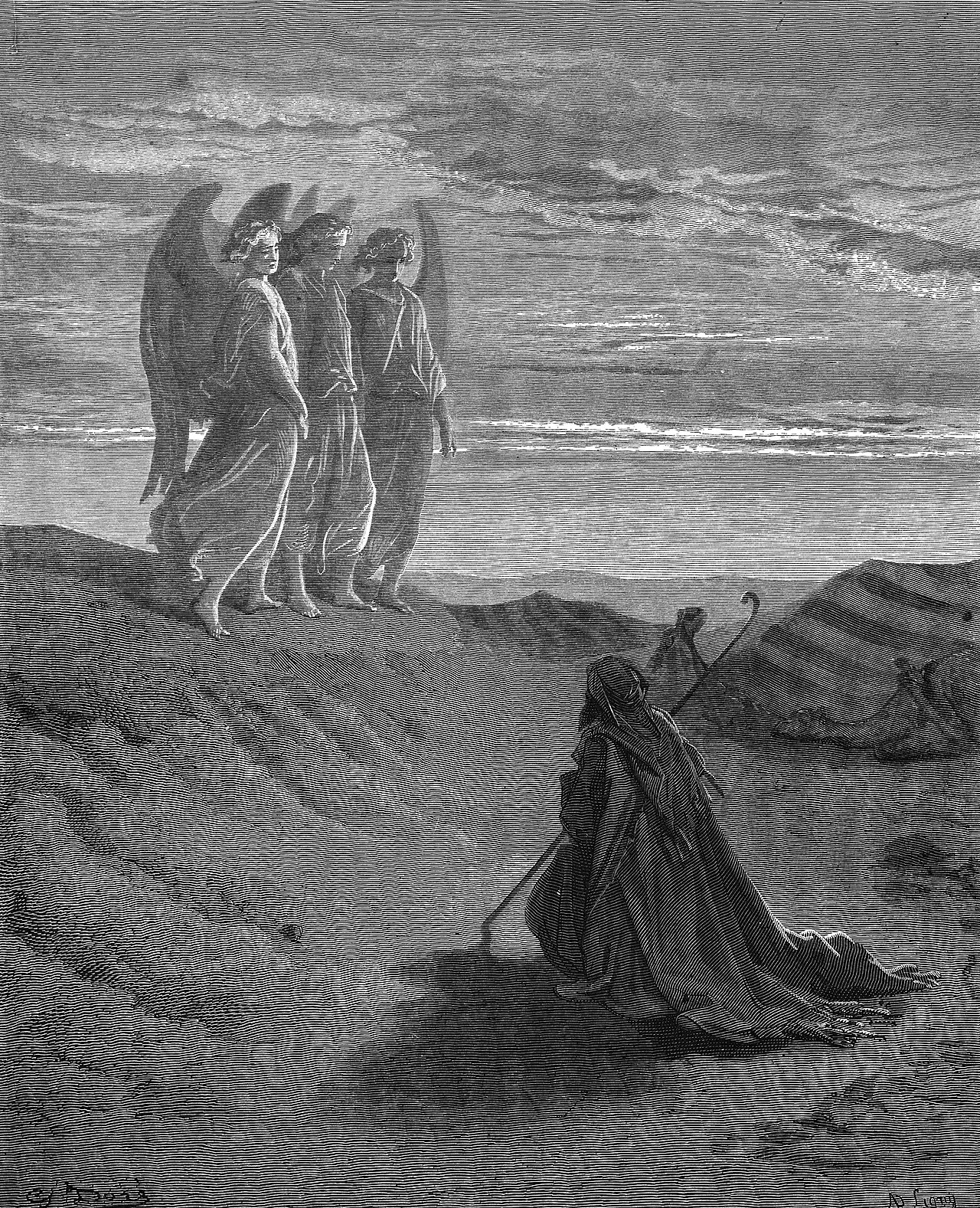
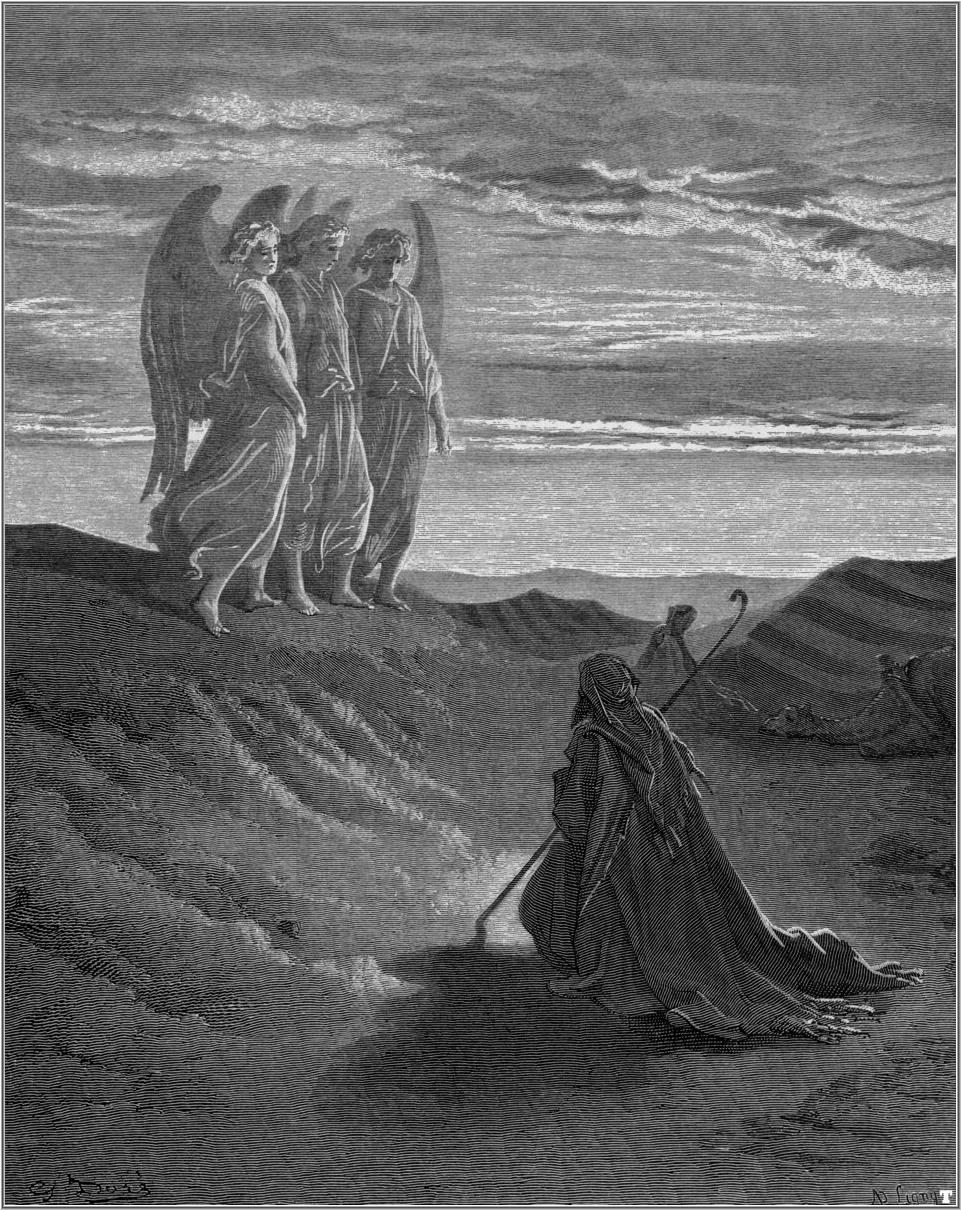
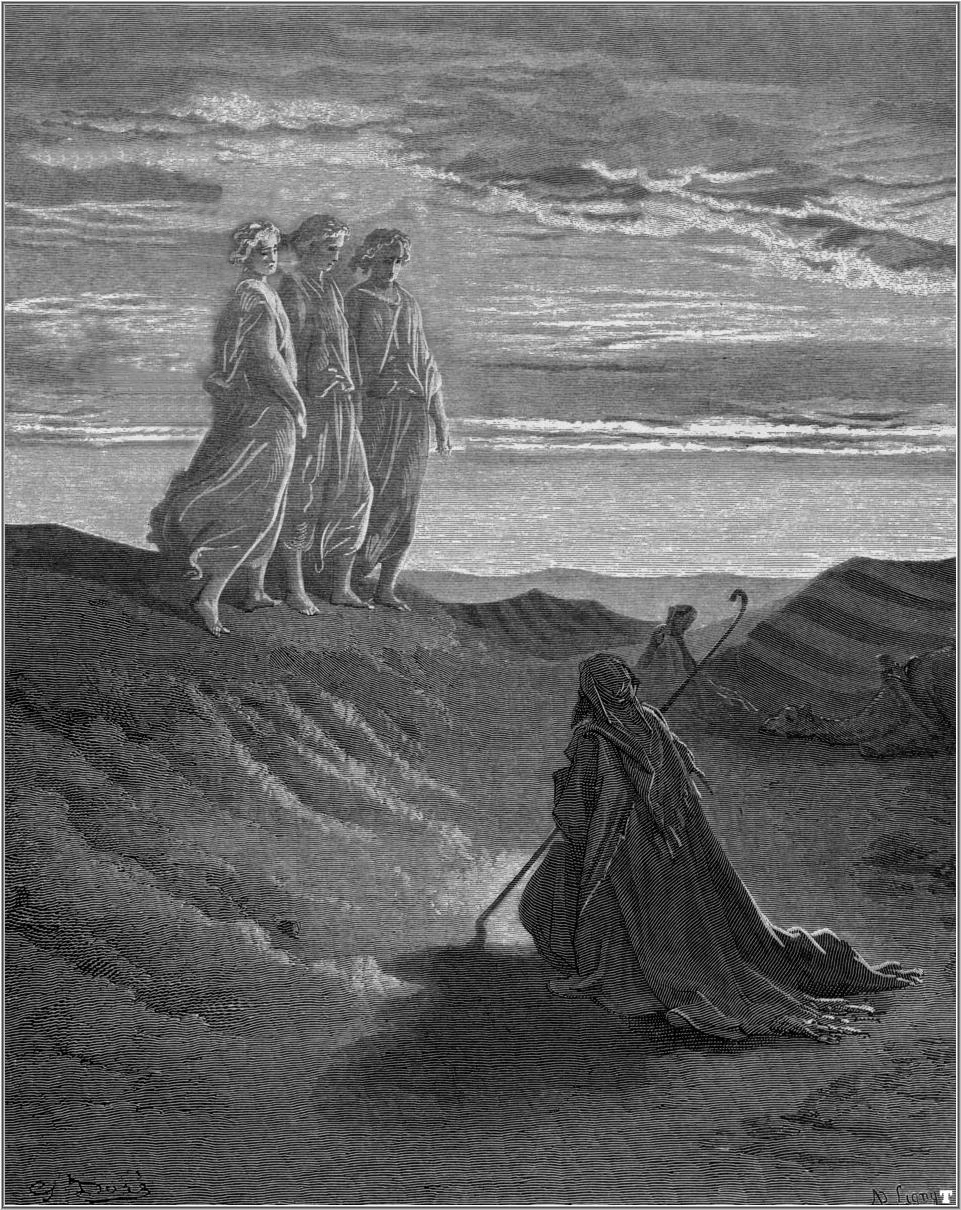
At ninety-nine, the covenant record changes Abram’s name to Abraham and prescribes circumcision. Sarai is renamed Sarah, and Isaac is identified as her promised son and the covenant heir. The promise is repeated during the visit of the three men, and Isaac’s birth is recorded when Abraham is one hundred. The later separation of Hagar and Ishmael concerns inheritance, but the account also preserves a promise for Ishmael’s future. The covenant line and the care for the other son are distinguished in the source. Gen 17:1-27 Gen 18:1-15 Gen 21:1-21 (G-d makes a covenant with Abram and changes his name to Abraham) (Birth of Isaac) (The three visitors and the promise of Isaac)
Abraham is also represented as an intercessor and treaty partner. His plea concerning Sodom asks that the righteous not perish with the wicked; the later account connects Lot’s preservation with God’s remembrance of Abraham. At Gerar, renewed concealment of the marriage brings Sarah into Abimelech’s household. The ensuing restoration includes Abraham’s prayer for that household. A subsequent agreement with Abimelech and the commander Phichol concerns loyalty and a disputed well at Beersheba. These notices supply evidence of relations with neighboring rulers as well as religious responsibility. Gen 18:16-33 Gen 19:29 Gen 20:1-18 Gen 21:22-34 (Sodom Destroyed)
The testing involving Isaac is located in the land of Moriah. The narrative records preparation for an offering, the angel’s prohibition against harming the son, and a ram offered in his place. The renewed promise again includes blessing for the nations. The source establishes a test and a provided substitute; it does not identify the boy’s age or turn the account into an authorization for human sacrifice. Gen 22:1-18 (Sacrifice of Isaac*)
After Sarah’s death at 127, Abraham acquires the field and cave of Machpelah near Hebron from Ephron, son of Zohar. The public transaction records four hundred shekels and confirmation of burial ownership. A later marriage commission sends an unnamed senior servant to seek a wife for Isaac among the family’s kin. The resulting bride is Rebekah, daughter of Bethuel; Laban, her brother, participates in the arrangements, and her own agreement to depart is recorded. Gen 23:1-20 Gen 24:1-9 Gen 24:15 Gen 24:29-34 Gen 24:50-67 (Isaac Marries Rebekah)
Another family notice names Keturah and her sons Zimran, Jokshan, Medan, Midian, Ishbak and Shuah, while distinguishing gifts to other sons from the inheritance assigned to Isaac. Abraham dies at 175 and is buried at Machpelah by Isaac and Ishmael. The genealogical record preserves more descendants than the single line through which the covenant story continues. Gen 25:1-11 (Death of Abraham) (Abraham’s family with Keturah and the gifts to his sons)
The New Testament interprets Abraham’s faith and promise in relation to salvation. Paul uses his acceptance by faith to distinguish grace from wages earned by works, and identifies those who belong to Christ as heirs of the promise. Hebrews places Abraham, Isaac and Jacob together as heirs who lived as strangers while awaiting the city built by God. These passages give the earlier family history a theological significance extending beyond biological descent. Rom 4:1-5 Gal 3:6-9 Gal 3:16-29 Heb 11:8-12