Hebron, also known as Kiriath-arba, was a significant city in Judah, associated with the patriarchs Abraham, Isaac, and Jacob, and later became a Levitical city and a city of refuge.
Hebron
PlaceAn important city in Judah; burial place of patriarchs.
-
en
Hebron
society; friendship
- en Kiriath-arba · Also called
- en Kiriath Arba · Also called
- en Arba · Also called
- en Arbah · Also called
- en Kirjath Arba · Also called
- en Kirjath-arba · Also called
- he חֶבְרוֹן · H2275A
- he קִרְיַת אַרְבַּע · H7153
- bg Хеврон
SDA Books
Awaiting permission to publishLoading book references…
- Sarah · c. 1859 BC
Hebron, also known as Kiriath-arba, was an important city located in the hill country of Judah. It is first mentioned in Genesis 13:18, where Abraham pitched his tent and built an altar to the Lord. It was possibly renamed Hebron by Mareshah the "father [abi] of Hebron", which narmally refers to a founder, though he also had a son named Hebron (1Ch.2.42-43). The city was originally named Kiriath-arba, which means "the city of Arba," who was the greatest man among the Anakim (Joshua 14:15).
Hebron played a significant role in the lives of the patriarchs. Sarah, Abraham's wife, died in Kiriath-arba, and Abraham purchased the cave of Machpelah as a burial site for her (Genesis 23:2, 19). Later, Abraham, Isaac, and Israel (or 'Jacob') were also buried there (Genesis 35:27; 49:29-32).
During the conquest of Canaan, Hebron was taken by Joshua and the Israelites (Joshua 10:36-37). The city was given to Caleb as his inheritance (Joshua 14:13-14), and later became a city of the Levites and a city of refuge (Joshua 20:7; 21:11-13).
Hebron served as the capital of Judah during the reign of David. He was anointed king over the house of Judah in Hebron and reigned there for seven and a half years (2Sa.2.1-4, 11; 5:5). Several of David's sons were born in Hebron, including Amnon, Absalom, and Adonijah (2Sa.3.2-5).
The city remained significant throughout Israel's history. It was fortified by Rehoboam (2Ch.11.10) and was inhabited by Jews after the Babylonian exile (Nehemiah 11:25).
Hebron is also notable for its association with the Anakim, a group of giants who inhabited the area (Numbers 13:22, 33). Caleb drove out the three sons of Anak from Hebron: Sheshai, Ahiman, and Talmai (Joshua 15:13-14; Judges 1:10, 20).
Today, Hebron is still an important city, known for the Tomb of the Patriarchs, which is believed to be the burial site of Abraham, Isaac, and Jacob. The city has a rich history and holds great significance for Jews, Christians, and Muslims alike.
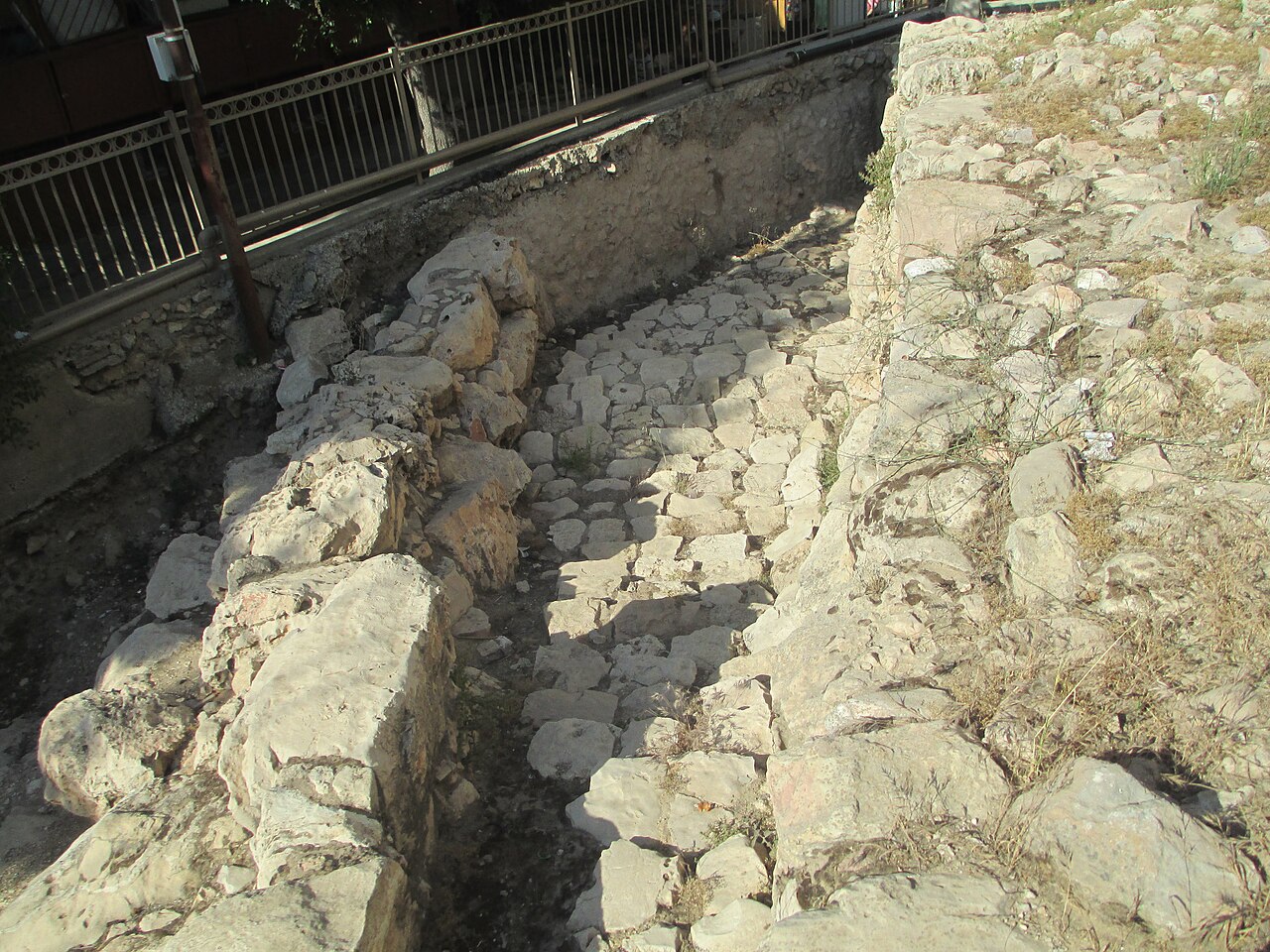
A city in the south end of the valley of Eshcol, about midway between Jerusalem and Beersheba, from which it is distant about 20 miles in a straight line. It was built “seven years before Zoan in Egypt” (Gen. 13:18; Num. 13:22). It still exists under the same name, and is one of the most ancient cities in the world. Its earlier name was Kirjath-arba (Gen. 23:2; Josh. 14:15; 15:3). But “Hebron would appear to have been the original name of the city, and it was not till after Abraham’s stay there that it received the name Kirjath-arba, who [i.e., Arba] was not the founder but the conqueror of the city, having led thither the tribe of the Anakim, to which he belonged. It retained this name till it came into the possession of Caleb, when the Israelites restored the original name Hebron” (Keil, Com.). The name of this city does not occur in any of the prophets or in the New Testament. It is found about forty times in the Old. It was the favorite home of Abraham. Here he pitched his tent under the oaks of Mamre, by which name it came afterwards to be known; and here Sarah died, and was buried in the cave of Machpelah (Gen. 23:17-20), which he bought from Ephron the Hittite. From this place the patriarch departed for Egypt by way of Beersheba (37:14; 46:1). It was taken by Joshua and given to Caleb (Josh. 10:36, 37; 12:10; 14:13). It became a Levitical city and a city of refuge (20:7; 21:11). When David became king of Judah this was his royal residence, and he resided here for seven and a half years (2 Sam. 5:5); and here he was anointed as king over all Israel (2 Sam. 2:1-4, 11; 1 Kings 2:11). It became the residence also of the rebellious Absalom (2 Sam. 15:10), who probably expected to find his chief support in the tribe of Judah, now called el-Khulil.
In one part of the modern city is a great mosque, which is built over the grave of Machpelah. The first European who was permitted to enter this mosque was the Prince of Wales in 1862. It was also visited by the Marquis of Bute in 1866, and by the late Emperor Frederick of Germany (then Crown-Prince of Prussia) in 1869.
One of the largest oaks in Palestine is found in the valley of Eshcol, about 3 miles north of the town. It is supposed by some to be the tree under which Abraham pitched his tent, and is called “Abraham’s oak.”
Sources: OpenBible.info Bible Geocoding Data (CC BY 4.0, a85151a) · STEPBible TIPNR (CC BY 4.0, Hebron@Gen.13.18-Neh) · Theographic Bible Metadata (CC BY-SA 4.0, hebron_551) · Wikidata (CC0 1.0, Q13577875)