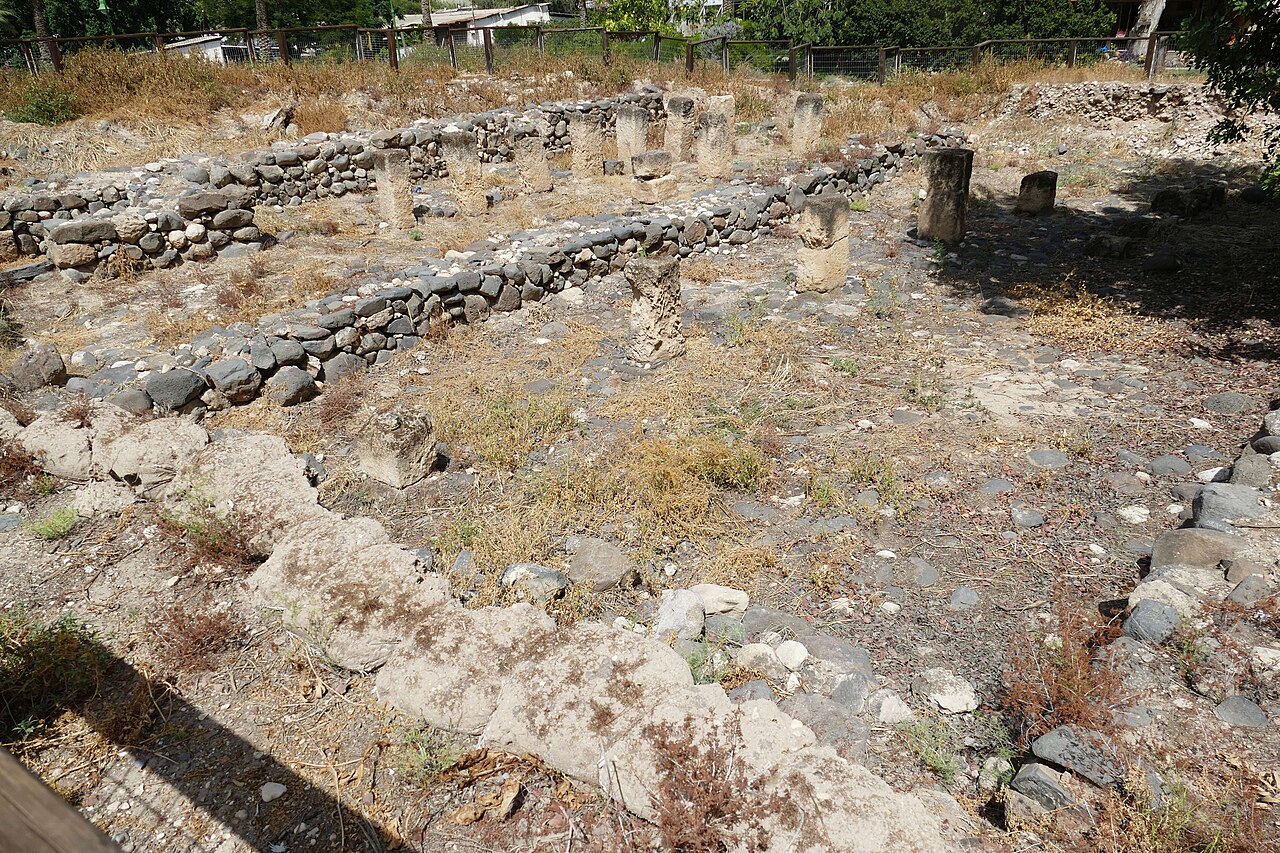
Aphek
Aphek is the city named in a campaign against Israel and in a later promise of victory given through Elisha. Its biblical significance rests on these accounts of conflict with Syria. 1 Kings 20:26–30; 2 Kings 13:17.
During Elisha's final illness, Joash, king of Israel, received the sign with the arrows. The prophet placed his hands on the king's hands and directed him to shoot through the eastward window, declaring the arrow a sign of the LORD's deliverance at Aphek. The king then struck the ground three times, and the prophet announced three victories. Ellen White connects the sign with the king's response to the promised help, while the Sabbath School study of 9 September 2002 places the visit in the setting of threatened national security and the prophet's enduring influence. Here Aphek is named as the place of the promised victory. 2 Kings 13:14–19; Prophets and Kings, “Elisha’s Closing Ministry”; Sabbath School, 9 September 2002.
The earlier campaign and treaty account concerns Ben-hadad, traditionally identified with the king named during Elisha's ministry, and Ahab. After his advisers recommended fighting on the plain, Ben-hadad assembled his forces and came to Aphek. The defeated survivors fled into the city, where a wall fell upon them, and the king withdrew into an inner chamber. His servants then obtained a hearing from Ahab, who received him and concluded a treaty. 1 Kings 20:23–34.
The modern location remains uncertain. The classical proposal Fik appears in Smith's account, while the Creighton University overview presents Tel En Gev as a proposed identification. OpenBible's geographic survey retains several alternatives and notes that some sources distinguish the sites intended in the two biblical episodes.