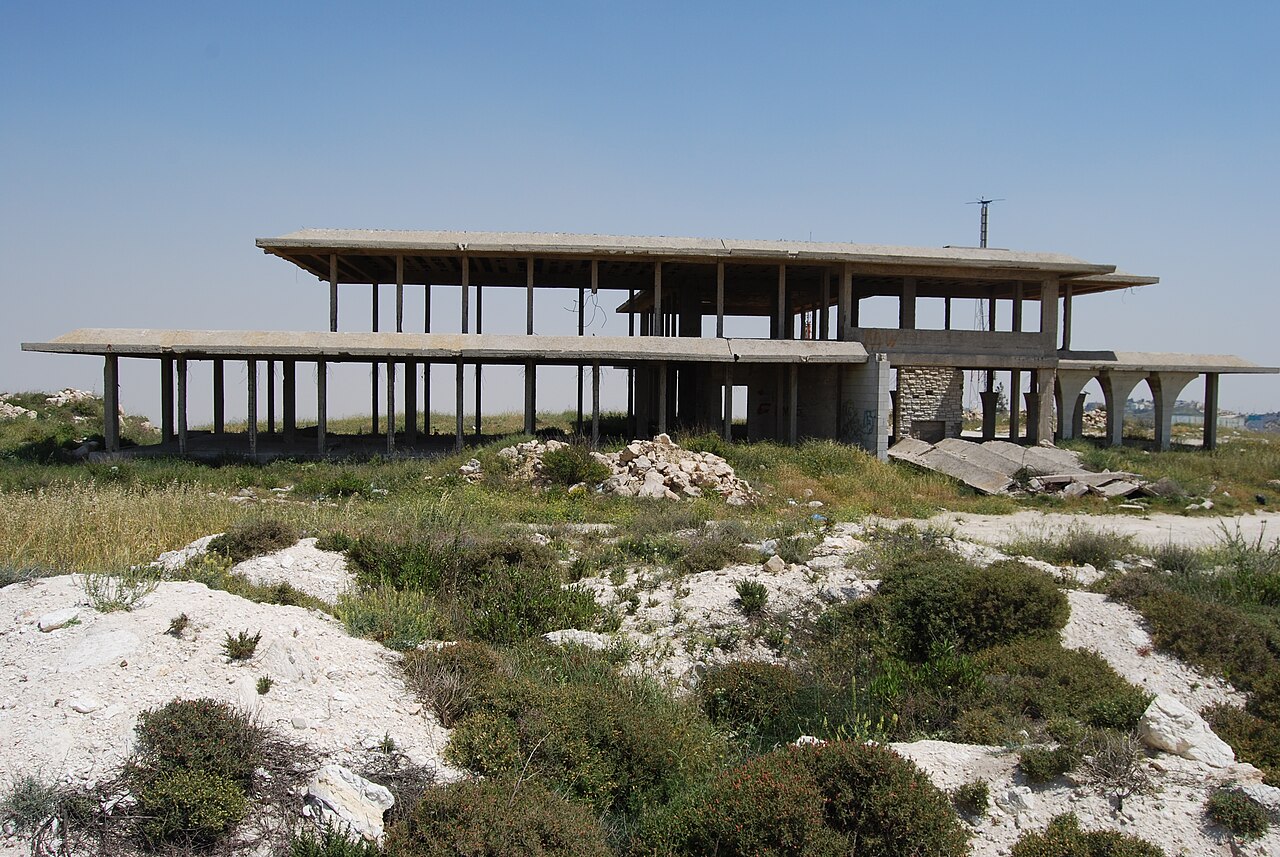
Hill of God
The hill of God is the place of the third sign announced to Saul once Samuel has anointed him: there is the garrison of the Philistines, and when Saul comes to the city he will meet a company of prophets coming down from the high place with psaltery, tabret, pipe and harp, prophesying. BG1940 reads „до Божия хълм“. The catalogue name Gibeath-elohim renders the Hebrew phrase that KJV and BG1940 both translate. It is the last of the signs announced at Saul's anointing by Samuel. 1 Sam 10:5.
The sign is fulfilled: when they come “thither to the hill”, a company of prophets meets Saul, the Spirit of God comes upon him and he prophesies among them, so that those who knew him ask whether Saul also is among the prophets. 1 Sam 10:10-11.
Which town the hill of God is remains open. Easton, under Gibeah, says that Saul's home was reckoned among the ancient sanctuaries and is therefore called “Gibeah of God” (1 Sam 10:5, R.V. margin), and under Saul he writes of Saul leaving his home at Gibeah, quoting “the hill of God” of the A.V.; Ellen G. White, Patriarchs and Prophets, chapter 59, places the band of prophets “at Gibeah, his own city”. Smith and Nave do not list the verse under Gibeah, and the text calls it only the hill of God and “the city”. Saul's own house is at Gibeah in the same chapter. 1 Sam 10:26.