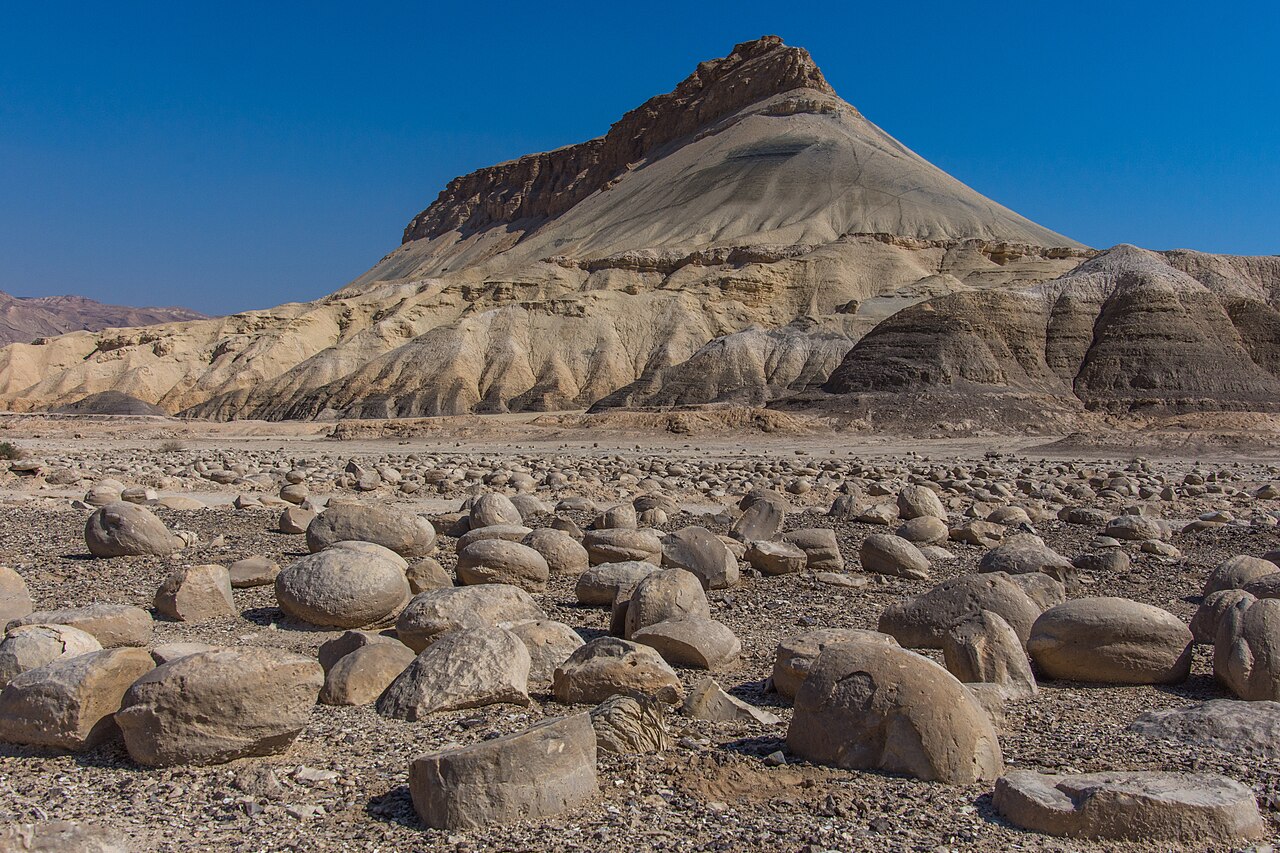
Moseroth
In the list in Numbers, Israel comes to Moseroth from Hashmonah and goes on from it to Bene-jaakan: the people “departed from Hashmonah, and encamped at Moseroth”, then “departed from Moseroth, and pitched in Bene-jaakan”. BG1940 spells it Масирот. Num 33:30-31.
The record also cites Deuteronomy, where the people journey “from Beeroth of the children of Jaakan to Mosera: there Aaron died, and there he was buried; and Eleazar his son ministered in the priest’s office in his stead” (BG1940: “от Вирот-Венеякан до Мосера”). Deuteronomy has the form Mosera, which Easton and Nave think probably the same place (Smith: Moseroth is its plural form). In that verse Mosera comes after Beeroth of the children of Jaakan, while in Numbers Moseroth comes before Bene-jaakan; and there Aaron dies at Mosera with Eleazar serving after him, whereas the list in Numbers places Aaron’s death at mount Hor, several stations later. Deut 10:6; Num 33:37-38.
Easton renders Moseroth “bonds” and takes it to be probably the same as Mosera; Nave lists it as an encampment of the Israelites and, under Mosera, calls the two probably identical. Smith has no entry under Moseroth; his entry on Moserah, rendered “bonds”, calls it apparently the same as Moseroth, “its plural form”, a place near Mount Hor. Hitchcock, under Moserah, gives “Moseroth, erudition; discipline”. Smith’s “bonds” is given for Moserah, which he calls only apparently the same place, so Easton’s rendering stands alone and no meaning is set here. Num 33:30-31; Deut 10:6.