Paddan Summary
STEPBible TIPNR
Paddan, also known as Paddan-aram or Aram, was the homeland of the patriarchs Abraham, Isaac, and Jacob, located in Mesopotamia.
The homeland of the patriarchs in Mesopotamia
Loading book references…
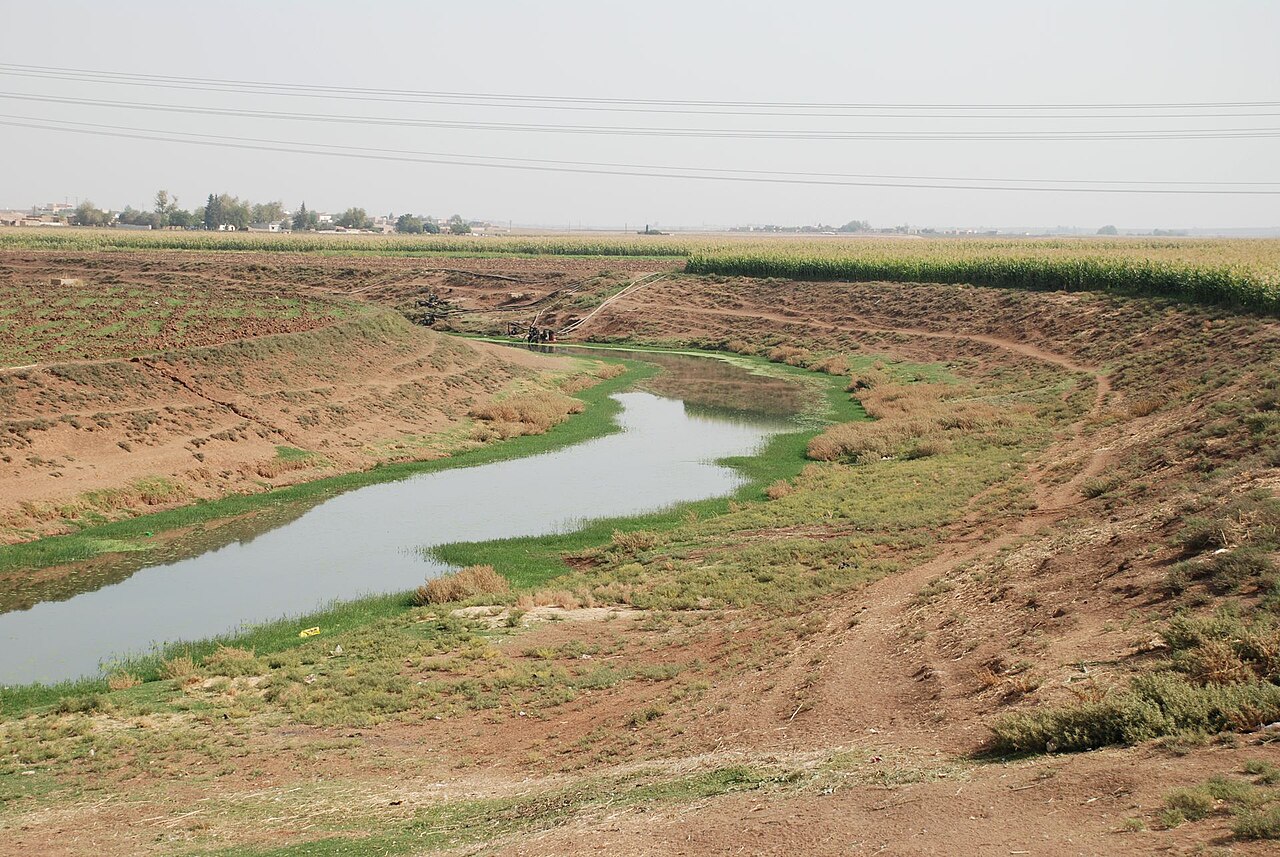
Paddan, also known as Paddan-aram or Aram, was the homeland of the patriarchs Abraham, Isaac, and Jacob, located in Mesopotamia.
Paddan, also referred to as Paddan-aram or Aram, was a region in Mesopotamia that played a significant role in the lives of the biblical patriarchs. It was the homeland of Abraham's family, and the place where Isaac and Israel (or 'Jacob') found their wives (Gen. 25:20; 28:2, 5-7). The name "Paddan-aram" means "the plain of Aram" or "the field of Aram," referring to the area's geographical characteristics and its association with the Arameans.
Rebekah, Isaac's wife, was from Paddan-aram (Gen. 25:20). Later, Jacob fled to Paddan-aram to escape his brother Esau's anger and to find a wife from among his relatives (Gen. 28:2, 5-7). During his time there, Jacob married Leah and Rachel and fathered eleven of his twelve sons (Gen. 35:23-26). Jacob eventually left Paddan-aram to return to Canaan with his family and possessions (Gen. 31:18; 33:18).
The Arameans, who inhabited Paddan-aram, are mentioned as the ancestors of the Israelites in the context of God's deliverance and blessing (Deut. 26:5). The prophet Hosea also refers to Jacob's flight to Paddan-aram and his service for a wife (Hos. 12:12).
The plain of Aram, or the plain of the highlands, (Gen. 25:20; 28:2, 5-7; 31:18, etc.), commonly regarded as the district of Mesopotamia (q.v.) lying around Haran.
Sources: OpenBible.info Bible Geocoding Data (CC BY 4.0, a8ec7ba) · STEPBible TIPNR (CC BY 4.0, Paddan@Gen.25.20-Hos) · Theographic Bible Metadata (CC BY-SA 4.0, paddan-aram_916)