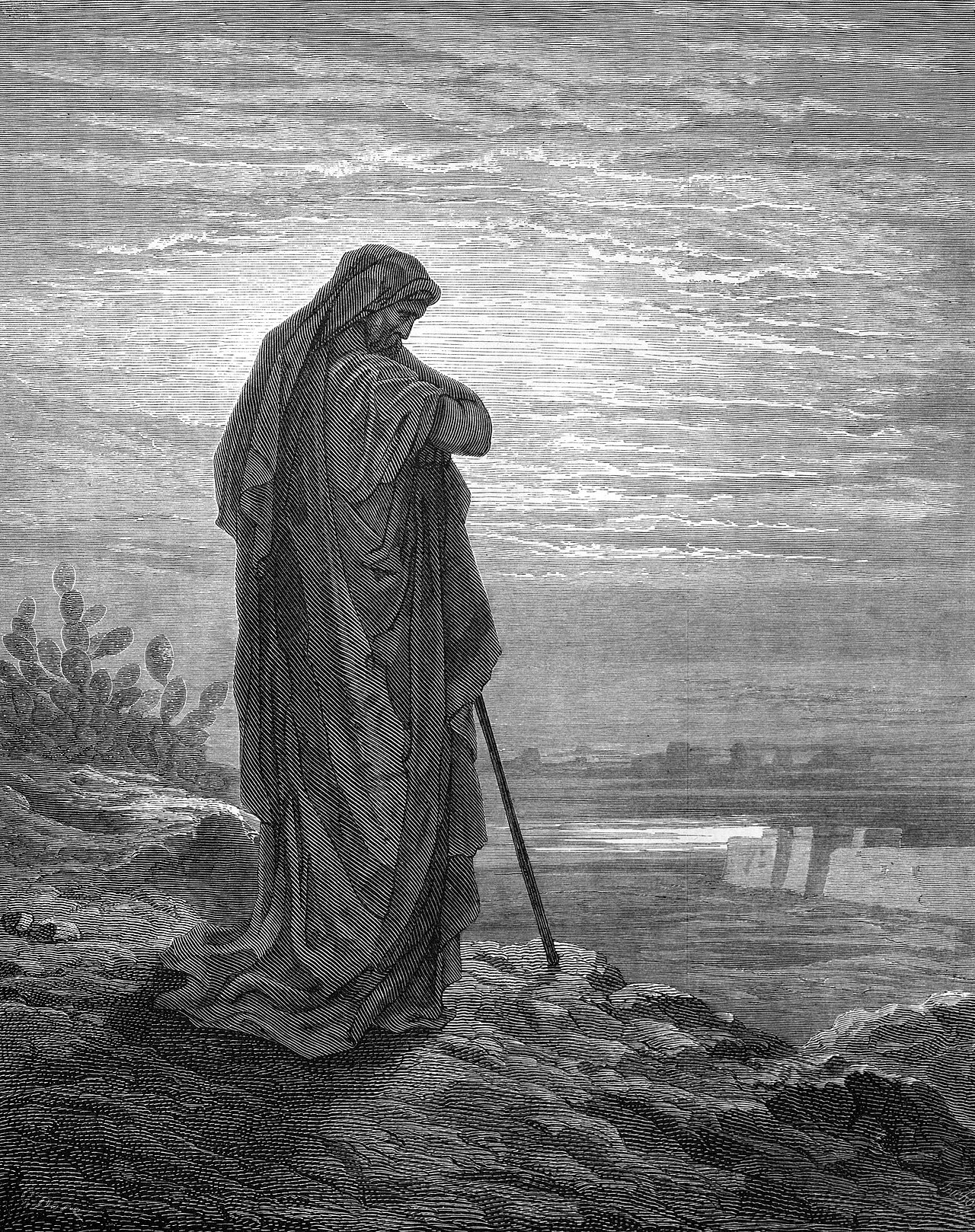
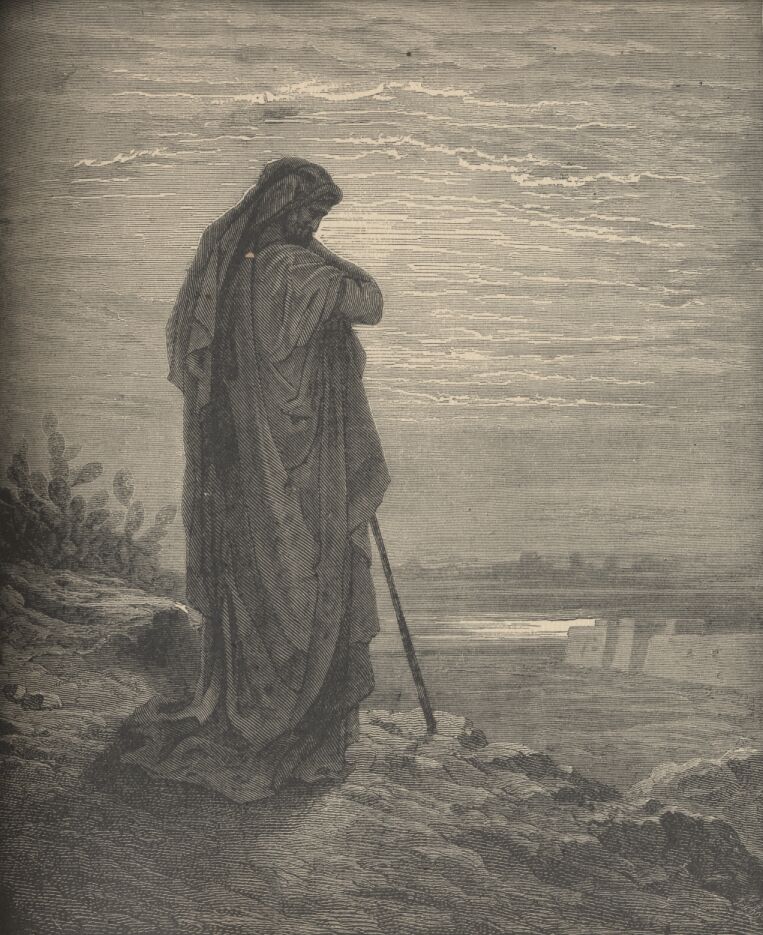
Amos
Amos was a prophet from Tekoa whose message concerned Israel. The book’s heading places his words in the reigns of Uzziah, king of Judah, and Jeroboam, son of Joash, king of Israel. It dates them two years before an earthquake, without assigning an absolute year. Amos 1:1
In describing his calling, Amos said that he had been neither a prophet nor a prophet’s son, but a herdsman who gathered fruit. KJV describes him as a gatherer of sycomore fruit, whereas BG1940 speaks of gathering mulberries. He attributed his commission to the LORD, who took him from following the flock and sent him to prophesy to Israel. Amos 7:14–15; “Amos,” Sabbath School study
The visions of the plumbline and the basket of ripe fruit announce judgment upon Israel. In each, the LORD declares that He will no longer pass over the people’s wrongdoing. The vision of the fruit is followed by an accusation against those who exploit the poor, falsify measures and balances, and treat needy people as merchandise. The prophetic message thus addresses concrete economic injustice alongside the warning of coming judgment. Amos 7:7–8; Amos 8:1–6
Amos’s confrontation with Amaziah, the priest of Beth-el, brought his message into conflict with the royal sanctuary. Amaziah sent a report to Jeroboam, accusing Amos of conspiracy and saying that the land could not endure his words. The statement that Jeroboam would die by the sword and Israel would go into captivity is presented here as part of the priest’s report; the passage does not narrate the king’s death. Amos 7:10–11
Amaziah then told Amos to flee to the land of Judah, earn his bread there, and prophesy there instead. He forbade further prophecy at Beth-el, calling it the king’s sanctuary and royal court. Amos answered by setting out the commission he had received from the LORD. Amos 7:12–15
In his concluding reply, Amos announced judgment upon Amaziah: the priest’s wife would be a prostitute in the city, his children would die by the sword, his land would be divided, and he himself would die in an unclean land. The prophecy also repeated the warning that Israel would be taken captive. These statements are prophecies within the exchange, not a subsequent account of what happened to the priest or his unnamed family. Amos 7:16–17