Pamphylia
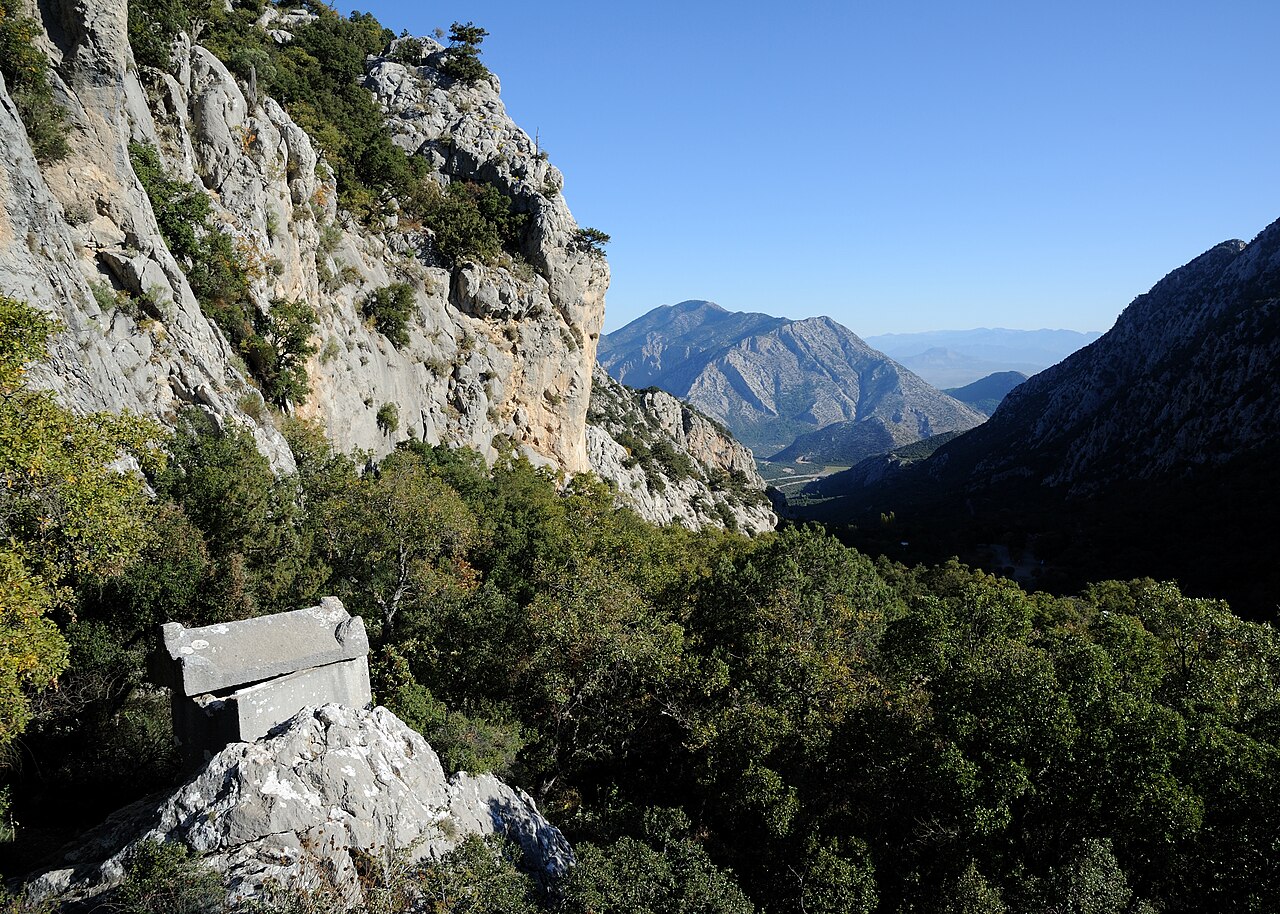
Pamphylia was an ancient coastal region between Lycia and Cilicia. It appears in the New Testament both as the homeland of people at Pentecost and as part of the route of Paul’s travels. (Acts 2:10; Acts 13:13; Acts 27:5; Smith’s Bible Dictionary, “Pamphylia”)
People from Pamphylia were among those in Jerusalem who heard the disciples speak in their own languages at the outpouring at Pentecost. The disciples spoke as the Holy Ghost enabled them, telling the works of God. The lesson “The Gift of Tongues” relates this language diversity to the mission entrusted to the church. (Acts 2:4–11; Sabbath School, 9 July 2018)
The mission journey brought Paul, Barnabas and John from Paphos to Perga in Pamphylia. There John left them and returned to Jerusalem. The Sabbath School lesson distinguishes the brief biblical notice from Ellen G. White’s account of his discouragement under the hardships of the mission. (Acts 13:13–14; Sabbath School, 13 August 2018)
On their return journey, Paul and Barnabas passed through Pisidia into Pamphylia. They preached at Perga, went down to Attalia and sailed to Antioch in Syria. Acts of the Apostles places these visits at the close of their first missionary journey. (Acts 14:21–26; Acts of the Apostles, chapter 18)
Pamphylia is mentioned again in the disagreement over plans for another journey. Barnabas wanted to take John, whose surname was Mark, but Paul objected because he had withdrawn from them in Pamphylia and had not continued in the work. The region is the location of the earlier withdrawal recalled in their dispute. (Acts 15:36–39)
Later, during the opening part of the voyage, the ship carrying Paul sailed across the sea off Cilicia and Pamphylia and reached Myra in Lycia. Paul was in the custody of the centurion Julius, and Aristarchus accompanied the party. Ellen G. White also identifies Luke as his companion on this voyage. Pamphylia here marks the coast passed at sea. (Acts 27:1–6; Acts of the Apostles, chapter 42)