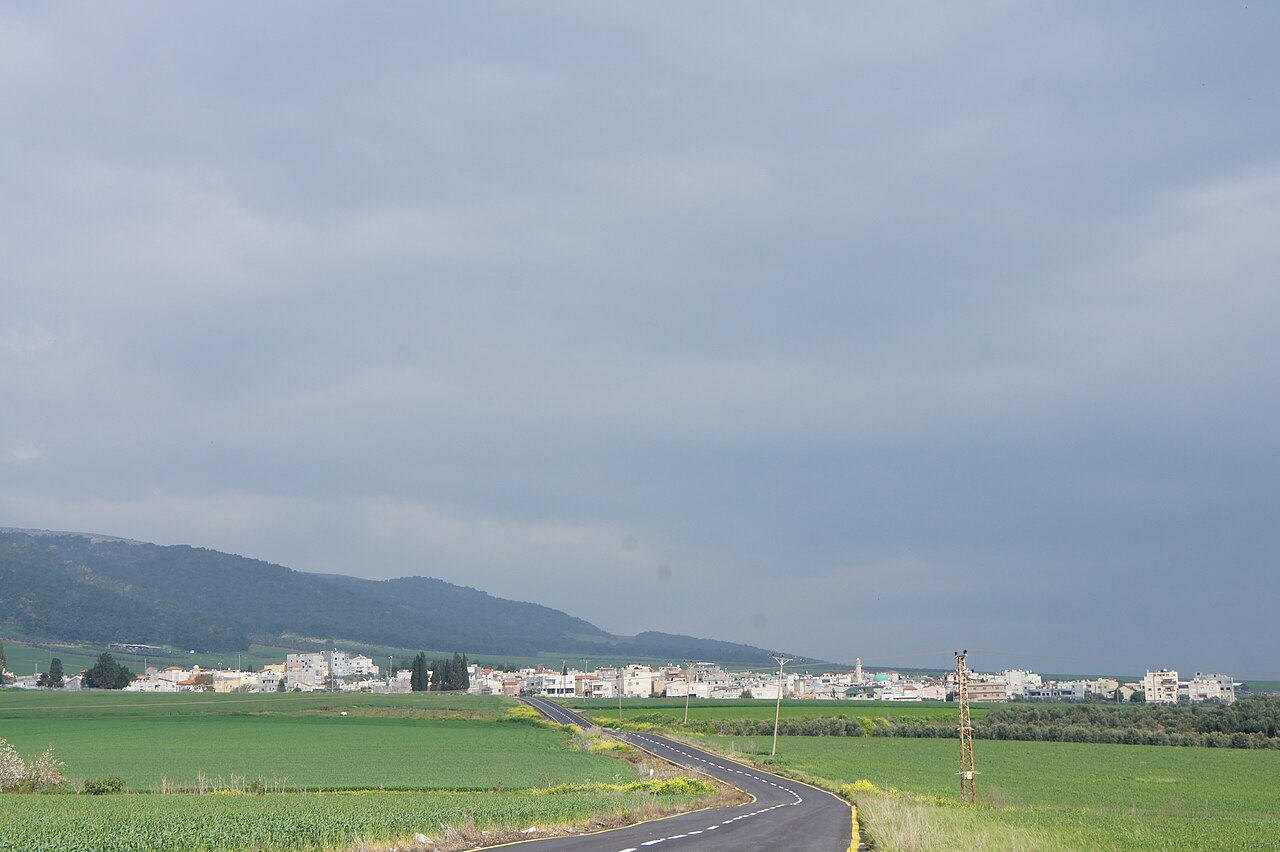
Shunem
Shunem is a town in the list of cities allotted to the tribe of Issachar. Its name occurs within the description of that tribe’s inheritance and its towns and villages. Joshua 19:17–23.
In Prophets and Kings, chapter 19, Ellen G. White presents the hospitality shown to Elisha by a family at Shunem as an expression of kindness. The Sabbath School study “Two Old Testament Cases” considers the woman’s faith in connection with the restoration of her son to life. The biblical account identifies Gehazi as the servant who calls her and reports that she has no child. The woman and her husband remain unnamed. 2 Kings 4:8–37.
The woman whose son Elisha had restored to life appears again in an account of the recovery of her property. Having followed his warning about a seven-year famine, she returns from the land of the Philistines and appeals to the king for her house and land. Gehazi identifies her and her son while recounting the prophet’s deeds, and the king orders the restoration of her property and its produce. 2 Kings 8:1–6.
In the royal narratives, Abishag is called a Shunammite when she is brought to care for the aged David. The same designation appears in the request that Adonijah asks Bath-sheba to present to Solomon, seeking Abishag as his wife. These notices preserve her association with Shunem in the court accounts. 1 Kings 1:1–4; 1 Kings 2:13–25.
Shunem is also named as the encampment of the Philistines 1 Samuel 28:4 in the narrative concerning Saul. Their gathering provides the setting for the king’s distress and subsequent consultation at Endor. The encampment at Shunem and the consultation at Endor are separate locations within that account. 1 Samuel 28:4–8.