Abel Summary
STEPBible TIPNR
Abel, the second son of Adam and Eve, was a shepherd who was killed by his brother Cain.
son of Adam(GEN 4:2), first person murdered (GEN 4:8)
Loading book references…
Absolute years are conditional chronological estimates. A biblical passage may state an age or event, but does not by itself establish a BCE year. Different calendar systems are preserved separately.
-3938 · Calendar interpretation is unverified; the raw value is shown.
abel_13 · birthYeartheographic/People.csv · record 1340a8c397a3044262bb581e36b2bec4f6d15cd814b85f85d1d0c84a8cc2b29734-3880 · Calendar interpretation is unverified; the raw value is shown.
abel_13 · deathYeartheographic/People.csv · record 1340a8c397a3044262bb581e36b2bec4f6d15cd814b85f85d1d0c84a8cc2b29734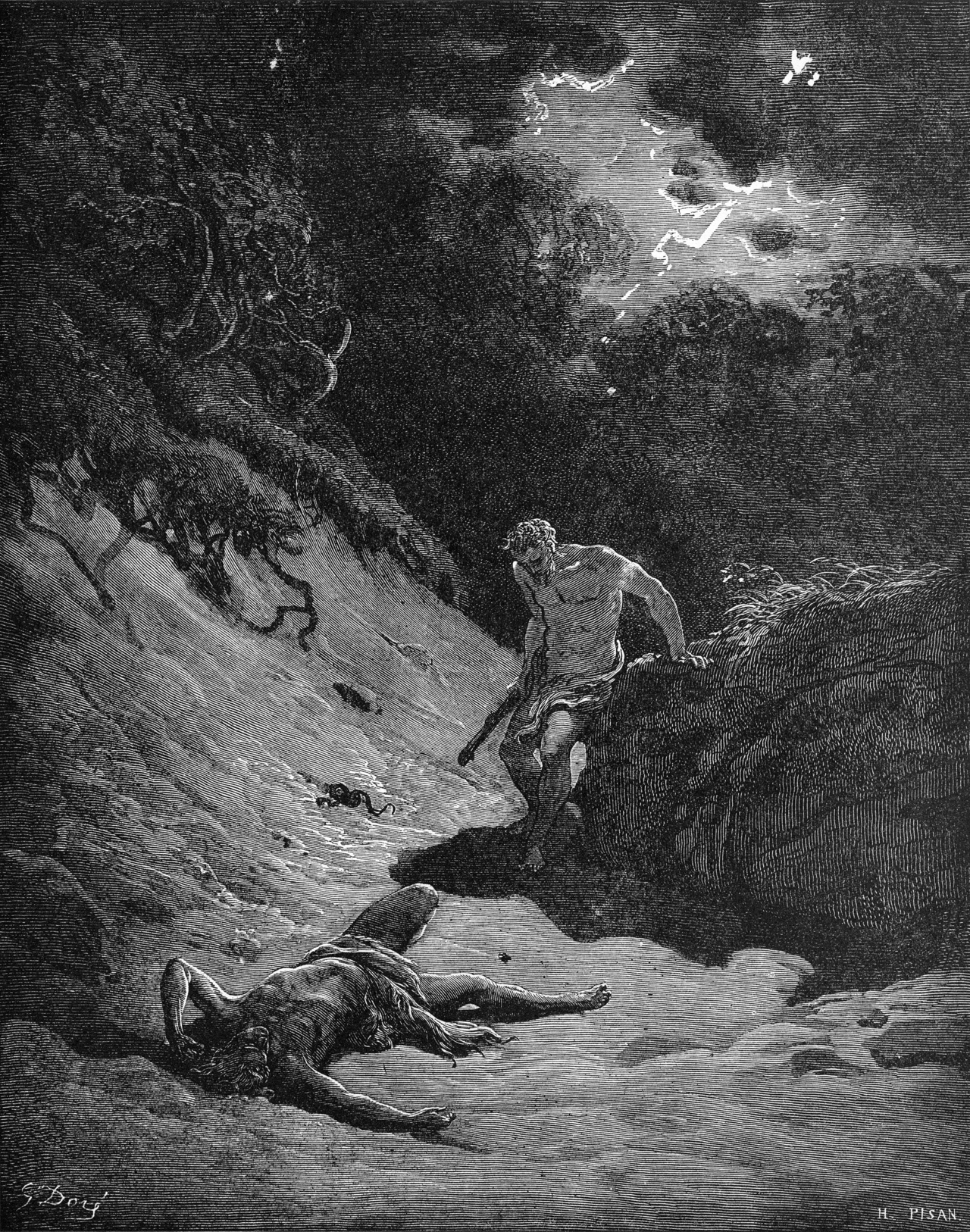
Abel, the second son of Adam and Eve, was a shepherd who was killed by his brother Cain.
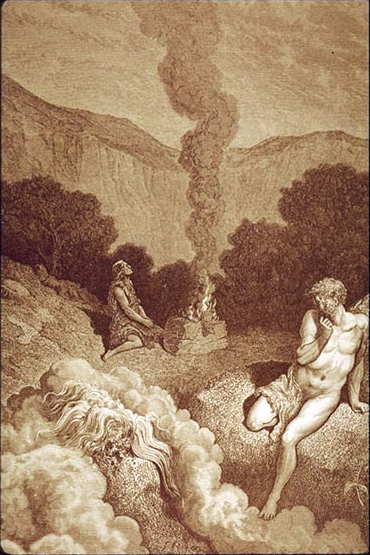
Abel was the second son of Adam and Eve, born after his brother Cain. He was a shepherd, while Cain was a farmer. Both brothers brought offerings to God, but God accepted Abel's offering and rejected Cain's. This led to Cain's jealousy and anger, and he killed Abel in a field.
God confronted Cain about Abel's murder, and as a result, Cain was cursed to be a wanderer on the earth. The New Testament references Abel as an example of faith (Heb 11:4) and as a righteous man whose blood cried out for justice (Mat 23:35; Luk 11:51). Abel's blood is also contrasted with the blood of Jesus, which speaks of better things (Heb 12:24). After Abel's death, Adam and Eve had another son named Seth.
(Heb. Hebhel), a breath, or vanity, the second son of Adam and Eve. He was put to death by his brother Cain (Gen. 4:1-16). Guided by the instruction of their father, the two brothers were trained in the duty of worshipping God. “And in process of time” (marg. “at the end of days”, i.e., on the Sabbath) each of them offered up to God of the first-fruits of his labours. Cain, as a husbandman, offered the fruits of the field; Abel, as a shepherd, of the firstlings of his flock. “The Lord had respect unto Abel and his offering; but unto Cain and his offering he had not respect” (Gen. 4:3-5). On this account Cain was angry with his brother, and formed the design of putting him to death; a design which he at length found an opportunity of carrying into effect (Gen. 4:8, 9. Comp. 1 John 3:12). There are several references to Abel in the New Testament. Our Saviour speaks of him as “righteous” (Matt. 23:35). “The blood of sprinkling” is said to speak “better things than that of Abel” (Heb. 12:24); i.e., the blood of Jesus is the reality of which the blood of the offering made by Abel was only the type. The comparison here is between the sacrifice offered by Christ and that offered by Abel, and not between the blood of Christ calling for mercy and the blood of the murdered Abel calling for vengeance, as has sometimes been supposed. It is also said (Heb. 11:4) that “Abel offered unto God a more excellent sacrifice than Cain.” This sacrifice was made “by faith;” this faith rested in God, not only as the Creator and the God of providence, but especially in God as the great Redeemer, whose sacrifice was typified by the sacrifices which, no doubt by the divine institution, were offered from the days of Adam downward. On account of that “faith” which looked forward to the great atoning sacrifice, Abel’s offering was accepted of God. Cain’s offering had no such reference, and therefore was rejected. Abel was the first martyr, as he was the first of our race to die.
Abel (Heb. ‘abhel), lamentation (1 Sam. 6:18), the name given to the great stone in Joshua’s field whereon the ark was “set down.” The Revised Version, however, following the Targum and the LXX., reads in the Hebrew text ’ebhen (= a stone), and accordingly translates “unto the great stone, whereon they set down the ark.” This reading is to be preferred.
Abel (Heb. ‘abhel), a grassy place, a meadow. This word enters into the composition of the following words:
Sources: BibleData (CC BY 4.0, Abel_1) · STEPBible TIPNR (CC BY 4.0, Abel@Gen.4.2-Heb) · Theographic Bible Metadata (CC BY-SA 4.0, abel_13)