Aijalon
Aijalon is one of the cities in the coast of the inheritance of the tribe of Dan, named with Shaalabbin and Jethlah; KJV spells it Ajalon in this list (BG1940: “Еалон”, as everywhere). The Amorites would dwell in mount Heres in Aijalon (BG1940: “в гората Ерес”, in the forest of Heres) and in Shaalbim, yet the hand of the house of Joseph prevailed, so that they became tributaries. Easton and Smith both note that the tribe of Dan could not dispossess the Amorites of the place. Josh 19:40; Josh 19:42; Judg 1:34-35.
Aijalon with her suburbs (BG1940: “с пасбищата му”) is given out of the tribe of Dan to the families of the Kohathites, with Gath-rimmon; Chronicles lists the same pair among the cities that the Kohathites receive out of the tribe of Ephraim. Smith calls it a Levitical city and a city of refuge, and explains that, standing on the very frontier, it is spoken of sometimes as in Ephraim and sometimes as in Judah and Benjamin. Josh 21:23-24; 1 Chr 6:66; 1 Chr 6:69.
On the day of Saul’s oath over food, Israel smites the Philistines from Michmash to Aijalon, “and the people were very faint”. In the genealogy of Benjamin, Beriah and Shema are heads of the fathers of the inhabitants of Aijalon, who drove away the inhabitants of Gath. Easton describes Aijalon as the boundary between the kingdoms of Judah and Israel. 1 Sam 14:31; 1 Chr 8:13.
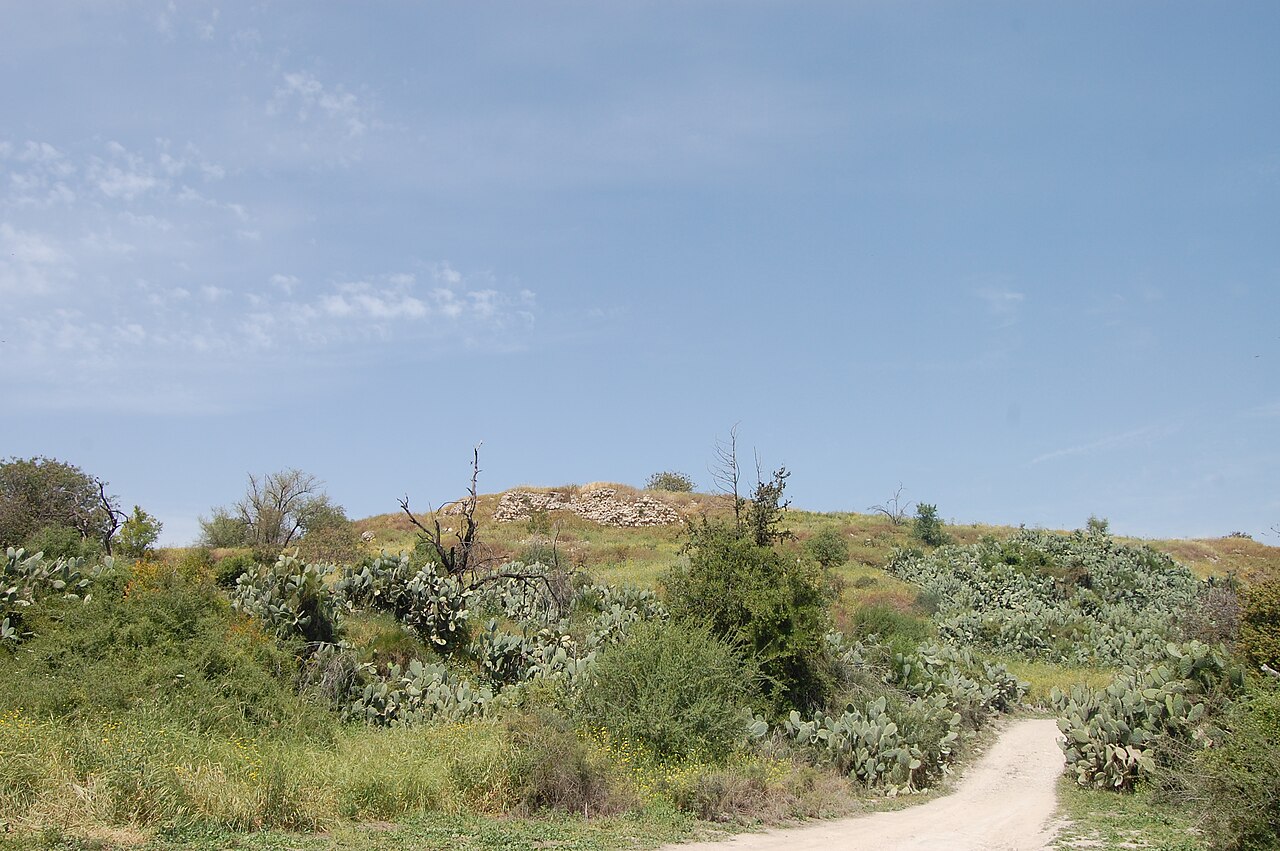
Rehoboam builds it among the cities for defence, with Zorah and Hebron, “which are in Judah and in Benjamin fenced cities”. In the days of Ahaz the Philistines invade the cities of the low country and of the south of Judah and take Beth-shemesh, Ajalon, Gederoth and other towns, and dwell there; Smith calls this the last we hear of it. Easton and Smith identify it with the modern Yalo, and Easton adds that in the Tell Amarna letters Adoni-zedek speaks of the destruction of the “city of Ajalon”. 2 Chr 11:5; 2 Chr 11:10; 2 Chr 28:18-19.
Two other uses of the name are kept apart. Joshua’s words “Sun, stand thou still upon Gibeon; and thou, Moon, in the valley of Ajalon” concern the valley of Ajalon, which Easton says was named after the town and Smith calls a broad and beautiful valley near the city. The Aijalon in the country of Zebulun where Elon the Zebulonite is buried is a different place in both dictionaries (Aijalon in Zebulun). Josh 10:12; Judg 12:11-12.