Gibeon
Gibeon is a city associated with the Hivites, described in the conquest narrative as a large settlement comparable to royal cities, with strong fighting men. In the territorial allotment it belongs to the tribe of Benjamin, and it is assigned with its surrounding pastureland to the priestly descendants of Aaron. Its history brings together a treaty, military encounters and an important sanctuary. Josh 10:2 Josh 11:19 Josh 18:21-25 Josh 21:13-17
The treaty gives the inhabitants a distinctive place in the conquest account. Joshua and the leaders undertake to preserve their lives, and the oath made in God's name is maintained after their deception is discovered. Preservation through submission rather than resistance helps explain why their outcome differs from that of the surrounding cities. Their survival also brings obligations: they become cutters of wood and carriers of water for the community and the altar. The relationship therefore includes both the protection of a sworn promise and continuing service. Josh 9:14-27
The envoys secure that promise by presenting themselves as travellers from a distant country. Old clothing, repaired sandals, worn wine skins and mouldy bread support their story when they reach Joshua at Gilgal. The leaders accept the evidence without seeking God's counsel. Three days later they learn that the visitors are neighbours; the associated towns are Gibeon, Chephirah, Beeroth and Kiriath-jearim. The inhabitants explain that fear for their lives prompted the stratagem. Joshua spares them, while assigning the service that follows from the agreement. Josh 9:3-27
Peace with the newcomers makes the city a target for neighbouring rulers. Adoni-zedek of Jerusalem heads a coalition of five Amorite kings against it. The other rulers are Hoham of Hebron, Piram of Jarmuth, Japhia of Lachish, and Debir of Eglon. The inhabitants call urgently for help. Joshua marches from Gilgal through the night and defeats the allied force. The account attributes the rout and hail to God, then records the prolonged day when Joshua calls for the sun to stand over Gibeon and the moon over the valley of Aijalon. The five kings are later taken from a cave at Makkedah and executed. The city's appeal is the occasion for this wider campaign. Josh 10:1-27
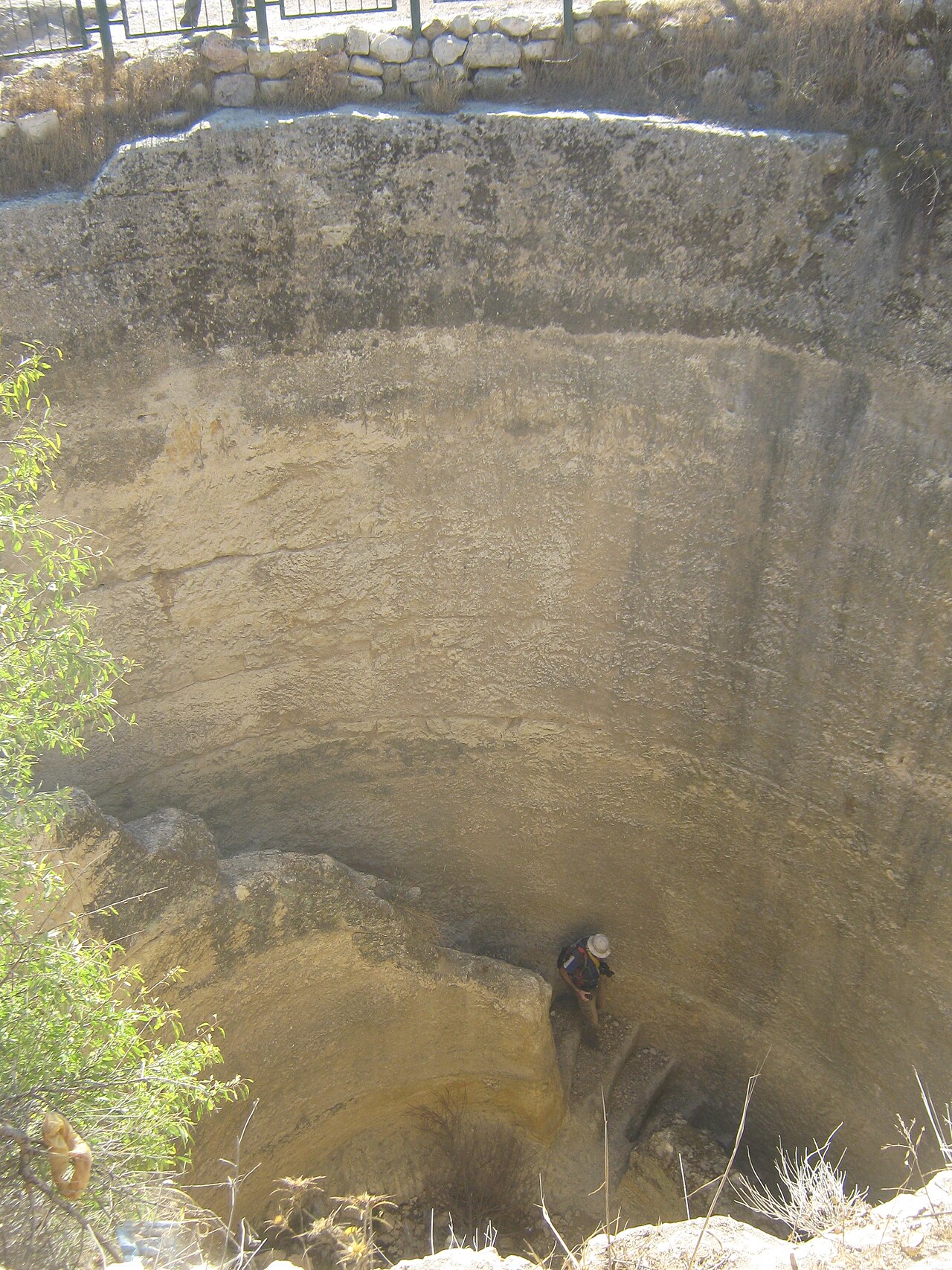
The pool at Gibeon becomes a meeting point in the struggle between royal houses. Abner, with the servants of Ish-bosheth, meets Joab and David's men on opposite sides of the water. Twelve men from each party engage and fall together, followed by a fierce battle. Joab, Abishai and Asahel are identified as the three sons of Zeruiah. In the ensuing pursuit, Asahel refuses Abner's warnings to turn aside and is killed by him. Joab and Abishai continue the pursuit until Abner's appeal and Joab's trumpet bring the fighting to a halt. The narrative names both the pool and the surrounding wilderness as settings of the conflict. 2 Sam 2:12-32
In another campaign against the Philistines, David acts on God's instruction after the sound above the trees. The account in Chronicles reports the defeat of the enemy force from Gibeon to Gezer. Here Gibeon marks one end of the route along which the force is defeated. 1 Chr 14:13-17
Another killing is located at the city's great stone. During the pursuit of Sheba, son of Bichri, Amasa comes before the troops, and Joab greets him and takes his beard as if to kiss him. The killing follows with a sword stroke. Amasa's body lies in the road and arrests the movement of the soldiers, until one of the men pulls it aside and covers it. The force then continues after Joab, whose brother Abishai joins the pursuit of Sheba, son of Bichri. The great stone and roadway give the account a specific setting within Gibeon. 2 Sam 20:8-13
The older sworn relationship returns to attention during the famine in David's reign. The explanation connects it with Saul's violence against the Gibeonites; this account calls them a remnant of the Amorites. They reject compensation in silver and gold and ask for seven descendants of Saul, whom David delivers to them. He spares Mephibosheth, son of Jonathan, because of his oath to Jonathan. Those handed over include Armoni and Mephibosheth, sons of Rizpah, daughter of Aiah, and five unnamed sons associated in the verse with Michal, Saul's daughter, and Adriel, son of the Meholathite Barzillai. The wording concerning Michal differs in the two versions used here: KJV says that she brought up the sons, while BG1940 says that she bore them. This notice preserves their wording without substituting another woman or supplying names for the five. The requested place of execution is Gibeah, the city of Saul. That location is distinct from Gibeon: the identity of the Gibeonite community does not transfer every action of its people to the city's own site. 2 Sam 21:1-9
Gibeon's high place is an important centre of sacrificial worship. Zadok and the priests serve before the tabernacle there, offering burnt offerings morning and evening. The tabernacle made by Moses in the wilderness and the bronze altar made by Bezalel are specifically located at this high place. The ark has a separate setting: David has brought it from Kiriath-jearim to a tent prepared in Jerusalem. The distinction between the tabernacle at Gibeon and the ark's tent is explicit in the record of Solomon's visit. 1 Chr 16:39-40 1 Chr 21:29-30 2 Chr 1:3-6
Solomon goes with the congregation to offer a thousand burnt offerings at the altar. In the night-time encounter, God invites him to ask for a gift. Solomon requests wisdom and discernment to govern and judge the people, rather than wealth or the death of his enemies. The request receives approval, and wisdom is accompanied by riches and honour. The parallel account in Kings presents the encounter as a dream and makes extended life conditional upon obedience. The king then returns to Jerusalem. Gibeon is the place of sacrifice and the royal request for understanding in these accounts. 2 Chr 1:6-13 1 Kgs 3:4-15
Later notices retain the city as both an origin and a meeting place. The book of Jeremiah identifies the prophet Hananiah as the son of Azur, coming from Gibeon. In another episode, Johanan and the captains find Ishmael beside its great waters. The captives turn toward Johanan and are recovered, while Ishmael escapes with eight men. The record gives the waters as the setting of the recovery, rather than a detailed description of the city's buildings. Jer 28:1 Jer 41:11-16
The restoration records name Melatiah, the Gibeonite, and Jadon, the Meronothite, among those taking part in repair work. A separate returnee list counts a group of ninety-five under Gibeon. These are notices of a local community. The city's recurring appearances concern residents, routes, water, treaty obligations and worship, across several distinct periods of the biblical narrative. Neh 3:7 Neh 7:25