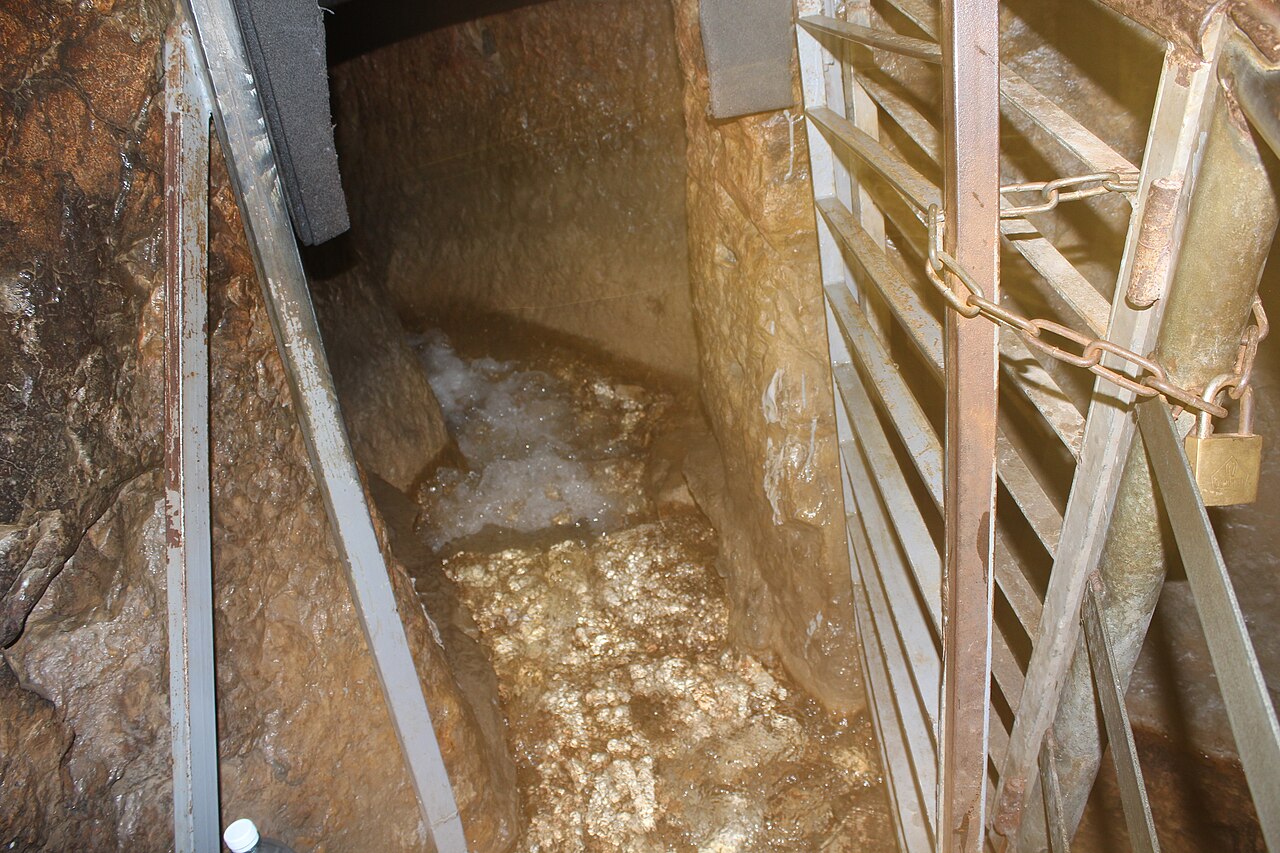
Gihon
Gihon is the spring associated with Jerusalem and the City of David, prominent in accounts of royal succession and the city’s water supply. It is a separate geographical object from the river Gihon named in Genesis 2:13. 1 Kings 1:33-45; 2 Chronicles 32:30.
At David’s command, Solomon rode the king’s mule to Gihon for his anointing. The party included Zadok the priest, Nathan the prophet, Benaiah son of Jehoiada, the Cherethites, and the Pelethites. Zadok anointed Solomon, the trumpet sounded, and the people returned with loud rejoicing. The ceremony publicly established the succession while David was still alive, a feature emphasized in the Sabbath School lesson of July 4, 2002. 1 Kings 1:32-40; 1 Kings 1:47-48.
The spring also figures in Hezekiah’s work on the city’s defences and water supply. When Sennacherib threatened Jerusalem, the king and his leaders stopped the springs outside the city to deny water to the attackers. Chronicles specifically records that Hezekiah stopped Gihon’s upper watercourse and directed its water down to the west side of the City of David. Ellen G. White places the provision of water within the walls alongside the scarcity outside them among the preparations for the siege. 2 Chronicles 32:1-5; 2 Chronicles 32:30.
In the reign of Manasseh, Gihon served as a landmark for a further fortification of the city. After his return to Jerusalem, he built an outer wall of the City of David west of Gihon, in the valley, extending toward the Fish Gate and around Ophel. This later notice places the spring within the description of the city’s defensive works. 2 Chronicles 33:13-14.