Peor
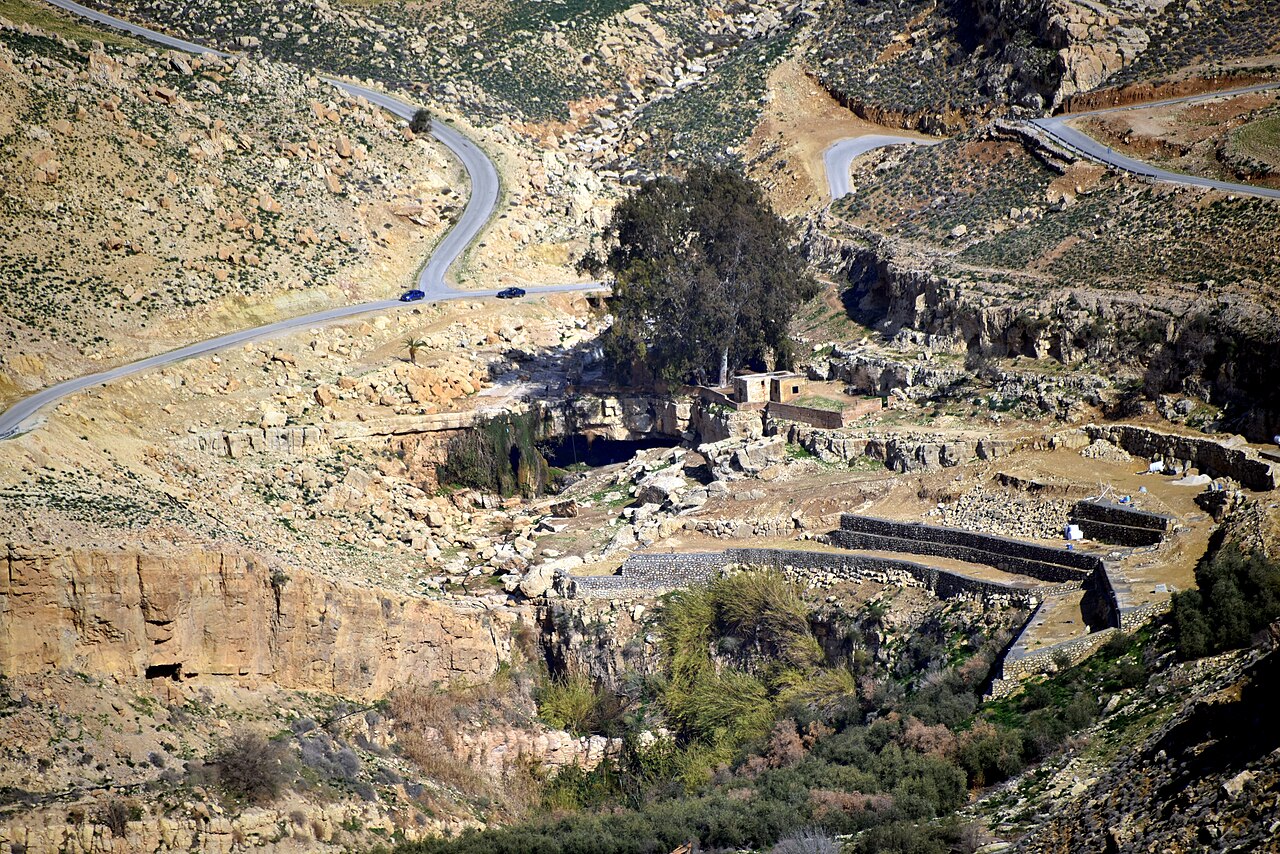
Peor is the height to which Balak brings Balaam after the top of Pisgah: “the top of Peor, that looketh toward Jeshimon” (BG1940: „върха на Фегор, който гледа към Иесимон“). From there Balaam blesses Israel and speaks his final oracles. Easton calls it a mountain peak to which Balak led Balaam as a last effort to induce him to curse Israel; Smith places it in Moab, in the Abarim range near Pisgah. Easton renders the name “opening”, Smith “cleft”. Ellen G. White, Patriarchs and Prophets, chapter 40, calls it Mount Peor, “where was a temple devoted to the licentious worship of Baal, their god”. Num 23:14; Num 23:28.
The other verses cited on this record concern the worship of Peor. While Israel abides in Shittim, “Israel joined himself unto Baal-peor” (BG1940: „се привърза за Ваалфегора“), and Moses commands the judges to slay the men “that were joined unto Baal-peor” (Phinehas at Baal-peor). The LORD then tells Moses that the Midianites have beguiled Israel “in the matter of Peor”, and in the matter of Cozbi, who was slain “for Peor’s sake”; BG1940 reads „чрез Фегора“ and „поради Фегора“. Easton gives as a second sense of Peor a Moabite divinity, called also Baal-peor, and Smith takes Peor in these passages as a contraction for Baal-peor. Ellen G. White, Patriarchs and Prophets, chapter 41, writes that the Israelites were participating in “the licentious worship at Mount Peor”, and that the heathen rites were coming to be observed in the camp. Num 25:3; Num 25:5; Num 25:18.
Later texts recall the sin. After the expedition against Midian Moses says that the Midianite women caused Israel, “through the counsel of Balaam, to commit trespass against the LORD in the matter of Peor”. Deuteronomy recalls that the LORD destroyed “all the men that followed Baal-peor”. In the eastern tribes’ altar dispute the envoys of the congregation ask, “Is the iniquity of Peor too little for us”. The psalm says, “They joined themselves also unto Baal-peor, and ate the sacrifices of the dead”, where BG1940 adds in brackets that the dead are gods („жертви <принесени> на мъртви <богове>“). Ellen G. White, Patriarchs and Prophets, chapter 67, quotes this psalm and Num 25:1-3 to show that the religion of the heathen was a worship of the dead, explaining the sacrifices as “sacrifices that had been offered to the dead”. Num 31:16; Deut 4:3; Josh 22:17; Ps 106:28.