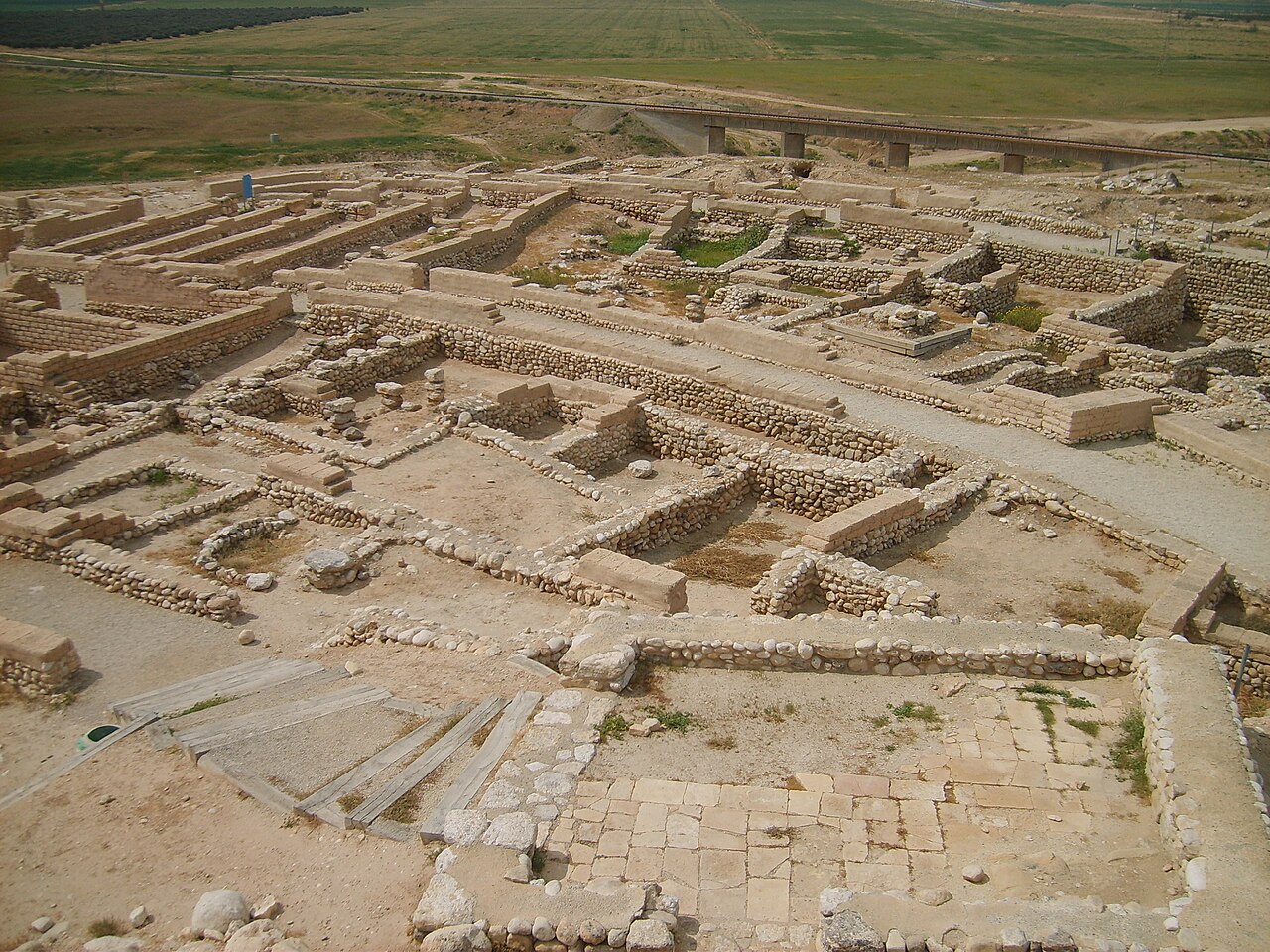
Sheba
Sheba is named in the first verse of the list of cities that the tribe of Simeon receives by the second lot, an inheritance lying within the inheritance of the children of Judah. KJV reads “Beer-sheba, or Sheba, and Moladah”, placing the name between Beer-sheba and Moladah; BG1940 puts it in brackets, „Вирсавее (или Савее), Молада“. Josh 19:1-2.
The verse does not say whether “or Sheba” adds a town or gives Beer-sheba a second name. The names from Beer-sheba to Sharuhen are fourteen, while Josh 19:6 sums them up as thirteen cities, and the list of Simeon's dwellings in Chronicles passes from Beer-sheba straight to Moladah. Josh 19:6; 1 Chr 4:28.
The dictionaries count Sheba as a town of its own. Easton lists it as his fifth Sheba, a town of Simeon, and gives the Hebrew shebha’ as “seven” or “an oak”; Smith calls it one of the towns of the allotment of Simeon, probably the same as Shema of Josh 15:26, a name that stands before Moladah in Judah's list of the uttermost southern cities (BG1940: Сема); Nave counts it a city of the tribe of Simeon. Easton keeps it apart from the kingdom of Sheba in Arabia, whose queen comes to Solomon. Josh 15:26; 1 Kgs 10:1; Easton and Smith.