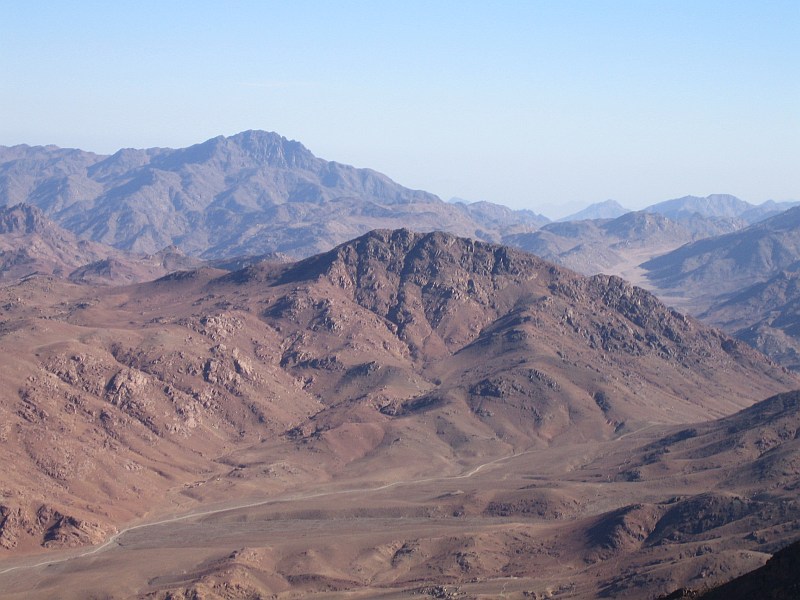
Wilderness of Sinai
The wilderness of Sinai is the region where Israel camps after leaving Egypt. In the arrival and preparation account, the people move from Rephidim and camp before Mount Sinai. The text distinguishes the wilderness encampment from the mountain before it. Exodus 19:1–2.
In the covenant account, the LORD gives Moses a message for Israel, with the promise of a treasured possession, a kingdom of priests and a holy nation conditioned on obedience. Exodus 19:3–8. Ellen White’s Patriarchs and Prophets, chapter 27, paragraphs 3–5, presents this covenant as a close relationship under God’s government (chapter 27). The paired Sabbath School lesson of 17 August 2025 likewise stresses God’s initiative and the people’s responsive relationship with him.
The wilderness is also named in the census instructions. The LORD addresses Moses there, directing that Israel’s men aged twenty and upward who are able to go to war be counted, with Aaron and tribal representatives. Numbers 1:1–4. The sacrificial-law reference also places the instructions to Moses at Mount Sinai alongside the offerings commanded in the wilderness. Leviticus 7:38.
The Passover account names the wilderness as the place of observance. At the LORD’s command, Moses directs Israel to keep the feast, and the text records their observance there. Numbers 9:1–5.
In the departure account, the cloud is lifted and Israel sets out from the wilderness; the cloud then rests in Paran. Numbers 10:11–12. The itinerary lists the wilderness between Rephidim and Kibroth-hattaavah. Numbers 33:15–16.
A later census comparison looks back to those whom Moses and Aaron had numbered in the wilderness of Sinai. This is an explicit retrospective place reference in the text. Numbers 26:64.