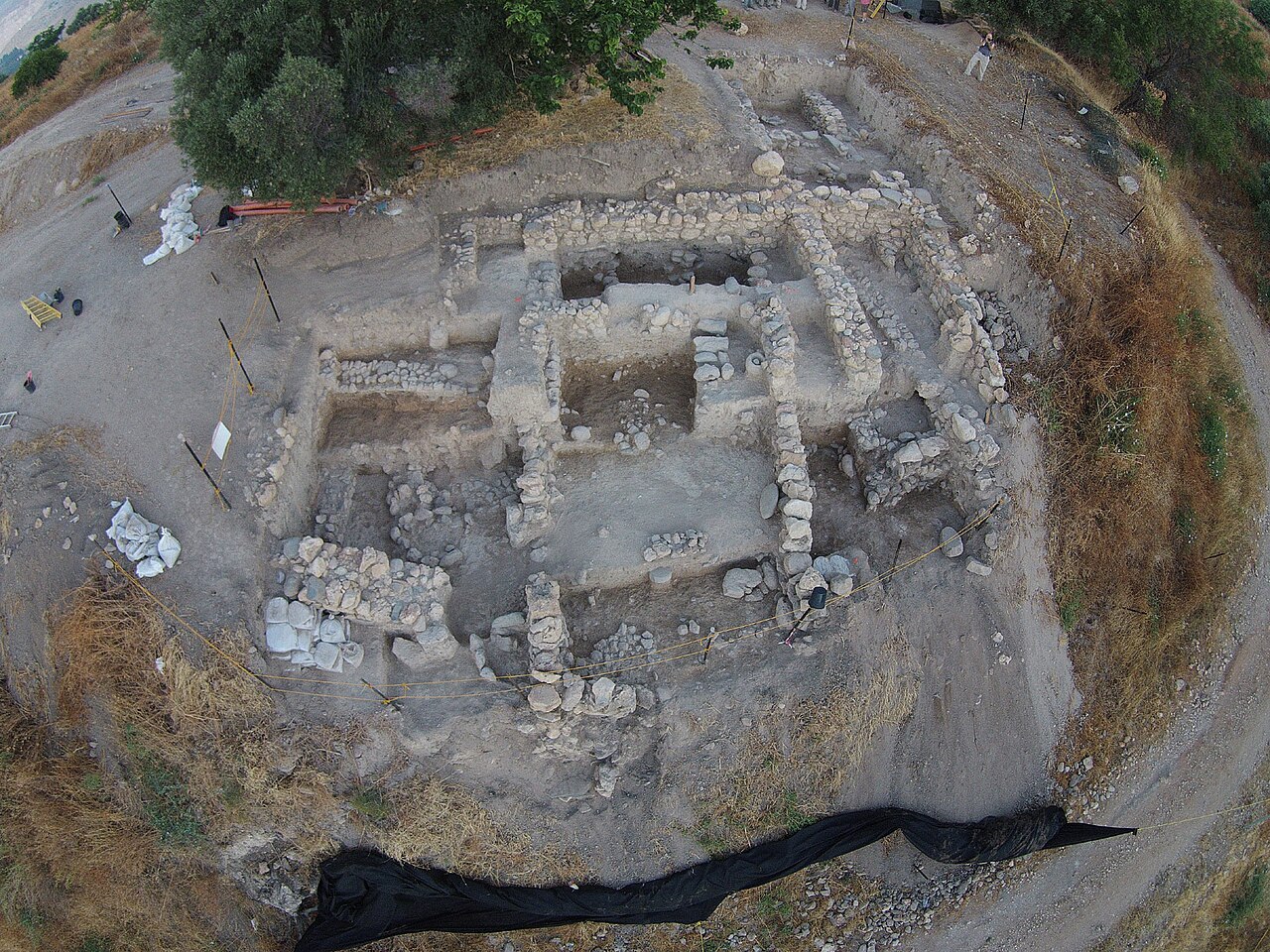
Abel
Abel was a fortified city in northern Israel, also called Abel-beth-maachah and Abel-maim. The royal histories place it alongside Ijon and Dan in accounts of attacks on the northern towns; the parallel account in Chronicles uses Abel-maim where Kings has Abel-beth-maachah. 1 Kings 15:20; 2 Chronicles 16:4.
In David’s reign, Sheba, son of Bichri, was besieged in Abel during his revolt. Joab’s men raised a bank against the city and attacked its wall. A wise woman, whose name is not supplied, negotiated with Joab. She recalled the city’s reputation as a place to seek counsel and defended its standing as a peaceful community. Her description is “a city and a mother in Israel” in KJV, while BG1940 has “град и даже столица в Израил.” After Joab demanded only Sheba, the inhabitants executed him and threw his head over the wall; the army then withdrew. 2 Samuel 20:14–22.
Later, Abel-beth-maachah was among the towns struck by the forces of Ben-hadad after he accepted Asa’s request for intervention. The parallel list places Abel-maim with Ijon, Dan and the store cities of Naphtali. These notices connect the city with the northern frontier exposed to attack from the north. 1 Kings 15:20; 2 Chronicles 16:4.
During the reign of Pekah, Tiglath-pileser of Assyria captured Abel-beth-maachah in a campaign embracing northern towns and territories. The same notice reports the deportation of their inhabitants to Assyria. It supplies the city’s place in the campaign without giving a separate account of its siege. 2 Kings 15:29.