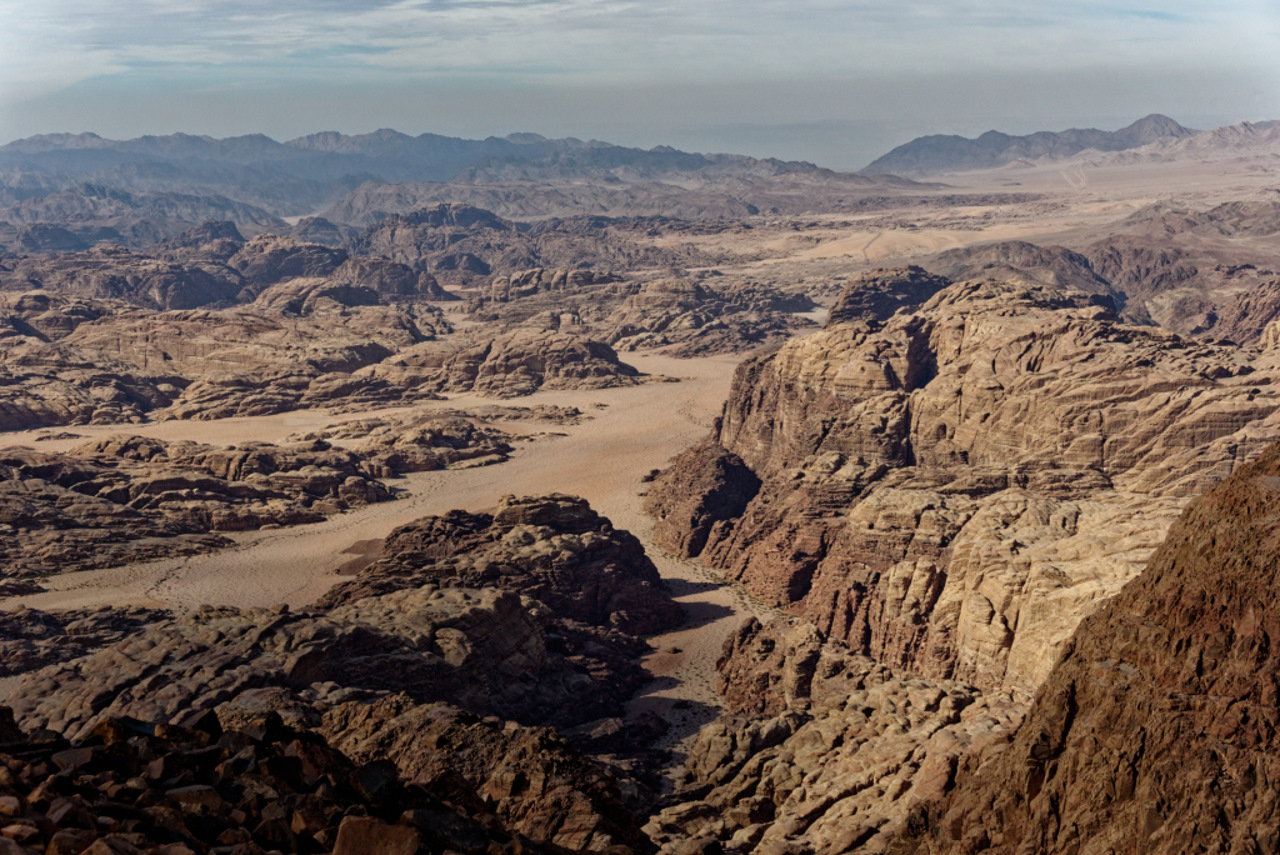
Арабско племе, произлязло от Мадиан. Неговите представители обитавали главно пустинята северно от Арабския полуостров. Синайският полуостров служел за пасище на стадата им. Те на практика били владетелите на Арабия, тъй като били господстващото племе. Подобно на всички араби, те били номадски народ. Още отрано започнали да се занимават с търговия. Именно на един от техните кервани бил продаден Йосиф (Бит. 37:28, 36). Следващото споменаване на тях е във връзка с бягството на Моисей от Египет (Изх. 2:15-21). Тук, в Мадиан, Моисей станал слуга, а впоследствие и зет на свещеника Рагуил, или Йотор. След Изхода мадиамците били приятелски настроени към израилтяните, докато те преминавали само през отдалечените им пасища западно от Арава; но когато, след като заобиколили южния край на Едом, навлезли в същинската земя на Мадиан, мадиамците се присъединили към моавския цар Валак в заговор срещу тях (Числ. 22:4-7). Валаам, който бил повикан, за да прокълне Израил, напълно се провалил в това и бил отпратен от моавския цар; въпреки това той продължил да се задържа сред мадиамците и ги подтикнал да влязат в общуване с израилтяните, така че да ги въвлекат в разпътните оргии, свързани с поклонението на Ваал-Фегор. Този коварен съвет постигнал целта си. Израилтяните участвали в езическия празник и така действително навлекли върху себе си проклятие. Тяхното отстъпничество им донесло сурово наказание. Сред тях избухнала епидемия и загинали повече от двадесет и четири хиляди души от народа (Числ. 25:9). Но и мадиамците нямало да останат ненаказани. Срещу тях било провъзгласено страшно възмездие. По хиляда воини от всяко племе, под предводителството на Финеес, излезли на бой срещу тях. Мадиамците били напълно разгромени. Градовете им били погълнати от огън, петима от царете им били убити и целият народ бил унищожен (Ис.Нав. 13:21, 22). Валаам също загинал от меч, като получил „заплатата на своята неправда“ (Числ. 31:8; 2 Пет. 2:15). Цялата страна източно от Йордан, вече завладяна от израилтяните (вж. СИХОН; ОГ), била поделена между двете племена Рувим и Гад и половината от Манасиевото племе.
Около двеста и петдесет години след това мадиамците възстановили предишното си могъщество и в съюз с амаликитците и „синовете на изтока“ воювали срещу старите си врагове, израилтяните, които в продължение на седем години потискали и държали в подчинение. Накрая били нападнати от Гедеон в онази незабравима битка в голямата Ездрелонска равнина и напълно унищожени (Съд. 6:1-гл. 7). Впоследствие често се правят позовавания на тази велика победа (Пс. 83:10, 12; Ис. 9:4; 10:6). Оттогава те напълно изчезват от страниците както на свещената, така и на светската история.
Покажи английския оригинал
An Arabian tribe descended from Midian. They inhabited principally the desert north of the peninsula of Arabia. The peninsula of Sinai was the pasture-ground for their flocks. They were virtually the rulers of Arabia, being the dominant tribe. Like all Arabians, they were a nomad people. They early engaged in commercial pursuits. It was to one of their caravans that Joseph was sold (Gen. 37:28, 36). The next notice of them is in connection with Moses’ flight from Egypt (Ex. 2:15-21). Here in Midian Moses became the servant and afterwards the son-in-law of Reuel or Jethro, the priest. After the Exodus, the Midianites were friendly to the Israelites so long as they traversed only their outlying pasture-ground on the west of the Arabah; but when, having passed the southern end of Edom, they entered into the land of Midian proper, they joined with Balak, the king of Moab, in a conspiracy against them (Num. 22:4-7). Balaam, who had been sent for to curse Israel, having utterly failed to do so, was dismissed by the king of Moab; nevertheless he still tarried among the Midianites, and induced them to enter into correspondence with the Israelites, so as to bring them into association with them in the licentious orgies connected with the worship of Baal-Peor. This crafty counsel prevailed. The Israelites took part in the heathen festival, and so brought upon themselves a curse indeed. Their apostasy brought upon them a severe punishment. A plague broke out amongst them, and more than twenty-four thousand of the people perished (Num. 25:9). But the Midianites were not to be left unpunished. A terrible vengeance was denounced against them. A thousand warriors from each tribe, under the leadership of Phinehas, went forth against them. The Midianites were utterly routed. Their cities were consumed by fire, five of their kings were put to death, and the whole nation was destroyed (Josh. 13:21, 22). Balaam also perished by the sword, receiving the “wages of his unrighteousness” (Num. 31:8; 2 Pet. 2:15). The whole of the country on the east of Jordan, now conquered by the Israelites (see SIHON; OG), was divided between the two tribes of Reuben and Gad and the half tribe of Manasseh.
Some two hundred and fifty years after this the Midianites had regained their ancient power, and in confederation with the Amalekites and the “children of the east” they made war against their old enemies the Israelites, whom for seven years they oppressed and held in subjection. They were at length assailed by Gideon in that ever-memorable battle in the great plain of Esdraelon, and utterly destroyed (Judg. 6:1-ch. 7). Frequent allusions are afterwards made to this great victory (Ps. 83:10, 12; Isa. 9:4; 10:6). They now wholly pass away from the page of history both sacred and profane.