Havilah
Havilah marks one end of the land where the descendants of Ishmael, the twelve princes of his line, dwell: from Havilah unto Shur, that is before Egypt, as one goes toward Assyria. The close of the verse differs between the versions: KJV says of Ishmael that “he died in the presence of all his brethren”, while BG1940 reads “се засели независим от всичките си братя”, he settled independent of all his brethren. Gen 25:16-18.
The same limits recur when Saul smites the Amalekites from Havilah until one comes to Shur, that is over against Egypt (Saul's campaign against the Amalekites); BG1940 reads “до прохода на Сур”, to the pass of Shur. Ellen G. White, Patriarchs and Prophets, chapter 61, quotes the verse with the sparing of Agag and of the best of the flocks in its account of Saul's rejection. Nave lists this Havilah as a district east of Amalek. 1 Sam 15:7-9.
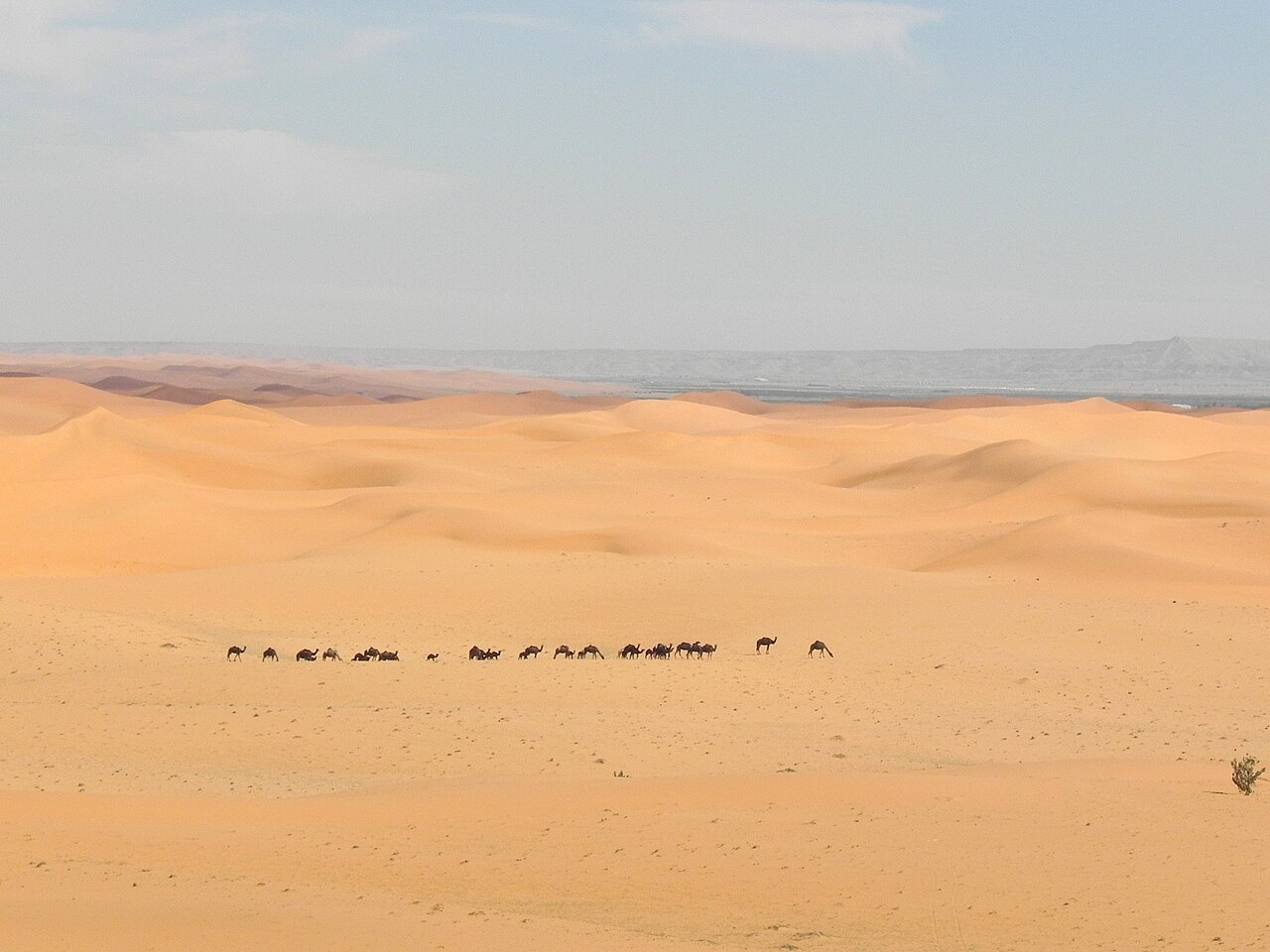
Easton renders the name “the sand region” and Smith “circle”. Easton calls this Havilah a district in Arabia-Felix and leaves open whether the tribe gave its name to the region or derived it from it, and whether it was a Cushite or a Joktanite tribe, pointing to the sons of Cush and of Joktan who bear the name, Havilah and Havilah; he finds well vindicated the opinion of Kalisch that Havilah in both instances designates the same country, extending at least from the Persian to the Arabian Gulf. Smith places the district of Arabia Felix named from the son of Cush probably at Kualan, in the north-western part of Yemen. The dictionaries treat the land of Havilah compassed by the river of Eden in a separate entry. Gen 10:7; Gen 10:29; Gen 2:11.