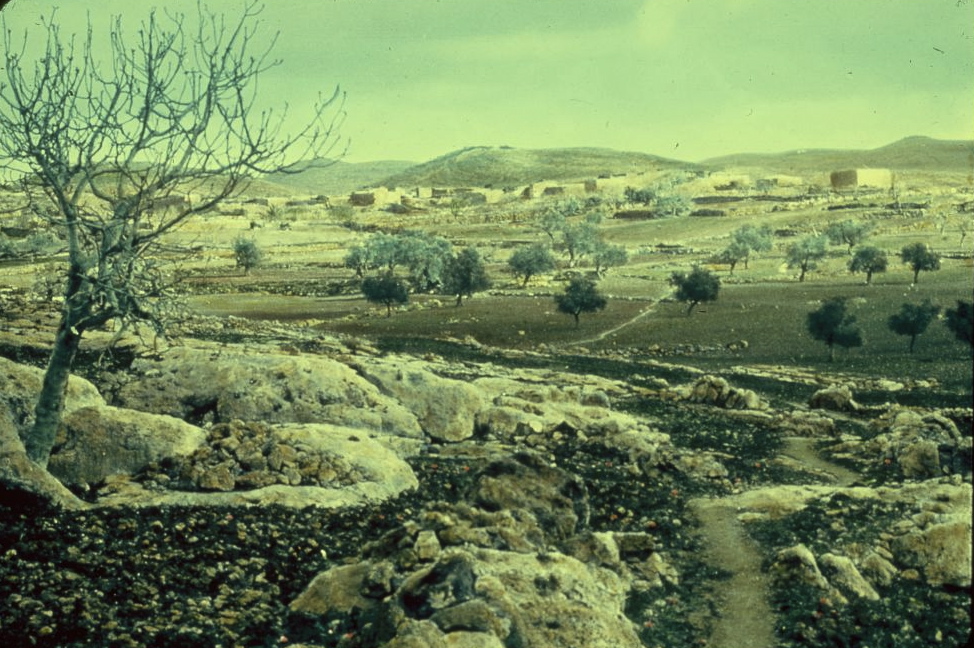
Долен Веторон е град, разположен в пограничната област между племената на Ефрем и Вениамин, в централната хълмиста част на Израил. Той се споменава многократно в Библията, често във връзка със съседния град Горен Веторон.
Името Веторон означава „дом на пещерите“ или „дом на кухините“ на еврейски и вероятно се отнася до релефа на местността. Долен Веторон е бил разположен на стратегическо място по главния път, свързващ крайбрежната равнина с Йерусалим и вътрешността на страната.
В книгата на Иисус Навин Долен Веторон е описан като част от границата между Ефрем и Вениамин (Ис.Нав 16:3; 18:13). Той е бил даден на каатовия род на левитите (Ис.Нав 21:22; 1 Лет 6:68).
Най-известното библейско събитие, свързано с Долен Веторон, е битката между израилтяните и аморейските царе, описана в Ис.Нав 10. Докато аморейците бягали пред Израил, Бог хвърлил върху тях големи късове градушка, а Иисус Навин се помолил слънцето да спре, за да могат израилтяните да довършат победата си (Ис.Нав 10:10-11).
В по-късната история Долен Веторон е укрепен от цар Соломон (3 Цар 9:17; 2 Лет 8:5) и става място на битка между Юда и Израил по време на управлението на юдовия цар Амасия (2 Лет 25:13).
Филистимците също използвали пътя през Веторон като един от основните си маршрути за нахлуване в израилската територия (1 Цар 13:18).
И Долен, и Горен Веторон са възстановени от Шеера, дъщерята на Ефрем (1 Лет 7:24).
Днес мястото на древния Долен Веторон се отъждествява със съвременното палестинско село Бейт Ур ал-Тахта.
Покажи английския оригинал
Lower Beth-horon was a town located in the border region between the tribes of Ephraim and Benjamin, in the central hill country of Israel. It is mentioned multiple times in the Bible, often in connection with its sister city, Upper Beth-horon.
The name Beth-horon means "house of caves" or "house of hollows" in Hebrew, possibly referring to the topography of the area. Lower Beth-horon was situated in a strategic location along the main road connecting the coastal plain with Jerusalem and the interior of the country.
In the book of Joshua, Lower Beth-horon is described as part of the border between Ephraim and Benjamin (Joshua 16:3; 18:13). It was allotted to the Kohathite clan of the Levites (Joshua 21:22; 1Ch.6.68).
The most famous biblical event associated with Lower Beth-horon is the battle between the Israelites and the Amorite kings, described in Joshua 10. As the Amorites fled before Israel, God cast down large hailstones on them, and Joshua prayed for the sun to stand still, allowing the Israelites to complete their victory (Joshua 10:10-11).
In later history, Lower Beth-horon was fortified by King Solomon (1Ki.9.17; 2Ch.8.5) and was the site of a battle between Judah and Israel during the reign of King Amaziah of Judah (2Ch.25.13).
The Philistines also used the Beth-horon road as one of their main routes for invading Israelite territory (1Sa.13.18).
Both Lower and Upper Beth-horon were rebuilt by Sheerah, the daughter of Ephraim (1Ch.7.24).
Today, the ancient site of Lower Beth-horon is identified with the modern Palestinian village of Beit Ur al-Tahta.