Carmel
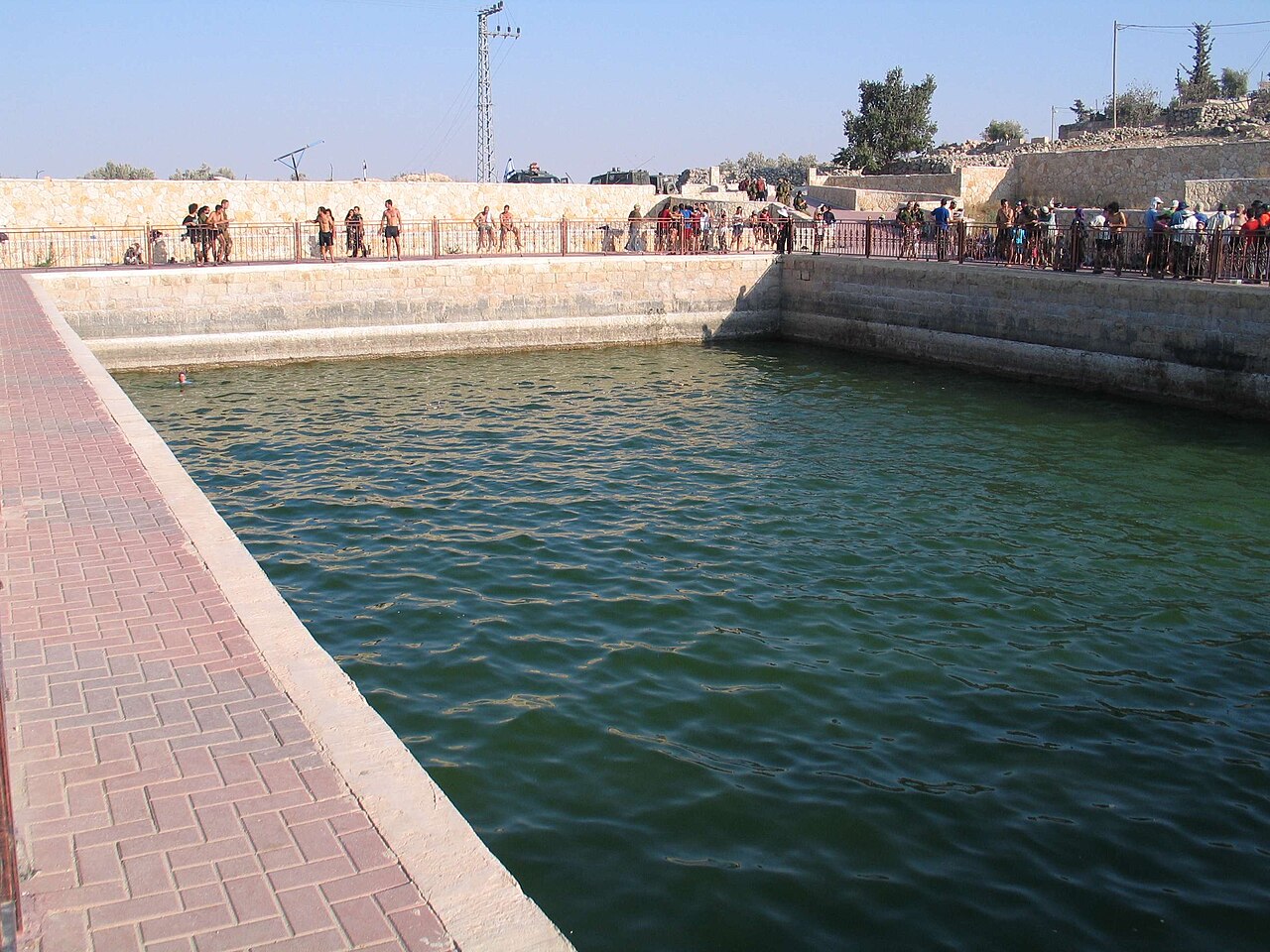
Carmel is a town in the hill country of Judah, listed with Maon, Ziph and Juttah. Easton places its ruins, still called Kurmul, about 10 miles south-south-east of Hebron, close to those of Maon. Josh 15:55.
Returning from the war against Amalek, Saul comes to Carmel and sets him up “a place” there before going down to Gilgal; BG1940 has „паметник“ (monument), with the margin note that the Hebrew says „Ръка“ (hand), and Nave calls it a memorial. The report reaches Samuel on the morning he goes to meet Saul, the scene of Samuel announces Saul’s rejection and puts Agag to death. 1 Sam 15:12.
Carmel is where Nabal of Maon has his possessions and shears his sheep. David sends his young men “up to Carmel” to greet him, reminding him that his shepherds lost nothing “all the while they were in Carmel”; after Nabal's death David's servants come to Abigail at Carmel to take her to him to wife (Abigail prevents David’s retaliation). 1 Sam 25:2; 1 Sam 25:5; 1 Sam 25:7; 1 Sam 25:40.
The town gives the designations “the Carmelitess” for Abigail and “the Carmelite” for Nabal in the later lists of David's household. Among David's mighty men Hezrai (Chronicles: Hezro) is also called “the Carmelite”, without saying which Carmel is meant. 1 Sam 27:3; 1 Sam 30:5; 2 Sam 2:2; 2 Sam 3:3; 1 Chr 3:1; 2 Sam 23:35; 1 Chr 11:37.
Chronicles says that Uzziah had husbandmen and vine dressers “in the mountains, and in Carmel: for he loved husbandry”; Easton and Nave place his vineyards at this town (Uzziah builds towers and digs wells). 2 Chr 26:10.
The town is distinct from Mount Carmel, the headland which Easton and Smith treat first under the same name. Easton and Nave refer to the mountain the poetic mentions of Carmel, where it is ranked with Bashan, Lebanon and Sharon or set “by the sea”. Song 7:5; Isa 33:9; Isa 35:2; Jer 46:18; Jer 50:19; Amos 1:2; Amos 9:3.