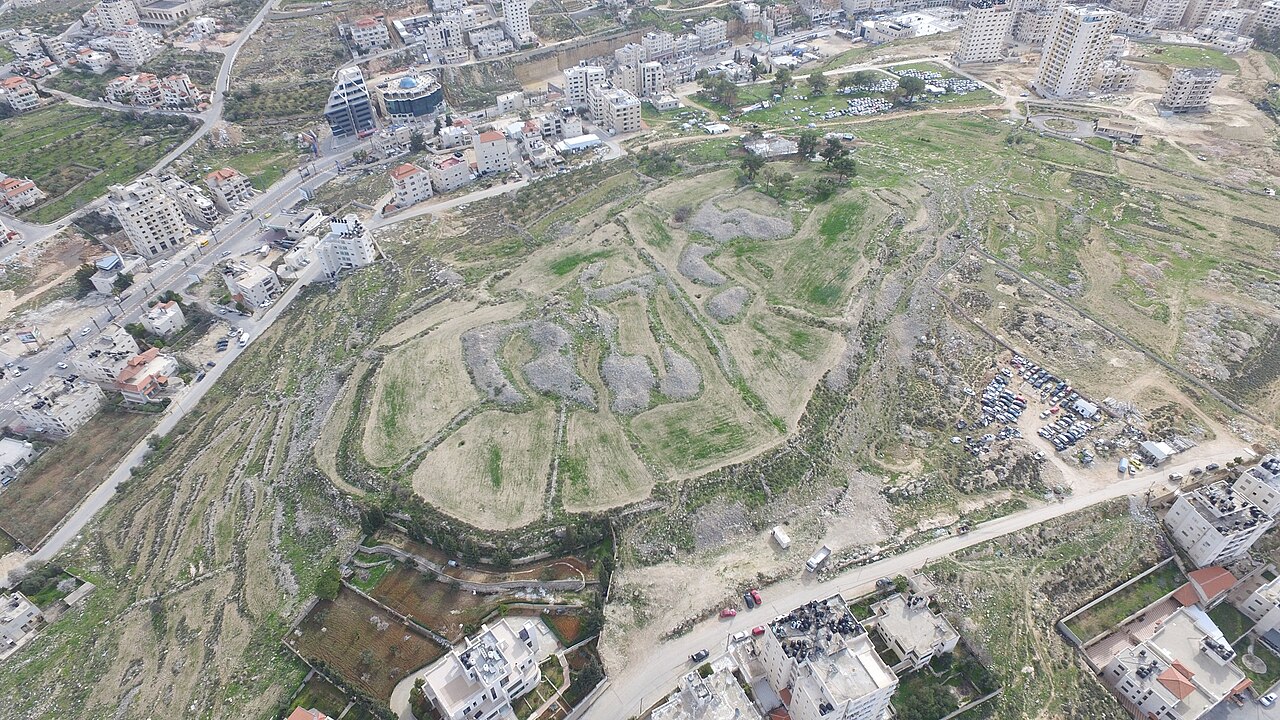
Масфа, наричана също Мицпе, е град в племенната територия на Вениамин, близо до границата с Ефрем. Тя била важен религиозен и политически център през периода на съдиите и ранната монархия.
По времето на съдиите израилтяните се събрали в Масфа, за да се справят с кризата, свързана с Вениаминовото племе и наложницата в Гавая (Съд 20:1, 3; 21:1, 5, 8). По-късно пророк Самуил свикал народа в Масфа за молитва, покаяние и избавление от филистимците (1 Цар 7:5-7, 11-12, 16). Самуил събрал израилтяните в Масфа и за да постави Саул за техен пръв цар (1 Цар 10:17).
Рама, а не Масфа, била родният град и мястото на погребението на Самуил (1 Цар 1:19; 2:11; 7:17; 8:4; 15:34; 16:13; 19:18-23; 20:1; 25:1; 28:3). Йосиф, богатият ученик, който предоставил гробницата за погребението на Исус, бил от Ариматея (Мат 27:57; Марк 15:43; Лук 23:50-51; Йоан 19:38); тези евангелски пасажи не отъждествяват Ариматея с Масфа.
По времето на разделената монархия юдейският цар Аса укрепил Масфа с материали от разрушените укрепления на Рама (3 Цар 15:22; 2 Лет 16:6). След разрушаването на Йерусалим от вавилонците Масфа служила като административен център за остатъка на Юда под управлението на Годолия (4 Цар 25:23, 25; Ер 40:6, 8, 10, 12-13, 15; 41:1, 3, 6, 10, 14, 16).
Покажи английския оригинал
Mizpah, also known as Mizpeh, was a city located in the tribal territory of Benjamin, near the border with Ephraim. It was an important religious and political center during the period of the judges and the early monarchy.
During the time of the judges, the Israelites gathered at Mizpah to address the crisis involving the tribe of Benjamin and the concubine at Gibeah (Judges 20:1, 3; 21:1, 5, 8). Later, the prophet Samuel summoned the people to Mizpah for prayer, repentance, and deliverance from the Philistines (1Sa.7.5-7, 11-12, 16). Samuel also gathered the Israelites at Mizpah to appoint Saul as their first king (1Sa.10.17).
Ramah, rather than Mizpah, was the hometown and burial place of Samuel (1Sa.1.19; 2:11; 7:17; 8:4; 15:34; 16:13; 19:18-23; 20:1; 25:1; 28:3). Joseph, the wealthy disciple who provided the tomb for Jesus' burial, came from Arimathea (Matthew 27:57; Mrk.15.43; Luke 23:50-51; Jhn.19.38); these Gospel passages do not identify Arimathea with Mizpah.
During the divided monarchy, King Asa of Judah fortified Mizpah using materials from the dismantled fortifications of Ramah (1Ki.15.22; 2Ch.16.6). After the Babylonian destruction of Jerusalem, Mizpah served as the administrative center for the remnant of Judah under Gedaliah (2Ki.25.23, 25; Jeremiah 40:6, 8, 10, 12-13, 15; 41:1, 3, 6, 10, 14, 16).