Mesopotamia
Mesopotamia is first named when Abraham's servant sets out with ten camels for the city of Nahor: he “went to Mesopotamia, unto the city of Nahor” (BG1940 „отиде в Месопотамия, в Нахоровия град“). Ellen G. White, Patriarchs and Prophets, chapter 15, paragraph 5, says of the search for a wife for Isaac: “The patriarch’s thoughts turned to his father’s kindred in the land of Mesopotamia. Though not free from idolatry, they cherished the knowledge and the worship of the true God.” Gen 24:10.
The law that keeps the Ammonite and the Moabite out of the congregation of the LORD gives as one reason that they hired Balaam the son of Beor “of Pethor of Mesopotamia” to curse the people; BG1940 has „от Фатур месопотамски“, from Mesopotamian Pethor. Deut 23:3-4.
In the time of the judges Israel was sold into the hand of Chushan-rishathaim, whom KJV twice calls “king of Mesopotamia” and BG1940 „месопотамския цар“, until the LORD delivered him into the hand of Othniel. Judg 3:8; Judg 3:10.
When Hanun and the children of Ammon saw that they had made themselves odious to David, they sent a thousand talents of silver to hire chariots and horsemen “out of Mesopotamia, and out of Syria-maachah, and out of Zobah”, in the war that followed the humiliation of David's envoys; the other two lands are Syria-maachah and Zobah. Ellen G. White, Patriarchs and Prophets, chapter 70, paragraph 48, quotes 1 Chronicles 19:6-7 in the KJV wording, after noting that “the insult offered to Israel would surely be avenged”. 1 Chr 19:6-7.
In the New Testament “the dwellers in Mesopotamia” are among the hearers at Jerusalem when the Holy Spirit comes, named after the Parthians, Medes and Elamites. In Stephen's address to the council Stephen says that God appeared to Abraham “when he was in Mesopotamia, before he dwelt in Charran”, that is, Haran (BG1940 „преди да се засели в Харан“). Acts 2:9; Acts 7:2.
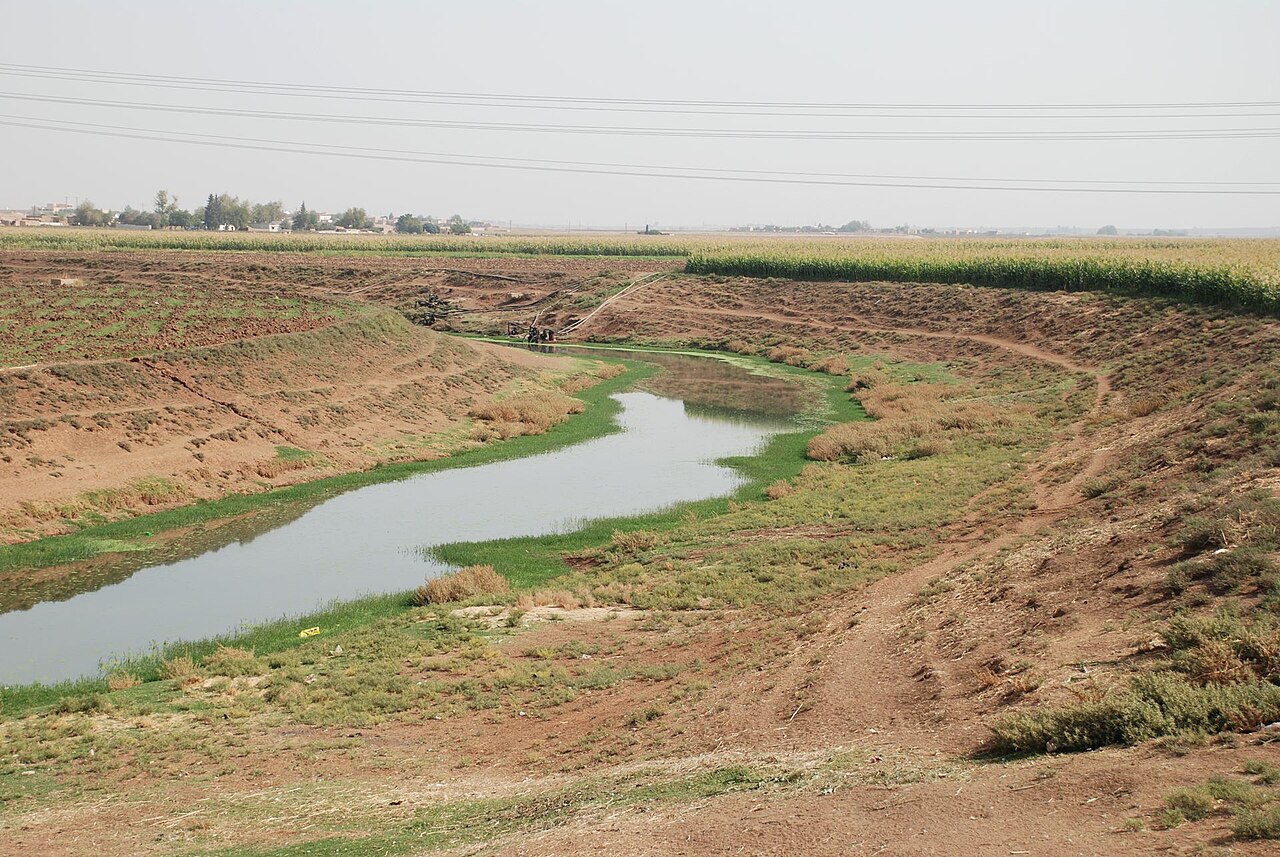
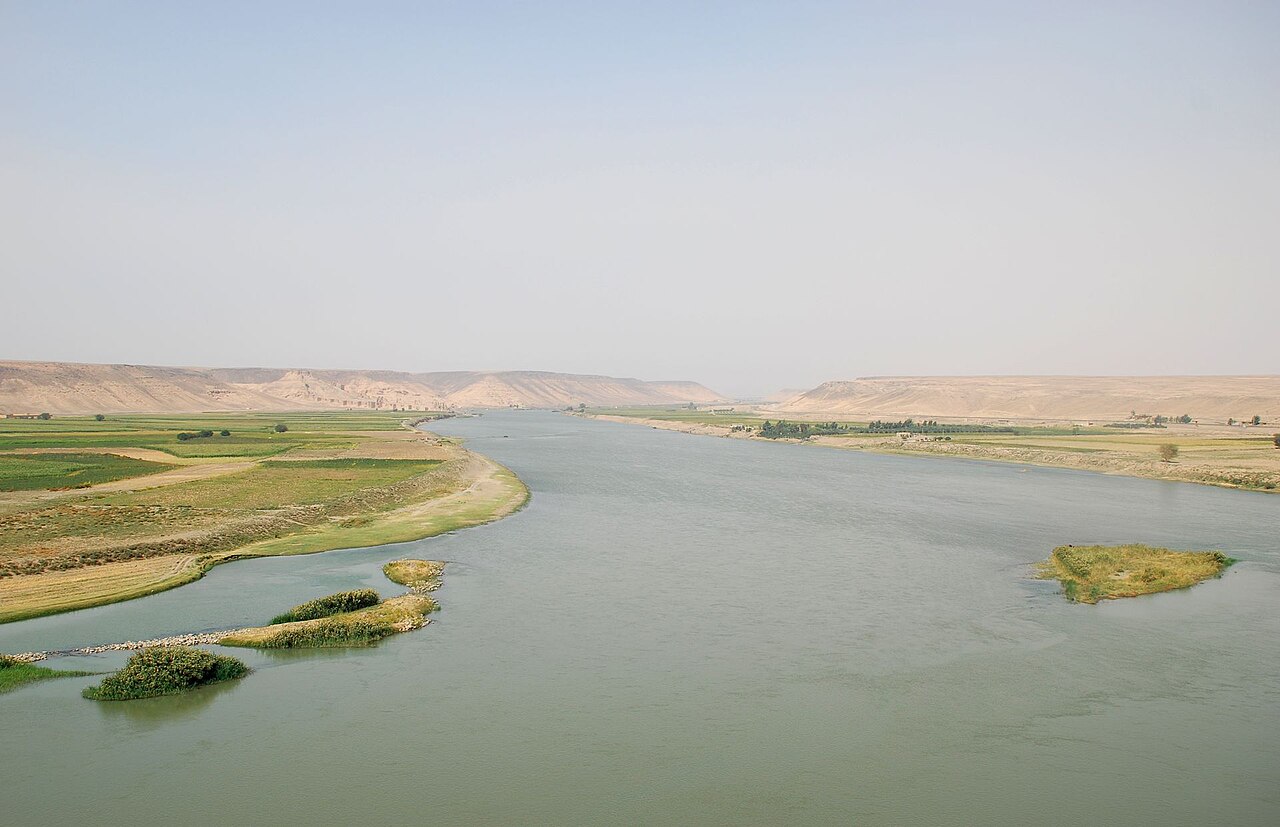
Easton explains the name by the Hebrew Aram-naharaim, “Syria of the two rivers”, the name the Greeks and Romans gave to the region between the Euphrates and the Tigris; he describes its petty tribes, each under its own prince, as warlike users of chariots who kept their independence until after David's time. Smith notes that the Arabian geographers call it “the Island”, and that in Scripture Mesopotamia in the strict sense is the north-western part, between the great bend of the Euphrates and the upper Tigris; for him the oppression in Judges 3 is the only time it appears as the seat of a powerful monarchy. Judg 3:8; 1 Chr 19:6.