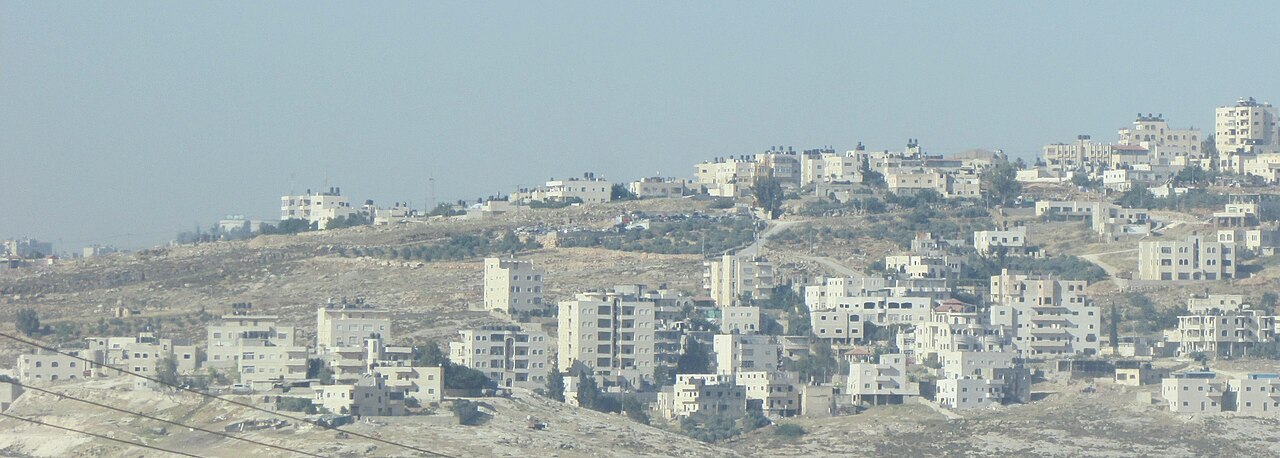
Geba
Geba is a town of Benjamin. The list of Benjamin’s cities spells it Gaba (BG1940: Гава) and names it after Chephar-haammonai and Ophni; with Gibeon it is among the cities given with their suburbs out of Benjamin to the children of Aaron, the priests, and Chronicles repeats it beside Alemeth and Anathoth. Josh 18:24; Josh 21:17; Josh 21:19; 1 Chr 6:60.
Under Saul the Philistines hold a garrison in Geba. Jonathan smites it, Saul has the trumpet blown throughout the land, and all Israel hears that Israel is now had in abomination with the Philistines. Ellen G. White in Patriarchs and Prophets, chapter 60 calls this “the first blow” against the Philistines and later places Saul’s six hundred men at “the fortress at Geba, lately taken from the Philistines,” on the south side of the gorge opposite Michmash. 1 Sam 13:3-4.
Two further verses of the record read Gibeah in KJV and Гавая in BG1940: Saul and Jonathan stay in “Gibeah of Benjamin” while the Philistines camp in Michmash, and one of the two crags of the pass stands southward over against “Gibeah”. Easton takes both as Geba, “wrongly ‘Gibeah’ in the A.V.”, and Smith describes Geba on the edge of the great Wady Suweinit, looking north to Michmash; the record follows that reading. 1 Sam 13:16; 1 Sam 14:5.
King Asa of Judah carries away the stones and timber of Ramah, with which Baasha had been building Ramah, and builds with them Geba of Benjamin and Mizpah. In Josiah’s reform the high places are defiled “from Geba to Beer-sheba” (BG1940: от Гева до Вирсавее); Easton reads the phrase as the whole extent of the kingdom of Judah. 1 Kgs 15:22; 2 Chr 16:6; 2 Kgs 23:8.
Chronicles names sons of Ehud as heads of the fathers of the inhabitants of Geba who were removed to Manahath. After the exile six hundred twenty-one men of Ramah and Geba are counted (Ezra spells the name Gaba, BG1940 there Гавая), in Neh 11:31 the Benjamites spread from Geba onward to Michmash, Aija and Beth-el, and the singers have villages in the fields of Geba and Azmaveth. 1 Chr 8:6; Ezra 2:26; Neh 7:30; Neh 11:31; Neh 12:29.
In the prophecy of Isaiah the invader’s march reaches Geba, where “they have taken up their lodging”, while Ramah is afraid and Gibeah of Saul flees. Zechariah foresees all the land turned as a plain “from Geba to Rimmon south of Jerusalem”; BG1940 reads Газа there. Isa 10:29; Zech 14:10.