Докладвай неточност

Симон Петър

Личност Отвори в дървото

Петър, брат на Андрей (Мат 4:18) машинен превод

Родословна линия: Йона › Симон Петър

Имена
  • bg Симон Петър
  • en Simon Peter
  • en Simon
    that hears; that obeys
  • en Peter
  • en Simon · Наричан още
    that hears; that obeys
  • en Cephas · Наричан още
    a rock or stone
  • en Simeon · Наричан още
    that hears or obeys; that is heard
  • en Peter · Наричан още · H3710 G4074 · MAT 4:18
    rock
  • en Simon Peter · Наричан още · H8095, H3710 G4613,G4074 · MAT 16:16
    he has heard or obedient one, rock
  • en Simon Barjona · Наричан още · H8095, H1247, H3124 G4613, G920 · MAT 16:17
    he has heard or obedient one, son of Jonah
  • en Bar-Jonah · Наричан още
  • en Bar-Jona · Наричан още
  • he שִׁמְעוֹן shimon · H8095 · MAT 4:18
    he has heard or obedient one
  • he כֵּיפָא keyfa · H3710 · MAT 4:18
    rock
  • he שִׁמְעוֹן כֵּיפָא shimon keyfa · H8095, H3710 · MAT 16:16
    he has heard or obedient one, rock
  • he שִׁמְעוֹן בַּר־יוֹנָה shimon bar-yonah · H8095, H1247, H3124 · MAT 16:17
    he has heard or obedient one, son of Jonah
  • el Σίμων Símōn · G4613 · MAT 4:18
  • el Πέτρος Pétros · G4074 · MAT 4:18
    a stone
  • el Σίμων Πέτρος Símōn Pétros · G4613,G4074 · MAT 16:16
  • el Σίμων Βαριωνᾶ Símōn Bariōna͂ · G4613, G920 · MAT 16:17
    Simon son [of] Jonah
  • el Κηφᾶς Kēpha͂s · G2786 · JHN 1:42
    rock
  • el Συμεών Sumeṓn · G4826 · ACT 15:14
  • el Πέτρος · G4074G
  • el Σίμων · G4613O
  • el Συμεών · G4826K
  • el Κηφᾶς · G2786
  • el Βαριωνᾶς · G0920
Споменат в (181)
Мат 4:18 Мат 8:14 Мат 10:2 Мат 14:28 Мат 14:29 Мат 15:15 Мат 16:16 Мат 16:17 Мат 16:18 Мат 16:22 Мат 16:23 Мат 17:1 Мат 17:4 Мат 17:24 Мат 17:25 Мат 17:26 Мат 18:21 Мат 19:27 Мат 26:33 Мат 26:35 Мат 26:37 Мат 26:40 Мат 26:58 Мат 26:69 Мат 26:73 Мат 26:75 Марк 1:16 Марк 1:29 Марк 1:30 Марк 1:36 Марк 3:16 Марк 5:37 Марк 8:29 Марк 8:32 Марк 8:33 Марк 9:2 Марк 9:5 Марк 10:28 Марк 11:21 Марк 13:3 Марк 14:29 Марк 14:31 Марк 14:33 Марк 14:37 Марк 14:54 Марк 14:66 Марк 14:67 Марк 14:70 Марк 14:72 Марк 16:6 Марк 16:7 Лук 4:38 Лук 5:3 Лук 5:4 Лук 5:5 Лук 5:8 Лук 5:10 Лук 6:14 Лук 8:45 Лук 8:51 Лук 9:20 Лук 9:28 Лук 9:32 Лук 9:33 Лук 12:41 Лук 18:28 Лук 22:8 Лук 22:31 Лук 22:34 Лук 22:54 Лук 22:55 Лук 22:58 Лук 22:60 Лук 22:61 Лук 22:62 Лук 24:12 Лук 24:34 Йоан 1:40 Йоан 1:41 Йоан 1:42 Йоан 1:44 Йоан 6:8 Йоан 6:68 Йоан 13:6 Йоан 13:8 Йоан 13:9 Йоан 13:24 Йоан 13:36 Йоан 13:37 Йоан 18:10 Йоан 18:11 Йоан 18:15 Йоан 18:16 Йоан 18:17 Йоан 18:18 Йоан 18:25 Йоан 18:26 Йоан 18:27 Йоан 20:2 Йоан 20:3 Йоан 20:4 Йоан 20:6 Йоан 21:2 Йоан 21:3 Йоан 21:7 Йоан 21:11 Йоан 21:15 Йоан 21:16 Йоан 21:17 Йоан 21:20 Йоан 21:21 Деян 1:13 Деян 1:15 Деян 2:14 Деян 2:37 Деян 2:38 Деян 3:1 Деян 3:3 Деян 3:4 Деян 3:6 Деян 3:11 Деян 3:12 Деян 4:8 Деян 4:13 Деян 4:19 Деян 5:3 Деян 5:8 Деян 5:9 Деян 5:15 Деян 5:29 Деян 8:14 Деян 8:20 Деян 9:32 Деян 9:34 Деян 9:38 Деян 9:39 Деян 9:40 Деян 9:43 Деян 10:5 Деян 10:9 Деян 10:13 Деян 10:14 Деян 10:17 Деян 10:18 Деян 10:19 Деян 10:21 Деян 10:23 Деян 10:25 Деян 10:26 Деян 10:32 Деян 10:34 Деян 10:44 Деян 10:45 Деян 10:46 Деян 11:2 Деян 11:4 Деян 11:7 Деян 11:13 Деян 12:3 Деян 12:5 Деян 12:6 Деян 12:7 Деян 12:11 Деян 12:13 Деян 12:14 Деян 12:16 Деян 12:18 Деян 15:7 Деян 15:14 1 Кор 1:12 1 Кор 3:22 1 Кор 9:5 1 Кор 15:5 Гал 1:18 Гал 2:7 Гал 2:8 Гал 2:9 Гал 2:11 Гал 2:14 1 Пет 1:1 2 Пет 1:1

Книги на ЦАСД (170)

Изчаква разрешение за публикуване
Свързано чрез цитиран библейски стих
  • Великата Борба
    Ellen Gould White · BG · 2 свързани абзаци
  • Великата Борба Между Христа И Сатана
    Ellen Gould White · BG · 1 свързани абзаци
  • Възпитание
    Ellen Gould White · BG · 1 свързани абзаци
  • Деянията на апостолите
    Ellen Gould White · BG · 14 свързани абзаци
  • Желанието На Вековете
    Ellen Gould White · BG · 25 свързани абзаци
  • Мисли От Планината На Благословението
    Ellen Gould White · BG · 2 свързани абзаци
  • По Стъпките На Великия Лекар
    Ellen Gould White · BG · 2 свързани абзаци
  • Поглед Нагоре
    Ellen Gould White · BG · 3 свързани абзаци
  • Притчи Христови
    Ellen Gould White · BG · 7 свързани абзаци
  • Пророци И Царе
    Ellen Gould White · BG · 3 свързани абзаци
  • Пътят Към Христос
    Ellen Gould White · BG · 2 свързани абзаци
  • A Call To Stand Apart
    Ellen Gould White · EN · 3 свързани абзаци
  • A Call to Stand Apart
    Ellen Gould White · EN · 1 свързани абзаци
  • A Solemn Appeal
    Ellen Gould White · EN · 1 свързани абзаци
  • Christ Triumphant
    Ellen Gould White · EN · 4 свързани абзаци
  • Christ’s Object Lessons
    Ellen Gould White · EN · 6 свързани абзаци
  • Conflict and Courage
    Ellen Gould White · EN · 32 свързани абзаци
  • Counsels for the Church
    Ellen Gould White · EN · 1 свързани абзаци
  • Counsels on Health
    Ellen Gould White · EN · 1 свързани абзаци
  • Counsels to Parents, Teachers, and Students
    Ellen Gould White · EN · 1 свързани абзаци
  • Counsels to Writers and Editors
    Ellen Gould White · EN · 1 свързани абзаци
  • Daughters of God
    Ellen Gould White · EN · 3 свързани абзаци
  • EGW SDA Bible Commentary, vol. 3
    Ellen Gould White · EN · 2 свързани абзаци
  • EGW SDA Bible Commentary, vol. 5
    Ellen Gould White · EN · 293 свързани абзаци
  • EGW SDA Bible Commentary, vol. 6
    Ellen Gould White · EN · 172 свързани абзаци
  • EGW SDA Bible Commentary, vol. 7
    Ellen Gould White · EN · 54 свързани абзаци
  • Early Writings
    Ellen Gould White · EN · 2 свързани абзаци
  • Education
    Ellen Gould White · EN · 5 свързани абзаци
  • Evangelism
    Ellen Gould White · EN · 1 свързани абзаци
  • From Heaven With Love
    Ellen Gould White · EN · 25 свързани абзаци
  • From Here to Forever
    Ellen Gould White · EN · 2 свързани абзаци
  • From Splendor to Shadow
    Ellen Gould White · EN · 2 свързани абзаци
  • From Trials to Triumph
    Ellen Gould White · EN · 16 свързани абзаци
  • From the Heart
    Ellen Gould White · EN · 5 свързани абзаци
  • General Conference Daily Bulletin
    Ellen Gould White · EN · 1 свързани абзаци
  • God’s Amazing Grace
    Ellen Gould White · EN · 3 свързани абзаци
  • Gospel Workers (1892/1893 ed.)
    Ellen Gould White · EN · 2 свързани абзаци
  • Gospel Workers (1915 ed.)
    Ellen Gould White · EN · 6 свързани абзаци
  • Home and Church School Manual
    Ellen Gould White · EN · 1 свързани абзаци
  • Homeward Bound
    Ellen Gould White · EN · 4 свързани абзаци
  • Humble Hero
    Ellen Gould White · EN · 25 свързани абзаци
  • In Heavenly Places
    Ellen Gould White · EN · 3 свързани абзаци
  • Jesus, Name Above All Names
    Ellen Gould White · EN · 9 свързани абзаци
  • Last Day Events
    Ellen Gould White · EN · 1 свързани абзаци
  • Letters and Manuscripts — Volume 1 (1844 - 1868)
    Ellen Gould White · EN · 2 свързани абзаци
  • Letters and Manuscripts — Volume 10 (1895)
    Ellen Gould White · EN · 32 свързани абзаци
  • Letters and Manuscripts — Volume 11 (1896)
    Ellen Gould White · EN · 14 свързани абзаци
  • Letters and Manuscripts — Volume 12 (1897)
    Ellen Gould White · EN · 69 свързани абзаци
  • Letters and Manuscripts — Volume 13 (1898)
    Ellen Gould White · EN · 48 свързани абзаци
  • Letters and Manuscripts — Volume 14 (1899)
    Ellen Gould White · EN · 25 свързани абзаци
  • Letters and Manuscripts — Volume 15 (1900)
    Ellen Gould White · EN · 30 свързани абзаци
  • Letters and Manuscripts — Volume 16 (1901)
    Ellen Gould White · EN · 28 свързани абзаци
  • Letters and Manuscripts — Volume 17 (1902)
    Ellen Gould White · EN · 39 свързани абзаци
  • Letters and Manuscripts — Volume 18 (1903)
    Ellen Gould White · EN · 32 свързани абзаци
  • Letters and Manuscripts — Volume 19 (1904)
    Ellen Gould White · EN · 17 свързани абзаци
  • Letters and Manuscripts — Volume 2 (1869 - 1875)
    Ellen Gould White · EN · 2 свързани абзаци
  • Letters and Manuscripts — Volume 20 (1905)
    Ellen Gould White · EN · 26 свързани абзаци
  • Letters and Manuscripts — Volume 21 (1906)
    Ellen Gould White · EN · 37 свързани абзаци
  • Letters and Manuscripts — Volume 22 (1907)
    Ellen Gould White · EN · 39 свързани абзаци
  • Letters and Manuscripts — Volume 23 (1908)
    Ellen Gould White · EN · 15 свързани абзаци
  • Letters and Manuscripts — Volume 24 (1909)
    Ellen Gould White · EN · 33 свързани абзаци
  • Letters and Manuscripts — Volume 25 (1910 - 1915)
    Ellen Gould White · EN · 35 свързани абзаци
  • Letters and Manuscripts — Volume 3 (1876 - 1882)
    Ellen Gould White · EN · 2 свързани абзаци
  • Letters and Manuscripts — Volume 4 (1883 - 1886)
    Ellen Gould White · EN · 8 свързани абзаци
  • Letters and Manuscripts — Volume 5 (1887-1888)
    Ellen Gould White · EN · 5 свързани абзаци
  • Letters and Manuscripts — Volume 6 (1889-1890)
    Ellen Gould White · EN · 16 свързани абзаци
  • Letters and Manuscripts — Volume 7 (1891-1892)
    Ellen Gould White · EN · 23 свързани абзаци
  • Letters and Manuscripts — Volume 8 (1893)
    Ellen Gould White · EN · 31 свързани абзаци
  • Letters and Manuscripts — Volume 9 (1894)
    Ellen Gould White · EN · 21 свързани абзаци
  • Life Sketches of Ellen G. White
    Ellen Gould White · EN · 1 свързани абзаци
  • Lift Him Up
    Ellen Gould White · EN · 7 свързани абзаци
  • Loma Linda Messages
    Ellen Gould White · EN · 1 свързани абзаци
  • Love Under Fire
    Ellen Gould White · EN · 2 свързани абзаци
  • Manuscript File Index
    Ellen Gould White · EN · 14 свързани абзаци
  • Manuscript Release No 1033
    Ellen Gould White · EN · 3 свързани абзаци
  • Manuscript Release No. 728
    Ellen Gould White · EN · 1 свързани абзаци
  • Manuscript Releases, vol. 1 [Nos. 19-96]
    Ellen Gould White · EN · 2 свързани абзаци
  • Manuscript Releases, vol. 10 [Nos. 771-850]
    Ellen Gould White · EN · 1 свързани абзаци
  • Manuscript Releases, vol. 11 [Nos. 851-920]
    Ellen Gould White · EN · 1 свързани абзаци
  • Manuscript Releases, vol. 12 [Nos. 921-999]
    Ellen Gould White · EN · 5 свързани абзаци
  • Manuscript Releases, vol. 13 [Nos. 1000-1080]
    Ellen Gould White · EN · 4 свързани абзаци
  • Manuscript Releases, vol. 14 [Nos. 1081-1135]
    Ellen Gould White · EN · 3 свързани абзаци
  • Manuscript Releases, vol. 15 [Nos. 1136-1185]
    Ellen Gould White · EN · 1 свързани абзаци
  • Manuscript Releases, vol. 16 [Nos. 1186-1235]
    Ellen Gould White · EN · 3 свързани абзаци
  • Manuscript Releases, vol. 18 [Nos. 1301-1359]
    Ellen Gould White · EN · 1 свързани абзаци
  • Manuscript Releases, vol. 19 [Nos. 1360-1419]
    Ellen Gould White · EN · 6 свързани абзаци
  • Manuscript Releases, vol. 2 [Nos. 97-161]
    Ellen Gould White · EN · 1 свързани абзаци
  • Manuscript Releases, vol. 20 [Nos. 1420-1500]
    Ellen Gould White · EN · 2 свързани абзаци
  • Manuscript Releases, vol. 21 [Nos. 1501-1598]
    Ellen Gould White · EN · 7 свързани абзаци
  • Manuscript Releases, vol. 3 [Nos. 162-209]
    Ellen Gould White · EN · 1 свързани абзаци
  • Manuscript Releases, vol. 4 [Nos. 210-259]
    Ellen Gould White · EN · 1 свързани абзаци
  • Manuscript Releases, vol. 5 [Nos. 260-346]
    Ellen Gould White · EN · 4 свързани абзаци
  • Manuscript Releases, vol. 7 [Nos. 419-525]
    Ellen Gould White · EN · 2 свързани абзаци
  • Manuscript Releases, vol. 8 [Nos. 526-663]
    Ellen Gould White · EN · 2 свързани абзаци
  • Manuscript Releases, vol. 9 [Nos. 664-770]
    Ellen Gould White · EN · 3 свързани абзаци
  • Maranatha
    Ellen Gould White · EN · 2 свързани абзаци
  • Ministry to the Cities
    Ellen Gould White · EN · 1 свързани абзаци
  • My Life Today
    Ellen Gould White · EN · 1 свързани абзаци
  • Notebook Leaflets from the Elmshaven Library, vol. 1
    Ellen Gould White · EN · 2 свързани абзаци
  • Our Father Cares
    Ellen Gould White · EN · 2 свързани абзаци
  • Our High Calling
    Ellen Gould White · EN · 6 свързани абзаци
  • Patriarchs and Prophets
    Ellen Gould White · EN · 1 свързани абзаци
  • Peter’s Counsel to Parents
    Ellen Gould White · EN · 11 свързани абзаци
  • Prayer
    Ellen Gould White · EN · 3 свързани абзаци
  • Prophets and Kings
    Ellen Gould White · EN · 3 свързани абзаци
  • Radiant Religion
    Ellen Gould White · EN · 1 свързани абзаци
  • Reflecting Christ
    Ellen Gould White · EN · 6 свързани абзаци
  • Royalty and Ruin
    Ellen Gould White · EN · 2 свързани абзаци
  • SDA Bible Commentary, vol. 1 1SDABC
    Francis Nichol-GCSDA · EN · 23 библиографски препратки от официалния индекс
  • SDA Bible Commentary, vol. 2 2SDABC
    Francis Nichol-GCSDA · EN · 8 библиографски препратки от официалния индекс
  • SDA Bible Commentary, vol. 3 3SDABC
    Francis Nichol-GCSDA · EN · 31 библиографски препратки от официалния индекс
  • SDA Bible Commentary, vol. 4 4SDABC
    Francis Nichol-GCSDA · EN · 27 библиографски препратки от официалния индекс
  • SDA Bible Commentary, vol. 5 5SDABC
    Francis Nichol-GCSDA · EN · 1352 библиографски препратки от официалния индекс
  • SDA Bible Commentary, vol. 6 6SDABC
    Francis Nichol-GCSDA · EN · 1093 библиографски препратки от официалния индекс
  • SDA Bible Commentary, vol. 7 7SDABC
    Francis Nichol-GCSDA · EN · 96 библиографски препратки от официалния индекс
  • Selected Messages Book 1
    Ellen Gould White · EN · 1 свързани абзаци
  • Selected Messages Book 2
    Ellen Gould White · EN · 4 свързани абзаци
  • Selected Messages Book 3
    Ellen Gould White · EN · 2 свързани абзаци
  • Selections from the Testimonies for the Church For the Study of Those Attending the General Conference in Oakland, Ca., March 27, 1903
    Ellen Gould White · EN · 1 свързани абзаци
  • Sermons and Talks, vol. 1
    Ellen Gould White · EN · 1 свързани абзаци
  • Sermons and Talks, vol. 2
    Ellen Gould White · EN · 3 свързани абзаци
  • Sketches from the Life of Paul
    Ellen Gould White · EN · 2 свързани абзаци
  • Sons and Daughters of God
    Ellen Gould White · EN · 2 свързани абзаци
  • Special Testimony to Battle Creek Church
    Ellen Gould White · EN · 1 свързани абзаци
  • Spiritual Gifts, vol. 2
    Ellen Gould White · EN · 1 свързани абзаци
  • Spiritual Gifts, vol. 3
    Ellen Gould White · EN · 1 свързани абзаци
  • Spiritual Gifts, vol. 4b
    Ellen Gould White · EN · 1 свързани абзаци
  • Steps to Christ
    Ellen Gould White · EN · 2 свързани абзаци
  • Steps to Jesus
    Ellen Gould White · EN · 2 свързани абзаци
  • Story of Hope
    Ellen Gould White · EN · 4 свързани абзаци
  • Story of Redemption
    Ellen Gould White · EN · 17 свързани абзаци
  • Testimonies for the Church, vol. 6
    Ellen Gould White · EN · 2 свързани абзаци
  • Testimonies for the Church, vol. 8
    Ellen Gould White · EN · 2 свързани абзаци
  • Testimonies on Sexual Behavior, Adultery, and Divorce
    Ellen Gould White · EN · 1 свързани абзаци
  • Testimony Treasures, vol. 1
    Ellen Gould White · EN · 3 свързани абзаци
  • Testimony Treasures, vol. 2
    Ellen Gould White · EN · 3 свързани абзаци
  • Testimony Treasures, vol. 3
    Ellen Gould White · EN · 1 свързани абзаци
  • Testimony for the Church — No. 25a
    Ellen Gould White · EN · 1 свързани абзаци
  • That I May Know Him
    Ellen Gould White · EN · 5 свързани абзаци
  • The Acts of the Apostles
    Ellen Gould White · EN · 17 свързани абзаци
  • The Desire of Ages
    Ellen Gould White · EN · 31 свързани абзаци
  • The Ellen G. White 1888 Materials
    Ellen Gould White · EN · 5 свързани абзаци
  • The Ellen G. White Letters and Manuscripts: Volume 1
    Ellen Gould White · EN · 5 свързани абзаци
  • The Faith I Live By
    Ellen Gould White · EN · 5 свързани абзаци
  • The General Conference Bulletin
    Ellen Gould White · EN · 1 свързани абзаци
  • The Gospel Herald
    Ellen Gould White · EN · 1 свързани абзаци
  • The Gospel Herald
    Ellen Gould White · EN · 1 свързани абзаци
  • The Great Controversy
    Ellen Gould White · EN · 3 свързани абзаци
  • The Great Controversy (1888 ed.)
    Ellen Gould White · EN · 2 свързани абзаци
  • The Hero
    Ellen Gould White · EN · 25 свързани абзаци
  • The Kress Collection
    Ellen Gould White · EN · 2 свързани абзаци
  • The Ministry of Healing
    Ellen Gould White · EN · 2 свързани абзаци
  • The Ministry of Health and Healing
    Ellen Gould White · EN · 2 свързани абзаци
  • The Mission
    Ellen Gould White · EN · 16 свързани абзаци
  • The Promise
    Ellen Gould White · EN · 2 свързани абзаци
  • The Publishing Ministry
    Ellen Gould White · EN · 1 свързани абзаци
  • The Remnant Church; Its Organization, Authority, Unity, and Triumph
    Ellen Gould White · EN · 1 свързани абзаци
  • The Review and Herald
    Ellen Gould White · EN · 6 свързани абзаци
  • The Southern Missionary
    Ellen Gould White · EN · 1 свързани абзаци
  • The Spirit of Prophecy, vol. 4
    Ellen Gould White · EN · 1 свързани абзаци
  • The Story of Jesus
    Ellen Gould White · EN · 4 свързани абзаци
  • The Story of Redemption
    Ellen Gould White · EN · 8 свързани абзаци
  • The Upward Look
    Ellen Gould White · EN · 6 свързани абзаци
  • The Victory
    Ellen Gould White · EN · 2 свързани абзаци
  • This Day With God
    Ellen Gould White · EN · 11 свързани абзаци
  • Thoughts From the Mount of Blessing
    Ellen Gould White · EN · 2 свързани абзаци
  • To Be Like Jesus
    Ellen Gould White · EN · 3 свързани абзаци
  • True Education
    Ellen Gould White · EN · 5 свързани абзаци
  • Unlikely Leaders
    Ellen Gould White · EN · 16 свързани абзаци
  • Ye Shall Receive Power
    Ellen Gould White · EN · 8 свързани абзаци
Родно семейство
участвал в (34)
ученик на (1)
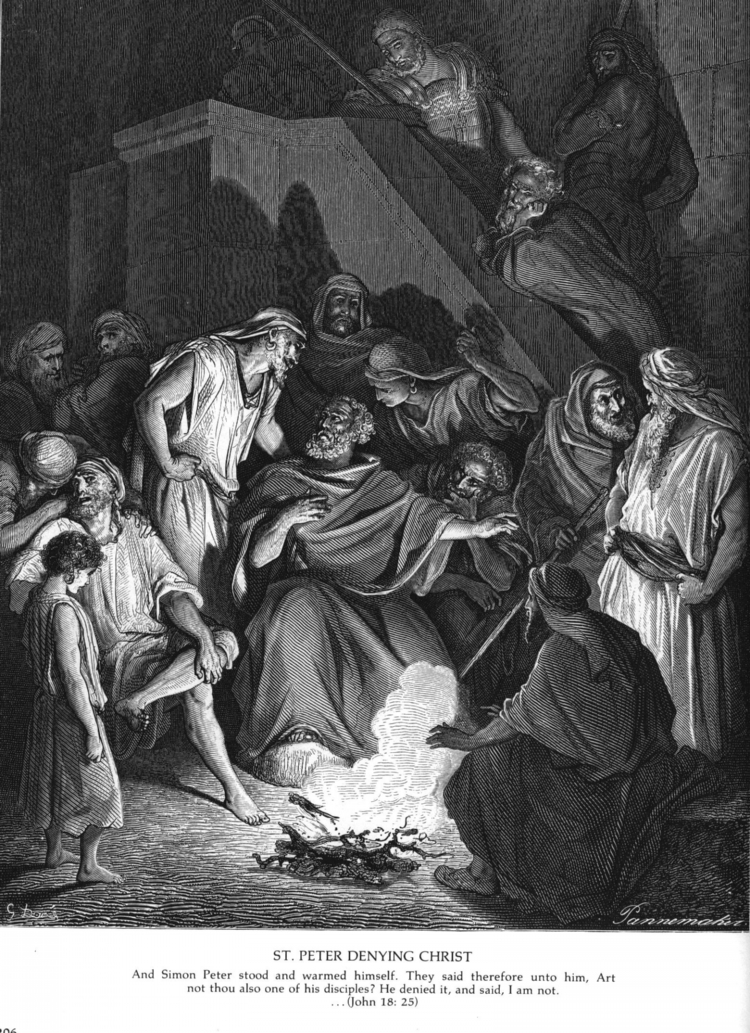
Петър се отрича от Исус.
Петър се отрича от Исус. · File:Gustave Doré, St Peter Denying Christ.jpg · Public domain · Официален източник · Надпис с помощта на AI
Петър се отрича от Исус.
Петър се отрича от Исус. · Gustave Doré · Public domain · Официален източник · Надпис с помощта на AI
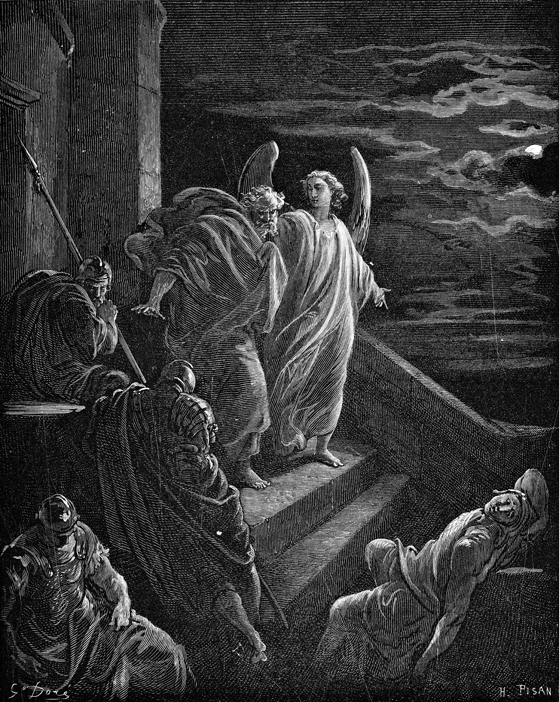
Ангел освобождава Петър от затвора.
Ангел освобождава Петър от затвора. · Gustave Doré · Public domain · Официален източник · Надпис с помощта на AI
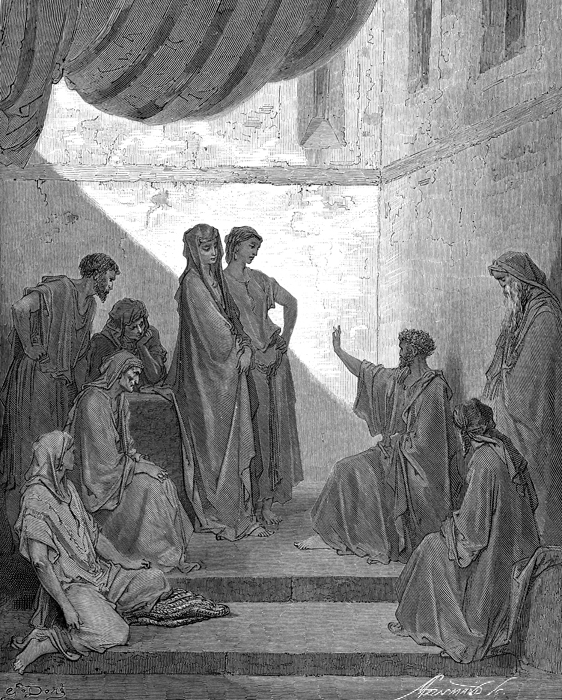
Петър в дома на Корнилий — Деяния 10.
Петър в дома на Корнилий — Деяния 10. · Gustave Doré · Public domain · Официален източник · Надпис с помощта на AI
Симон Петър Резюме машинен превод STEPBible TIPNR

Петър, известен също като Симон, Кифа или Симон Бар-Йона, е един от дванадесетте апостоли на Исус и виден водач в ранната християнска църква.

Покажи английския оригинал

Peter, also known as Simon, Cephas, or Simon Bar-Jonah, was one of the twelve apostles of Jesus and a prominent leader in the early Christian church.

Петър Статия машинен превод STEPBible TIPNR

Петър, чието първоначално име било Симон, бил един от дванадесетте апостоли на Исус Христос и изиграл решаваща роля в ранната християнска църква. Той бил син на Йона (или Йоан) и брат на Андрей, който го довел при Исус (Йоан 1:40-42). Исус му дал името Кифа (на арамейски) или Петър (на гръцки), което означава „скала“ (Йоан 1:42, Мат 16:18).

Петър бил рибар от Витсаида в Галилея (Йоан 1:44) и бил женен (Мат 8:14; 1 Кор 9:5). Той станал един от най-близките ученици на Исус, известен със смелата си вяра и водаческите си качества. Принадлежал към най-тесния кръг на Исус и станал свидетел на ключови събития като Преображението (Мат 17:1-9) и молитвата на Исус в Гетсимания (Марк 14:32-42).

Въпреки своята преданост Петър три пъти отрекъл, че познава Исус, по време на съда срещу Него (Лук 22:54-62). След възкресението на Исус Петър бил възстановен и получил поръчение да ръководи църквата (Йоан 21:15-19). В деня на Петдесетница Петър проповядвал с голяма сила и около 3000 души били кръстени (Деян 2:14-41).

Петър имал съществен принос за разпространението на благовестието както сред юдеите, така и сред езичниците. Той вършел чудеса (Деян 3:1-10; 9:32-43) и защитавал приемането на езичниците в църквата (Деян 10-11; Деян 15:7-11). Написал две послания, 1 Пет и 2 Пет, за да насърчава и наставлява вярващите, които били подложени на гонения.

Според преданието Петър загинал мъченически в Рим по време на управлението на Нерон, като по собствено желание бил разпънат с главата надолу, тъй като се смятал за недостоен да умре по същия начин като Исус.

Покажи английския оригинал

Peter, originally named Simon, was one of the twelve apostles of Jesus Christ and played a crucial role in the early Christian church. He was the son of Jonah (or John) and the brother of Andrew, who introduced him to Jesus (Jhn 1:40-42). Jesus gave him the name Cephas (Aramaic) or Peter (Greek), which means "rock" (Jhn 1:42, Mat 16:18).

Peter was a fisherman from Bethsaida in Galilee (Jhn 1:44) and was married (Mat 8:14; 1Co 9:5). He became one of Jesus' closest disciples, known for his bold faith and leadership. He was part of Jesus' inner circle, witnessing key events such as the Transfiguration (Mat 17:1-9) and Jesus' prayer in Gethsemane (Mrk 14:32-42).

Despite his devotion, Peter denied knowing Jesus three times during Jesus' trial (Luk 22:54-62). After Jesus' resurrection, Peter was restored and commissioned to lead the church (Jhn 21:15-19). On the day of Pentecost, Peter preached powerfully, and about 3,000 people were baptized (Act 2:14-41).

Peter was instrumental in spreading the gospel to both Jews and Gentiles. He performed miracles (Act.3.1-10; 9.32-43) and defended the inclusion of Gentiles in the church (Acts 10-11; Act 15:7-11). He wrote two epistles, 1 and 2 Peter, to encourage and instruct believers facing persecution.

Tradition holds that Peter was martyred in Rome during Nero's reign, crucified upside down at his request, as he felt unworthy to die in the same manner as Jesus.

Петър Речник машинен превод Easton's Bible Dictionary (1897)

Първоначално се наричал Симон (=Симеон, т.е. „чуване“) — много разпространено юдейско име в Новия завет. Бил син на Йоан (Мат. 16:17). Името на майка му не се споменава никъде в Писанието. Имал по-малък брат на име Андрей, който пръв го довел при Исус (Йоан 1:40-42). Родният му град бил Витсаида, на западния бряг на Галилейското езеро, откъдето бил и Филип. Тук израснал край бреговете на Галилейското езеро и усвоил рибарския занаят. Баща му вероятно починал, докато той бил още млад, и двамата с брат му били отгледани под грижите на Зеведей и съпругата му Саломия (Мат. 27:56; Марк 15:40; 16:1). Там четиримата младежи — Симон, Андрей, Яков и Йоан — прекарали детството и ранната си младост в постоянно общуване. Симон и брат му несъмнено се радвали на всички предимства на религиозното възпитание и отрано били запознати с Писанията и с великите пророчества за идването на Месията. Вероятно обаче не получили специално обучение в изучаването на закона при някой от равините. Когато Петър се явил пред Синедриона, изглеждал като „неграмотен човек“ (Деян 4:13).

„Симон бил галилеец, и то във всяко отношение... Галилейците имали ясно изразен собствен характер. Те били известни със своята независимост и енергичност, които често преминавали в необузданост. Същевременно били по-откровени и по-прями по нрав от своите събратя на юг. Във всички тези отношения — прямота, поривистост, прибързаност и простодушие — Симон бил истински галилеец. Те говорели на особен диалект. Изпитвали затруднения с гърлените и някои други звукове, а в Юдея произношението им се смятало за грубо. Галилейският акцент останал у Симон през целия му живот. Той го издал като последовател на Христос, когато стоял в съдебната зала (Марк 14:70). Издал и неговата народност, и тази на хората около него в деня на Петдесетница (Деян 2:7).“ Изглежда, че Симон бил женен, преди да стане апостол. Споменава се майката на съпругата му (Мат. 8:14; Марк 1:30; Лук 4:38). По всяка вероятност съпругата му го придружавала в мисионерските му пътувания (1 Кор. 9:5; срв. 1 Пет. 5:13).

Изглежда, че живеел в Капернаум, когато Христос започнал общественото Си служение, и може би вече бил над тридесетгодишен. Къщата му била достатъчно голяма, за да приюти брат му Андрей, майката на съпругата му, а също и Христос, Който изглежда живеел при него (Марк 1:29, 36; 2:1), както и собственото му семейство. Очевидно била на два етажа (2:4).

В Бет-Бара (R.V., Йоан 1:28, „Витания“), отвъд Йордан, Йоан Кръстител свидетелствал за Исус като за „Божия Агнец“ (Йоан 1:29-36). Като чули това, Андрей и Йоан последвали Исус и останали при Него там, където пребивавал. Неговите благодатни думи и властта, с която говорел, ги убедили, че Той е Месията (Лук 4:22; Мат. 7:29); Андрей отишъл, намерил Симон и го довел при Исус (Йоан 1:41).

Исус веднага разпознал Симон и заявил, че занапред ще се нарича Кифа — арамейско име, съответстващо на гръцкото Petros, което означава „скална маса, отделена от основната скала“. Арамейското име не се среща отново, но името Петър постепенно измества старото име Симон, макар Сам нашият Господ винаги да използва името Симон, когато се обръща към него (Мат. 17:25; Марк 14:37; Лук 22:31, срв. 21:15-17). Не ни е казано какво впечатление оставила първата среща с Исус в съзнанието на Симон. Когато отново го срещаме, той е край Галилейското езеро (Мат. 4:18-22). Там четиримата (Симон и Андрей, Яков и Йоан) прекарали нощта в безуспешен риболов. Исус се появил внезапно и, като влязъл в лодката на Симон, му наредил да отплава навътре и да спусне мрежите. Той направил това и уловил голямо множество риби. Това несъмнено било чудо, извършено пред очите на Симон. Обзет от благоговеен страх, ученикът паднал в нозете на Исус и възкликнал: „Иди си от мене, Господи, защото съм грешен човек“ (Лук 5:8). Исус се обърнал към него с успокоителните думи „Не бой се“ и му известил делото на живота му. Симон веднага откликнал на призива да стане ученик и оттогава го виждаме постоянно да придружава нашия Господ.

След това той е призован в редиците на апостолите и става „ловец на човеци“ (Мат. 4:19) в бурните морета на човешкия живот (Мат. 10:2-4; Марк 3:13-19; Лук 6:13-16), като участва все по-видно във всички основни събития от живота на нашия Господ. Именно той произнася онова забележително изповядване на вярата в Капернаум (Йоан 6:66-69), а след това и в Кесария Филипова (Мат. 16:13-20; Марк 8:27-30; Лук 9:18-20). Това изповядване в Кесария имало изключително значение и в отговор нашият Господ изрекъл паметните думи: „Ти си Петър и на тази скала ще съградя църквата Си.“

„Оттогава“ Исус започнал да говори за Своите страдания. Заради това Петър Го укорил. Но нашият Господ на Свой ред укорил Петър, като му говорил с по-строги думи, отколкото някога използвал към който и да било друг от учениците Си (Мат. 16:21-23; Марк 8:31-33). В края на краткия Си престой в Кесария нашият Господ взел Петър, Яков и Йоан със Себе Си „на една висока планина, насаме“ и се преобразил пред тях. При този случай, под впечатлението от видяното, Петър възкликнал: „Господи, добре е да бъдем тук; нека направим три шатри“ (Мат. 17:1-9).

Когато се върнал в Капернаум, събирачите на храмовия данък (една дидрахма, половин свещен сикъл), който всеки израилтянин на двадесет и повече години трябвало да плаща (Изх. 30:15), дошли при Петър и му напомнили, че Исус не го е платил (Мат. 17:24-27). Нашият Господ наредил на Петър да отиде, да улови риба в езерото и да вземе от устата ѝ точно необходимата за данъка сума — един статир, или два половин сикъла. „Вземи го — казал нашият Господ — и им го дай за Мене и за тебе.“

Когато краят наближавал, нашият Господ изпратил Петър и Йоан (Лук 22:7-13) в града, за да приготвят място, където да отпразнува празника с учениците Си. Там Петър бил предупреден за страшния грях, в който по-късно изпаднал (22:31-34). Той придружил нашия Господ от гостната стая до Гетсиманската градина (Лук 22:39-46), в която на него и на другите двама свидетели на преображението било позволено да влязат с нашия Господ, докато останалите били оставени отвън. Тук преживял нещо необичайно. Под внезапен порив отсякъл ухото на Малх (47-51), един от хората в дружината, дошла да залови Исус. Следват сцените в съдебната зала (54-61) и горчивата му скръб (62).

В ранното утро на възкресението го виждаме заедно с Йоан. Той смело влязъл в празния гроб (Йоан 20:1-10) и видял „погребалните повивки, положени отделно“ (Лук 24:9-12). На него, пръв сред апостолите, се явил нашият възкръснал Господ, като така му оказал особена чест и показал колко напълно той отново се радвал на Неговото благоволение (Лук 24:34; 1 Кор. 15:5). След това четем за забележителния разговор на нашия Господ с Петър на брега на Галилейското езеро, където Той три пъти го попитал: „Симоне, сине Йоанов, обичаш ли Ме?“ (Йоан 21:1-19).

След тази сцена край езерото не чуваме нищо за Петър, докато той отново не се появява с останалите при възнесението (Деян 1:15-26). Именно той предложил да бъде запълнено мястото, останало празно поради отстъпничеството на Юда. Той заема видно място в деня на Петдесетница (2:14-40). Събитията от този ден „завършили промяната в самия Петър, която болезненият урок от неговото падение и целият продължителен процес на предишното му обучение бавно осъществявали. Сега той вече не е ненадеждният, променлив, самоуверен човек, който непрестанно се люшка между безразсъдна смелост и малодушна плахост, а твърдият, доверен водач и ръководител на общността на вярващите, безстрашният проповедник на Христос в Йерусалим и извън него. И сега, когато наистина е станал Кифа, почти не чуваме името Симон (само в Деян 10:5, 32; 15:14) и окончателно го познаваме като Петър.“

След чудото при храмовата порта (Деян 3) започнало преследване срещу християните и Петър бил хвърлен в затвора. Той смело защитил себе си и своите другари пред съда на съвета (4:19, 20). Нов изблик на насилие срещу християните (5:17-21) довел до хвърлянето на всички апостоли в затвора; през нощта обаче те били избавени по чудесен начин и на сутринта били намерени да поучават в храма. За втори път Петър ги защитил пред съвета (Деян 5:29-32), чиито членове, „като повикали апостолите и ги били, ги пуснали“.

Дошло време Петър да напусне Йерусалим. След като се трудил известно време в Самария, той се върнал в Йерусалим и съобщил на тамошната църква резултатите от своята работа (Деян 8:14-25). Останал там за известно време, през което се срещнал с Павел за първи път след неговото обръщане (9:26-30; Гал. 1:18). Като напуснал отново Йерусалим, предприел мисионерско пътуване до Лида и Йопия (Деян 9:32-43). След това бил призован да отвори вратата на християнската църква за езичниците чрез приемането на Корнилий от Кесария (гл. 10).

След като останал известно време в Кесария, той се върнал в Йерусалим (Деян 11:1-18), където защитил постъпките си по отношение на езичниците. След това чуваме, че бил хвърлен в затвора от Ирод Агрипа (12:1-19); но през нощта ангел Господен отворил затворническите порти и той излязъл и намерил убежище в дома на Мария.

Той участвал в обсъжданията на събора в Йерусалим (Деян 15:1-31; Гал. 2:1-10) относно отношението на езичниците към църквата. Този въпрос предизвикал нов интерес в Антиохия и бил отнесен за решаване до събора на апостолите и старейшините в Йерусалим. Тук Павел и Петър отново се срещнали.

Повече не се споменава за Петър в Деяния на апостолите. Изглежда, че след събора в Йерусалим отишъл в Антиохия и там проявил лицемерие, за което бил строго укорен от Павел (Гал. 2:11-16), който „го изобличил в лицето“.

След това изглежда занесъл благовестието на изток и известно време се трудил във Вавилон, на Ефрат (1 Пет. 5:13). Няма убедителни доказателства, че някога е бил в Рим. Не е известно със сигурност къде и кога е починал. Вероятно е починал между 64 и 67 г. сл. Хр.

Покажи английския оригинал

Originally called Simon (=Simeon, i.e., “hearing”), a very common Jewish name in the New Testament. He was the son of Jona (Matt. 16:17). His mother is nowhere named in Scripture. He had a younger brother called Andrew, who first brought him to Jesus (John 1:40-42). His native town was Bethsaida, on the western coast of the Sea of Galilee, to which also Philip belonged. Here he was brought up by the shores of the Sea of Galilee, and was trained to the occupation of a fisher. His father had probably died while he was still young, and he and his brother were brought up under the care of Zebedee and his wife Salome (Matt. 27:56; Mark 15:40; 16:1). There the four youths, Simon, Andrew, James, and John, spent their boyhood and early manhood in constant fellowship. Simon and his brother doubtless enjoyed all the advantages of a religious training, and were early instructed in an acquaintance with the Scriptures and with the great prophecies regarding the coming of the Messiah. They did not probably enjoy, however, any special training in the study of the law under any of the rabbis. When Peter appeared before the Sanhedrin, he looked like an “unlearned man” (Acts 4:13).

“Simon was a Galilean, and he was that out and out...The Galileans had a marked character of their own. They had a reputation for an independence and energy which often ran out into turbulence. They were at the same time of a franker and more transparent disposition than their brethren in the south. In all these respects, in bluntness, impetuosity, headiness, and simplicity, Simon was a genuine Galilean. They spoke a peculiar dialect. They had a difficulty with the guttural sounds and some others, and their pronunciation was reckoned harsh in Judea. The Galilean accent stuck to Simon all through his career. It betrayed him as a follower of Christ when he stood within the judgment-hall (Mark 14:70). It betrayed his own nationality and that of those conjoined with him on the day of Pentecost (Acts 2:7).” It would seem that Simon was married before he became an apostle. His wife’s mother is referred to (Matt. 8:14; Mark 1:30; Luke 4:38). He was in all probability accompanied by his wife on his missionary journeys (1 Cor. 9:5; comp. 1 Pet. 5:13).

He appears to have been settled at Capernaum when Christ entered on his public ministry, and may have reached beyond the age of thirty. His house was large enough to give a home to his brother Andrew, his wife’s mother, and also to Christ, who seems to have lived with him (Mark 1:29, 36; 2:1), as well as to his own family. It was apparently two stories high (2:4).

At Bethabara (R.V., John 1:28, “Bethany”), beyond Jordan, John the Baptist had borne testimony concerning Jesus as the “Lamb of God” (John 1:29-36). Andrew and John hearing it, followed Jesus, and abode with him where he was. They were convinced, by his gracious words and by the authority with which he spoke, that he was the Messiah (Luke 4:22; Matt. 7:29); and Andrew went forth and found Simon and brought him to Jesus (John 1:41).

Jesus at once recognized Simon, and declared that hereafter he would be called Cephas, an Aramaic name corresponding to the Greek Petros, which means “a mass of rock detached from the living rock.” The Aramaic name does not occur again, but the name Peter gradually displaces the old name Simon, though our Lord himself always uses the name Simon when addressing him (Matt. 17:25; Mark 14:37; Luke 22:31, comp. 21:15-17). We are not told what impression the first interview with Jesus produced on the mind of Simon. When we next meet him it is by the Sea of Galilee (Matt. 4:18-22). There the four (Simon and Andrew, James and John) had had an unsuccessful night’s fishing. Jesus appeared suddenly, and entering into Simon’s boat, bade him launch forth and let down the nets. He did so, and enclosed a great multitude of fishes. This was plainly a miracle wrought before Simon’s eyes. The awe-stricken disciple cast himself at the feet of Jesus, crying, “Depart from me; for I am a sinful man, O Lord” (Luke 5:8). Jesus addressed him with the assuring words, “Fear not,” and announced to him his life’s work. Simon responded at once to the call to become a disciple, and after this we find him in constant attendance on our Lord.

He is next called into the rank of the apostleship, and becomes a “fisher of men” (Matt. 4:19) in the stormy seas of the world of human life (Matt. 10:2-4; Mark 3:13-19; Luke 6:13-16), and takes a more and more prominent part in all the leading events of our Lord’s life. It is he who utters that notable profession of faith at Capernaum (John 6:66-69), and again at Caesarea Philippi (Matt. 16:13-20; Mark 8:27-30; Luke 9:18-20). This profession at Caesarea was one of supreme importance, and our Lord in response used these memorable words: “Thou art Peter, and upon this rock I will build my church.”

“From that time forth” Jesus began to speak of his sufferings. For this Peter rebuked him. But our Lord in return rebuked Peter, speaking to him in sterner words than he ever used to any other of his disciples (Matt. 16:21-23; Mark 8:31-33). At the close of his brief sojourn at Caesarea our Lord took Peter and James and John with him into “an high mountain apart,” and was transfigured before them. Peter on that occasion, under the impression the scene produced on his mind, exclaimed, “Lord, it is good for us to be here: let us make three tabernacles” (Matt. 17:1-9).

On his return to Capernaum the collectors of the temple tax (a didrachma, half a sacred shekel), which every Israelite of twenty years old and upwards had to pay (Ex. 30:15), came to Peter and reminded him that Jesus had not paid it (Matt. 17:24-27). Our Lord instructed Peter to go and catch a fish in the lake and take from its mouth the exact amount needed for the tax, viz., a stater, or two half-shekels. “That take,” said our Lord, “and give unto them for me and thee.”

As the end was drawing nigh, our Lord sent Peter and John (Luke 22:7-13) into the city to prepare a place where he should keep the feast with his disciples. There he was forewarned of the fearful sin into which he afterwards fell (22:31-34). He accompanied our Lord from the guest-chamber to the garden of Gethsemane (Luke 22:39-46), which he and the other two who had been witnesses of the transfiguration were permitted to enter with our Lord, while the rest were left without. Here he passed through a strange experience. Under a sudden impulse he cut off the ear of Malchus (47-51), one of the band that had come forth to take Jesus. Then follow the scenes of the judgment-hall (54-61) and his bitter grief (62).

He is found in John’s company early on the morning of the resurrection. He boldly entered into the empty grave (John 20:1-10), and saw the “linen clothes laid by themselves” (Luke 24:9-12). To him, the first of the apostles, our risen Lord revealed himself, thus conferring on him a signal honour, and showing how fully he was restored to his favour (Luke 24:34; 1 Cor. 15:5). We next read of our Lord’s singular interview with Peter on the shores of the Sea of Galilee, where he thrice asked him, “Simon, son of Jonas, lovest thou me?” (John 21:1-19).

After this scene at the lake we hear nothing of Peter till he again appears with the others at the ascension (Acts 1:15-26). It was he who proposed that the vacancy caused by the apostasy of Judas should be filled up. He is prominent on the day of Pentecost (2:14-40). The events of that day “completed the change in Peter himself which the painful discipline of his fall and all the lengthened process of previous training had been slowly making. He is now no more the unreliable, changeful, self-confident man, ever swaying between rash courage and weak timidity, but the stead-fast, trusted guide and director of the fellowship of believers, the intrepid preacher of Christ in Jerusalem and abroad. And now that he is become Cephas indeed, we hear almost nothing of the name Simon (only in Acts 10:5, 32; 15:14), and he is known to us finally as Peter.”

After the miracle at the temple gate (Acts 3) persecution arose against the Christians, and Peter was cast into prison. He boldly defended himself and his companions at the bar of the council (4:19, 20). A fresh outburst of violence against the Christians (5:17-21) led to the whole body of the apostles being cast into prison; but during the night they were wonderfully delivered, and were found in the morning teaching in the temple. A second time Peter defended them before the council (Acts 5:29-32), who, “when they had called the apostles and beaten them, let them go.”

The time had come for Peter to leave Jerusalem. After labouring for some time in Samaria, he returned to Jerusalem, and reported to the church there the results of his work (Acts 8:14-25). Here he remained for a period, during which he met Paul for the first time since his conversion (9:26-30; Gal. 1:18). Leaving Jerusalem again, he went forth on a missionary journey to Lydda and Joppa (Acts 9:32-43). He is next called on to open the door of the Christian church to the Gentiles by the admission of Cornelius of Caesarea (ch. 10).

After remaining for some time at Caesarea, he returned to Jerusalem (Acts 11:1-18), where he defended his conduct with reference to the Gentiles. Next we hear of his being cast into prison by Herod Agrippa (12:1-19); but in the night an angel of the Lord opened the prison gates, and he went forth and found refuge in the house of Mary.

He took part in the deliberations of the council in Jerusalem (Acts 15:1-31; Gal. 2:1-10) regarding the relation of the Gentiles to the church. This subject had awakened new interest at Antioch, and for its settlement was referred to the council of the apostles and elders at Jerusalem. Here Paul and Peter met again.

We have no further mention of Peter in the Acts of the Apostles. He seems to have gone down to Antioch after the council at Jerusalem, and there to have been guilty of dissembling, for which he was severely reprimanded by Paul (Gal. 2:11-16), who “rebuked him to his face.”

After this he appears to have carried the gospel to the east, and to have laboured for a while at Babylon, on the Euphrates (1 Pet. 5:13). There is no satisfactory evidence that he was ever at Rome. Where or when he died is not certainly known. Probably he died between A.D. 64 and 67.
Източници: BibleData (CC BY 4.0, Simon_1) · STEPBible TIPNR (CC BY 4.0, Peter@Mat.4.18-2Pe) · Theographic Bible Metadata (CC BY-SA 4.0, peter_2745)

Докладвай неточност

Опишете какво е неточно и, ако можете, посочете правилния текст или източник. Адресът на страницата ще се добави автоматично.

Страница: /bg/persons/simon-peter

До 5000 знака. Не е необходимо да влизате в профил.

Контакт за обратна връзка (по желание)

Можеш да оставиш само желаните данни. Те се изпращат на администратора с доклада и не се показват публично.

Направи предложение

Опишете идеята си за подобряване на сайта. Адресът на страницата ще се добави автоматично.

Страница: /bg/persons/simon-peter

До 5000 знака. Не е необходимо да влизате в профил.

Контакт за обратна връзка (по желание)

Можеш да оставиш само желаните данни. Те се изпращат на администратора с доклада и не се показват публично.