Abiram Summary
STEPBible TIPNR
Abiram, along with Korah and Dathan, led a rebellion against Moses and Aaron and was swallowed up by the earth.
rebelled against Moses with Korah (NUM 16:1)
Lineage: God › Adam › Seth › Enos › Cainan › Mahalaleel › Jared › Enoch › Methuselah › Lamech › Noah › Shem › Arphaxad › Cainan › Salah › Eber › Peleg › Reu › Serug › Nahor › Terah › Abraham › Isaac › Jacob › Reuben › Pallu › Eliab › Abiram
Loading book references…
Conditional birth bounds under generation assumptions; not attested parental ages, biological limits or a lifespan.
The anchors give incompatible conditional intervals. This calculation establishes no birth year.
Below are relatives with a selected birth year, the generations separating them, and the interval allowed by each anchor. Each relative’s page shows available dates and sources. The overall estimate uses the intersection of the allowed intervals.
| Relative / anchor year | Generations | Conditional interval |
|---|---|---|
| Reuben · 1757 BC Ancestor |
3 20–45 years per generation |
c. 1697 BC – 1622 BC |
| Jacob · 1835 BC Ancestor |
4 20–45 years per generation |
c. 1755 BC – 1655 BC |
| Isaac · 1895 BC Ancestor |
5 20–45 years per generation |
c. 1795 BC – 1670 BC |
| Rebekah · 1876 BC Ancestor |
5 20–45 years per generation |
c. 1776 BC – 1651 BC |
| Abraham · 1995 BC Ancestor |
6 20–45 years per generation |
c. 1875 BC – 1725 BC |
| Sarah · 1985 BC Ancestor |
6 20–45 years per generation |
c. 1865 BC – 1715 BC |
| Terah · 2125 BC Ancestor |
7 25–130 years per generation |
c. 1950 BC – 1215 BC |
| Nahor · 2156 BC Ancestor |
8 25–130 years per generation |
c. 1956 BC – 1116 BC |
| Haran · 2056 BC Ancestor |
8 25–130 years per generation |
c. 1856 BC – 1016 BC |
| Serug · 2186 BC Ancestor |
9 25–130 years per generation |
c. 1961 BC – 1016 BC |
| Reu · 2218 BC Ancestor |
10 25–130 years per generation |
c. 1968 BC – 918 BC |
| Peleg · 2248 BC Ancestor |
11 25–130 years per generation |
c. 1973 BC – 818 BC |
| Eber · 2282 BC Ancestor |
12 25–130 years per generation |
c. 1982 BC – 722 BC |
| Salah · 2312 BC Ancestor |
13 25–130 years per generation |
c. 1987 BC – 622 BC |
| Arphaxad · 2347 BC Ancestor |
15 25–130 years per generation |
c. 1972 BC – 397 BC |
| Shem · 2447 BC Ancestor |
16 25–130 years per generation |
c. 2047 BC – 367 BC |
| Noah · 2948 BC Ancestor |
17 25–130 years per generation |
c. 2523 BC – 738 BC |
| Lamech · 3130 BC Ancestor |
18 25–130 years per generation |
c. 2680 BC – 790 BC |
| Methuselah · 3317 BC Ancestor |
19 25–130 years per generation |
c. 2842 BC – 847 BC |
| Enoch · 3382 BC Ancestor |
20 25–130 years per generation |
c. 2882 BC – 782 BC |
| Jared · 3544 BC Ancestor |
21 25–130 years per generation |
c. 3019 BC – 814 BC |
| Mahalaleel · 3609 BC Ancestor |
22 25–130 years per generation |
c. 3059 BC – 749 BC |
| Cainan · 3679 BC Ancestor |
23 25–130 years per generation |
c. 3104 BC – 689 BC |
| Cain · 4004 BC Ancestor |
23 25–130 years per generation |
c. 3429 BC – 1014 BC |
| Enos · 3769 BC Ancestor |
24 25–130 years per generation |
c. 3169 BC – 649 BC |
| Adam · 4004 BC Ancestor |
24 25–130 years per generation |
c. 3404 BC – 884 BC |
| Eve · 4005 BC Ancestor |
24 25–130 years per generation |
c. 3405 BC – 885 BC |
| Seth · 3874 BC Ancestor |
25 25–130 years per generation |
c. 3249 BC – 624 BC |
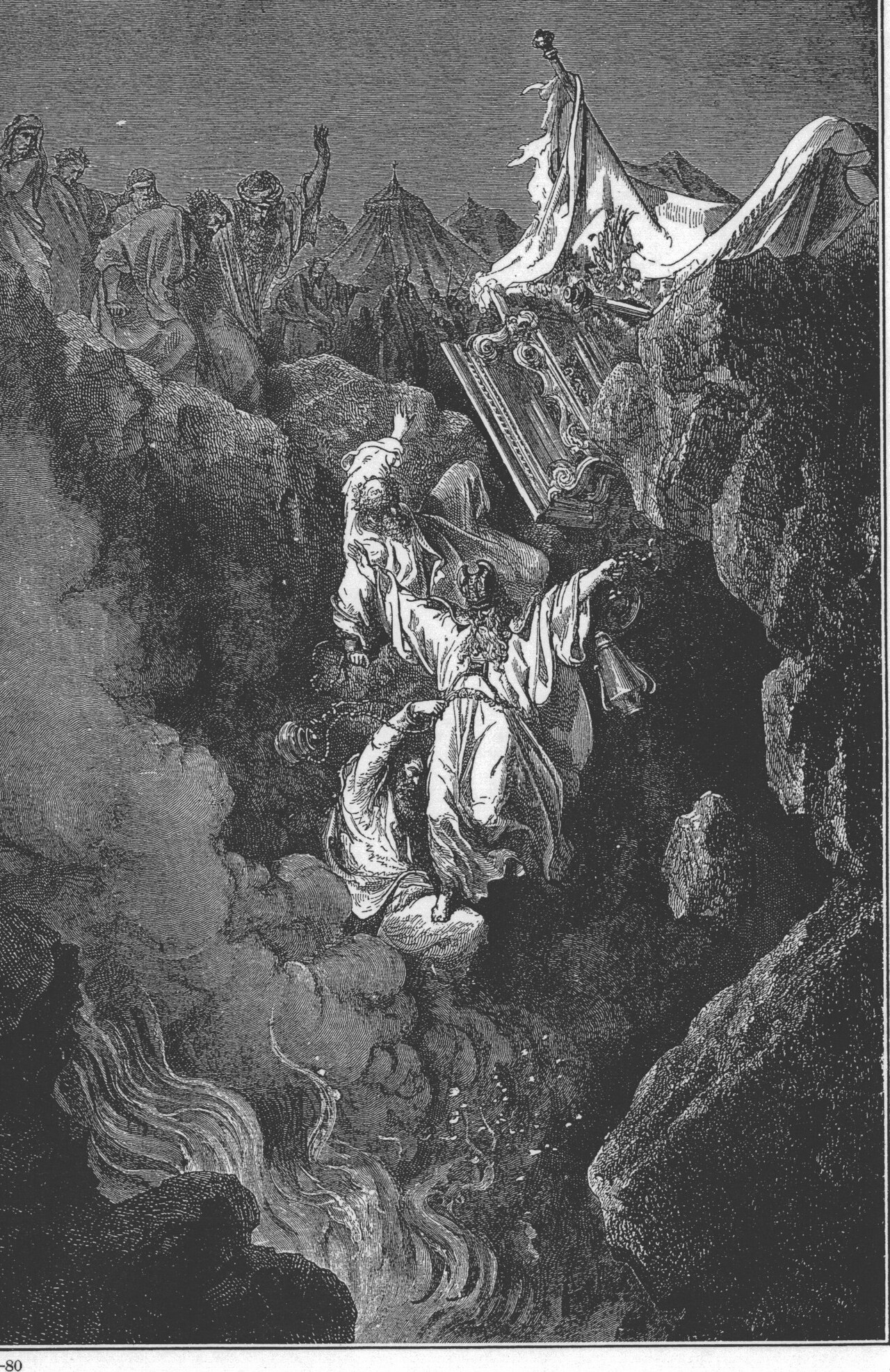
Abiram, along with Korah and Dathan, led a rebellion against Moses and Aaron and was swallowed up by the earth.
Abiram was a Reubenite, the son of Eliab, who joined Korah and Dathan in a rebellion against the leadership of Moses and Aaron in the wilderness (Num 16:1). When summoned by Moses, Abiram and Dathan refused to come, accusing Moses of failing to bring them into a land flowing with milk and honey and trying to make himself a prince over them (Num 16:12-14).
In response to the rebellion, Moses proposed a test to demonstrate whom God had chosen. Korah and his followers were to present themselves before the Lord with censers, and God would show who was holy (Num 16:16-19). God warned Moses and Aaron to separate themselves from the rebels so that He could consume them, but Moses interceded for the people (Num 16:20-22).
God then commanded the congregation to move away from the tents of Korah, Dathan, and Abiram. Moses declared that if these men died a natural death, then the Lord had not sent him, but if the earth swallowed them up, then they had rejected the Lord (Num 16:23-30). As soon as Moses finished speaking, the ground split apart and swallowed up Korah, Dathan, Abiram, their households, and all their possessions (Num 16:31-33; Psalm Num 106:17).
The sons of Korah, however, did not die (Num 26:11). The rebellion of Abiram and his co-conspirators served as a warning to the Israelites not to challenge God's appointed leaders (Deu 11:6). The New Testament also refers to this incident as an example of God's judgment against those who reject His authority (Jude 11).
One of the sons of Eliab, who joined Korah in the conspiracy against Moses and Aaron. He and all the conspirators, with their families and possessions (except the children of Korah), were swallowed up by an earthquake (Num. 16:1-27; 26:9; Ps. 106:17).
Sources: BibleData (CC BY 4.0, Abiram_1) · STEPBible TIPNR (CC BY 4.0, Abiram@Num.16.1-Psa) · Theographic Bible Metadata (CC BY-SA 4.0, abiram_47)