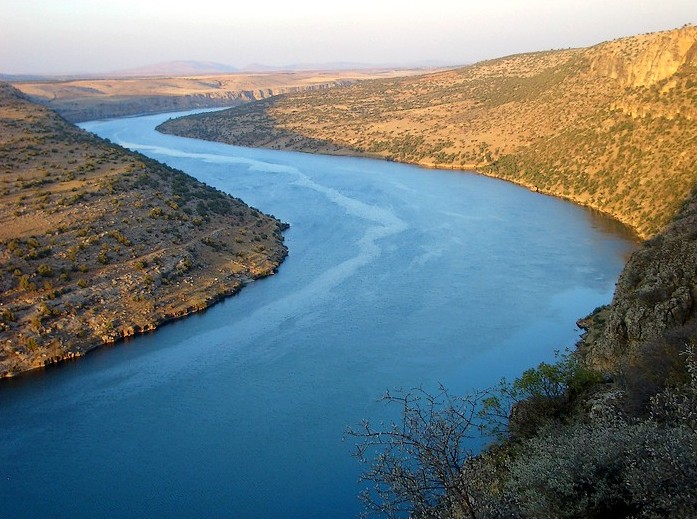
Ефрат е една от най-значимите реки, споменати в Библията, и играе решаваща роля в географията, историята и пророчествата на древния Близък изток. На иврит тя често е наричана просто „Реката“ или „Shibolet“ (което означава „житен клас“).
В разказа за Едемската градина Ефрат е една от четирите реки, които изтичали от градината (Бит 2:14). По-късно тя се споменава като част от границата на Обетованата земя, тъй като Бог обещал на Авраам, че неговите потомци ще наследят земята от Египетската река до Ефрат (Бит 15:18; Втор 1:7; 11:24; Ис.Нав 1:4).
Ефрат служел като естествена граница между Асирийската и Вавилонската империя и царствата Израил и Юда. Край него се случили няколко значими събития, като битката при Кархемиш, в която вавилонците победили египтяните (Ер 46:2), и там Еремия скрил ленен пояс като символ на Божия съд над Юда (Ер 13:4-7).
В книгата Откровение Ефрат се споменава във връзка със съда при шестата тръба (Откр 9:14) и съда при шестата чаша (Откр 16:12), когато реката пресъхва, за да подготви пътя за царете от изток.
В цялата Библия Ефрат се използва като символ на обхвата на обещаните от Бога благословения (Пс 72:8), на обсега на Израилевите врагове (Ис 7:20; 8:7) и на бъдещото възстановяване на Израил (Ис 11:15; 27:12; Мих 7:12; Зах 9:10).
Ефрат играел значителна роля в историята и търговията на древния Близък изток, като по бреговете му били разположени много важни градове и цивилизации, сред които Вавилон, Ур и Кархемиш. Той бил жизненоважен източник на вода за напояване и транспорт, а плодородните му заливни равнини поддържали земеделието и търговията.
Покажи английския оригинал
The Euphrates is one of the most significant rivers mentioned in the Bible, playing a crucial role in the geography, history, and prophecy of the ancient Near East. It is often referred to simply as "the River" or "Shibolet" (meaning "ear of grain") in Hebrew.
In the Garden of Eden narrative, the Euphrates is one of the four rivers that flowed from the garden (Genesis 2:14). Later, it is mentioned as part of the boundary of the Promised Land, as God promised Abraham that his descendants would inherit the land from the river of Egypt to the Euphrates (Genesis 15:18; Deu.1.7; 11:24; Joshua 1:4).
The Euphrates served as a natural boundary between the Assyrian and Babylonian empires and the kingdoms of Israel and Judah. It was the site of several significant events, such as the battle of Carchemish, where the Babylonians defeated the Egyptians (Jeremiah 46:2), and the place where Jeremiah hid a linen belt as a symbol of God's judgment on Judah (Jeremiah 13:4-7).
In the book of Revelation, the Euphrates is mentioned in connection with the sixth trumpet judgment (Revelation 9:14) and the sixth bowl judgment (Revelation 16:12), where the river is dried up to prepare the way for the kings from the east.
Throughout the Bible, the Euphrates is used as a symbol of the extent of God's promised blessings (Psalm 72:8), the reach of Israel's enemies (Isaiah 7:20; 8:7), and the future restoration of Israel (Isaiah 11:15; 27:12; Micah 7:12; Zechariah 9:10).
The Euphrates played a significant role in the history and commerce of the ancient Near East, with many important cities and civilizations situated along its banks, such as Babylon, Ur, and Carchemish. It was a vital source of water for irrigation and transportation, and its fertile floodplains supported agriculture and trade.