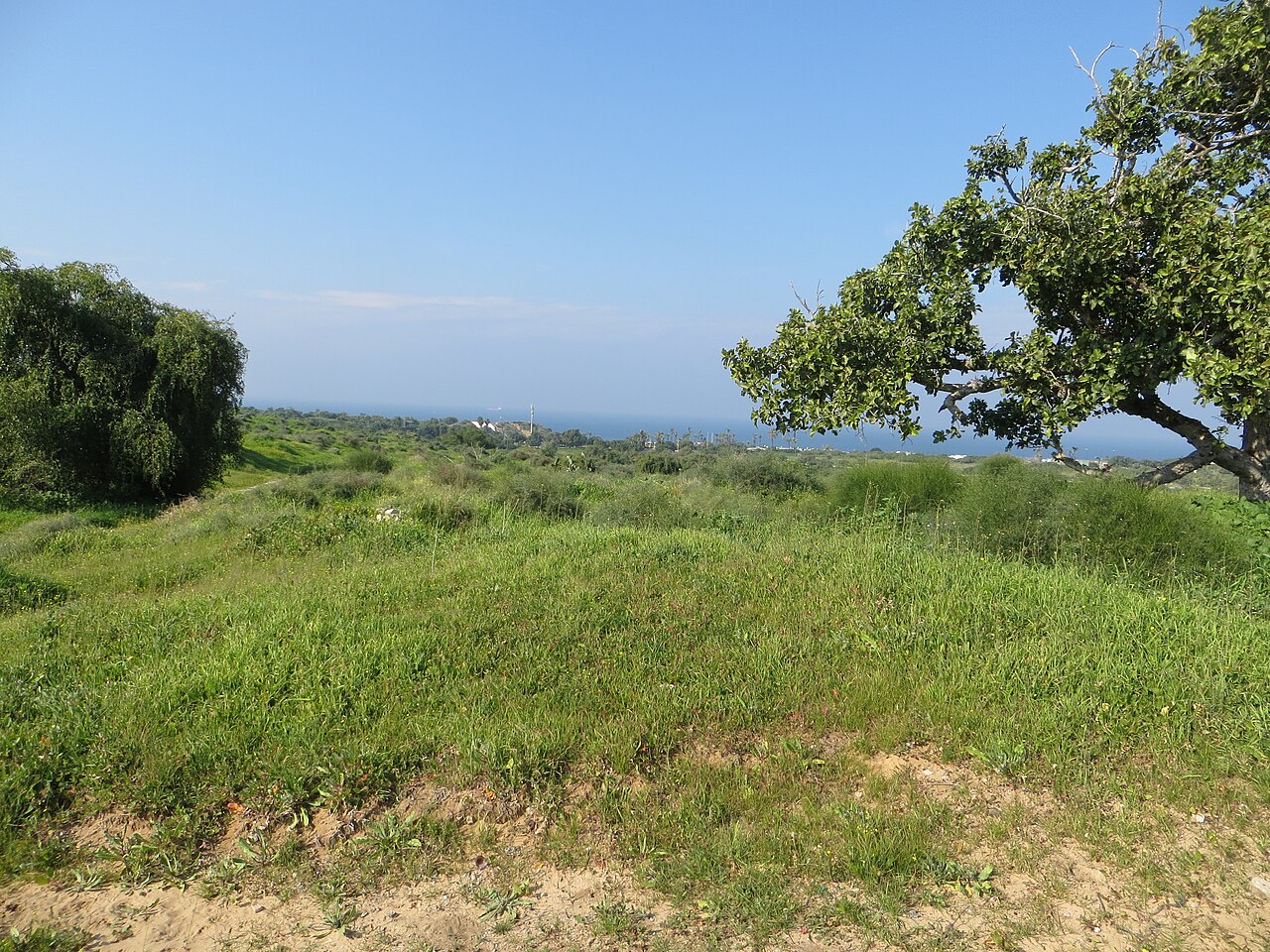
Филистимците са древен народ, който живеел в крайбрежната равнина на Ханаан, главно в областта, известна като Филистимската земя, която съответства на днешната Ивица Газа и южното крайбрежие на Израил. За пръв път се споменават в Библията по времето на Авраам (Бит 21:32, 34) и Исаак (Бит 26:1, 8, 14-15, 18). Филистимците не били част от първоначалните жители на Ханаан и се смята, че са се преселили от Егейския регион, вероятно като част от движението на „морските народи“ през XII век пр.Хр.
През целия период на съдиите и ранната монархия филистимците били постоянна заплаха за израилтяните. Те потискали Израил в продължение на 40 години, докато Самсон започнал да го избавя (Съд 13:1, 5). Сблъсъците на Самсон с филистимците, включително женитбата му с филистимка и последното му дело – събарянето на храма на Дагон, са описани в Съд 14-16. По времето на Самуил филистимците разбили Израил и пленили Ковчега на завета (1 Цар 4). По-късно те били принудени да върнат Ковчега, след като ги сполетели язви (1 Цар 5-6).
Филистимците продължили да бъдат важен враг по време на царуването на Саул и Давид. Прочутата битка между Давид и филистимския великан Голиат се състояла по това време (1 Цар 17). Давид воювал против филистимците през цялото си царуване (2 Цар 5; 8:1, 12; 21; 23) и те останали заплаха до по-късните години на разделената монархия (4 Цар 18:8; 2 Лет 26:6-7; 28:18). Пророците Исаия, Еремия, Езекиил, Амос и Софония споменават филистимците в пророчествата си, като често произнасят съд над тях (Ис 14:29-31; Ер 47; Езек 25:15-17; Ам 1:8; Соф 2:5).
Филистимците били известни с напредналата си технология за обработка на желязо, с характерната си керамика и с религиозните си обичаи, които включвали поклонение на божества като Дагон, Астарта и Ваал-Зевув. Библейският разказ ги представя като страшен враг на Израил, но и като народ, който Бог използвал, за да изпитва и възпитава Своя избран народ.
Покажи английския оригинал
The Philistines were an ancient people who lived in the coastal plain of Canaan, primarily in the region known as Philistia, which corresponds to the modern-day Gaza Strip and the southern coast of Israel. They are first mentioned in the Bible during the time of Abraham (Gen. 21:32, 34) and Isaac (Gen. 26:1, 8, 14-15, 18). The Philistines were not part of the original inhabitants of Canaan and are believed to have migrated from the Aegean region, possibly as part of the Sea Peoples' movement in the 12th century BC.
Throughout the period of the judges and the early monarchy, the Philistines were a constant threat to the Israelites. They oppressed Israel for 40 years until Samson began to deliver them (Judg. 13:1, 5). Samson's encounters with the Philistines, including his marriage to a Philistine woman and his final act of bringing down the temple of Dagon, are recorded in Judges 14-16. During the time of Samuel, the Philistines defeated Israel and captured the Ark of the Covenant (1Sam. 4). They were later forced to return the Ark after experiencing plagues (1Sam. 5-6).
The Philistines continued to be a significant enemy during the reigns of Saul and David. The famous battle between David and the Philistine giant Goliath took place during this time (1Sam. 17). David fought against the Philistines throughout his reign (2Sam. 5; 8:1, 12; 21; 23), and they remained a threat until the later years of the divided monarchy (2Kgs. 18:8; 2Chr. 26:6-7; 28:18). The prophets Isaiah, Jeremiah, Ezekiel, Amos, and Zephaniah all mention the Philistines in their oracles, often pronouncing judgment against them (Isa. 14:29-31; Jer. 47; Ezek. 25:15-17; Amo.1.8; Zeph. 2:5).
The Philistines were known for their advanced iron technology, their distinctive pottery, and their religious practices, which included the worship of deities such as Dagon, Ashtoreth, and Baal-Zebub. The biblical narrative portrays them as a formidable enemy of Israel, but also as a people whom God used to test and discipline His chosen nation.