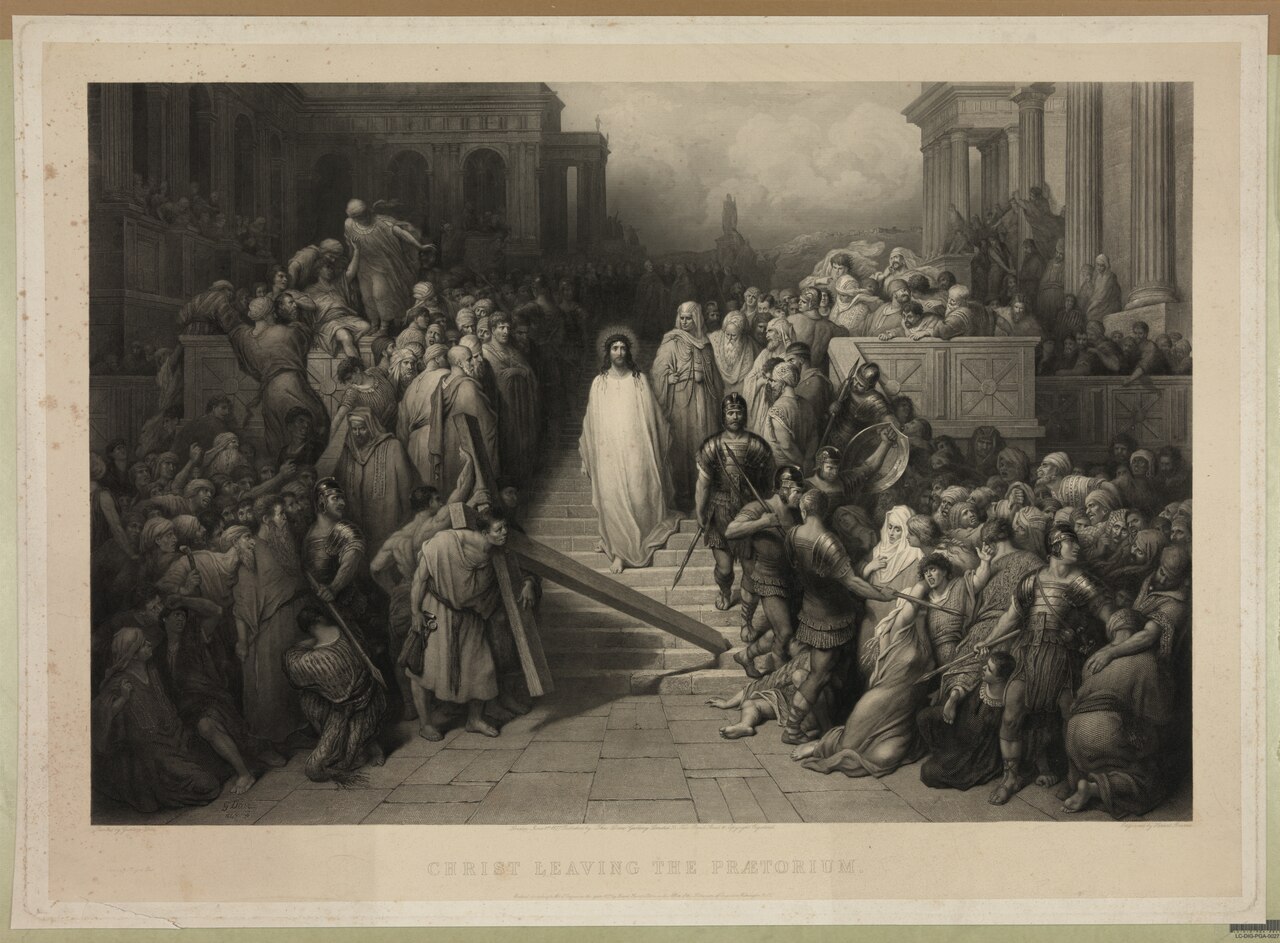
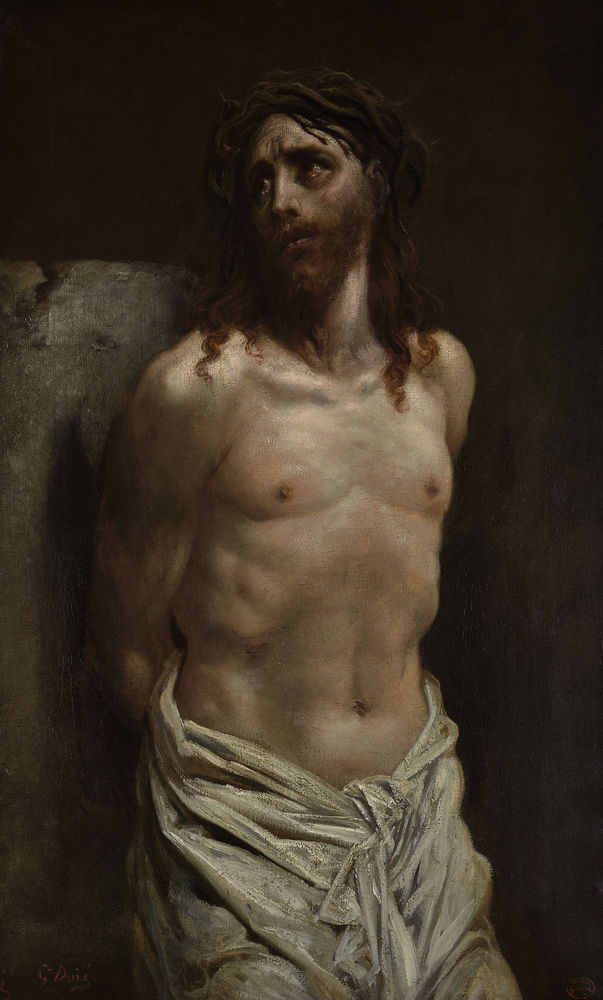
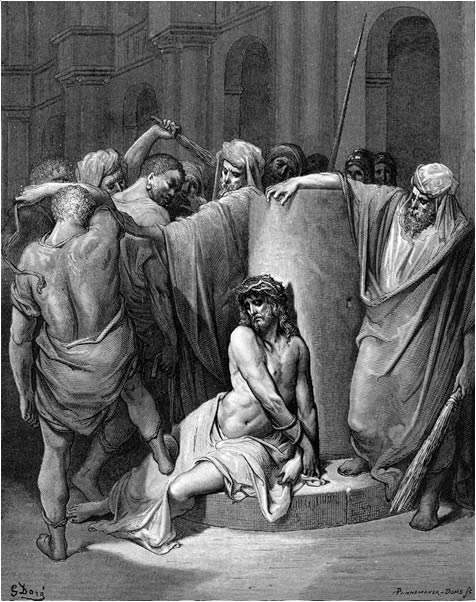
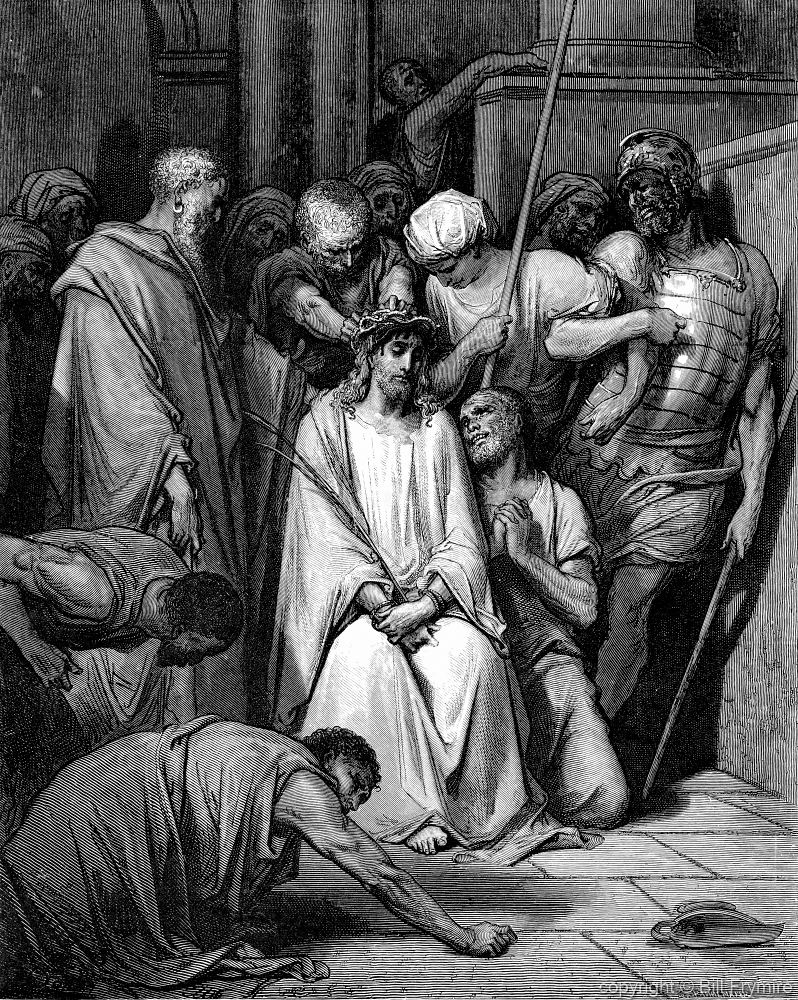
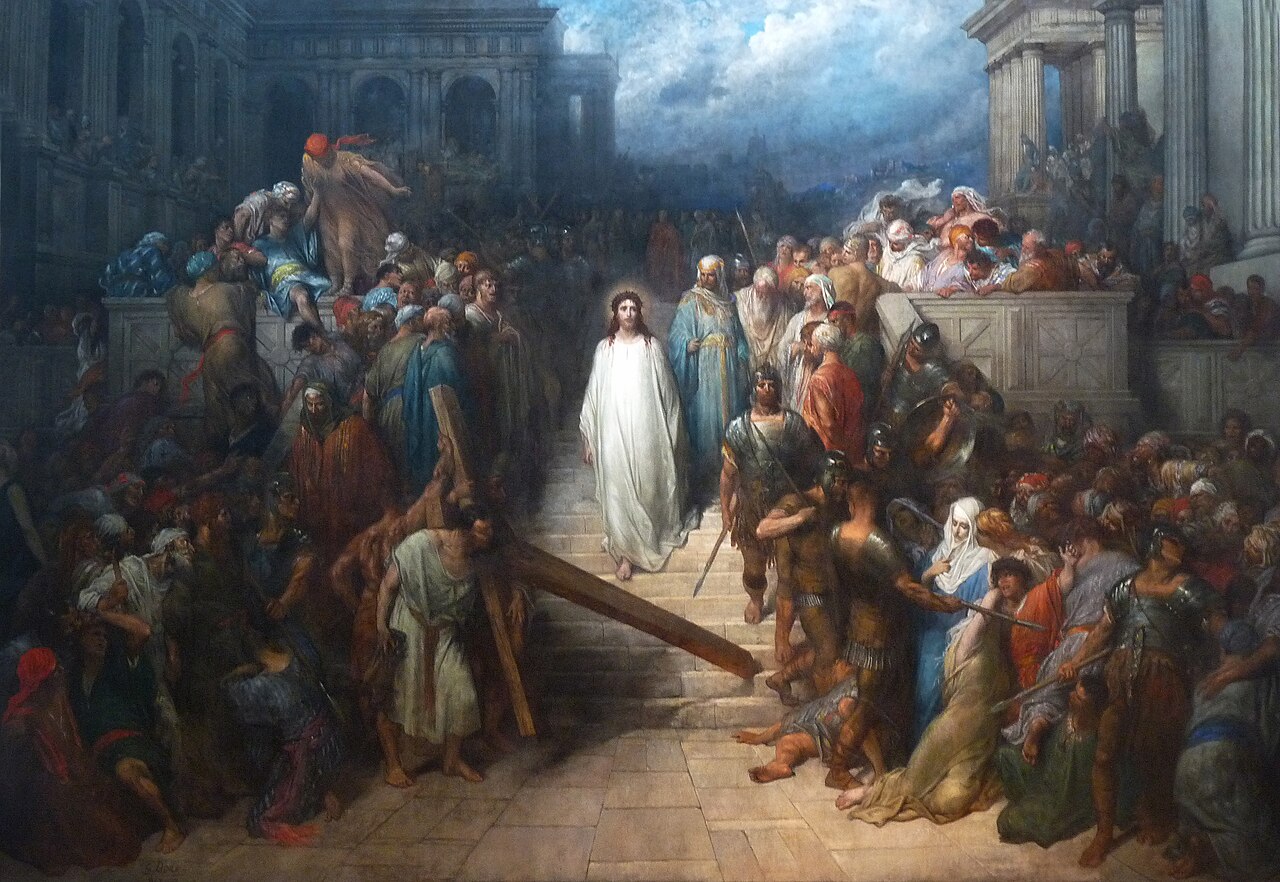
Помазаник, гръцкият превод на еврейската дума, предадена като „Месия“ (вж. съответната статия), официалната титла на нашия Господ, която се среща петстотин и четиринадесет пъти в Новия Завет. Тя означава, че Той бил помазан или посветен за Своето велико изкупително дело като Пророк, Свещеник и Цар на Своя народ. Той е Исус Христос (Деян 17:3; 18:5; Мат. 22:42), Помазаникът. Така говорят за Него Исаия (61:1) и Даниил (9:24-26), който Го нарича „Месия, Князът“.
Месията е същата личност като „семето на жената“ (Бит. 3:15), „семето на Авраам“ (Бит. 22:18), „Пророкът, подобен на Моисей“ (Втор. 18:15), „свещеникът според Мелхиседековия чин“ (Пс. 110:4), „издънката от Есеевия пън“ (Ис. 11:1, 10), „Емануил“, синът на девицата (Ис. 7:14), „отрасълът на Йехова“ (Ис. 4:2) и „вестителят на завета“ (Мал. 3:1). Това е Онзи, „за Когото Моисей писа в закона, а също и пророците“. Старозаветното Писание е изпълнено с пророчески изявления за Великия Избавител и за делото, което Той трябвало да извърши. Исус Христос е Исус, Великият Избавител, Помазаникът, Спасителят на хората. Това име означава, че Исус бил определен, упълномощен и засвидетелстван от Бога като Спасител на хората (Евр. 5:4; Ис. 11:2-4; 49:6; Йоан 5:37; Деян 2:22).
Да вярваш, че „Исус е Христос“, означава да вярваш, че Той е Помазаникът, Месията, предсказан от пророците, Спасителят, изпратен от Бога; с една дума, че Той бил Този, за Когото се представял. Това означава да вярваш в Евангелието, единствено чрез вярата в което хората могат да бъдат доведени при Бога. Че Исус е Христос, е Божието свидетелство, а вярата в това прави човека християнин (1 Кор. 12:3; 1 Йоан 5:1).
Покажи английския оригинал
Anointed, the Greek translation of the Hebrew word rendered “Messiah” (q.v.), the official title of our Lord, occurring five hundred and fourteen times in the New Testament. It denotes that he was anointed or consecrated to his great redemptive work as Prophet, Priest, and King of his people. He is Jesus the Christ (Acts 17:3; 18:5; Matt. 22:42), the Anointed One. He is thus spoken of by Isaiah (61:1), and by Daniel (9:24-26), who styles him “Messiah the Prince.”
The Messiah is the same person as “the seed of the woman” (Gen. 3:15), “the seed of Abraham” (Gen. 22:18), the “Prophet like unto Moses” (Deut. 18:15), “the priest after the order of Melchizedek” (Ps. 110:4), “the rod out of the stem of Jesse” (Isa. 11:1, 10), the “Immanuel,” the virgin’s son (Isa. 7:14), “the branch of Jehovah” (Isa. 4:2), and “the messenger of the covenant” (Mal. 3:1). This is he “of whom Moses in the law and the prophets did write.” The Old Testament Scripture is full of prophetic declarations regarding the Great Deliverer and the work he was to accomplish. Jesus the Christ is Jesus the Great Deliverer, the Anointed One, the Saviour of men. This name denotes that Jesus was divinely appointed, commissioned, and accredited as the Saviour of men (Heb. 5:4; Isa. 11:2-4; 49:6; John 5:37; Acts 2:22).
To believe that “Jesus is the Christ” is to believe that he is the Anointed, the Messiah of the prophets, the Saviour sent of God, that he was, in a word, what he claimed to be. This is to believe the gospel, by the faith of which alone men can be brought unto God. That Jesus is the Christ is the testimony of God, and the faith of this constitutes a Christian (1 Cor. 12:3; 1 John 5:1).